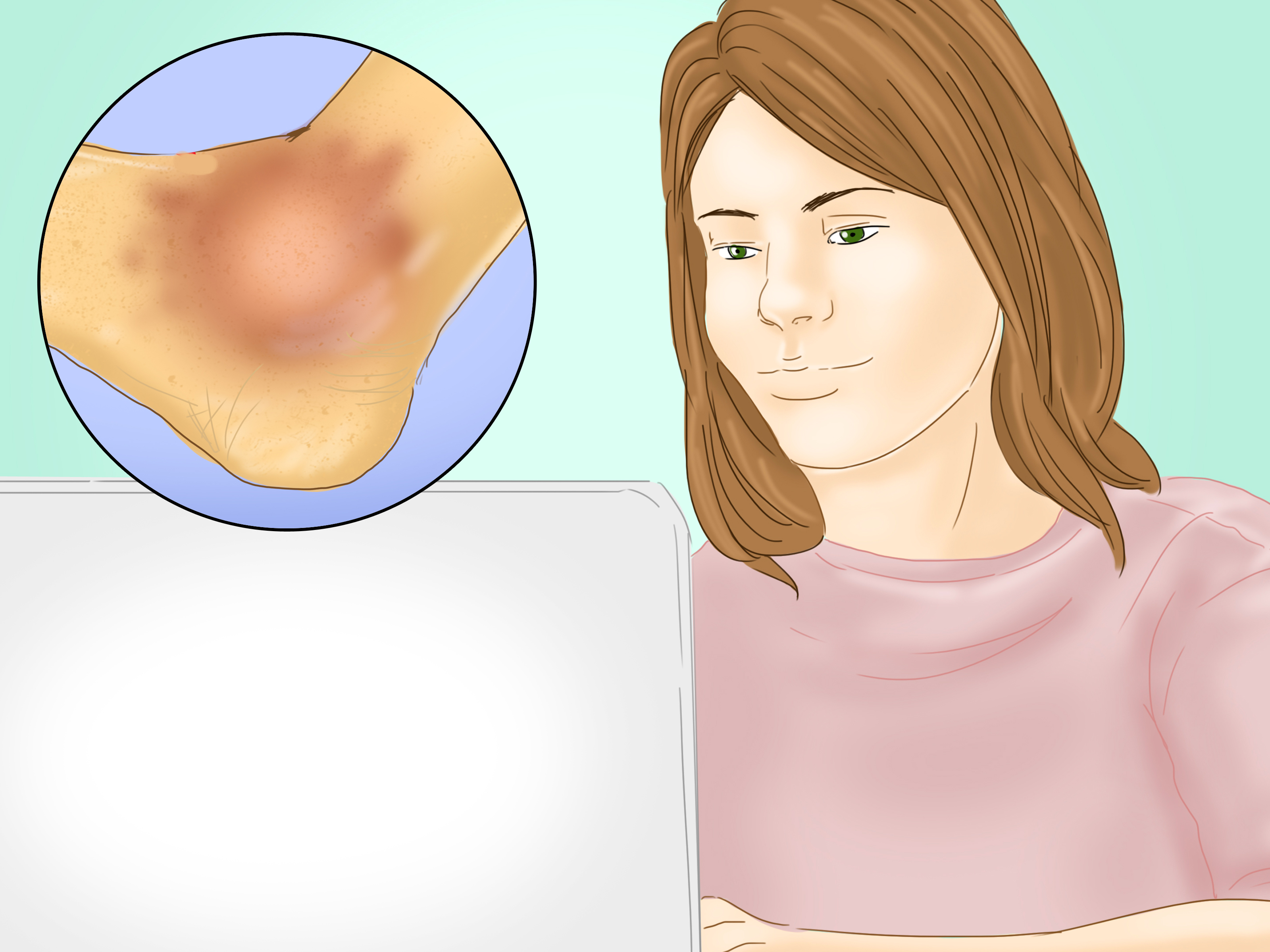
If your uric acid levels are creeping up, your body is basically sending a polite-but-firm memo: “Please stop treating hydration like an optional side quest.” High uric acid can raise the risk of gout flares and, in some people, kidney stones. The good news is that food and drink choices can help. The less-fun news is that there is no magical superhero snack that fixes everything overnight.
A smart uric acid diet is less about one “perfect” food and more about changing your overall pattern: more water, more plants, more low-fat dairy, fewer sugary drinks, less alcohol, and fewer high-purine animal foods. That sounds simple because it is simple. Following it consistently? That is where the real work lives.
This guide breaks down 12 practical steps to lower uric acid levels with diet, plus real-world experiences people often have when they start eating this way. The goal is not perfection. The goal is a routine your joints, kidneys, and future self will not complain about.
Why Diet Matters for Uric Acid
Uric acid is produced when the body breaks down purines, which are natural compounds found in your body and in many foods. Problems start when your body makes too much uric acid, your kidneys do not remove enough of it, or both. That is when urate crystals can form and cause the kind of joint pain that makes even a bedsheet touching your toe feel deeply offensive.
Diet is not the only factor. Weight, kidney function, genetics, alcohol use, sugary beverages, and even certain medications all matter too. So while nutrition can absolutely help lower uric acid levels and reduce gout risk, it is best viewed as part of a bigger plan, not a solo performance.
The 12-Step Plan
1. Drink more water every day
Hydration is one of the simplest ways to support uric acid control. Water helps your body flush uric acid through the urine, and staying well hydrated may also help reduce the chance of uric acid crystals forming. If your current hydration strategy is “coffee, then vibes,” it is time to upgrade.
Try keeping water visible and easy to reach. A refillable bottle on your desk works better than relying on memory. Unsweetened sparkling water, plain water with lemon, and caffeine-free herbal tea can also help. If you have kidney disease, heart failure, or another condition that affects fluid intake, follow your clinician’s advice on how much to drink.
2. Cut back hard on sugary drinks
If there is one dietary habit worth breaking up with first, it is frequent sugary drinks. Soda, sweet tea, energy drinks, sports drinks, and many bottled fruit drinks can push uric acid in the wrong direction. Fructose is a major problem here because it can increase uric acid production.
The easiest swap is also the most boring one: water. But “boring” is underrated when your joints are happier. Unsweetened iced tea, sparkling water, and diluted no-added-sugar beverages can also make the transition feel less dramatic.
3. Treat fruit juice like a sometimes drink, not a health halo
Juice sounds wholesome because it started life as fruit, but when it comes to uric acid, large servings can still be a lot of sugar in a glass. That does not mean you must fear every sip forever. It does mean that drinking juice all day like it is liquid virtue is not the move.
Whole fruit is usually the better choice because it comes with fiber and tends to be more filling. If you want something sweet, berries, citrus, apples, and melon are often smarter choices than a giant bottle of fruit punch pretending to be wellness.
4. Limit alcohol, especially beer and spirits
Alcohol is a classic gout trigger for a reason. Beer and distilled liquors are especially associated with higher uric acid and more gout trouble. Even people who eat fairly well can sabotage their progress by treating weekends like a craft-beverage Olympics.
If you are trying to lower uric acid, reduce how often you drink and how much you drink at one time. During a gout flare, alcohol is especially unhelpful. If you do drink, smaller amounts and fewer occasions are usually better than “saving up” for one big night.
5. Avoid organ meats and heavily limit red and processed meats
Liver, kidney, sweetbreads, and other organ meats are extremely high in purines. They are basically the overachievers of the high-uric-acid world, and not in a good way. Red meats such as beef, lamb, and pork can also add up quickly, especially when portions are large and frequent.
Processed meats deserve side-eye too. Sausages, bacon, deli meats, pepperoni, and meaty gravies are not exactly a uric-acid-friendly support group. You do not need to become vegetarian overnight, but shrinking meat portions and eating them less often can make a real difference.
6. Be selective with seafood instead of assuming all fish is equal
Some seafood is much more likely to raise uric acid than others. Anchovies, sardines, herring, mussels, scallops, and certain shellfish are common troublemakers. That does not mean every fish dinner is forbidden forever, but it does mean portion size and choice matter.
A good rule of thumb is to save the highest-purine seafood for rare occasions rather than regular meals. If you eat seafood, keep servings moderate and pay attention to what seems to trigger symptoms for you personally. Your body tends to keep receipts.
7. Get more of your protein from low-fat dairy
Low-fat milk, yogurt, and cottage cheese are some of the most useful foods for people trying to reduce gout risk. Unlike many high-purine animal proteins, low-fat dairy may actually help lower uric acid by supporting its excretion.
That makes dairy a practical protein swap. Breakfast could be plain Greek yogurt with berries and oats. A snack could be low-fat cottage cheese with cucumber or fruit. It is not glamorous, but neither is limping through a gout flare.
8. Build meals around vegetables, whole grains, and plant foods
A plant-forward eating pattern helps in several ways at once: it tends to reduce excess calories, supports weight control, improves heart health, and usually crowds out some of the meats and processed foods that can drive uric acid up. Think vegetables, beans, lentils, oats, brown rice, quinoa, nuts, seeds, and fruit.
This is also where an old gout myth deserves to retire. Some vegetables contain purines, but high-purine vegetables do not appear to raise gout risk the way organ meats and certain seafood do. In plain English: you do not need to panic over spinach, asparagus, or peas while ignoring the giant cheeseburger.
9. Follow a DASH or Mediterranean-style eating pattern
If you like a bigger framework instead of random food rules, the DASH diet and the Mediterranean diet are both solid approaches. They emphasize fruits, vegetables, whole grains, beans, nuts, healthy fats, and reasonable portions of lean protein. They also tend to be lower in the exact stuff that often worsens gout risk: excess red meat, processed food, added sugar, and heavy alcohol use.
Another bonus is that people with gout often also have high blood pressure, obesity, insulin resistance, or kidney issues. A heart-healthy eating pattern pulls double duty. In other words, this is not just about one sore toe. It is about your whole metabolic situation.
10. Lose weight slowly if you need to
Carrying extra weight is strongly linked with higher uric acid and gout risk. For many people, gradual weight loss helps lower uric acid and reduce flares. The keyword here is gradual. Crash diets, dehydration, and aggressive fasting can backfire and make gout worse.
The most reliable approach is boring in the best possible way: smaller portions, fewer sugary drinks, more fiber, more walking, and a sustainable calorie deficit. No cleanse required. No weird tea. No dramatic announcement to the group chat.
11. Use cherries and vitamin C-rich foods as extras, not magic tricks
Some evidence suggests that cherries may help lower the risk of gout attacks, and vitamin C-rich foods may support healthy uric acid levels. That is promising, but it does not mean cherry candy, cherry syrup, or mega-dose supplements suddenly become medical treatment.
A smarter play is to include whole foods that fit the rest of your plan: cherries when available, berries, oranges, grapefruit, bell peppers, broccoli, and strawberries. These can complement a healthy diet, but they should not distract from the bigger rocks like hydration, sugar reduction, and meat moderation.
12. Track your triggers and know when diet is not enough
Some people can improve their uric acid numbers significantly with food changes. Others do everything right and still need medication. That is not failure. That is biology being inconvenient.
Keep a simple note on what you ate, what you drank, and whether you had symptoms. Also review medications with your clinician, because some drugs, including certain diuretics, can raise uric acid. If you have frequent flares, tophi, kidney disease, kidney stones, or persistently high serum urate, medical treatment may still be necessary alongside diet. For many people with gout, clinicians aim for a serum urate level below 6 mg/dL.
A Practical Day of Eating for Lower Uric Acid
You do not need a chef, a blender army, or a refrigerator full of expensive powders. A realistic day might look like this:
- Breakfast: Plain Greek yogurt, oats, berries, and a handful of walnuts.
- Lunch: Quinoa bowl with chickpeas, cucumber, tomatoes, olive oil, and lemon.
- Snack: Apple slices with a small portion of nuts or low-fat cottage cheese.
- Dinner: Roasted vegetables, brown rice, and tofu or a modest portion of chicken.
- Drinks: Water, sparkling water, or unsweetened tea instead of soda or sweet juice.
This kind of pattern lowers the “purine pressure” from the highest-risk foods while supporting weight, hydration, and overall health. Fancy? Not really. Effective? Much more likely.
Common Experiences People Have When They Change Their Diet
When people start trying to lower uric acid levels with diet, the first thing they usually notice is not some dramatic movie-scene transformation. It is often something smaller: less puffiness in a joint, fewer random aches after a heavy meal, or simply feeling more in control because they finally know what foods are working for them instead of against them.
One common experience is that the biggest wins come from drinks, not food. A person might spend weeks obsessing over whether they can eat mushrooms, spinach, or one serving of beans, while continuing to drink soda, sweet coffee drinks, or beer several nights a week. Then they finally switch to mostly water and unsweetened drinks, and that change turns out to be the loudest signal. It is not glamorous, but it is incredibly common.
Another experience people talk about is how portion size matters almost as much as food choice. They may think, “I am not eating organ meats, so I am fine,” but their dinner is still a massive steak followed by cocktails and dessert. Once they move toward smaller meat portions, more vegetables, and more low-fat dairy or plant proteins, things often feel steadier. Not perfect. Just steadier. And steadier is a very underrated health goal.
Many people are also surprised to learn that healthy eating for gout does not have to mean giving up all pleasure forever. They discover that a bowl of Greek yogurt with fruit is actually satisfying, that roasted vegetables taste better than expected when olive oil and seasoning are involved, and that sparkling water in a cold glass can scratch the soda itch better than they thought. Apparently adulthood is full of strange plot twists.
Weight-related changes can be especially meaningful. Someone who gradually loses weight often notices more than just better lab results. They may feel less overall inflammation, more energy during the day, and fewer “food hangovers” after meals. Just as important, gradual weight loss tends to work better than extreme restriction. People who go too hard too fast often end up dehydrated, frustrated, and back where they started, which is not exactly the inspiring wellness montage they were hoping for.
There is also the experience of learning patience. Uric acid does not always drop instantly after one week of salad and good intentions. Some people need months of consistent changes before their numbers, symptoms, or flare frequency really improve. That delay can be annoying, but it is normal. Dietary change usually works more like compound interest than fireworks.
Finally, a lot of people learn an important truth: diet helps, but sometimes it is only one part of the answer. A person might clean up their eating, cut alcohol, drink more water, and still have flares because of genetics, kidney function, medications, or long-standing gout. In those cases, combining a better diet with proper medical care is often what finally gets things under control. That is not defeat. That is a smart strategy.
Final Thoughts
If you want to lower uric acid levels with diet, start with the big wins: more water, less sugar, less alcohol, fewer high-purine animal foods, and a more plant-forward way of eating. From there, add low-fat dairy, improve portions, and work toward steady weight loss if needed. You do not need a “perfect” gout diet. You need a repeatable one.
And if your symptoms are frequent, severe, or tied to kidney problems, do not rely on food alone. Diet is powerful, but it is not stubborn enough to override every case of gout by itself. Sometimes the best plan is a good grocery list and a good doctor working on the same team.