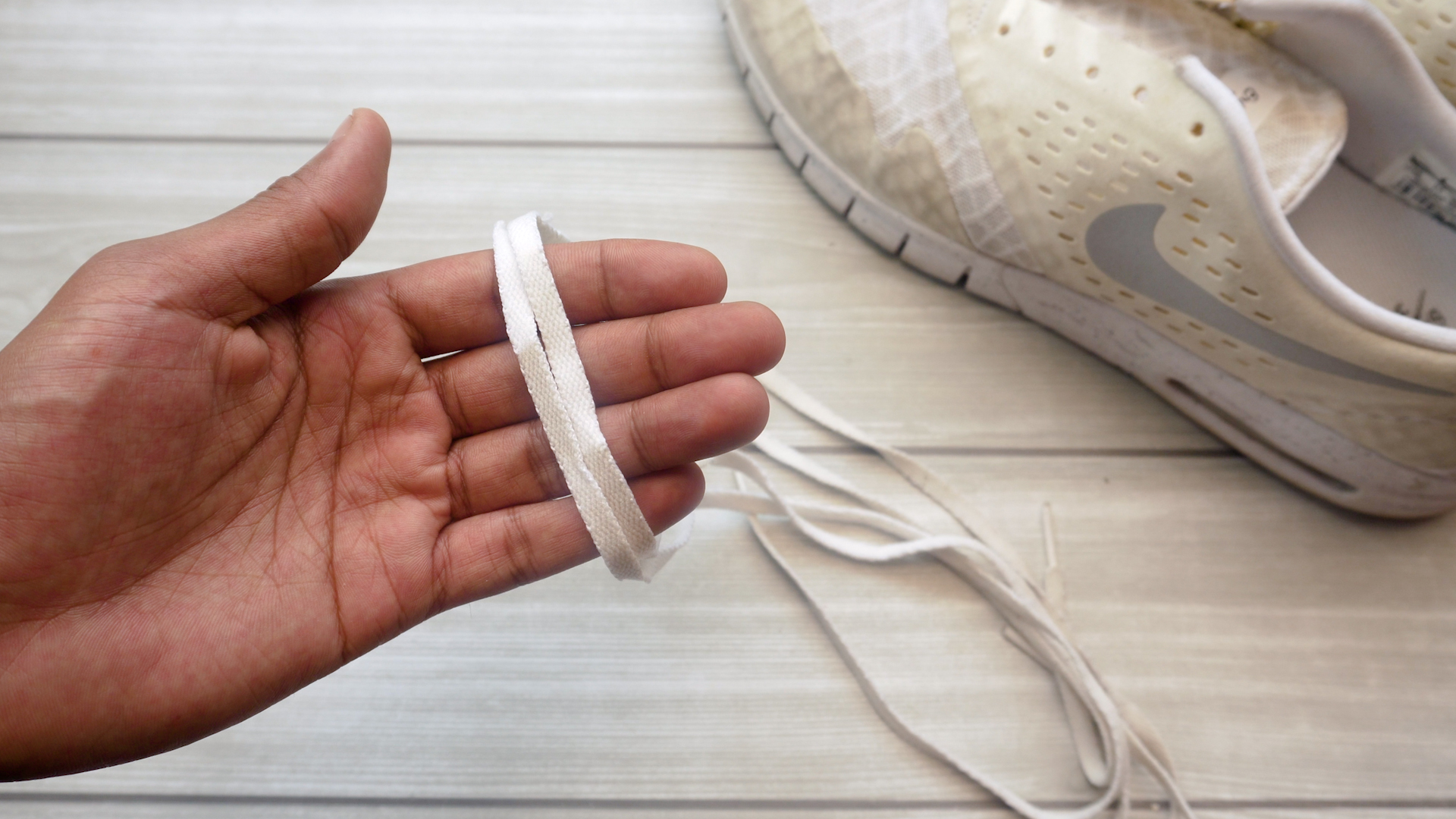
Nike shoes are built for movement, whether that means sprinting toward a finish line, walking the dog, surviving a rainy commute, or performing the sacred ritual of “just one more lap around the mall.” Unfortunately, dirt also enjoys movement. It clings to white midsoles, sneaks into mesh uppers, and somehow turns clean laces into gray spaghetti.
The good news is that you do not need a laboratory, a pressure washer, or a questionable social-media cleaning hack to restore your sneakers. With mild soap, soft tools, patience, and a little respect for the shoe’s materials, you can clean Nike shoes safely without wrecking the fabric, glue, shape, or color.
This guide explains how to clean Nike sneakers step by step, how to handle mesh, leather, suede, and Flyknit-style uppers, and how to avoid common mistakes that can turn a small stain into a very expensive art project.
Before You Clean Nike Shoes: Check What They Are Made Of
Not every Nike shoe should be cleaned in exactly the same way. A pair of white leather Air Force 1s, airy Nike running shoes, suede Dunks, and knit training shoes may all wear the swoosh, but they do not share the same cleaning needs.
Start by identifying the upper material. Mesh, canvas, knit, nylon, and many synthetic materials generally tolerate a lightly damp cloth or soft brush. Leather needs less water and gentler wiping. Suede and nubuck are the divas of the sneaker world: they dislike soaking, harsh scrubbing, and surprise chemistry experiments.
When in doubt, test your cleaning solution on a small, hidden spot, such as the edge of the tongue or inside collar. This takes less than a minute and can save you from discovering that your “mild” cleaner has turned one panel of your shoes into a completely different shade.
Gather Your Shoe-Cleaning Supplies
- A dry soft-bristle shoe brush or old toothbrush
- A microfiber cloth or soft cotton cloth
- A small bowl of lukewarm water
- A few drops of mild laundry detergent or gentle dish soap
- A clean towel or paper towels
- A separate brush for midsoles and outsoles, if available
- A suede brush and suede eraser for suede or nubuck Nike shoes
- Optional: leather conditioner for smooth leather sneakers
Skip aggressive household chemicals, strong bleach, abrasive powders, and random cleaners from under the kitchen sink. More cleaning power is not always better. In sneaker care, “gentle but consistent” beats “nuclear option” almost every time.
How to Clean Nike Shoes in 6 Easy Steps
1. Remove Loose Dirt While the Shoes Are Dry
Begin with dry shoes. Knock the soles together outside, then use a dry soft-bristle brush to remove loose dirt from the upper, tongue, midsole, outsole, and crevices around the laces. A spare toothbrush works surprisingly well for this job, especially around textured rubber.
Why start dry? Mud is much easier to remove before it becomes brown pudding. Wetting a heavily soiled shoe too early can push grit deeper into mesh or fabric, making the rest of the job more difficult.
2. Remove the Laces and Insoles
Take out the laces and removable insoles before cleaning the rest of the shoe. Laces trap dirt where they weave through eyelets, while insoles hold sweat and odor like tiny foam memory banks.
Place laces in a bowl of lukewarm water with a small amount of mild detergent. Gently rub them between your hands, rinse them well, and lay them flat to air-dry. For removable insoles, wipe or lightly scrub them with a damp cloth and mild solution, then allow them to dry separately.
Do not rush this part. Reassembling shoes with damp insoles is a fast way to create a sneaker that smells like a locker room holding a grudge.
3. Mix a Mild Cleaning Solution
Fill a small bowl with lukewarm water and add only a few drops of mild detergent or dish soap. The water should look lightly soapy, not like you are preparing a bubble bath for a golden retriever.
For white canvas or light-colored synthetic shoes, a small baking soda and water paste can help lift surface grime. Use it sparingly, apply it only where needed, and wipe away all residue afterward. Avoid using baking soda pastes on delicate leather, suede, nubuck, or highly colored knit materials unless the shoe-care instructions specifically support it.
4. Clean the Midsole and Outsole First
Dip a soft brush or cloth into the cleaning solution, squeeze out excess water, and scrub the rubber midsole and outsole. These areas can handle more attention than the upper, but they still do not need brute force.
Focus on the white sidewall, heel edge, tread grooves, and toe bumper. For stubborn rubber scuffs, a lightly dampened cleaning eraser can work well on the rubber portion only. Keep it away from suede, fabric, painted graphics, or soft foam because an eraser can act like very fine sandpaper.
Wipe away loosened grime with a clean damp cloth. Repeat until the rubber looks fresher. It may not return to factory-new white, and that is okay. A sneaker with a little honest mileage still has character; it just does not need to look like it fought a lawn mower.
5. Gently Clean the Upper
Use a soft-bristle brush or microfiber cloth for the upper. Dip the tool into your mild solution, remove excess water, and clean in small sections. Work gently, especially over mesh, knit, and thin synthetic panels.
For smooth leather Nike shoes, use a damp cloth rather than soaking the material. Wipe in light circles and immediately blot away moisture. For mesh or knit shoes, use a soft brush with minimal pressure so you do not snag fibers or flatten the material.
After cleaning each section, blot it with a dry microfiber cloth. Blotting lifts moisture and dirt without rubbing grime farther into the fabric. Avoid saturating the upper. Your goal is a controlled clean, not an accidental swimming lesson.
6. Air-Dry the Shoes Properly
Stuff the shoes loosely with clean paper towels or a soft towel to help them keep their shape and absorb moisture. Replace the paper when it becomes damp. Then leave the shoes indoors at room temperature with good airflow.
Do not put Nike shoes in a dryer, near a radiator, in front of a heater, or in blazing direct sunlight. High heat can warp foam, weaken adhesives, stiffen leather, fade colors, and turn a flexible running shoe into a sad little sculpture.
Allow the shoes to dry completely before wearing them again. Depending on the materials and humidity, this can take overnight or longer. Reinsert the insoles and laces only when everything is fully dry.
How to Clean Different Types of Nike Shoes
How to Clean Nike Mesh and Flyknit Shoes
Mesh and knit Nike shoes are lightweight and breathable, which is wonderful until they collect dust, grass, sweat, and an entire week of city life. Use a soft brush, minimal moisture, and mild soap diluted in water.
Clean in gentle circular motions, then blot with a microfiber cloth. Do not use bleach or harsh stain removers on mesh or knit uppers. Strong chemicals can weaken fibers, discolor the fabric, or leave crusty residue behind. For deep stains, repeat a gentle cleaning session rather than escalating to harsher products.
How to Clean White Nike Shoes
White Nike shoes are stylish, versatile, and apparently magnetized to every puddle within a five-mile radius. Clean obvious marks early, because fresh dirt is much easier to remove than a stain that has had three weeks to settle in and build a retirement plan.
For white leather or synthetic Nike shoes, use diluted mild soap and a soft cloth. For white canvas or fabric shoes, a small amount of baking soda paste may help with stubborn surface discoloration. Clean white rubber midsoles separately with a damp cloth or cleaning eraser.
Be cautious with bleach. Even when a shoe is white, bleach can yellow rubber, weaken fabric, damage glue, or create uneven patches. A cleaner shoe is not worth a permanently strange-looking shoe.
How to Clean Leather Nike Shoes
Leather Nike sneakers should be cleaned with restraint. Brush away dust first, then wipe the leather using a barely damp cloth and mild cleaning solution. Do not soak leather or scrub aggressively. Excess water can cause stiffness, discoloration, or misshapen panels.
Once dry, apply a small amount of leather conditioner if appropriate for the finish. This can help maintain softness and reduce the dry, cracked look that makes a once-sharp pair of sneakers resemble antique furniture.
How to Clean Suede or Nubuck Nike Shoes
For suede Nike shoes, keep water use to an absolute minimum. Let mud dry completely, then brush it away with a suede brush in one direction. Use a suede eraser for dry scuffs and small marks.
For oily stains, apply a small amount of cornstarch or a suede-safe absorbent powder, leave it in place according to the product directions, and brush it off once dry. For difficult stains, use a dedicated suede cleaner rather than a general sneaker-cleaning mixture. Suede rewards patience and punishes improvisation.
How to Remove Odor From Nike Shoes
Cleaning the outside of your shoes is only half the story. If the inside smells like a gym bag that has seen things, focus on the insoles and drying routine.
Remove the insoles and clean them separately with mild soap and a damp cloth. Let them dry completely in a ventilated room. You can sprinkle a little baking soda inside dry shoes overnight to help absorb odor, then shake or vacuum it out the next day. Another simple habit is rotating between pairs of shoes so each pair has time to dry fully between wears.
Wear clean socks, avoid storing damp shoes in a closed gym bag, and clean your shoes after muddy or sweaty workouts. Prevention is less glamorous than emergency deodorizing, but it is also far less embarrassing.
Common Mistakes to Avoid When Cleaning Nike Sneakers
- Throwing every pair into the washing machine: A washer may be tempting, but it can stress glue, foam, and delicate uppers. Hand-cleaning is the safer default.
- Using a dryer: Heat can damage adhesives, distort foam, fade color, and affect the shoe’s fit.
- Soaking the entire shoe: More water does not equal more clean. It can leave water marks, slow drying, and create material damage.
- Using bleach on everything: Bleach can discolor, weaken, or yellow many sneaker materials.
- Scrubbing suede like rubber: Suede needs a brush and patience, not a full-contact wrestling match.
- Ignoring a small stain: Quick spot-cleaning is easier than a future deep-cleaning session.
- Putting damp shoes away: Moisture trapped in a closed closet or bag encourages odor and unpleasant surprises.
How Often Should You Clean Nike Shoes?
There is no single schedule for every pair. A daily-worn pair of white Nike sneakers may need a quick wipe after every few wears and a more thorough cleaning once a month. Running shoes may need attention after muddy routes, dusty trails, or long summer workouts.
The easiest system is simple: brush off dirt when you get home, wipe fresh stains before they dry, allow shoes to air out, and deep-clean them before grime becomes part of the design. A few minutes of maintenance beats spending an entire Sunday trying to resurrect a pair of sneakers that have clearly been through a lot.
Real-World Experiences: What Cleaning Nike Shoes Teaches You
The first real lesson most people learn when cleaning Nike shoes is that speed matters more than strength. A small splash of coffee on white leather, a patch of grass on mesh, or a scuff on a rubber midsole is usually manageable when you deal with it that day. Leave it for a month, and suddenly the stain has settled into the shoe like it signed a lease.
White Nike Air Force 1-style sneakers are a classic example. They look fantastic when clean, but the bright leather and rubber make every mark visible. Owners often discover that a ten-minute wipe-down after a messy outing works far better than a dramatic deep-clean later. A soft cloth, diluted soap, and careful work around the seams can bring back a surprising amount of brightness without making the leather look overworked.
Running shoes create a different kind of cleaning experience. Mesh uppers may look delicate, but they can collect dust and sweat quickly. The temptation is to soak them, scrub hard, and demand immediate perfection. That approach usually creates more trouble. Gentle brushing, light moisture, and patient air-drying preserve the shoe’s shape and breathability. A running shoe does not need to look like it came out of a display case; it needs to remain comfortable, flexible, and ready for the next run.
Suede Nike sneakers teach an even tougher lesson: not every stain needs to be attacked with water. A dry suede brush, eraser, and calm approach can solve many issues that a wet cloth would make worse. People often panic when they see a dark mark on suede, but rushing in with soap can spread the stain or leave a water ring. The better move is to let the material dry, brush gently, and use a suede-specific product only when needed.
Laces are another small detail that can make a huge visual difference. You may clean the upper perfectly, only to thread dingy gray laces back through it and wonder why the shoes still look tired. Washing laces separately is one of those simple habits that makes the entire pair look sharper. It is the sneaker equivalent of changing the pillowcases after making the bed: not glamorous, but oddly satisfying.
There is also a psychological benefit to regular shoe care. Cleaning a favorite pair of Nike shoes can feel like preserving a small investment, especially when the shoes are tied to a race, a trip, a birthday gift, or a pair you spent three weeks trying to find in your size. You do not need to treat sneakers like museum artifacts, but treating them with basic care helps them stay wearable and presentable longer.
Finally, the best shoe-cleaning experience is usually the boring one. No viral hacks. No industrial chemicals. No shoes bouncing around in a dryer like popcorn. Just mild soap, soft tools, room-temperature air-drying, and a little consistency. The result may not always be “brand-new out of the box,” but it will be clean, comfortable, and ready for whatever your day throws at ithopefully not another puddle.
Final Thoughts
Knowing how to clean Nike shoes is less about finding one magical product and more about using the right method for the right material. Start with dry brushing, use mild soap and minimal water, clean laces and insoles separately, treat suede with special care, and always let shoes air-dry completely.
Your Nike shoes do not need perfection to look good. They just need a little maintenance before dirt, sweat, and street grime decide they own the place. Clean them gently, clean them regularly, and let the swoosh keep doing what it does best: looking fast, even when you are standing still.