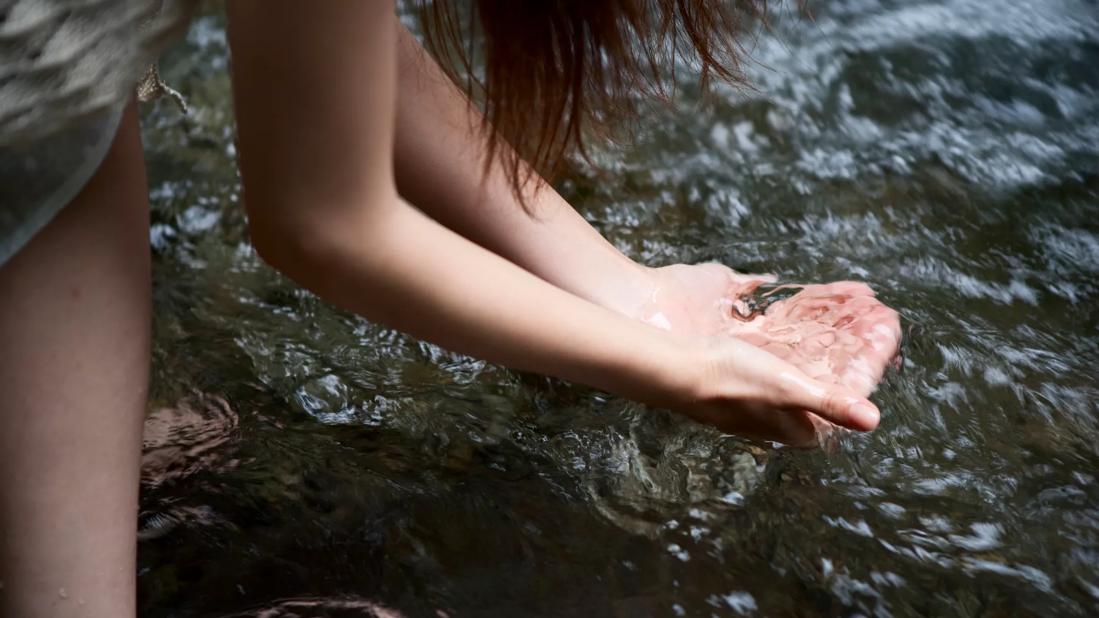
Raw water sounds innocent enough, doesn’t it? The name practically wears hiking boots and smells like pine needles. It promises “untouched” purity, “natural minerals,” and a refreshing sip straight from Mother Nature’s personal refrigerator. But here is the splash of reality: untreated spring water can also come with bacteria, parasites, viruses, chemicals, animal waste, farm runoff, and a microscopic guest list nobody invited.
The short answer: raw water is not reliably safe to drink. A clear mountain spring may look cleaner than city tap water, but your eyes are terrible microscopes. Water can sparkle like a luxury spa commercial and still carry organisms or contaminants that make your stomach stage a dramatic protest. In the United States, tap water and commercially bottled water are regulated and treated for safety. Raw spring water, collected directly from a spring, creek, stream, shallow well, or roadside pipe, is usually not.
This guide explains the dangers of drinking spring water, why “natural” does not automatically mean safe, how raw water differs from regulated bottled spring water, and what to do if you want safer water outdoors or at home.
What Is Raw Water?
Raw water generally means water that has not been filtered, disinfected, tested, or treated before drinking. It may come from a spring, stream, river, lake, shallow well, rain catchment, or another natural source. Fans of raw water often claim it tastes better, contains beneficial minerals, or avoids additives used in municipal water treatment.
There is a key distinction: commercial bottled spring water is not the same as DIY raw water. Bottled water sold in stores is subject to federal standards, manufacturing rules, source protection requirements, and testing. Water you collect from a spring in the woods, a roadside spout, or a private source with no verified testing is a different story. That story may begin with “Ah, refreshing!” and end with “Why am I Googling diarrhea at 3 a.m.?”
Why Untreated Spring Water Can Be Risky
Spring water is often groundwater that naturally emerges at the surface. That sounds clean, but groundwater and surface water can be influenced by soil, wildlife, septic systems, farms, industrial sites, flooding, aging pipes, and the geology of the area. Water does not become safe simply because it passed through rocks. Rocks are not tiny lifeguards.
Untreated water can contain two broad categories of hazards: biological contaminants and chemical contaminants. Biological contaminants include bacteria, viruses, and parasites. Chemical contaminants include nitrates, arsenic, lead, PFAS, pesticides, petroleum products, and other substances that may enter groundwater or surface water naturally or through human activity.
Common Germs Found in Untreated Water
Giardia
Giardia is a microscopic parasite commonly associated with contaminated water. It can cause giardiasis, an intestinal illness known for cramps, bloating, gas, nausea, and diarrhea. It is sometimes nicknamed “beaver fever,” which sounds like a children’s cartoon but feels like your digestive system filed a complaint with management.
Giardia can spread when water is contaminated with feces from infected people or animals. Backcountry streams, springs, lakes, and poorly protected wells may be vulnerable. Symptoms can appear days after exposure, which means you may not immediately connect your illness to that “pure” sip from a scenic spring.
Cryptosporidium
Cryptosporidium, often called Crypto, is another parasite that can survive in water and cause watery diarrhea, stomach cramps, dehydration, nausea, vomiting, fever, and weight loss. It is especially concerning for young children, older adults, pregnant people, and anyone with a weakened immune system.
Crypto is tough. Some disinfectants do not kill it easily, which is why reliable filtration and proper treatment matter. Drinking untreated spring water because it looks clean is like trusting a wolf because it brushed its fur.
E. coli and Other Bacteria
E. coli bacteria in water can indicate fecal contamination. Some strains can cause serious illness, including severe stomach cramps, diarrhea, vomiting, and, in rare cases, kidney complications. Other bacteria that may contaminate untreated water include Campylobacter, Salmonella, and Shigella.
These organisms may enter spring water through animal droppings, leaking septic systems, agricultural runoff, flooding, or poor source protection. A spring surrounded by deer, livestock, birds, raccoons, or humans is not exactly a sterile laboratory.
Viruses
Untreated water may also carry viruses such as norovirus or hepatitis A, especially when contaminated by human waste. Viral contamination can occur near failing septic systems, sewage leaks, crowded recreation areas, or flood-affected water sources. Unlike minerals, viruses do not improve the mouthfeel.
Chemical Dangers in Raw Spring Water
Nitrates
Nitrates can enter groundwater from fertilizer, animal manure, septic systems, and agricultural runoff. High nitrate levels are particularly dangerous for infants because they can interfere with the blood’s ability to carry oxygen, a condition sometimes called blue baby syndrome. Pregnant people and people with certain health conditions should also be cautious.
Nitrate contamination is especially tricky because water with high nitrate levels may look, smell, and taste normal. In other words, your nose cannot save you here.
Arsenic
Arsenic can occur naturally in groundwater depending on local geology. Long-term exposure to elevated arsenic in drinking water has been associated with increased risks of certain cancers and other health problems. Because arsenic has no obvious taste, color, or smell at harmful levels, testing is the only way to know whether a source is safe.
PFAS and Industrial Contaminants
PFAS, often called “forever chemicals,” are a group of human-made chemicals used in many products and industrial processes. They can contaminate groundwater near certain manufacturing sites, airports, military bases, landfills, and areas where contaminated sludge or wastewater has been spread. Some PFAS have been linked to immune, developmental, liver, and cancer-related concerns.
Raw water enthusiasts may worry about “chemicals” in treated tap water, but untreated water can contain chemicals toojust with less oversight, fewer test results, and no cheerful municipal water report arriving in your mailbox.
Lead, Radon, Manganese, and Other Minerals
Natural does not always mean gentle. Groundwater may contain elevated levels of manganese, radon, uranium, fluoride, or other naturally occurring substances depending on the region. Lead may enter water through plumbing, fixtures, or old pipes. Some minerals are harmless or even beneficial in small amounts, but too much of certain substances can be risky.
Why Clear Water Can Still Be Contaminated
One of the biggest myths about spring water safety is that clear water equals clean water. Unfortunately, many pathogens and chemicals are invisible. A glass of contaminated water can look as charming as a mountain postcard. You cannot see Giardia cysts, nitrate, arsenic, PFAS, or many bacteria with the naked eye.
Smell is not reliable either. Some contaminated water smells bad, but plenty of unsafe water has no odor. Taste is also a poor safety test. If your water tastes like metal, sulfur, gasoline, or a swamp wearing perfume, you should definitely avoid it. But if it tastes crisp and fresh, that still does not prove it is safe.
Raw Water vs. Tap Water: Which Is Safer?
In most U.S. communities, public tap water is regulated and routinely monitored. Municipal water systems test for many contaminants, treat water to reduce disease risk, and must notify the public when certain safety standards are not met. Tap water is not perfect, and problems can happen, especially with aging infrastructure, local contamination, or emergency events. But tap water has systems of accountability that raw water usually lacks.
Raw spring water may have no regular testing, no treatment, no public reporting, and no guarantee that conditions today match conditions last week. Heavy rain, flooding, wildfire runoff, nearby construction, wildlife activity, or a leaking septic tank can change water quality quickly.
Is Bottled Spring Water Safer?
Commercial bottled spring water is generally safer than untreated spring water collected on your own because it is regulated, processed, bottled under sanitary conditions, and tested. That does not mean bottled water is automatically superior to tap water, nor does it mean every brand is magically perfect. It simply means bottled spring water sold commercially is not the same as scooping water from a hillside pipe into a mason jar and calling it wellness.
If you like the taste of spring water, buy it from a reputable bottled water company or use a tested, treated source. If your goal is better-tasting water at home, a certified filter may be a safer and more practical choice than joining the “mystery microbes of the month” club.
Who Is Most at Risk From Drinking Raw Water?
Anyone can get sick from untreated water, but some groups face higher risks of severe illness. These include infants, young children, older adults, pregnant people, people with weakened immune systems, people with chronic diseases, and anyone taking medications that affect immunity. For these groups, raw water is not a quirky wellness experiment; it can be a serious health hazard.
Outdoor athletes, campers, hikers, and travelers are also at risk if they drink from untreated springs, streams, or lakes without proper water treatment. The more remote the scenery, the more tempting the sipbut also the harder it may be to get help if illness becomes severe.
Can You Make Spring Water Safe to Drink?
Sometimes, yesbut “sometimes” is doing a lot of work. The safest approach depends on the contaminants present. Different treatment methods handle different problems.
Boiling
Boiling water is one of the most reliable ways to kill many disease-causing organisms, including bacteria, viruses, and parasites. A common emergency rule is to bring water to a rolling boil for at least one minute, or longer at high elevations. Boiling is helpful for germs, but it does not remove chemical contaminants such as arsenic, nitrate, lead, or PFAS. In some cases, boiling can even concentrate certain chemicals as water evaporates.
Filtration
Portable filters can reduce many parasites and bacteria, depending on the filter’s pore size and certification. However, not all filters remove viruses or chemicals. A backpacking filter that handles Giardia may not remove nitrate or arsenic. A pitcher filter that improves taste may not make unsafe spring water safe.
UV Treatment
Ultraviolet treatment can inactivate many bacteria, viruses, and parasites when used properly. It requires clear water, charged batteries, and correct contact time. Muddy water, device failure, or user error can reduce effectiveness.
Testing
For a spring, private well, or household source, laboratory testing is essential. Basic testing often includes total coliform bacteria, E. coli, nitrates, pH, and total dissolved solids. Depending on location, testing may also be needed for arsenic, lead, manganese, uranium, radon, pesticides, VOCs, or PFAS. One clean test does not guarantee permanent safety because water quality can change over time.
When Should You Avoid Spring Water Completely?
Avoid drinking spring water if the source is untested, located near farms or livestock, near septic systems, downstream from campgrounds, near industrial areas, affected by flooding, cloudy, discolored, smelly, or connected to old pipes. Also avoid water from decorative fountains, roadside spouts with no official testing, abandoned wells, and any source with a “drink at your own risk” vibe. When a sign says “not potable,” believe it. The sign is not being dramatic.
If you are hiking or camping, carry safe water when possible. If you must use natural water, treat it properly using a method suited to the risks in that area. Do not assume that high elevation, fast flow, cold temperature, or a beautiful view equals safe drinking water.
What About Minerals and “Living Water” Claims?
Raw water marketing often leans on phrases such as “living water,” “structured water,” “alkaline minerals,” or “untouched by civilization.” These phrases can sound impressive, but they do not prove safety or health benefits. Your body needs water, not a motivational speech from a stream.
Minerals like calcium and magnesium can be present in water, but most people get minerals from food and a balanced diet. The possible mineral content of raw spring water does not cancel out the risk of pathogens or chemical contaminants. A tiny mineral benefit is not a good trade for a week of gastrointestinal chaos.
Signs You May Have Gotten Sick From Contaminated Water
Symptoms of waterborne illness can include diarrhea, stomach cramps, nausea, vomiting, fever, fatigue, dehydration, bloating, and loss of appetite. Symptoms may appear within hours or may take days or weeks, depending on the germ. Seek medical care if symptoms are severe, last more than a few days, include bloody diarrhea, involve high fever, or occur in a high-risk person such as an infant, older adult, pregnant person, or immunocompromised individual.
Dehydration is a major concern with diarrhea and vomiting. Watch for dizziness, dry mouth, very dark urine, confusion, rapid heartbeat, or inability to keep fluids down. In those cases, do not try to “tough it out” like a wilderness influencer with a ring light. Get help.
Practical Tips for Safer Drinking Water
If you are worried about your home tap water, start with facts. Review your local water quality report, contact your water utility, or use a certified lab for testing. If you use a private well, test it regularly and after flooding, repairs, nearby construction, or changes in taste, smell, or appearance. Choose filters certified for the specific contaminants you want to reduce.
For outdoor trips, bring enough water or carry a reliable treatment system. Consider combining methods, such as filtration plus disinfection, especially when viral contamination is possible. Store treated water in clean containers, keep dirty and clean equipment separate, and wash your hands before handling drinking water. Hygiene matters; even perfectly treated water can be contaminated by dirty hands or bottles.
Personal Experiences and Real-Life Lessons About Raw Water
Ask anyone who has spent enough time hiking, camping, farming, or living with a private well, and you will hear a familiar pattern: the water looked fine until it was not. One family might drink from a cabin spring for years without obvious trouble, then after a heavy rainstorm, someone gets sick. Another person might fill bottles at a roadside spring because locals swear it is “the best water around,” only to discover later that no one has tested it since flip phones were considered advanced technology.
One common experience involves hikers who underestimate how quickly water quality can change. A clear stream near the trail may look untouched, but upstream there may be wildlife, a dead animal, a leaking pit toilet, or other hikers washing dishes. The water does not send a memo. It simply keeps flowing, carrying whatever entered it along the way. Many backpackers learn this lesson once, usually while becoming deeply familiar with every tree near their campsite.
People with rural properties often tell a similar story about private wells and springs. The water may taste cold, sweet, and better than anything from a city faucet. But testing sometimes reveals coliform bacteria, nitrates, arsenic, or other contaminants. The surprise is understandable because many contaminants do not announce themselves. No smell. No color. No suspicious floating villain with a tiny mustache. Just normal-looking water that fails a lab test.
Parents tend to become especially cautious after learning about nitrate risks for infants. A glass of untreated well or spring water may seem wholesome, but babies are more vulnerable to certain contaminants. Mixing infant formula with untested water can be risky. Many families who rely on private water sources choose regular testing, proper filtration, and bottled or treated water for infants because peace of mind is worth more than rustic charm.
Another real-life lesson comes from emergency situations. After floods, hurricanes, wildfires, or major storms, natural water sources can become contaminated by sewage, ash, fuel, chemicals, and debris. A spring that was safe last month may not be safe after a disaster. Even municipal systems may issue boil-water notices when treatment or pressure is disrupted. In those moments, following public health guidance is not overreacting; it is basic survival with fewer stomach cramps.
There is also the “wellness trend” experience. Some people try raw water because they want something more natural than treated tap water. The intention may be reasonable: people want clean, good-tasting water and fewer unknown chemicals. But skipping treatment is not the safest way to reach that goal. A better approach is testing, targeted filtration, and using regulated sources. You can care about water quality without drinking roulette from a hillside pipe.
The most useful takeaway from these experiences is simple: respect water. It is essential, beautiful, and powerful, but it is not automatically safe because it came from nature. Nature also makes poison ivy, lightning, and raccoons that look cute until they remember they are raccoons. Spring water can be part of a healthy life when it is properly tested and treated. Without that, it is a gamble in a glass.
Conclusion: Is Raw Water Safe?
Raw water is not reliably safe to drink. Untreated spring water may contain bacteria, parasites, viruses, and chemical contaminants that cannot be detected by sight, smell, or taste. While the idea of drinking pure water from nature is appealing, public water treatment exists for a very good reason: it prevents disease.
If you love the taste of spring water, choose regulated bottled spring water or use properly tested and treated sources. If you rely on a private well or spring, test regularly and use treatment systems matched to your actual water quality results. And if you are outdoors, treat natural water before drinking it. Your stomach, immune system, and future self will send a thank-you note.