Fashion cycles spin faster than a washing machine with a brick inside, yet some cultural movements refuse to disappear. They evolve, recruit new generations, borrow better technology, and occasionally sell you a limited-edition hoodie. From punk’s hand-stapled zines to cosplay armor made with 3D printers, enduring subcultures survive because they provide more than an attractive outfit. They offer identity, community, creative freedom, and a shared language.
Why Some Cultural Trends Outlive the Hype
A fad asks people to buy something. An enduring movement invites them to become something. That difference explains why certain trends vanish after one summer while others keep returning in new forms.
Long-lasting subcultures usually have several ingredients in common: recognizable values, rituals, gathering places, creative output, and a way for experienced members to teach newcomers. Their music and clothing may change, but the underlying need remains remarkably stable. People want to belong without completely blending in.
Digital platforms have accelerated this process. A teenager no longer needs to live near a famous nightclub, record store, skatepark, or convention center to discover an underground culture. Music archives, tutorials, online communities, livestreams, and resale platforms can turn a local scene into a worldwide network. The internet did not eliminate subcultures; it gave them faster transportation.
Top 10 Enduring Trends, Movements, and Subcultures
1. Punk and the Do-It-Yourself Ethos
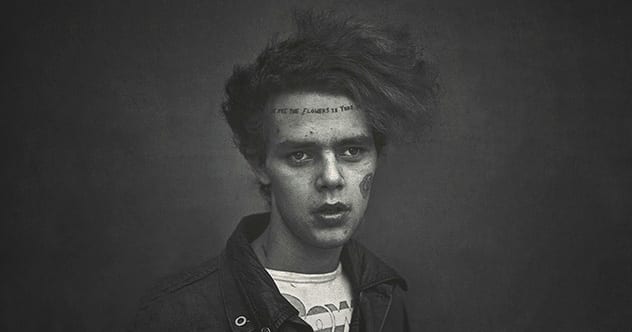
Punk emerged during the 1970s as a loud rejection of polished commercial rock, social conformity, and the idea that creativity required permission from an established gatekeeper. Early punk scenes formed around inexpensive performances, independent record labels, homemade clothing, photocopied flyers, and fan-produced zines.
The music mattered, but the do-it-yourself philosophy proved even more durable. Punk taught generations of artists that imperfect action could be more powerful than professional hesitation. That principle now appears in independent publishing, bedroom recording, underground fashion, community organizing, podcasting, and microbudget filmmaking.
Leather jackets, patched denim, safety pins, and dramatic hair remain recognizable symbols, but punk’s true legacy is methodological: make the thing yourself, share it directly, and do not wait for a committee to declare you interesting. Considering what committees usually produce, this remains excellent advice.
Research basis:
2. Hip-Hop Culture
Hip-hop developed in New York City during the 1970s, particularly through Black and Latino communities in the Bronx. Block parties and neighborhood gatherings brought together DJing, MCing, breaking, graffiti, fashion, and verbal storytelling. These elements transformed limited resources into a cultural system with global reach.
Its endurance comes from adaptability. Hip-hop can be celebratory, political, autobiographical, competitive, humorous, or commercially ambitioussometimes within the same song. It also gives participants multiple ways to contribute. A person may rap, dance, produce beats, design clothing, paint murals, document the scene, or build a business around it.
Hip-hop now influences advertising, sports, language, visual art, luxury fashion, film, and political communication. Yet its most important engine remains community storytelling: people documenting where they live, what they have endured, and how they see the world.
Research basis:
3. Goth Culture
Goth grew from late-1970s and early-1980s post-punk, developing around dark music, theatrical fashion, gothic literature, horror imagery, and a taste for romantic melancholy. It offered space for people who found conventional cheerfulness exhaustingor at least suspiciously enthusiastic.
Although outsiders often reduce goth to black clothing and dramatic eyeliner, the culture has always been broader. Music, poetry, architecture, film, philosophy, club nights, and handmade fashion help members explore beauty, mortality, alienation, and imagination.
Goth has survived because it can absorb new influences without surrendering its identity. Traditional goth, deathrock, industrial, darkwave, cyber-goth, romantic goth, and pastel variations may look different, but each turns perceived otherness into creative expression. The scene also spans generations, proving that black remains fashionable long after teenage angst develops a retirement account.
Research basis:
4. Skateboarding Culture
Skateboarding evolved from a recreational novelty into a sport, art form, design laboratory, and global subculture. Technical innovations such as urethane wheels helped make skateboards more controllable, while skaters continually reinvented how urban spaces could be used.
The culture values experimentation, persistence, individual style, and a certain willingness to meet concrete at an unfortunate speed. Tricks are learned through repetition, observation, failure, and informal mentoring. Skate videos, magazines, local shops, parks, crews, and competitions preserve knowledge while allowing each generation to add something new.
Skateboarding also intersects naturally with punk music, street photography, graphic design, footwear, and independent media. Even as it entered mainstream sports and international competition, its creative core remained intact: see an ordinary staircase, railing, or empty pool and imagine an entirely different purpose for it.
Research basis:
5. Sneakerhead and Streetwear Culture
Sneakers began as functional athletic footwear but became powerful symbols of identity, status, geography, music, and personal taste. Basketball stars, hip-hop performers, designers, skateboarders, and collectors helped transform particular shoes into cultural artifacts.
Sneakerhead culture thrives on knowledge. Enthusiasts study model histories, colorways, collaborations, manufacturing details, athlete associations, release dates, and authenticity markers. A casual observer sees two nearly identical shoes; a collector sees a rare regional release, a disputed redesign, and a resale-market argument waiting to happen.
Streetwear expanded this logic into a broader fashion movement built around graphic shirts, hoodies, workwear, sportswear, limited releases, and collaborations. It endures because it merges accessibility with exclusivity. Almost anyone can participate, but mastering the cultural references requires time, attention, and sometimes an alarm set for a painfully early online product drop.
Research basis:
6. Gaming and Geek Fandom
Video gaming has moved from arcades and bedroom consoles into a massive social ecosystem encompassing online multiplayer worlds, livestreaming, competitive esports, fan art, modifications, speedrunning, collecting, and game development.
The geek label has also been reclaimed. Interests once treated as socially marginalfantasy novels, tabletop games, superheroes, science fiction, anime, and intricate fictional lorenow support enormous communities. Yet fandom remains more than commercial entertainment. Members write stories, analyze imaginary histories, produce podcasts, build costumes, organize tournaments, and form friendships around shared interests.
Pew Research Center reported in 2024 that 85% of U.S. teenagers played video games, while 72% of teen players said spending time with others was one reason they played. These numbers help explain gaming culture’s staying power: it is not merely screen time but social time, creative time, and occasionally “I promise this is the last match” time.
Research basis:
7. Cosplay and Convention Culture
Costumed fandom has deeper roots than many people realize. Fans wore imaginative handmade costumes at the 1939 World Science Fiction Convention in New York, decades before the word “cosplay” became common. Today, cosplay combines fandom, performance, photography, makeup, sewing, prop building, digital design, and community theater.
The culture rewards both accuracy and interpretation. One cosplayer may recreate every buckle of a character’s costume, while another reimagines that character in historical dress, formalwear, armor, or an entirely different genre. Participation ranges from simple closet cosplay to elaborate builds involving foam, electronics, resin, programmable lights, and enough hot glue to alarm a building inspector.
Cosplay endures because it turns spectators into creators. Fans do not merely watch a story; they temporarily step inside it. Conventions then provide physical spaces where online friendships, artistic skills, and shared fictional worlds become tangible.
Research basis:
8. The Maker Movement
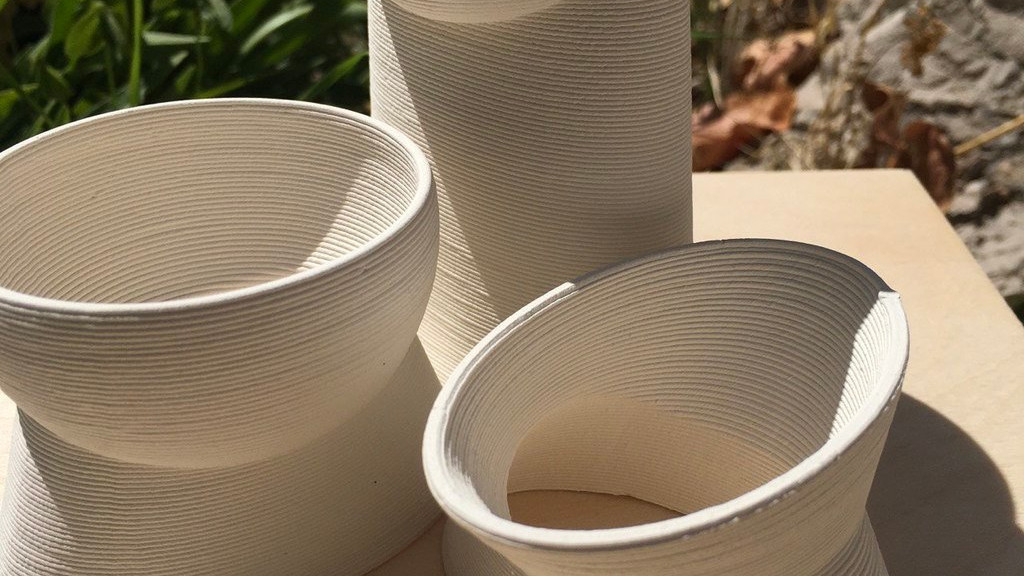
The maker movement extends traditional do-it-yourself culture through modern technologies such as affordable microcontrollers, laser cutters, digital design software, robotics kits, and 3D printers. It brings engineers, artists, craftspeople, teachers, hobbyists, and curious beginners into shared workshops and online learning communities.
Its central belief is simple: people understand objects and systems more deeply when they build, repair, modify, or disassemble them. A maker project might involve constructing a robot, restoring a radio, sewing wearable electronics, designing accessible tools, or turning discarded components into something useful.
The movement gained momentum in the early 2000s through open-source platforms, Make: magazine, makerspaces, and Maker Faire events. However, its appeal is older than any particular machine. Human beings enjoy solving practical problems with their handsespecially when the instructions begin with “This should work” and end with a fire extinguisher nearby.
Research basis:
9. Environmentalism and Sustainable Living
Modern American environmentalism gained tremendous public visibility around the first Earth Day in 1970. The movement helped make pollution, conservation, public health, recycling, environmental justice, and corporate accountability major political and cultural concerns.
Environmentalism has persisted because it can operate at several levels. National organizations advocate for policy changes, local groups protect neighborhoods and ecosystems, and individuals adopt practices such as repairing products, reducing waste, conserving energy, gardening, biking, thrifting, and choosing reusable materials.
Sustainable living has also influenced architecture, transportation, food culture, fashion, and product design. Not every green trend produces meaningful results, of course. Buying twelve reusable water bottles to demonstrate minimalism may indicate that the mission has wandered slightly. Still, the larger movement continues to connect personal choices with collective responsibility.
Research basis:
10. Yoga, Mindfulness, and Modern Wellness Culture
Yoga and meditation have ancient histories, but their modern American forms have become a broad cultural movement involving studios, retreats, apps, workplace programs, community classes, fitness practices, and mental wellness routines.
According to the National Center for Complementary and Integrative Health, the percentage of U.S. adults practicing yoga increased from 5% in 2002 to 15.8% in 2022. Earlier national data also found substantial growth in meditation use. These practices endure partly because people can adapt them to different ages, physical abilities, schedules, beliefs, and personal goals.
The wellness industry sometimes wraps simple habits in expensive packaging, but the underlying appeal is understandable. Many people want deliberate pauses in lives dominated by alerts, deadlines, and screens. Breathing slowly may not solve every problem, but it is cheaper than throwing a phone into a lake.
Research basis:
What These Enduring Cultures Have in Common
Although these movements look dramatically different, their survival depends on similar cultural mechanics. Each gives members a vocabulary, a collection of symbols, and activities that can be practiced rather than merely purchased.
They also make room for progression. Newcomers can start with an affordable skateboard, a favorite album, a beginner yoga class, a thrifted outfit, an entry-level game, or a simple costume. Over time, they develop knowledge and skills that deepen their connection to the community.
Most importantly, enduring subcultures allow reinterpretation. Hip-hop producers sample older recordings. Goth musicians combine post-punk with electronic sounds. Makers blend traditional crafts with digital tools. Cosplayers redesign established characters, while environmental advocates connect decades-old conservation principles with new technologies.
A culture remains alive when its members can honor its history without becoming trapped inside it.
Experiencing Enduring Trends and Subcultures in Real Life
The First Step Often Feels Surprisingly Ordinary
Joining a subculture rarely begins with a cinematic transformation. More often, someone hears a song recommended by a friend, watches a skate video, attends a small convention, downloads a game, or walks into a community workshop. The first experience may be awkward. Everyone else appears to know the vocabulary, the influential creators, and the unwritten rules.
That discomfort is part of the process. Enduring cultures contain layers that reveal themselves gradually. A new punk listener discovers independent labels and zines. A casual gamer learns about modification communities and speedrunning. Someone practicing yoga for exercise may eventually explore breathing techniques, philosophy, or meditation.
Community Changes the Meaning of the Activity
Practicing alone can be enjoyable, but participating with others gives these movements their emotional weight. A skatepark becomes more than a concrete facility when experienced skaters encourage a beginner attempting the same trick for the twentieth time. A cosplay convention becomes more than a merchandise hall when strangers recognize an obscure character and react as though they have discovered a long-lost relative.
Gaming communities provide similar connections. Cooperative missions, tabletop campaigns, fan forums, and local tournaments create recurring social rituals. The activity supplies an immediate topic of conversation, reducing the pressure of introducing oneself without context. “What are you playing?” is often easier to answer than “Who are you as a person?”especially before coffee.
Making Something Creates a Stronger Connection
The most memorable experiences frequently involve production rather than consumption. Printing a first zine, repairing a vintage jacket, designing a skateboard graphic, programming a small robot, or sewing a costume gives participants a tangible record of their progress.
These projects are rarely perfect. Seams wander, paint cracks, circuits refuse to cooperate, and homemade props occasionally resemble kitchen appliances from distant planets. Yet flaws can strengthen attachment because the finished object contains a personal story. It records decisions, mistakes, improvisations, and lessons that cannot be duplicated by ordering a factory-made product.
Public Events Turn Identity Into Shared Experience
Concerts, conventions, competitions, festivals, environmental cleanups, maker fairs, and group classes allow participants to see the scale and diversity of a movement. Online communities may introduce people, but physical gatherings activate sound, movement, clothing, space, and collective emotion all at once.
A person attending a goth night may notice that the crowd includes teenagers, parents, artists, office workers, and longtime fans who have followed the music for decades. Someone visiting a maker fair may encounter handmade instruments, educational robots, recycled sculptures, and inventions designed to improve accessibility. These experiences challenge stereotypes by revealing how broad a supposedly narrow subculture can become.
Belonging Does Not Require Total Commitment
Participation is not an entrance exam. Someone can appreciate hip-hop history without becoming an MC, enjoy streetwear without owning rare sneakers, practice meditation without attending a retreat, or cosplay once a year without turning the dining room into a permanent prop-building facility.
The healthiest cultural experiences leave room for curiosity. People can participate at different levels, learn from the communities that created a movement, and avoid treating culture as a costume that can be worn without context. Respectful involvement means recognizing origins, crediting innovators, listening to longtime participants, and contributing something positive.
Ultimately, enduring subcultures offer a useful human experience: the chance to become more individual through connection with other people. They remind us that belonging and independence are not opposites. Sometimes the best way to discover a personal voice is to enter a room full of people speaking a shared cultural languageand then add a sentence of your own.
Experience analysis informed by community findings:
Conclusion
The most enduring trends, movements, and subcultures survive because they answer needs that do not expire. People want creative freedom, meaningful rituals, practical skills, recognizable symbols, and communities that welcome forms of identity ignored by the mainstream.
Punk, hip-hop, goth, skateboarding, sneaker culture, gaming, cosplay, the maker movement, environmentalism, and modern wellness have all changed dramatically since their early years. Commercialization has altered them, technology has accelerated them, and each generation has debated who or what counts as authentic.
Those arguments are sometimes exhausting, but they also prove that people care. A dead trend does not inspire debates about its future. An enduring culture doesand then somebody prints the argument on a shirt, remixes it into a song, builds a convention panel around it, or uploads a 47-minute video analysis.
Note: This article synthesizes established cultural history and contemporary research. Individual practices and experiences vary across communities, locations, and generations.