If most Dutch ovens are practical workhorses, the Outlaw Schmitz cast iron Dutch oven is the workhorse that also showed up wearing a designer jacket and somehow pulled it off. This is not just another heavy pot for chili, bread, and Sunday braises. It is a design object with serious cooking credentials, the kind of cookware that makes you want to clear a shelf, dim the kitchen lights a little, and pretend your weeknight beans are starring in an indie food documentary.
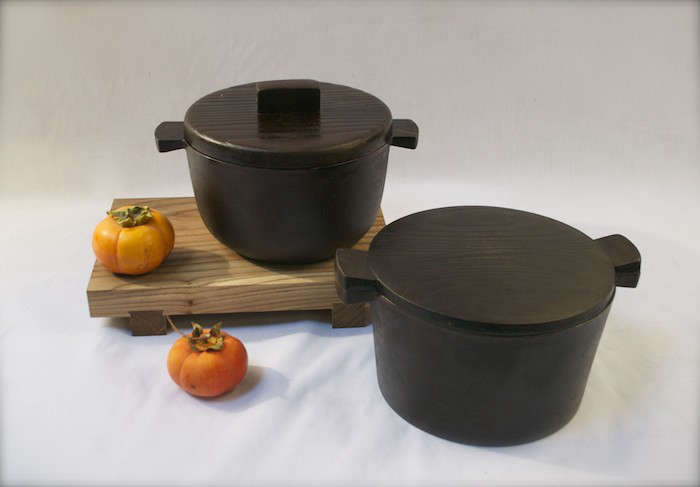
What makes the Outlaw Schmitz cast iron Dutch oven interesting is that it sits right at the intersection of utility and craftsmanship. Designed by sculptor Gay Outlaw and woodworker Bob Schmitz, the pot has been described in archival coverage as a small-batch cast iron piece made in Oakland, California, using recycled iron. It was also noted for details that feel unusually artistic for cookware, including a wood-grain pattern on the lid and the option of a round or squared-bottom form. In a market crowded with enameled classics and factory-perfect finishes, this one stands out by looking proudly tactile, raw, and deeply handmade.
That alone would make it worth a second look. But if you are thinking about whether this Dutch oven matters beyond design nerd circles, the answer is yes. A well-made cast iron Dutch oven is one of the most versatile pieces in any kitchen. It can sear, braise, roast, bake bread, fry, simmer, and hold heat like it has a personal grudge against temperature loss. The Outlaw Schmitz version takes that familiar usefulness and wraps it in a story about American making, material honesty, and the kind of slow-living appeal that never really goes out of style.
What Exactly Is the Outlaw Schmitz Cast Iron Dutch Oven?
The Outlaw Schmitz cast iron Dutch oven is a compact, design-driven cast iron pot associated with Workshop Residence and the collaborative work of Gay Outlaw and Bob Schmitz. Public product descriptions from its early coverage note that both the round and squared versions held 3 quarts, came lightly oiled with canola oil, and required pre-seasoning before regular use. It was reportedly cast in small batches at AB&I Foundry in Oakland using 99% recycled iron, which adds a sustainability angle that feels refreshingly real rather than slapped on with a green sticker and a marketing grin.
A 3-quart Dutch oven is an interesting size. It is not the giant family reunion pot that swallows an entire short rib feast, and it is not a tiny decorative cocotte that looks cute but taps out after half a soup recipe. It sits in the sweet spot for smaller kitchens, couples, solo cooks who enjoy leftovers, and anyone who wants a pot that can move from stovetop to oven to table without requiring a deadlift certification.
That size also reinforces the piece’s personality. The Outlaw Schmitz Dutch oven feels less like a generic “one-size-fits-all” cookware purchase and more like a deliberately chosen object. It is for the cook who likes tools with a point of view.
Why Cast Iron Dutch Ovens Still Matter
Dutch ovens have hung around for so long because they earn their cabinet space. Cast iron retains heat exceptionally well, distributes it steadily once it gets hot, and excels at the kind of cooking that rewards patience: braises, stews, soups, no-knead bread, beans, tomato sauces, roasts, and deep frying. In other words, it is the kitchen equivalent of a dependable old truck, except this one can also bake a beautiful loaf of sourdough.
Modern buying guides from U.S. food publications still treat the Dutch oven as a near-essential piece of cookware. That is because the format works. A heavy base helps develop a hard sear on meat, the tall walls reduce splatter, and the tight-fitting lid traps moisture so tougher cuts can cook low and slow until they become tender enough to make people suspicious of your skill level. If dinner guests ask whether you secretly went to culinary school, the Dutch oven has done its job.
Where the Outlaw Schmitz version differs from many mainstream favorites is material finish. Today’s best-known premium Dutch ovens are often enameled cast iron, which means easier cleanup and no seasoning requirement. Raw cast iron, by contrast, asks for a little more commitment. You season it, dry it carefully, oil it lightly, and build up its cooking surface over time. Some cooks see that as maintenance. Others see it as a relationship. The second group usually owns good knives and talks lovingly about crust.
Design That Feels More Like Studio Craft Than Mass Cookware
The biggest reason the Outlaw Schmitz cast iron Dutch oven still sparks curiosity is simple: it does not look like a typical Dutch oven. Most cast iron pots chase either rustic familiarity or polished French elegance. This one leans into sculpture. The lid pattern has the visual warmth of wood grain, while the overall shape feels cleaner and more architectural than the average utility-first pot.
That matters more than it sounds. Good cookware should cook well, obviously, but it also lives in your home. It sits on the stove, lands on the dining table, and sometimes stays in plain sight because kitchen storage is not infinite and because life is too short to hide every pretty thing in a cabinet. A Dutch oven with visual character becomes part of the room. The Outlaw Schmitz pot appears designed with that in mind.
There is also a broader appeal here for buyers who love artisan cookware. Handmade or small-batch kitchen pieces often carry subtle irregularities, texture, and presence that mass-market cookware tries to sand away. That is not a flaw. That is the charm. In the best cases, it makes the object feel used before it is even used, as if it arrives with a little gravity already built in.
How It Compares to Enameled Favorites
Outlaw Schmitz vs. Le Creuset or Staub
If you are comparing the Outlaw Schmitz Dutch oven to Le Creuset or Staub, the first difference is maintenance. Enameled Dutch ovens are easier for acidic dishes, easier to wash, and less fussy about rust. They are the popular dinner-party overachievers. Raw cast iron is more old-school. It develops character, can be seasoned and re-seasoned, and often feels more elemental to cook with.
The second difference is vibe, and yes, vibe matters. Le Creuset and Staub are iconic, polished, and widely available. Outlaw Schmitz is more niche, more design-forward, and more likely to appeal to someone who values provenance as much as performance. If the French classics are luxury sedans, this is the beautifully restored handmade machine with visible joinery and a story worth telling.
Outlaw Schmitz vs. Lodge
Compared with Lodge, the Outlaw Schmitz piece looks less like rugged everyday cookware and more like collectible studio craft. Lodge has earned its reputation for reliability, accessibility, and practical American cast iron. The Outlaw Schmitz Dutch oven, by contrast, feels like the cast iron pot you buy when you already know what cast iron can do and want a version with more personality.
That does not automatically make it “better” for every cook. If you want maximum capacity and minimum fuss for the lowest price, Lodge is hard to argue with. If you want a compact, beautifully made pot that doubles as conversation starter and heirloom object, Outlaw Schmitz is in a different lane entirely.
Best Uses for a 3-Quart Cast Iron Dutch Oven
The 3-quart capacity makes this pot especially appealing for focused, everyday cooking. It is ideal for:
Small-Batch Braises
Think chicken thighs with onions and cider, pork shoulder for tacos, or short ribs for two very lucky people. A smaller vessel keeps ingredients cozy, which helps liquids reduce and flavors concentrate.
Soups, Stews, and Beans
Cast iron excels at steady simmering. The Outlaw Schmitz Dutch oven should be right at home with lentil soup, white beans with garlic and herbs, black bean stew, or tomato-based braises once the seasoning is well established.
Bread Baking
Dutch ovens are beloved for bread because the lid traps steam, helping create oven spring and a crisp crust. A smaller pot can be excellent for compact boules and rustic loaves that look like they came from a bakery that charges extra for paper bags.
Roasting and Deep Frying
Cast iron’s heat retention makes it well suited for frying and roasting. Chicken parts, roasted vegetables, confit-style dishes, and shallow frying all make sense here. The pot’s weight and thermal stability help food cook more evenly and maintain temperature once heated.
Seasoning, Care, and the Bare Cast Iron Learning Curve
Here is the part where raw cast iron separates the romantics from the impulse shoppers. The Outlaw Schmitz Dutch oven was described as arriving lightly oiled and requiring pre-seasoning. That means it is not a grab-it-and-boil-pasta-on-day-one kind of pot. It wants an introduction.
Seasoning is simply oil polymerized onto the iron through heat, creating a protective layer and improving release over time. The process sounds intimidating until you realize it is mostly a matter of applying a very thin coat of oil, heating the pot properly, and repeating as needed. The biggest rookie mistake is using too much oil and accidentally creating a sticky finish that feels like the cookware equivalent of a bad hair product.
For ongoing care, the fundamentals are straightforward:
- Wash by hand.
- Dry thoroughly.
- Warm the pot briefly to evaporate hidden moisture.
- Rub on a whisper-thin layer of oil before storing.
- Do not leave it soaking in water like it insulted you and deserves punishment.
With a well-seasoned bare cast iron Dutch oven, you also want to be somewhat mindful about highly acidic, long-simmering foods, especially early on. Once the seasoning matures, the pot becomes more forgiving. That evolving surface is part of the appeal. An enameled pot stays the same. A raw cast iron pot becomes more itself.
Who Should Buy an Outlaw Schmitz Cast Iron Dutch Oven?
This is not the obvious pick for every home cook, and that is precisely why it is so compelling.
You should consider an Outlaw Schmitz cast iron Dutch oven if you love artisan cookware, appreciate American-made objects, and enjoy the ritual of cooking as much as the result. It is especially appealing if you are drawn to pieces that bridge kitchenware and design collectible, or if you want a Dutch oven that feels less mass produced and more personally chosen.
It also makes sense for smaller households and design-conscious cooks who do not need a giant capacity. A 3-quart pot is far more practical than many people think. It handles a surprising range of tasks while remaining easier to lift, store, and use regularly.
You may want something else if you prefer zero-fuss maintenance, cook large family meals every weekend, or plan to make lots of acidic braises from day one. In that case, a larger enameled Dutch oven may be more forgiving. There is no shame in choosing convenience. Your sink has seen enough already.
Why This Dutch Oven Still Has SEO-Worthy Appeal Today
Search interest in cast iron Dutch ovens remains strong because the category hits several durable themes at once: heirloom cookware, slow cooking, bread baking, sustainable materials, and timeless kitchen design. The Outlaw Schmitz cast iron Dutch oven adds another angle that searchers love: rarity. It is not just useful; it is distinctive.
That gives the piece lasting editorial appeal. It speaks to readers searching for the best cast iron Dutch oven, handmade Dutch oven cookware, artisan kitchen gifts, or unique American-made cookware. It also reaches a design audience that may not normally care about cookware reviews but absolutely cares about beautiful objects with honest materials and a good backstory.
In other words, the Outlaw Schmitz Dutch oven is not just about what you cook. It is about how you want your kitchen to feel. Practical, yes. Personal, absolutely. A little dramatic? Sure, but in the best way.
Experiences Related to the Outlaw Schmitz Cast Iron Dutch Oven
Living with a pot like the Outlaw Schmitz cast iron Dutch oven would likely feel different from living with ordinary cookware, and that difference starts before the first meal. The first experience is not cooking at all. It is preparation. You take the pot out, notice the weight, run your fingers over the texture, and realize this is not a “use once and forget in the back cabinet” kind of piece. Because it begins with seasoning, ownership starts with a ritual. That first slow heating session becomes part initiation, part promise. You are not just buying a pot; you are agreeing to participate in its life.
Then comes the first real dish. Maybe it is a simple pot of beans, maybe a small braise, maybe a loaf of bread because every Dutch oven eventually gets recruited into a bread-making side hustle. What stands out is the steadiness. Cast iron does not rush. Once hot, it holds its temperature with reassuring confidence. Searing onions, browning meat, or letting garlic melt into oil all feel a little more controlled, a little more grounded. You start to understand why cooks get sentimental about cookware, which is a sentence that sounds ridiculous until you have tasted what a properly heated heavy pot can do to a humble stew.
There is also the visual experience. Most cookware disappears into the background. The Outlaw Schmitz Dutch oven does not. It would look good sitting on the stove even when empty, and on the table it would not need a trivet so much as an introduction. Guests would ask about it. You would give the short version at first, then the longer version if they looked genuinely interested: designed by Gay Outlaw and Bob Schmitz, small-batch cast iron, Oakland roots, wood-grain lid detail, raw material honesty. Suddenly dinner has a subplot.
Another experience would be the slow build of familiarity. Over time, a raw cast iron pot teaches you its moods. You learn how much preheating it likes. You learn which foods release cleanly and which need patience. You learn that cleanup is less about scrubbing aggressively and more about respecting the material. Dry it well. Oil it lightly. Put it away warm. That routine becomes oddly satisfying. In a world full of disposable kitchen stuff, this kind of care feels less like a burden and more like a quiet act of resistance.
Perhaps the best experience tied to a pot like this is how it changes the pace of cooking. A Dutch oven does not beg for frantic multitasking. It invites slower recipes, deeper flavors, and meals that fill the house with the kind of smell that makes people wander into the kitchen “just to check on things.” A chicken braise bubbles lazily. Bread crackles as it cools. Chili tastes even better the next day. The pot becomes associated with comfort, repetition, and meals that are not flashy but memorable. That is the magic of cast iron at its best. It does not merely cook food. It helps create kitchen habits, table rituals, and the kind of domestic moments people remember long after the dishes are done.
Conclusion
The Outlaw Schmitz cast iron Dutch oven is not trying to be the loudest or most mainstream pot in the cookware world. It wins on something more enduring: character. With its small-batch roots, raw cast iron build, artistic detailing, and deeply practical form, it offers a compelling alternative to more conventional Dutch ovens. It asks a little more from the cook, yes, but it gives something back too: a stronger sense of connection, a more tactile cooking experience, and a piece of cookware that feels personal from the start.
For the right buyer, that combination is hard to beat. If you want a Dutch oven that can braise, bake, roast, and fry while also looking like it belongs in a design gallery that happens to serve very good stew, the Outlaw Schmitz cast iron Dutch oven is a memorable contender.