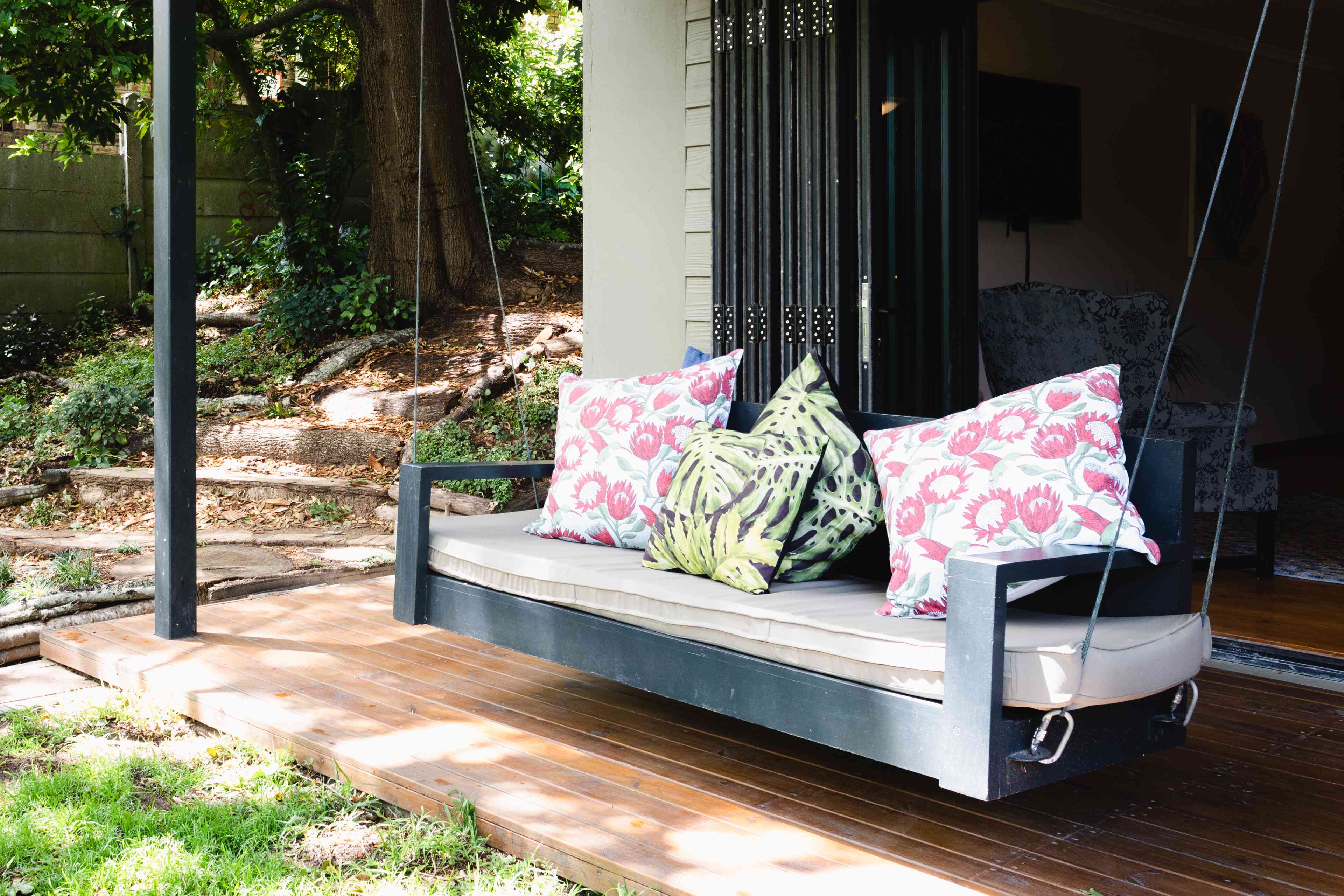
There are two kinds of people in this world: people who already have a porch swing, and people who suspiciously keep lingering on porches that do. If you’re ready to join the breezy, iced-tea-sipping, sunset-watching club, good news: you don’t need a fancy workshop or a custom furniture budget to get there. There are plenty of free porch swing plans that make it possible to build one at home, whether you want a classic slatted seat, a modern hanging bench, or a daybed-style swing roomy enough for a nap and a dramatic sigh.
The best part is that today’s free porch swing plans are not vague little sketches scribbled on the back of a lumber receipt. Many include diagrams, cut lists, shopping lists, finishing tips, and step-by-step instructions. Some are ideal for first-time builders, while others are better for woodworkers who enjoy a little challenge and don’t panic when a plan mentions pocket holes, arm supports, or curved back slats.
Below, you’ll find 13 porch swing plan styles worth building at home, plus smart tips on choosing the right design, hanging it safely, and making it look like it came from a boutique outdoor catalog instead of “my garage and a very optimistic Saturday.”
Why Build Your Own Porch Swing?
Buying a porch swing is easy. Building one is more satisfying, more customizable, and often much more affordable. A DIY porch swing lets you control the size, style, finish, and comfort level. Want a compact swing for a narrow front porch? Done. Need a chunky farmhouse swing with room for deep cushions? Also done. Prefer a clean-lined modern version that looks like it belongs in a design magazine? Absolutely.
Free porch swing plans also let you match your project to your skill level. Some designs use basic straight cuts and screw-together assembly, which is ideal for beginners. Others include more detailed woodworking features like shaped arms, curved back supports, or full hanging frames. In other words, there’s a swing plan for the “I own three clamps and confidence” crowd and the “I alphabetize my drill bits” crowd.
What the Best Free Porch Swing Plans Have in Common
1. Clear diagrams and a cut list
A good plan should show you what to cut, how long each piece needs to be, and where everything goes. If a plan looks like it was drawn during a bumpy car ride, keep scrolling.
2. Outdoor-friendly materials
Many free plans recommend lumber like cedar, redwood, or pine, depending on your budget and climate. Cedar is a favorite because it naturally holds up well outdoors, while pine is often a more affordable choice if you plan to seal, stain, or paint it properly.
3. Real hanging guidance
This part matters more than the throw pillows. Your swing needs hardware rated for outdoor use and enough load capacity for actual human beings, not just decorative optimism. Chains, ropes, eye bolts, quick links, and brackets should all be chosen with safety in mind, and the swing should be anchored to structural framing such as support beams or ceiling joists.
4. Finish options
The best free plans don’t stop at assembly. They also offer ideas for paint, stain, or protective sealers so your hard work doesn’t become a sad weathered science experiment by next spring.
13 Free Porch Swing Plans to Build at Home
1. The classic 2×4 porch swing
If you want the greatest hits of DIY seating, start here. A classic 2×4 porch swing is simple, sturdy, and has that timeless front-porch look everyone loves. It usually features a slatted seat, straight arms, and a straightforward frame that doesn’t require advanced joinery. This is the kind of plan that makes beginners feel brave and more experienced builders feel efficient.
2. The modern clean-line swing
Some free plans trade traditional curves for a streamlined silhouette with crisp edges and minimal fuss. A modern porch swing works especially well on newer homes, updated farmhouses, and covered patios that lean more “curated outdoor retreat” than “grandma’s porch, but in a good way.” These plans often include a simple rectangular frame and a polished finish suggestion.
3. The crib-mattress swing bed
This style is brilliant for anyone who wants more lounge and less upright posture. Built to fit a crib mattress, it gives you an instant cushion size to design around, which makes the comfort factor wildly unfair compared with regular outdoor seating. It’s especially popular for farmhouse porches, deep verandas, and people who intend to “sit for five minutes” and reappear two hours later.
4. The cedar swinging bench
Cedar brings natural durability and a beautiful warm tone, so this plan is a favorite for anyone who wants that woodsy, high-end look without spending a fortune on a premade swing. A cedar swinging bench usually feels slightly more refined than a basic beginner build, but still very achievable. Add a clear sealer and it looks handsome even before you pile on the cushions.
5. The beginner weekend swing
Some plans are specifically designed to be finished in a weekend, and they deserve a standing ovation. These are the no-drama builds with simple cuts, predictable assembly, and enough detail to keep a first-timer from wandering into chaos. If your main goal is “I want a porch swing soon, not a three-month saga,” this is your lane.
6. The budget-friendly five-hour swing
Yes, there are free plans aimed at speed and thrift. These are perfect if you want a functional porch swing without turning the project into a second career. Budget plans usually rely on common dimensional lumber, minimal waste, and uncomplicated assembly. They may be less decorative than a custom showpiece, but they get the job done and still look charming with a little sanding and stain.
7. The high-back garden swing
A high-back swing feels extra cozy and supportive, especially for longer sits with coffee, a book, or neighborhood eavesdropping. Some garden-style plans use rope or hemp for a softer, more casual look. This type of swing works beautifully not only on porches but also under a sturdy branch, arbor, or pergola if you want a tucked-away backyard escape.
8. The farmhouse porch swing with stand
No porch? No problem. A swing with its own freestanding frame is the answer for open patios, yards, and deck spaces that don’t have the right overhead structure. This kind of plan is extra appealing because it gives you placement freedom. You can move your relaxation zone away from the front entry and into a shady corner where nobody asks you to sign for packages.
9. The curved-back heirloom swing
If you love woodworking details, a curved-back porch swing is a beauty. These plans tend to look more traditional and furniture-like, often with shaped rails, carefully spaced slats, and a more finished profile. They take more patience, but the payoff is a swing that looks custom-built in the best possible way, because, well, it is.
10. The large porch swing couch
Think of this as the SUV of porch swings. A large swing couch is made for deep cushions, sprawling legs, and possibly a dog that assumes everything you build belongs to them. This style is ideal for wider porches and covered patios. It’s less “light perch for one” and more “outdoor living room suspended from the ceiling.”
11. The pallet porch swing
For the upcycling crowd, a pallet swing brings rustic charm and lower material costs. It’s a smart choice if you like weathered wood, casual styling, and projects with a bit of creative personality. You do need to be selective about pallet condition and prep, but once cleaned, sanded, and sealed, a pallet swing can look surprisingly polished.
12. The arbor or pergola swing plan
Some free plans combine the swing with a full garden structure, which is perfect if you want a focal point in the yard. An arbor or pergola swing feels romantic, architectural, and just dramatic enough to make your backyard seem more expensive than it was. It also solves the hanging issue by building the support right into the project.
13. The upcycled door swing
If you enjoy projects with character, a door-based porch swing is one of the most creative free plan styles around. Builders use parts of an old door or reclaimed wood to form the seat or back, creating something that feels part vintage, part conversation starter. It’s the kind of swing guests notice immediately and ask, “Wait, you made that?”
How to Choose the Right Porch Swing Plan
Start with your space. A narrow front porch may be best suited to a compact slatted swing, while a deep covered porch can handle a daybed or couch-style version. Next, think about how you’ll actually use it. If you want morning coffee seating, a classic bench swing is perfect. If you want afternoon naps, choose something cushion-friendly and generous.
Then be honest about your tools and patience. There is no shame in choosing the beginner-friendly plan over the ornate heirloom masterpiece. A finished porch swing you love beats an ambitious pile of boards glaring at you from the garage.
Hanging and Safety Tips You Should Not Skip
This is the least glamorous part of the project, but it is the part most likely to keep your swing from becoming a dramatic news story. Always attach your swing to structural support, not just ceiling boards or trim. Use outdoor-rated hardware, keep chain or rope lengths even, and make sure your setup has adequate working load capacity for the people who will actually use it.
If your porch ceiling doesn’t have the right framing in the right spot, many builders reinforce it with additional structural blocking or a support beam before installing the hardware. Translation: if the ceiling is decorative, it is not volunteering for this job.
How to Make a DIY Porch Swing Look Custom
The plan gives you the structure. The finish gives you the personality. Paint it bright for a cheerful cottage look, stain it dark for a more classic feel, or keep the wood tone natural for a relaxed organic vibe. Add outdoor cushions, lumbar pillows, and a folded throw. Suddenly your DIY project stops looking like “weekend build” and starts looking like “featured in a dreamy porch makeover.”
You can also personalize the details with cup holders, thicker arms, decorative rope, contrasting hardware, or a custom cushion fabric. Just try not to overdo it. A porch swing should feel inviting, not like it’s auditioning for a home décor reality show.
Common Porch Swing Mistakes to Avoid
One mistake is choosing a plan that’s too large for the space. Another is underestimating how important the hanging setup is. A third is skipping sanding and edge-softening, which is a quick way to build a swing that looks nice but feels splintery and offended by human skin.
Also, don’t rush the finish. Outdoor furniture has to deal with sun, humidity, rain, dirt, and the occasional bird who believes your project is a public facility. A good sealer, paint, or stain is worth the effort.
The Real-Life Experience of Building a Porch Swing at Home
There’s something oddly memorable about building a porch swing that doesn’t happen with most other DIY projects. A shelf is useful. A planter is nice. But a porch swing changes the mood of a space. It turns a plain porch into a destination. It gives you a reason to step outside for ten minutes and accidentally stay for forty-five.
The building experience itself usually starts with excitement, followed by a classic DIY emotional arc: confidence, mild confusion, measuring again, finding the missing tape measure in your back pocket, and then a very satisfying moment when the frame starts looking like actual furniture. Even a simple porch swing feels rewarding because the shape becomes recognizable early. You’re not staring at abstract lumber for long. By the time the seat and back come together, it already looks like the beginning of a better weekend routine.
Then comes the sanding, which is less glamorous but surprisingly important. A porch swing is a project people touch constantly. Hands slide along the arms. Bare legs end up on the seat. Kids climb into it sideways because apparently sitting normally is too mainstream. So the difference between “good enough” sanding and “that feels amazing” sanding is real. Once the edges are softened and the wood is smooth, the whole build starts feeling more finished and more intentional.
The hanging stage is where the project feels official. Before that, it’s a bench. After that, it’s a swing. That first test sit is a tiny ceremony. You lower yourself onto it with the caution of someone checking whether a folding chair at a backyard barbecue can be trusted. Then it moves, gently and exactly the way you hoped, and suddenly all the cutting, drilling, and muttering about hardware seem worth it.
What makes porch swings especially meaningful is how quickly they become part of daily life. They’re where you drink coffee before the day gets noisy. They’re where you sit after mowing the lawn, pretending you are “cooling down” instead of avoiding more chores. They’re where kids pile up with popsicles, where dogs attempt to claim a suspicious amount of square footage, and where conversations last longer because nobody feels rushed when they’re gently rocking.
Even the little imperfections become part of the charm. Maybe one board has more grain than the others. Maybe your painted finish took two extra coats because the wood had other plans. Maybe the chain squeaked until you made one final adjustment. Those details don’t make the swing worse. They make it yours.
And unlike some DIY projects that disappear into the background once they’re done, a porch swing keeps paying you back. It becomes the seat everyone chooses first. It ends up in family photos, holiday porch decorating schemes, and those quiet evening moments that make a house feel more like home. That’s why free porch swing plans are so appealing: they offer more than a build. They offer a place. A rhythm. A reason to linger outside a little longer.
So yes, you’re building a piece of outdoor furniture. But you’re also building a small ritual into your home. Not bad for a pile of boards and a weekend with sawdust in your shoes.
Final Thoughts
The best free porch swing plans make it easy to create something useful, beautiful, and genuinely enjoyable. Whether you choose a simple 2×4 design, a roomy daybed swing, a cedar bench, or a freestanding frame, the right plan can turn your porch or patio into the most inviting spot around. Start with a style that fits your space and skill level, take the hanging hardware seriously, and don’t underestimate what a few cushions can do. Then sit back, give yourself full credit, and enjoy the slow swing of a project well built.