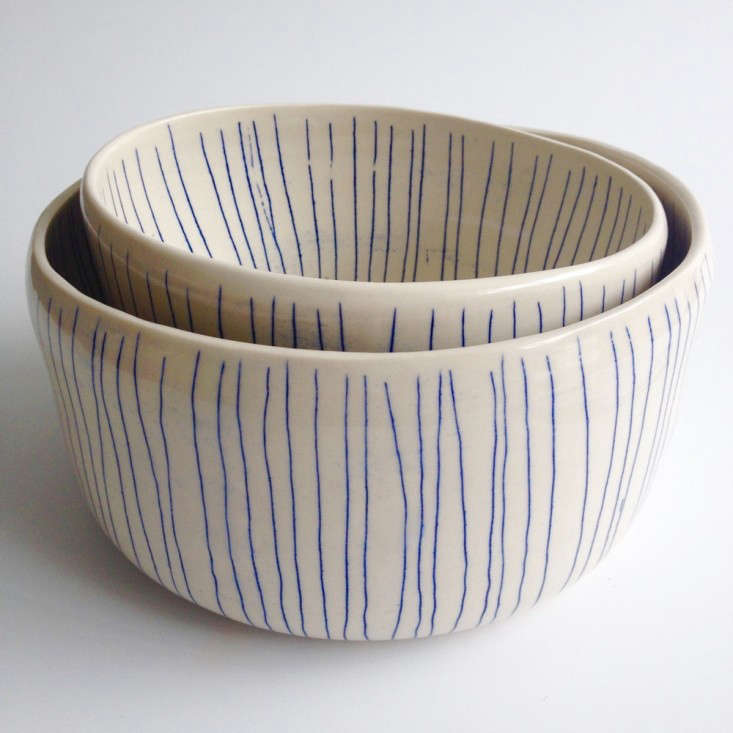
Striped nesting bowls are the rare kitchen item that can do three jobs before coffee: save cabinet space, help you prep dinner, and look cute enough to leave on the counter. They are the kitchen equivalent of a well-organized friend who also happens to own excellent earrings. Whether made from ceramic, stoneware, porcelain, melamine, glass, enamel, or stainless steel with a painted stripe, these stackable bowls bring order and personality to everyday cooking.
The appeal is simple. A nesting bowl set includes multiple bowls in graduated sizes, so each smaller bowl fits inside the next larger one. Add stripes, and suddenly a practical tool becomes part of your kitchen style. A blue-and-white striped bowl can whisper “coastal cottage.” A tan stoneware bowl with earthy brown bands feels vintage and farmhouse-friendly. A rainbow-striped set says, “Yes, I do bake cookies, and yes, I may dance while doing it.”
But striped nesting bowls are more than decorative dishware. The best sets are useful for mixing batter, tossing salads, serving snacks, holding fruit, organizing ingredients, marinating proteins, storing leftovers, and creating pretty tablescapes. This guide breaks down what they are, why people love them, how to choose the right set, and how to keep them looking good after many rounds of pancake batter, pasta salad, and midnight cereal.
What Are Striped Nesting Bowls?
Striped nesting bowls are stackable bowls decorated with horizontal, vertical, painted, embossed, glazed, or color-blocked stripes. Most sets include three to six bowls, though vintage and handmade collections can vary. The bowls usually graduate in size, ranging from small prep bowls to large mixing or serving bowls.
The “nesting” feature is the hero. Instead of spreading across your cabinets like a ceramic invasion, the bowls stack neatly inside one another. That makes them especially useful for small kitchens, apartments, pantry shelves, open shelving, and anyone whose cabinet currently contains one heroic but unstable tower of bowls.
Common Uses for Striped Nesting Bowls
Depending on material and size, striped nesting bowls can be used for everyday prep, casual serving, baking, snack stations, fruit displays, dips, sauces, salads, popcorn, holiday sides, and ingredient organization. A small bowl can hold chopped herbs or lemon wedges. A medium bowl can handle pancake batter or a lunch salad. A large bowl can take on bread dough, mashed potatoes, or enough chips to make guests believe you are emotionally prepared for movie night.
Why Striped Nesting Bowls Are So Popular
The popularity of striped nesting bowls comes from a very real kitchen truth: people want tools that are practical, durable, and attractive. Nobody wants a cabinet full of items that only appear once a year like holiday relatives. A good nesting bowl set earns its keep because it moves from prep counter to dining table without looking out of place.
They Save Cabinet Space
The biggest advantage is storage. Nested bowls reduce clutter because several sizes occupy the footprint of one large bowl. That matters in kitchens where every shelf is already negotiating with mugs, food containers, baking pans, and the mysterious lid that belongs to absolutely nothing.
They Make Prep More Organized
Cooking feels calmer when ingredients are separated before the heat turns on. Small striped bowls are perfect for chopped onions, minced garlic, spices, shredded cheese, berries, nuts, or sauces. This “mise en place” approach is not just for restaurant chefs. It also helps home cooks avoid discovering, halfway through a recipe, that the cinnamon was actually cumin. A tragic plot twist.
They Work as Serving Pieces
Striped bowls add visual rhythm to the table. A striped serving bowl can make a simple green salad look intentional, not like something assembled while opening the fridge with one foot. The pattern frames food nicely, especially colorful dishes such as citrus salad, roasted vegetables, berries, pasta, slaw, hummus, or chips and salsa.
They Add Personality Without Overwhelming the Kitchen
Stripes are friendly. They can be classic, nautical, rustic, modern, playful, or vintage depending on color and scale. Thin blue stripes feel crisp and traditional. Wide earthy stripes feel handcrafted. Multicolor bands feel cheerful and family-friendly. Because stripes are structured, they add pattern without becoming too loud.
Popular Materials for Striped Nesting Bowls
Material matters. The right striped nesting bowl set depends on how you plan to use it. A bowl that is perfect for serving popcorn on the patio may not be ideal for microwaving soup. A gorgeous hand-thrown ceramic bowl may look like art, but it might be too heavy for everyday whisking. Choose with your real life in mind, not your fantasy life where nobody drops dishes and your sink is always empty.
Ceramic and Stoneware Striped Nesting Bowls
Ceramic and stoneware are among the most popular choices because they look beautiful and feel substantial. Stoneware bowls often have a warm, handcrafted appearance, making them ideal for farmhouse, cottage, coastal, and traditional kitchens. They are excellent for serving, mixing, and leaving on display.
The tradeoff is weight. Ceramic nesting bowls can be heavier than stainless steel or plastic, especially in larger sizes. They may also chip if knocked against a sink or countertop. Always check the manufacturer’s label for dishwasher, microwave, and oven safety, because not all glazed ceramics behave the same way.
Porcelain Striped Bowls
Porcelain is usually lighter and more refined than chunky stoneware. It often has a smoother surface and a cleaner look, which works well in modern or minimalist kitchens. Porcelain striped bowls can be excellent for serving soups, rice bowls, desserts, fruit, or snacks. They are often dishwasher-safe, but again, the care label is the boss.
Melamine Striped Nesting Bowls
Melamine bowls are lightweight, colorful, and useful for outdoor dining, picnics, barbecues, kids’ meals, and poolside snacks. They are less fragile than ceramic, making them practical for casual entertaining. However, melamine should not be used for heating food in the microwave. Use it for serving, not reheating.
Glass Striped Bowls
Glass nesting bowls are useful because you can see the ingredients inside. They are great for mixing batters, proofing dough, storing leftovers, and microwaving food when labeled microwave-safe. Striped glass bowls may use colored bands, etched designs, or printed patterns. They can feel cleaner and more contemporary than rustic ceramics, though they are still breakable.
Stainless Steel and Enamel Striped Bowls
Stainless steel nesting bowls are lightweight, durable, and beloved by many serious cooks. They are excellent for whisking, tossing, chilling, and setting over a pot as a double boiler when appropriate. Some sets include painted stripes or enamel finishes for a more decorative look. Stainless steel is not microwave-safe, but it is tough, easy to clean, and practical for heavy kitchen use.
How to Choose the Best Striped Nesting Bowl Set
Before buying, think about how the bowls will be used most often. Are they for baking? Serving? Open-shelf display? Kids’ snacks? Outdoor meals? A little self-honesty here saves you from buying a stunning set that spends its life looking glamorous and doing nothing, like a celebrity guest judge.
1. Look at the Size Range
A useful set should include at least three sizes: small, medium, and large. Small bowls are good for spices, toppings, dips, and prep work. Medium bowls handle eggs, sauces, cereal, side salads, and batter. Large bowls are better for mixing dough, tossing greens, serving pasta, or holding fruit. If you cook frequently, a four- or five-piece set gives more flexibility.
2. Check Whether Lids Are Included
Nesting bowls with lids are especially practical because they move easily from prep to storage. Lids are useful for leftovers, marinating, chilling cookie dough, transporting salad, or covering fruit in the fridge. If the lids are plastic, confirm whether they are dishwasher-safe and whether they should be placed only on the top rack.
3. Consider Weight and Grip
A heavy ceramic bowl feels luxurious on the table but may be awkward for one-handed pouring. If you bake often, look for bowls with a stable base, a comfortable rim, or a pour spout. If the bowls are for serving, weight matters less. If the bowls are for daily mixing, your wrists may have opinions.
4. Read the Care Label
Never assume a striped bowl is microwave-safe, oven-safe, freezer-safe, or dishwasher-safe just because it looks sturdy. Some decorative finishes, metallic accents, vintage glazes, and handmade surfaces require gentler treatment. A beautiful bowl is not improved by a dramatic microwave incident.
5. Inspect the Glaze and Finish
For ceramic, stoneware, and porcelain bowls, the glaze should feel smooth and intact. Avoid bowls with deep cracks, flaking glaze, or unknown decorative coatings if you plan to use them with food. Vintage striped nesting bowls can be charming, but they should be checked carefully before serving acidic foods, hot liquids, or long-stored leftovers.
Decorating With Striped Nesting Bowls
Striped nesting bowls are easy to style because they offer both shape and pattern. You can display them on open shelving, stack them on a kitchen island, use the largest bowl as a fruit bowl, or set the smallest bowl near the stove for salt, garlic, or lemon wedges.
Farmhouse Style
Choose cream, beige, mustard, brown, blue, or muted green stripes. Stoneware and yellowware-inspired bowls look especially good with wood cutting boards, linen towels, copper accents, and glass jars. The vibe is cozy, useful, and just a little “I might make biscuits from scratch.”
Coastal Style
Blue-and-white striped nesting bowls fit naturally into coastal kitchens. Pair them with white dinnerware, woven trays, light wood, navy napkins, and clear glassware. Keep the palette simple so the bowls look crisp rather than theme-park nautical.
Modern Style
For modern kitchens, look for clean stripes in black, white, gray, cobalt, or high-contrast color combinations. Porcelain, glass, or smooth stoneware works well. Display only a few pieces at a time to keep the look intentional.
Playful Family Kitchens
Multicolor striped nesting bowls are perfect for families, casual cooks, and anyone who believes breakfast should not look emotionally beige. Use them for snacks, taco toppings, birthday sprinkles, popcorn, berries, and weekday pasta. Bright bowls can make ordinary meals feel more festive with almost no effort.
Best Ways to Use Striped Nesting Bowls Every Day
A nesting bowl set becomes more valuable when it is kept within easy reach. Store it near the prep zone if you cook often, near the dining area if you entertain, or on a visible shelf if it is too attractive to hide.
For Baking
Use the largest bowl for dry ingredients, a medium bowl for wet ingredients, and small bowls for measured spices, chocolate chips, nuts, or zest. Ceramic and glass are excellent for stable mixing, while stainless steel is great when you want something lighter.
For Meal Prep
Small and medium striped bowls help organize chopped vegetables, sauces, grains, and proteins. If the set includes lids, you can prep ingredients ahead and stack them neatly in the refrigerator.
For Serving
Striped bowls are natural serving pieces. Use them for pasta salad, roasted potatoes, green beans, mashed sweet potatoes, fruit salad, chips, dips, and desserts. A matching set makes a table look coordinated without requiring a full dinnerware overhaul.
For Open Shelving
If you display bowls on open shelves, keep the arrangement edited. Stack the nesting set together, then add a cookbook, a small plant, a pitcher, or a wooden board nearby. Avoid crowding the shelf with too many patterns. Stripes like attention, but they do not need a marching band.
Care and Safety Tips
Good care keeps striped nesting bowls looking fresh and food-safe. Most modern bowls from reputable retailers include clear care instructions. Follow those instructions even when your inner optimist says, “It’ll probably be fine.” That sentence has ruined many kitchen items.
Wash Gently
Use mild dish soap and a soft sponge for handwashing. Avoid abrasive scrubbers on painted, glazed, or printed stripes because they can dull the finish over time. If the bowls are dishwasher-safe, place them securely so they do not knock against other dishes.
Avoid Sudden Temperature Changes
Stoneware, ceramic, and glass can crack from thermal shock. Do not take a cold bowl from the refrigerator and put it directly into a hot oven unless the manufacturer says it is safe. Let hot bowls cool before washing them in cold water.
Use the Microwave Only When Labeled Safe
Ceramic, glass, and some stoneware bowls may be microwave-safe, but only when labeled as such. Bowls with metallic trim, unknown glazes, or decorative finishes should stay out of the microwave. Melamine and stainless steel should not be used for microwave heating.
Be Careful With Vintage Bowls
Vintage striped nesting bowls can be wonderful collectibles, especially older stoneware, yellowware, milk glass, enamel, or pottery sets. However, older ceramics may not meet current food-contact expectations. If you are unsure about the glaze, use vintage bowls for dry foods, wrapped items, fruit with peels, or display rather than acidic sauces, hot soups, or long-term food storage.
Common Mistakes to Avoid
One common mistake is buying purely for looks. A striped nesting bowl set should match your cooking habits. If you make large salads, choose a set with a truly large bowl. If you bake, look for stability and comfortable rims. If you entertain outdoors, consider lightweight melamine or enamel. If you mostly want shelf decor, ceramic or stoneware may be perfect.
Another mistake is ignoring dimensions. Online photos can make bowls look larger than they are. Check diameter, depth, and capacity before ordering. A bowl described as “large” may be large for cereal but laughably small for bread dough.
A third mistake is stacking bowls carelessly. Even nesting bowls can chip if slammed together. Place a soft paper towel, felt protector, or thin cloth between delicate ceramic bowls if the glaze is prone to scratching. It is a tiny step that helps preserve the finish.
Experiences With Striped Nesting Bowls in Real Kitchens
The charm of striped nesting bowls becomes obvious after living with them for a while. At first, they may seem like another pretty kitchen purchase. Then one random Tuesday arrives, and suddenly the small bowl is holding lime wedges, the medium bowl is catching chopped tomatoes, and the large bowl is hosting a heroic taco salad. That is the moment the set stops being “decor” and becomes part of the household routine.
In a small apartment kitchen, striped nesting bowls can feel like a minor miracle. Instead of six mismatched bowls fighting for cabinet space, one stack sits neatly on a shelf. The stripes make the stack look intentional, not like dishes were shoved together during a cleaning panic five minutes before company arrived. When guests come over, the largest bowl can hold chips, the middle bowl can hold salsa, and the smallest bowl can hold jalapeños. Suddenly the table looks styled, even if dinner is mostly snacks and optimism.
For baking, the experience is different but equally satisfying. Ceramic striped bowls have enough weight to stay put while stirring muffin batter or whisking eggs. The smaller bowls help separate ingredients, which makes baking feel less chaotic. Measuring baking soda into one little striped bowl and vanilla into another may seem fancy, but it prevents mistakes. It also makes the countertop look like a cooking show, even if the final cookies are slightly “rustic,” which is the polite word for uneven.
Parents often appreciate lightweight striped bowls for snack routines. A cheerful bowl filled with grapes, pretzels, crackers, or berries makes everyday food feel more inviting. Kids may not care about coordinated dinnerware, but they do understand that the “blue stripe bowl” is the popcorn bowl. Over time, certain bowls develop jobs. One becomes the pancake batter bowl. One becomes the fruit bowl. One becomes the emergency ice cream bowl, which is arguably the most important role in the kitchen.
Entertaining is where striped nesting bowls really shine. They let you create a coordinated spread without buying a dozen serving pieces. A striped set can hold olives, nuts, salad, pasta, bread, dips, and dessert toppings. Because the bowls vary in size but share a pattern, the table looks pulled together. The host looks organized. Nobody needs to know the dishwasher is full and one serving spoon is actually a large soup spoon pretending to be elegant.
The best long-term experience is that striped nesting bowls age into the visual memory of a kitchen. They appear in birthday breakfasts, soup nights, potluck prep, holiday side dishes, and lazy Sunday cereal. A good set becomes familiar in the nicest way. It is not just something you bought; it becomes part of how your home cooks, serves, gathers, and occasionally eats frosting directly from a bowl. No judgment. The bowl understands.
Final Thoughts on Striped Nesting Bowls
Striped nesting bowls combine storage efficiency, everyday usefulness, and decorative charm. They are practical enough for meal prep and attractive enough for open shelves. The best set for your kitchen depends on how you cook, serve, clean, and store your dishes. Ceramic and stoneware offer warmth and beauty. Porcelain feels polished. Melamine is great for casual outdoor use. Glass is practical for visibility and microwave-safe reheating when labeled properly. Stainless steel is the workhorse for serious prep.
Choose a set with useful sizes, a finish that suits your style, and care instructions that match your lifestyle. If the bowls include lids, even better. If they stack neatly, look good on the table, and survive regular use, you have found the kitchenware sweet spot.
In the end, striped nesting bowls prove that useful things do not have to be boring. They help organize ingredients, brighten shelves, dress up meals, and save space. That is a lot of work for a stack of bowls wearing stripes.