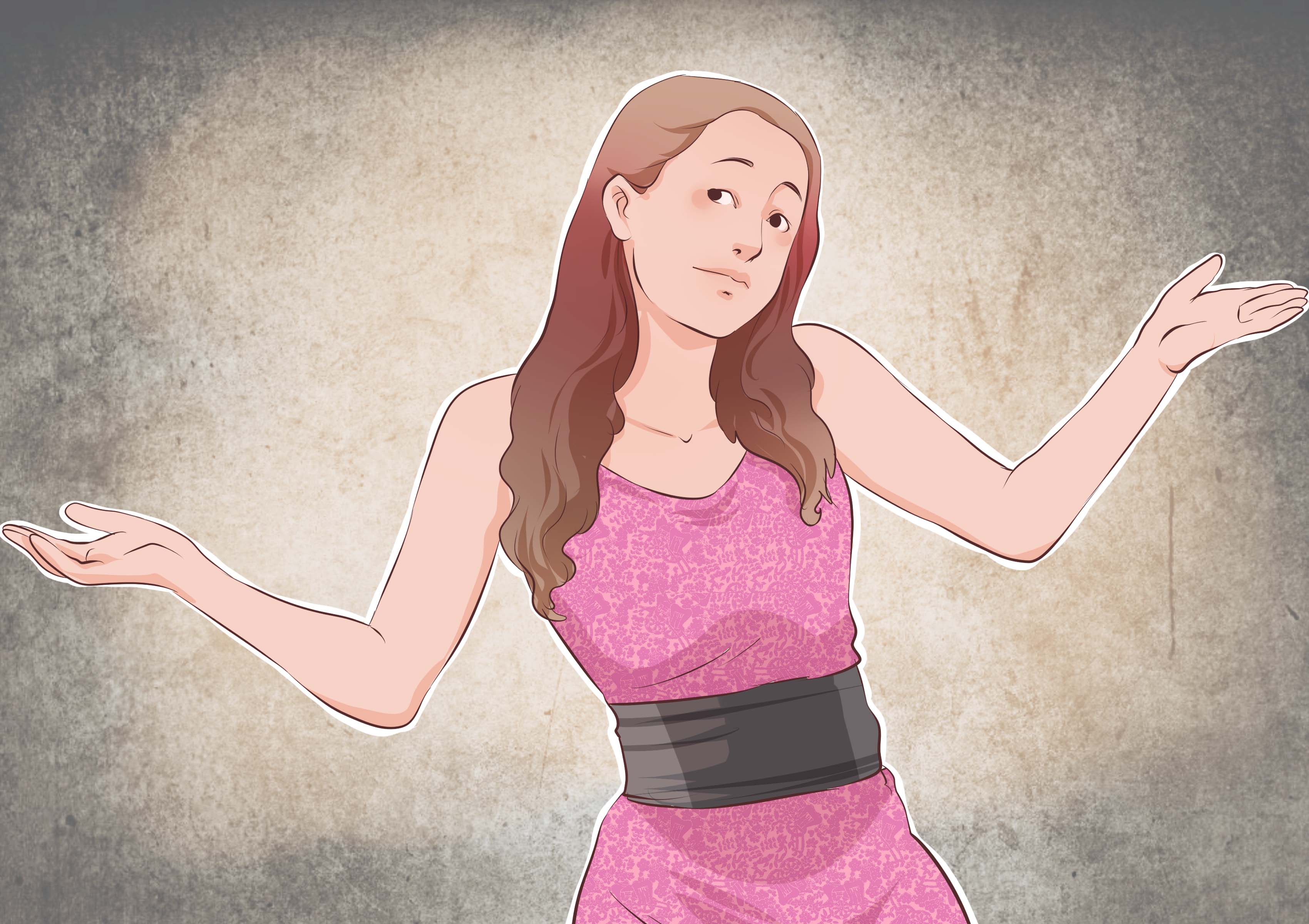
Embarrassing moments are tiny emotional earthquakes. One second you are living your life like a perfectly normal human being, and the next second you have called your teacher “Mom,” waved back at someone who was definitely waving to the person behind you, or tripped over absolutely nothing with the confidence of a falling piano. Congratulations: you have joined the international club of people with memories that replay at 1:17 a.m.
The good news? Embarrassment is not a life sentence. It is a social emotion, which means it usually shows up when we think other people noticed something awkward, silly, clumsy, or imperfect about us. The even better news? Most people are too busy worrying about their own awkward moments to build a museum dedicated to yours.
This guide explains how to deal with an embarrassing moment in 15 practical steps. You will learn how to calm your body, stop overthinking, repair the situation if needed, and move forward without turning one awkward second into a full-time hobby.
Why Embarrassing Moments Feel So Huge
Embarrassment feels intense because it touches the part of us that wants to belong. Humans are social creatures. We care about being accepted, respected, and understood. So when we spill coffee in a meeting or say the wrong thing in a group chat, the brain may react as if the entire village has gathered to vote us off the island.
In reality, embarrassment is usually temporary. It may cause blushing, nervous laughter, a racing heart, sweaty palms, or the sudden desire to move to another state and become a mysterious goat farmer. But the feeling rises, peaks, and fades. The goal is not to become a person who never feels embarrassed. The goal is to become someone who can recover with grace, humor, and self-respect.
How to Deal With an Embarrassing Moment: 15 Steps
1. Pause Before You Panic
Your first reaction may be to run, hide, apologize 47 times, or pretend your Wi-Fi disconnected even though you are standing in the same room as everyone else. Instead, pause. Take one slow breath. Let your body catch up with the fact that this is awkward, not dangerous.
A simple pause helps you avoid making the moment bigger than it needs to be. Many embarrassing situations pass quickly when you do not add extra panic, explanations, or dramatic facial expressions that scream, “I have just ruined civilization.”
2. Breathe Like You Are Not Being Chased by a Bear
Embarrassment can trigger a stress response. Your heart speeds up, your muscles tense, and your thoughts start running laps. Slow breathing helps calm your nervous system and gives your mind something neutral to focus on.
Try this: inhale through your nose for four seconds, hold for one second, then exhale slowly for six seconds. Repeat a few times. You do not have to turn the room into a yoga retreat. Just breathe quietly and let your body receive the memo: “We are safe. We simply said ‘you too’ when the waiter told us to enjoy our meal.”
3. Name the Feeling
Say to yourself, “I feel embarrassed.” Not “I am a disaster.” Not “My life is over.” Just “I feel embarrassed.” Naming the emotion creates a little distance between you and the feeling.
This matters because embarrassment often tries to disguise itself as identity. It whispers, “You are awkward.” A healthier response is, “I had an awkward moment.” That tiny wording shift can save you from treating one event like a permanent personality review.
4. Check the Actual Damage
Ask yourself: “What really happened?” Be specific. Did you mispronounce a word? Forget someone’s name? Drop something? Send a message to the wrong person? Once you describe the event plainly, it usually becomes smaller.
For example, “I embarrassed myself during the presentation” may feel huge. But “I lost my place for five seconds, laughed, and continued” is much more realistic. Your brain may prefer the horror-movie version. Give it the documentary version instead.
5. Avoid the Spotlight Effect Trap
The spotlight effect is the common feeling that everyone is paying more attention to us than they actually are. After an embarrassing moment, you may believe every person in the room is replaying it in high definition. Most are not. They may have noticed briefly, then returned to thinking about lunch, homework, work deadlines, their phone battery, or whether they left laundry in the washer.
Remind yourself: “People noticed less than I think, and they will remember it for less time than I fear.” This sentence is not magic, but it is a useful mental seatbelt.
6. Use Humor, But Do Not Bully Yourself
A little humor can defuse embarrassment beautifully. If you trip and say, “Well, the floor and I are now in a committed relationship,” people may laugh with you and move on. Humor signals that you are okay.
But there is a line between laughing with yourself and attacking yourself. Avoid comments like “I’m so stupid” or “I always ruin everything.” Self-roasting may get a laugh, but too much of it teaches your brain to treat every mistake like evidence against you. Keep it light, not cruel.
7. Apologize Once If You Actually Hurt Someone
Not every embarrassing moment needs an apology. Dropping your notebook, forgetting a word, or waving at the wrong stranger does not require a press conference. But if your mistake affected someone else, a short apology helps repair the moment.
Use a simple formula: acknowledge, apologize, and move forward. For example: “I’m sorry I interrupted you. Please continue.” Or, “I mixed up the details earlier. Thanks for your patience.” Then stop. Over-apologizing can make the situation feel heavier than it is.
8. Fix What Can Be Fixed
Some awkward moments have practical solutions. If you spilled water, grab napkins. If you sent the wrong attachment, send the correct one. If you gave someone incorrect information, clarify it. Action reduces helplessness.
The key is to fix the issue without turning it into a courtroom drama. Most people appreciate a calm correction. “Oops, wrong file. Here is the correct version” is much better than a five-paragraph apology beginning with “Dear everyone, I regret to inform you that I have failed as a modern citizen.”
9. Resist the Urge to Replay It All Day
Rumination is when the mind gets stuck repeating the same distressing thought. After embarrassment, rumination often sounds like: “Why did I say that? Did they think I was weird? What if they tell everyone? Why am I like this?”
Reflection can be helpful. Rumination is just emotional chewing gum. Give yourself a short review window. Ask, “Is there anything useful to learn?” If yes, take the lesson. If no, redirect your attention to something real and current: a task, a walk, music, journaling, or a conversation with someone supportive.
10. Practice Self-Compassion
Self-compassion means treating yourself like a human being, not a malfunctioning appliance. Imagine a friend came to you and said, “I embarrassed myself today.” Would you respond, “Yes, you are doomed forever”? Hopefully not. You would probably say, “That sounds uncomfortable, but it happens. You’re okay.”
Offer yourself the same basic kindness. Try saying, “This feels bad right now, but everyone has embarrassing moments. I can be kind to myself while I recover.” It may feel cheesy at first. That is fine. Many useful things feel cheesy before they feel natural.
11. Talk to Someone Who Keeps Things in Perspective
A good friend can shrink an embarrassing moment back to its actual size. Choose someone who is kind, honest, and not addicted to turning minor events into breaking news.
Say, “I did something awkward today and I keep replaying it. Can you help me reality-check it?” Often, saying the story out loud makes it less powerful. You may even discover that your friend has an equally embarrassing story ready to trade. Humanity is basically one long group project in pretending we have it together.
12. Learn One Small Lesson
Embarrassment is easier to carry when it gives you useful information. Maybe you learned to double-check the recipient before sending a message. Maybe you learned to slow down when speaking. Maybe you learned that stairs are not to be trusted.
The lesson should be practical, not personal. “Next time I’ll prepare my notes better” is useful. “I am terrible at everything” is not a lesson; it is a bad mood wearing a graduation cap.
13. Return to the Scene Instead of Avoiding It Forever
After an awkward moment, avoidance can feel tempting. You may want to skip the next meeting, avoid the cafeteria, leave the group chat, or never make eye contact with the cashier again. But avoiding normal places can teach your brain that embarrassment is dangerous.
Return gently. Go back to class, work, practice, or the social setting. Act normally. This helps your brain update the story: “I was embarrassed, and life continued.” Confidence often grows not from never falling, but from realizing you can stand back up without needing a dramatic soundtrack.
14. Know When Embarrassment Is Turning Into Anxiety
It is normal to feel embarrassed sometimes. But if fear of embarrassment causes you to avoid everyday activities, lose sleep often, feel intense dread in social situations, or constantly worry about being judged, it may be more than a passing awkward moment.
In that case, talking to a counselor, therapist, doctor, or trusted adult can help. Support is not only for “serious” problems. It is also for patterns that make life smaller. You deserve tools, not endless mental reruns.
15. Let Time Do Its Job
Embarrassment fades when you stop feeding it. Today, the moment may feel huge. Next week, it may feel like a cringe-worthy story. Next month, it may become funny. Next year, you may barely remember it unless someone says the word “presentation,” and your brain briefly plays ominous music.
Time works best when paired with self-kindness, normal routines, and perspective. You do not need to erase the memory. You only need to stop treating it like proof that something is wrong with you.
Common Embarrassing Moments and What to Do
If You Say the Wrong Thing
Correct it quickly if needed. Say, “That came out wrong. What I meant was…” Then continue. Most conversational mistakes are repairable. The longer you freeze, the bigger it feels.
If You Fall or Drop Something
Check that you are okay first. Then use a calm comment or light humor. Clean up if needed. Physical awkwardness feels dramatic because it is visible, but people usually move on quickly.
If You Forget Someone’s Name
Be honest and warm. Try, “I’m sorry, I’m blanking on your name for a second.” This is far better than guessing wildly and accidentally renaming someone “Brad” for the next three years.
If You Embarrass Yourself Online
If the post or message can be edited or deleted, do that. If you need to clarify, keep it short. Avoid arguing with every reaction. The internet loves drama, but you are not legally required to provide refreshments.
What Not to Do After an Embarrassing Moment
Do not insult yourself repeatedly. Do not assume everyone hates you. Do not send ten apology messages when one would do. Do not make a tiny mistake the main character of your week. And please, do not decide that one awkward moment means you must reinvent your entire personality by Monday.
Instead, calm your body, repair what needs repair, learn what is useful, and move forward. The strongest recovery is often surprisingly boring: breathe, smile, fix it, continue.
Extra Experiences and Real-Life Reflections: Learning to Survive the Cringe
One of the most comforting things about embarrassing moments is that nearly everyone has a personal collection. Some people collect stamps. Others collect memories of saying “Thanks, love you” to a customer service representative. Life is rich and strange.
Imagine a student giving a class presentation. They practiced all night, made neat slides, and walked to the front with confidence. Then, halfway through, their mind went blank. Not slightly blank. Desert-island blank. For a few seconds, the room felt silent enough to hear a pencil blink. The student panicked internally, but then took a breath and said, “I just lost my place, but I’m back.” A few classmates smiled. The presentation continued. Later, the student realized something important: the pause felt like five years to them, but only a few seconds to everyone else.
That is a common pattern. Inside the embarrassing moment, time stretches. Every sound gets louder. Every face looks judgmental. But observers usually experience it much more casually. They see a person being human. Then they return to their own thoughts.
Another example: someone at work sends a message meant for one person into a group chat. It is not offensive, just awkward. Their stomach drops. Their first instinct is to write a giant apology. Instead, they type, “Wrong chat, sorry about that!” and move on. By lunch, nobody cares. By the next day, a different office mystery has taken over, probably involving who finished the coffee and left two drops in the pot.
The lesson is not that embarrassment feels good. It does not. It feels hot, sharp, and personal. The lesson is that embarrassment is usually survivable when you respond with proportion. A small mistake needs a small response. A medium mistake needs a responsible response. Very few mistakes need a full emotional parade.
Many people also discover that embarrassing moments can build social confidence over time. That sounds backwards, but it is true. When you survive awkwardness, you prove to yourself that you can handle imperfection. You learn that your worth does not depend on flawless speaking, flawless walking, flawless texting, or flawless anything. You are allowed to be a person, not a polished advertisement for personhood.
It also helps to remember your own reaction when other people embarrass themselves. If a friend drops their lunch, you probably do not think, “I shall remember this forever and judge them annually.” You probably help them clean it up. If someone stumbles over a word, you do not write a psychological report. You wait for them to continue. Give yourself the same generosity you naturally give others.
One practical habit is to keep a “cringe recovery script.” This is a sentence you use when embarrassment hits. Examples include: “That was awkward, but I’m okay.” “This is a moment, not my identity.” “People are kinder and busier than my anxiety thinks.” Having a script keeps your brain from improvising something dramatic, such as, “Clearly, I must leave society and live inside a decorative bush.”
Over time, your embarrassing memories may even become funny stories. The moment that once made you want to disappear may become the story you tell at dinner because it makes everyone laugh. That does not mean you enjoy embarrassment while it is happening. It means you trust yourself to recover.
So the next time you do something awkward, try this: pause, breathe, smile if you can, fix what needs fixing, and keep going. The world is full of people who have tripped, blushed, forgotten names, misread signals, and sent messages to the wrong chat. You are not uniquely awkward. You are officially human. Welcome to the club. Meetings are informal, and yes, someone will probably spill something.
Conclusion
Knowing how to deal with an embarrassing moment is not about becoming immune to awkwardness. It is about learning how to recover without turning one uncomfortable event into a personal crisis. Embarrassment may make your face hot and your thoughts loud, but it does not define your character, intelligence, attractiveness, or future.
Pause. Breathe. Be honest. Use humor gently. Apologize when needed. Stop feeding the replay loop. Treat yourself with the same kindness you would offer a friend. Most embarrassing moments fade faster than we expect, especially when we stop polishing them into legends.