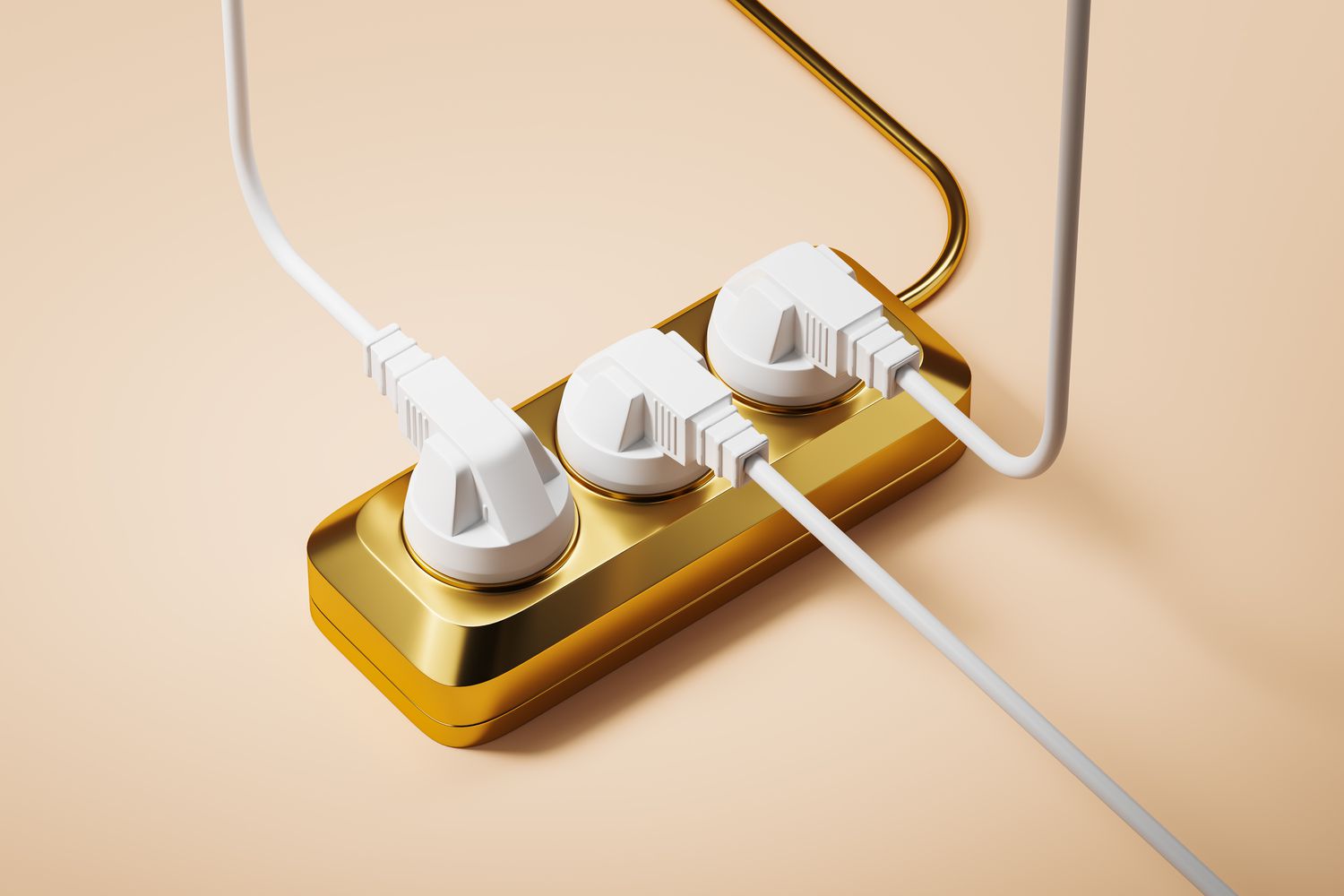
If your power strip is starting to look like an octopus made of cords, it may be time for an intervention. Power strips are convenient, affordable, and oddly satisfying when they make a messy corner look organized. But they are not magic. They do not create more electricity, and they definitely do not turn one wall outlet into a free-for-all for every appliance in your house.
That is where people get into trouble. A power strip can be perfectly fine for low-draw electronics like a lamp, a charger, or a computer monitor. The problem starts when you plug in anything that creates heat, cycles on with a motor, or pulls a heavy electrical load. That is when cords can overheat, breakers can trip, appliances can misbehave, and your “clever setup” can become tomorrow’s “why does this smell like toasted plastic?” moment.
Electricians tend to agree on one big rule: high-wattage appliances belong in a wall outlet, not a power strip. Better yet, many of them belong on their own properly grounded outlet or dedicated circuit. If an appliance manual says direct-to-wall only, treat that line like it was written in neon.
Note: This article is for general home safety education. If an outlet feels warm, sparks, smells burnt, or trips breakers repeatedly, stop using it and call a licensed electrician.
Why power strips get risky so fast
A lot of people assume a surge protector or power strip can handle “a few more things” as long as it still turns on. That is not how this works. A power strip gives you more places to plug in devices, but it does not increase the electrical capacity of the circuit behind the wall. In plain English, the strip may have six outlets, but the circuit is still the same circuit.
That matters because many appliances pull a lot of current all at once, especially when they start up or produce heat. Motors, compressors, heating elements, and fans can create temporary spikes or continuous heavy loads. Put enough demand on one strip, and it may overheat or shut off. Put the wrong appliance on the wrong strip, and the strip becomes the weakest link in the room.
If you want a simple shortcut, here it is: if the appliance gets hot, makes heat, cools food, moves air, or washes clothes, be suspicious. Very suspicious.
The quick list: what not to plug into a power strip
- Space heaters
- Refrigerators and freezers
- Microwaves
- Air fryers, toaster ovens, and other countertop cooking appliances
- Air conditioners
- Washing machines
- Clothes dryers
- Electric blankets and heating pads
1. Space heaters
If there were a Hall of Fame for appliances that should never go into a power strip, the space heater would have its own wing. These devices draw a lot of power and generate a lot of heat, which is a terrible personality combo for a cheap strip tucked behind a chair.
Space heaters are notorious for overloading extension cords and power strips. Even if the strip claims to be heavy-duty, most electricians still recommend plugging the heater directly into a wall outlet. That is because the danger is not just the heater itself. It is the extra connection points, the cord quality, and the chance that the strip is already sharing power with other devices.
If you use a space heater, keep it on the floor, away from curtains and bedding, and give it its own outlet. No strip. No extension cord. No creative “temporary” setup that somehow survives until spring.
2. Refrigerators and freezers
Your refrigerator is not dramatic, but it is demanding. It cycles on and off all day, and when the compressor starts, it can draw a meaningful burst of power. That startup demand is exactly why so many appliance makers recommend plugging refrigeration appliances directly into the wall.
A refrigerator or freezer on a power strip can trip the strip, reduce reliability, or create overheating risk over time. Even if it seems fine today, you do not want to find out it was not fine when you come home to melted ice cream, questionable chicken, and the smell of regret.
This rule goes for full-size refrigerators, upright freezers, chest freezers, compact fridges, and many beverage coolers too. Cold appliances may not look as dangerous as hot appliances, but compressors do not care about appearances.
3. Microwaves
Microwaves are quick, convenient, and surprisingly greedy with electricity. They often pull a heavy load, especially during active heating. That is why manufacturers regularly recommend plugging them into their own properly grounded outlet rather than using an extension cord or power strip.
If your microwave shares a power strip with other kitchen gadgets, you are stacking one high-demand appliance on top of several smaller ones. Best case, the breaker trips. Worst case, the strip overheats while you are just trying to reheat leftover pizza.
Kitchens are already busy zones for electrical use. Between coffee makers, toasters, blenders, and microwaves, it is easy to overload a strip without realizing it. The safest setup is simple: microwave straight into the wall, preferably on the outlet intended for it.
4. Air fryers, toaster ovens, and other countertop cooking appliances
Air fryers may be trendy, but electrically they are basically tiny heat factories. The same goes for toaster ovens, electric griddles, hot plates, slow cookers, and many countertop cooking devices. They use heating elements, and heating elements love power.
That is why kitchen safety advice so often points to direct wall outlets for cooking appliances. These devices can run hot for long stretches, and a power strip is a bad middleman. Add crumbs, grease, steam, or a crowded countertop, and the risk gets even less charming.
If you have ever touched the cord near a heavily used appliance and thought, “Wow, that is warmer than expected,” that is your clue. A power strip is not where you want sustained kitchen heat loads living their best life.
A good kitchen rule
When in doubt, anything that cooks, browns, crisps, roasts, or slowly bubbles chili for eight hours should go directly into a wall outlet.
5. Air conditioners
Window units and portable air conditioners are another big no. These machines draw significant power, especially when the compressor kicks in. Many manufacturers specifically say not to use an extension cord, surge protector, or multi-outlet adapter with room air conditioners.
That warning is not just legal wallpaper. Air conditioners can cause dimming lights, nuisance trips, voltage drops, and excess heat when they are connected through the wrong setup. A power strip may not be built for that repeated load, particularly during hot weather when the unit runs longer and harder.
In other words, your AC already has one difficult job: fighting summer. Do not give it a second job fighting a bargain power strip too.
6. Washing machines
Washers do not always make people’s danger list, but they should. They combine motors, electronic controls, and in many homes, long run times. Some manufacturers specifically warn against using extension cords or power strips with washers because those devices can interfere with performance, increase the chance of power issues, or create unreliable connections.
A washing machine may seem harmless compared with a space heater, but it still draws meaningful current and often benefits from a stable, direct connection. If a washer is on a strip and starts acting oddly, showing power-related errors, or tripping protection devices, the strip may be part of the problem.
And since laundry rooms are already places where water and electricity live too close together for comfort, this is not the room to experiment.
7. Clothes dryers
This one is less of a debate and more of a flashing billboard. Electric dryers typically require a dedicated 240-volt outlet with a properly rated cord and circuit. In most homes, that means a standard power strip is not even an option in any practical sense.
Even gas dryers, which use less electrical power for heat, still should not be plugged into an everyday power strip as a workaround. Laundry appliances are designed for specific outlets and installation requirements. If the outlet does not fit the dryer, the solution is not “find an adapter and hope.” The solution is “fix the electrical setup.”
Dryers also create heat, vibration, and long run cycles. Those are three excellent reasons to keep them on the outlet type they were designed to use, and zero reasons to involve a strip.
8. Electric blankets and heating pads
Anything designed to warm fabric or your body deserves extra caution. Electric blankets and heating pads can already overheat if damaged, folded improperly, or used carelessly. Plugging them into a power strip adds yet another connection point that can fail or heat up.
These products are also often used for long periods, sometimes overnight, which makes a stable direct connection even more important. If a blanket cord is frayed, charred, cracked, or unusually warm, it is time to retire it, not give it a power strip and a pep talk.
Comfort should not come with a side of fire risk. Plug heating pads and electric blankets directly into a wall outlet, follow the product instructions, and avoid using older units that have clearly lived a little too much life.
What about plugging one power strip into another?
Also no. This is called daisy chaining, and it is one of the fastest ways to turn “I need more outlets” into “I need a fire extinguisher.” Chaining strips together does not solve a capacity problem. It only hides it behind more plastic rectangles.
If you are constantly tempted to daisy chain power strips, that is a sign you need more outlets, better furniture placement, or a licensed electrician to add properly located receptacles. It is not a sign that your house wants another six-port strip from the clearance aisle.
Safer things you can plug into a power strip
Power strips are not villains. They are just easy to misuse. In general, they are better suited for low-draw electronics and small devices such as:
- Phone chargers
- Lamps
- Wi-Fi routers
- TVs and streaming boxes
- Desktop monitors
- Game consoles
- Printers
Even then, choose a quality product, do not cover it with rugs or bedding, do not run the cord under furniture that pinches it, and do not treat one strip like it is the power grid for your entire living room.
How to tell your setup needs an upgrade
You do not need to be an electrician to spot a bad arrangement. Warning signs include a strip that feels hot, breakers that trip repeatedly, lights that flicker when appliances start, scorch marks near plugs, buzzing sounds, or cords that look crushed, frayed, or discolored.
Another clue is lifestyle math. If one outlet is serving your desk, printer, lamp, heater, laptop charger, phone charger, mini fridge, and coffee maker, you do not have an outlet solution. You have a future story.
The safer answer may be as simple as moving a device, using fewer items on one circuit, or hiring an electrician to install a new outlet where you actually need one. Convenience is great, but not when it smells like warm plastic and panic.
Bottom line
If an appliance makes heat, cools with a compressor, washes clothes, or draws a heavy load, it probably should not be plugged into a power strip. Space heaters, refrigerators, microwaves, cooking appliances, air conditioners, washers, dryers, and electric blankets all belong on safer, direct connections. That is not overcautious. That is common-sense electrical safety.
A good power strip is useful, but it is not a cheat code for your home’s wiring. Treat it like a helper for light electronics, not a VIP lounge for major appliances. Your circuits, your appliances, and your future self will all appreciate the favor.
Real-Life Lessons and Everyday Experiences With Power Strips
One reason this topic keeps coming up is that the mistakes are incredibly common. People rarely overload a power strip because they are reckless. Usually, they do it because they are busy. The fridge is a little too far from the wall outlet. The microwave cord seems annoyingly short. The portable AC arrived during a heat wave, and nobody wants to wait for a better setup when the room feels like soup. So the strip comes out, the plug goes in, and everything seems fine. Until it is not.
Renters run into this all the time. Older apartments may have very few outlets, especially in kitchens and bedrooms. That leads to a kind of electrical Tetris where people try to make one outlet handle a lamp, a charger, a laptop, a fan, and sometimes a heater. It feels efficient in the moment, but it creates a hidden problem: nobody is really thinking about total load. They are just thinking about available holes.
Homeowners are not immune either. A common scenario is the garage freezer plugged into a strip because the outlet is awkwardly placed behind shelving. Another is a laundry area where someone adds a strip for “just one more thing,” like a utility light or steamer, next to a washer. In kitchens, air fryers are famous for showing up on crowded counters where the nearest outlet is already occupied by a coffee maker. The power strip becomes the peace treaty. Then the breaker reminds everyone that peace was never officially approved.
Electricians often talk less about dramatic disasters and more about patterns. Warm cords. Loose plugs. Cheap strips with no business running heavy appliances. Outlets that look tired. Breakers that trip so often the family starts treating them like moody roommates. These are the little clues that show a system is being asked to do more than it should.
Another real-world issue is false confidence. People assume that if a strip has a reset button, a glowing light, and the words “surge protector” printed across the front, it must be built for anything. But a fancy label does not change the demands of a compressor, a heating element, or a motor. It just makes the strip look more official while it remains, at heart, a shared access point to the same circuit.
The best experiences are usually boring ones. A homeowner moves the freezer to a direct wall outlet. A renter skips the heater on the strip and uses a safer location. A family stops daisy chaining power strips behind the TV stand and installs an additional outlet instead. Nothing dramatic happens, and that is exactly the point. Good electrical safety is gloriously uneventful.
So if your current setup looks clever but slightly suspicious, trust that instinct. The goal is not to make your home less convenient. The goal is to make convenience less combustible.