Death has always been the one appointment nobody manages to reschedule. But long before modern funeral homes, printed programs, flower arrangements, and awkward post-service casseroles, ancient people were already building elaborate ways to say goodbye. Archaeologists have recently uncovered evidence of an ancient funeral ritual that shows mourning was not simply a private emotion. It was a community event, a social performance, and sometimes, quite literally, a meal.
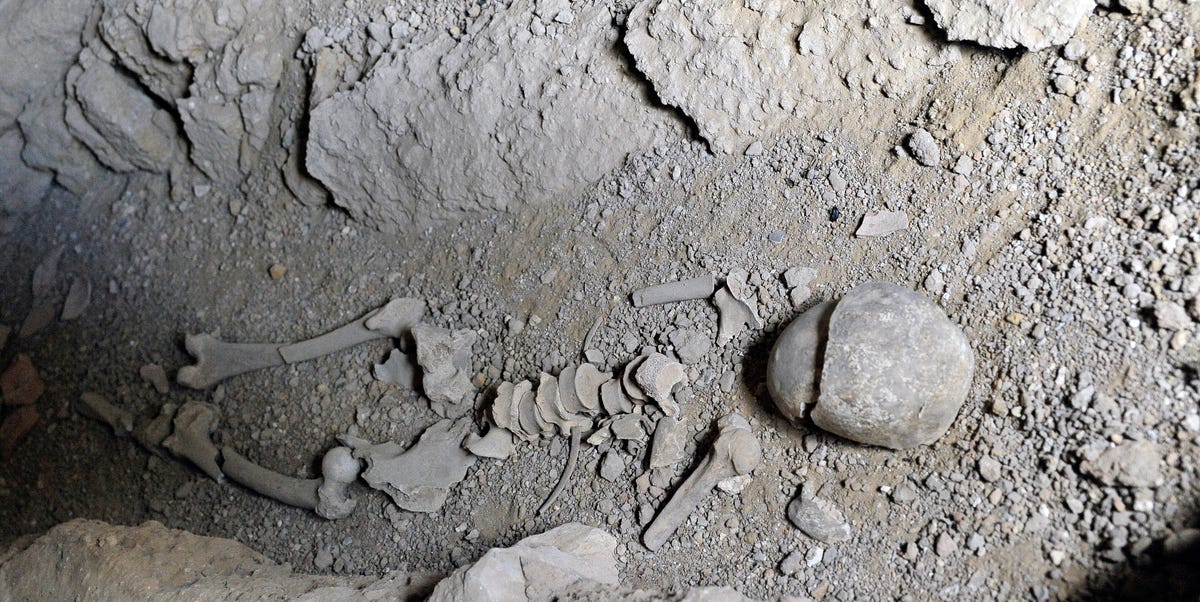
The discovery centers on a roughly 4,000-year-old burial linked to the Kerma culture, an important Nubian civilization that flourished near the Nile in what is now Sudan. At first glance, the grave seemed modest. There was no golden mask, no pyramid, and no dramatic treasure pile that would make a museum gift shop faint with excitement. Instead, researchers found a man buried with ceramic vessels, blue-glazed beads, and an upright container filled with charred plant remains, acacia wood, animal bone fragments, insect traces, and other organic material. That may sound like the world’s least appetizing lunchbox, but to archaeologists, it looked like something extraordinary: possible remains of a funeral feast.
This is why archaeology is so wonderfully nosy. Give an archaeologist a pot of ancient leftovers, and suddenly the dead can tell us who gathered, what they ate, what they believed, and how they turned grief into ritual. The find suggests that mourners may have shared food, fire, and symbolic offerings as part of a farewell ceremony. It also reminds us that funeral rituals are among humanity’s oldest forms of storytelling. A grave is never just a hole in the ground. It is a message with dirt on top.
What Did Archaeologists Actually Find?
The burial was discovered in Sudan’s Bayuda Desert, a region that today appears dry and severe but was once part of a more hospitable ancient landscape. The grave is associated with the Kerma cultural world, which belonged to Nubia, one of Africa’s great ancient regions. Nubia sat near Egypt, traded with Egypt, rivaled Egypt, influenced Egypt, and occasionally gave Egypt the historical side-eye it richly deserved.
Inside the grave, archaeologists identified the remains of a middle-aged man along with two handmade ceramic vessels. One vessel was inverted and empty. The other was upright and filled with unusual residue. Around the man’s neck were dozens of blue-glazed beads, likely once part of a necklace. These objects were not randomly tossed into the burial like someone cleaning out a Bronze Age kitchen drawer. Their placement suggests deliberate funerary meaning.
The most intriguing clue was the upright vessel. Its contents included charred botanical remains, cereal grains, legumes, acacia wood, small animal bone fragments, and insect material. Researchers interpreted these remains as possible traces from a fire connected with funeral rites. In simpler terms: people may have gathered, prepared food, burned offerings, and deposited symbolic leftovers in the grave. Ancient grief, apparently, came with a menu.
Why a Funeral Feast Matters
A funeral feast is not just a dinner with a sad dress code. Across cultures, shared meals after death help the living organize emotion, mark social bonds, and transform a personal loss into a communal event. The Kerma burial suggests that ancient mourners may have done something similar. Food could have been eaten by participants, offered to the dead, or both. The vessel may have preserved the physical evidence of that ritual moment.
This matters because archaeology often has to reconstruct ancient emotions from very stubborn materials. Bones, pottery, beads, ash, seeds, and soil do not speak in full sentences. They mutter. Scientists must listen carefully through radiocarbon dating, residue analysis, botanical identification, and careful excavation. In this case, the muttering is unusually interesting. The grave was not elite or monumental, yet it contained evidence of ceremony. That suggests ritual care was not reserved only for kings, queens, and people with enough jewelry to blind a camel.
The discovery also offers environmental clues. The plant remains point to a landscape that may once have supported grasses, acacia, and food resources very different from the desert conditions visible today. In one burial vessel, archaeologists found both cultural evidence and ecological memory. That is an impressive amount of information for a pot that spent 4,000 years minding its own business underground.
Ancient Funeral Rituals Were Surprisingly Creative
The Kerma burial is part of a much larger human pattern. Around the world, archaeologists have found evidence that ancient communities treated death with remarkable imagination. Some used flowers. Some used fire. Some used music, food, pigments, stone structures, beads, shells, incense, or carefully arranged objects. The details varied, but the purpose was often similar: to honor the dead, comfort the living, and place a human life into a larger story.
Flowers in Natufian Graves
At Raqefet Cave in Israel, researchers found some of the earliest known evidence of floral grave linings in Natufian burials dating roughly 13,700 to 11,700 years ago. Plant impressions in grave sediments suggest that the dead may have been laid on beds of flowers or aromatic plants. That is both scientifically important and strangely touching. Thousands of years before greeting cards learned to say “with deepest sympathy,” people may have already understood that flowers could soften the silence of death.
The Natufians were semi-sedentary hunter-gatherers who lived during a major transition before full agriculture. Their burial practices show that complex ritual behavior did not wait politely for cities, writing, or office calendars. People were building symbolic worlds long before they were building apartment complexes.
Beer at a Burial Site
Raqefet Cave also produced evidence of ancient beer-making. Residue analysis of stone mortars suggested that Natufians brewed cereal-based beverages around 13,000 years ago, likely in connection with ritual feasting. This does not mean ancient mourners were hosting prehistoric happy hour, but it does suggest that fermented drinks may have played a role in ceremony, memory, and social gathering.
It is a humbling thought: before large-scale farming became common, some communities may already have been investing labor in special foods and drinks for ritual events. The world’s earliest brewers may not have been chasing weekend relaxation. They may have been honoring the dead.
Fire and Memory at Mount Hora
In Malawi, researchers documented a roughly 9,500-year-old cremation pyre at Mount Hora. The evidence suggests a carefully constructed mortuary fire, requiring fuel, planning, and group participation. Such a ritual would have been highly visible, physically demanding, and emotionally powerful. Fire changes the body, but it also changes the atmosphere of a gathering. It turns farewell into light, heat, smoke, and shared attention.
This discovery challenges outdated ideas that early hunter-gatherer societies were too simple for elaborate ritual. In reality, many small-scale communities had rich symbolic lives. They may not have left skyscrapers, but they left evidence of care, coordination, and memory.
Egypt’s Professional Funeral Industry
At Saqqara in Egypt, archaeologists uncovered evidence of an ancient funerary workshop sometimes described as a kind of “funeral home” for the afterlife. There, specialists prepared bodies, handled ritual materials, and served a society deeply invested in death, preservation, and eternity. Ancient Egypt turned funerary practice into a sophisticated industry, complete with skilled labor, expensive materials, and a strong belief that the dead needed proper preparation for what came next.
If the Kerma burial gives us a modest desert grave with a possible funeral feast, Saqqara gives us the deluxe package. Together, they show that ancient funeral rituals existed across social levels, from intimate community ceremonies to highly organized mortuary systems.
King Midas and the Banquet of the Dead
At Gordion in modern Turkey, residue analysis from vessels associated with a Phrygian royal burial helped researchers reconstruct elements of a funeral banquet. Evidence pointed to foods such as lentil-based dishes, meat, and a mixed alcoholic beverage combining ingredients related to wine, beer, and mead. It is one of the most famous examples of archaeology turning old residue into a dinner invitation from the ancient world.
That does not mean every ancient funeral was a feast fit for a legendary king. But it does show that food, drink, status, and memory often sat at the same table. When people gathered after a death, they were not only feeding themselves. They were feeding identity, loyalty, and tradition.
How Archaeologists Read Ritual from Objects
One of the hardest parts of archaeology is knowing when an object is ordinary and when it is symbolic. A bowl can be a bowl. It can also be an offering. A stone can be construction material. It can also mark a sacred place. A bead can be decoration. It can also announce status, affection, age, identity, or belief.
To interpret an ancient funeral ritual, archaeologists look at context. Where was the object placed? Was it near the head, chest, hands, feet, or outside the grave? Was it burned, broken, polished, inverted, arranged, or sealed? Does the pattern appear in other burials? Are there residues, pollen, microscopic plant remains, tool marks, or chemical traces? The answers help researchers separate daily trash from deliberate ceremony.
In the Kerma burial, the unusual contents of the vessel are important because they were found in a funerary context. Charred plant remains in a random hearth might mean cooking. Similar remains sealed in a pot placed with the dead may mean ritual. The difference is context, and context is archaeology’s favorite detective hat.
What the Discovery Reveals About Ancient Beliefs
The Kerma find does not allow us to write a full script of the ceremony. No archaeologist can say, “At 4:03 p.m., Uncle Kanu gave a moving speech and someone overcooked the legumes.” The evidence is suggestive, not a time machine. Still, it points toward several likely ideas.
First, the dead were treated as socially important. Even a modest burial required planning and care. Second, food or fire may have served as a bridge between the living and the dead. Third, the funeral likely involved more than simply placing a body in the ground. It may have included gathering, preparation, offering, and remembrance.
The beads also matter. Blue-glazed ornaments were visually striking and may have carried symbolic value. Jewelry in burials often reflects identity, affection, status, or ritual protection. Whether the beads belonged to the man in life or were added for burial, they suggest that mourners wanted him to be seen, remembered, and accompanied.
Why Ancient Funeral Rituals Still Fascinate Us
Ancient burials fascinate modern readers because they collapse time. A person who lived 4,000 years ago can suddenly feel close when we see evidence that someone cared enough to prepare a meal, string beads, light a fire, or arrange flowers. Technology changes. Grief does not become obsolete.
There is also something oddly comforting about the continuity. Humans have always needed ceremony when words were not enough. We gather, bring food, tell stories, wear special clothing, lower our voices, light candles, place flowers, and stand together because loss is too heavy to carry alone. Ancient people did the same in their own materials and languages.
The Kerma burial is not merely a curiosity from a faraway desert. It is a reminder that ritual is one of the ways humans make meaning. We cannot stop death, so we surround it with action. We cook. We sing. We decorate. We remember. We place something in the grave and hope it says what ordinary speech cannot.
Experience: Standing at the Edge of an Ancient Goodbye
Imagine visiting an archaeological site connected to an ancient funeral ritual. The first thing you notice is not drama. It is quiet. The landscape does not announce itself with movie music. There is wind, dust, stone, and the feeling that time has been sitting there longer than your imagination can comfortably handle. You look at the ground and realize that people once gathered here not as “ancient people,” not as textbook characters, but as families, neighbors, elders, and friends.
The experience changes how you think about archaeology. At first, you may expect treasure. Gold is easy to understand. A bright object behind museum glass practically shouts, “Please admire me.” But the deeper emotional punch often comes from ordinary things: a bead, a cooking vessel, a trace of ash, a flower impression, a worn stone mortar. These objects are humble, but they carry human fingerprints in the broadest sense. They show effort. They show choice. They show that someone paused.
Standing near a burial landscape, you begin to understand why archaeologists are careful with language. They do not simply say, “This proves everything.” They say, “The evidence suggests.” That caution can sound dry, but it is actually respectful. The dead cannot correct us. The least we can do is avoid turning them into clickbait with bones. Good archaeology balances curiosity with humility.
There is also a strange emotional familiarity. Modern funerals still revolve around many of the same human instincts. People bring food because nobody knows what else to do with grief at 6 p.m. People bring flowers because beauty feels necessary when life has become heavy. People tell stories because memory needs a voice. People gather because sadness becomes less sharp when shared. When archaeologists find evidence of ancient funeral feasts or floral burials, they are not just finding rituals. They are finding early versions of behaviors we still recognize.
That is why the Kerma discovery feels so powerful. The vessel in the grave is not only a container. It is a surviving witness to a moment of farewell. Maybe mourners prepared food near a fire. Maybe they placed symbolic remains in the pot. Maybe the beads around the neck reflected identity, affection, or a hope that the dead should not travel empty-handed. We cannot know every detail, but we can sense the care behind the arrangement.
For writers, travelers, students, and history lovers, the lesson is simple: look closely at small things. Ancient life is not preserved only in palaces and monuments. It survives in seeds, soot, pottery, and the placement of a necklace. The most moving evidence may not glitter at all. It may sit quietly in a ceramic vessel, waiting thousands of years for someone patient enough to ask, “Why was this here?”
In that sense, archaeology is not only about the past. It trains us to notice meaning in the present. A family recipe, a flower placed on a table, a candle lit in memory, a shared meal after a hard daythese are not random gestures. They are rituals too. The ancient funeral feast reminds us that humans have always used simple acts to carry enormous feelings. Sometimes, a pot of food is history. Sometimes, a bead is love. Sometimes, the smallest object in the grave tells the biggest story.
Conclusion
The discovery of evidence for an ancient funeral ritual in a 4,000-year-old Kerma burial adds another meaningful chapter to the archaeology of death. The grave’s ceramic vessels, blue-glazed beads, charred plant remains, and possible funeral-feast traces suggest that mourning in ancient Nubia may have involved food, fire, offerings, and community participation. When viewed alongside floral Natufian burials, early ritual brewing at Raqefet Cave, the Mount Hora cremation pyre, Egyptian funerary workshops, and Phrygian banquet evidence from Gordion, the message becomes clear: ancient people did not treat death as an ending without ceremony.
They answered loss with ritual. They transformed grief into action. They gathered around bodies, objects, meals, flowers, smoke, and memory. Archaeologists may never recover every word spoken at these ceremonies, but the material evidence shows something deeply human. Long before modern funeral customs, people were already asking the same questions we ask today: How do we honor the dead? How do we comfort the living? And what can we leave behind to say, “This person mattered”?