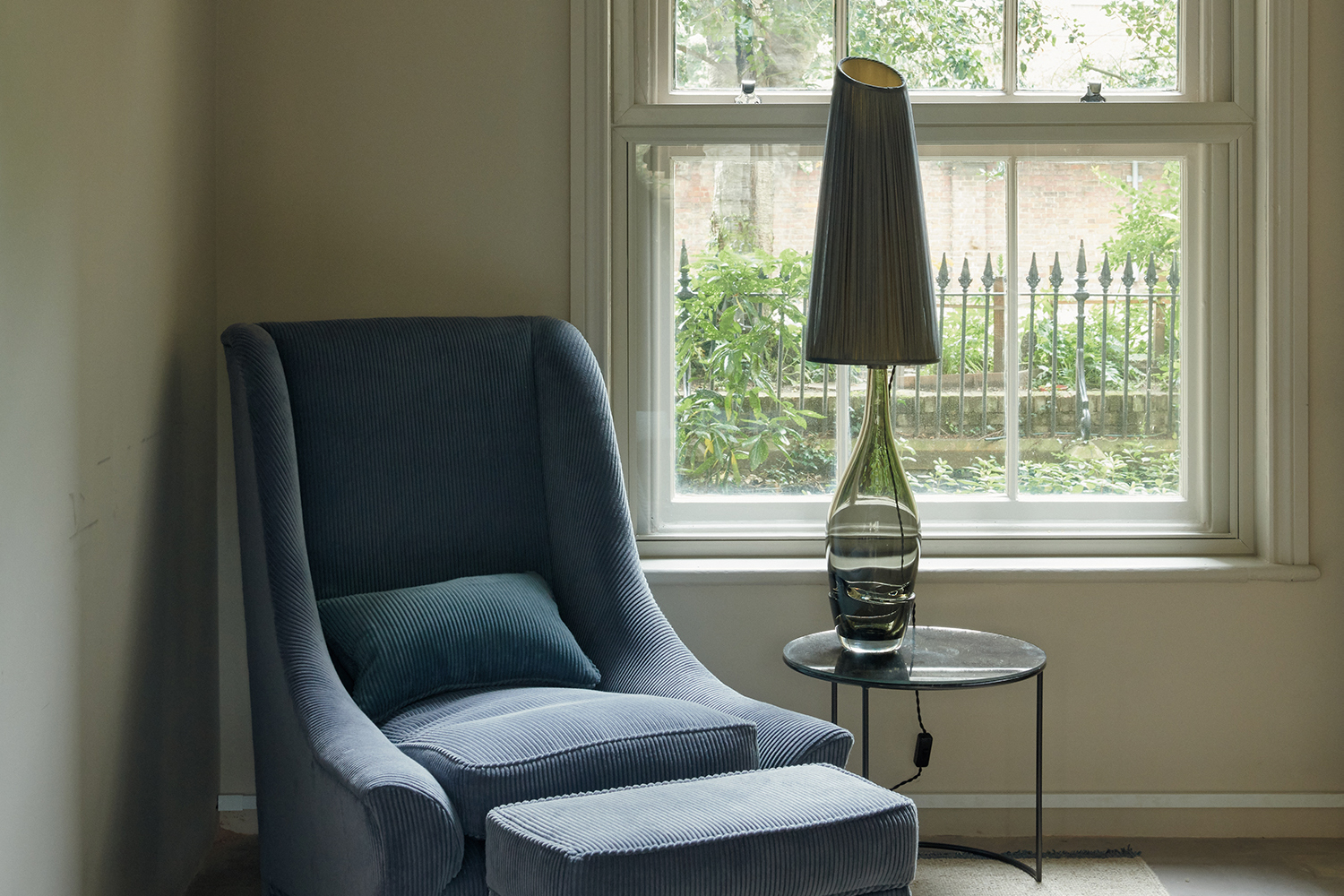
Glass table lamps are the design world’s quiet overachievers. They do not shout like a neon sign, they do not demand a renovation budget, and they rarely start arguments with your sofa. Instead, they bring light, reflection, texture, and a little bit of “yes, I meant to style this room” energy to a space. Whether you love clear glass, smoky glass, opaline globes, ribbed shades, or sculptural hand-blown forms, a glass table lamp can make a room feel brighter without visually crowding it.
The beauty of a glass table lamp is its flexibility. In a small apartment, a transparent base keeps the room feeling open. On a bedroom nightstand, a frosted shade softens the light so your evening routine feels less like a dentist’s office. In a living room, a colored glass lamp adds just enough personality without turning the side table into a carnival float. Glass plays well with wood, marble, brass, chrome, linen, rattan, leather, and almost every interior style from modern farmhouse to midcentury modern.
This guide rounds up ten easy glass table lamp ideas inspired by current design retailers, classic lighting principles, and real-world decorating needs. Think of it as a shopping and styling roadmap rather than a strict ranking. The best lamp for your home is the one that gives you the right glow, the right scale, and the right amount of joy when you walk into the room.
Why Glass Table Lamps Work So Well
Glass has a special advantage in lighting: it can be both visible and invisible. A clear glass base practically disappears, which is helpful when your room already has patterned rugs, artwork, books, plants, and that one chair currently holding three jackets. Frosted or opal glass, meanwhile, diffuses light beautifully, reducing harsh glare and creating a soft atmosphere. Ribbed, fluted, seeded, and tinted glass add texture, making the lamp feel decorative even when it is switched off.
Another reason glass table lamps are so popular is their range. Some designs feel vintage, like something discovered in a charming antique shop where everything smells faintly of cedar. Others are sleek and modern, with dome shapes, mushroom silhouettes, or minimalist globes. You can find budget-friendly glass lamps for a guest room, designer icons for a forever home, and playful accent lamps for shelves, consoles, or bedside tables.
10 Easy Pieces: Glass Table Lamps to Know
1. The Ribbed Glass Table Lamp
A ribbed glass table lamp is a smart choice if you want texture without heavy visual weight. Ribbing catches light in vertical lines, giving the lamp a tailored look. It works especially well in bedrooms, entryways, and living rooms where you want a soft sparkle rather than full-on chandelier drama. A ribbed glass base paired with a simple white or linen shade feels classic, while a ribbed glass mushroom shape leans more playful and modern.
Use this style when your room needs quiet detail. It looks particularly good beside upholstered beds, wood nightstands, and neutral sofas. If your space has a lot of smooth surfaces, ribbed glass adds just enough movement to keep the room from feeling flat.
2. The Opal Glass Globe Lamp
Opal glass is a favorite for a reason: it glows like a tiny moon that has decided to become useful. Unlike clear glass, opal glass hides the bulb and spreads light evenly. Globe lamps are excellent for mood lighting, reading corners, and nightstands where glare can be annoying. They also look good from every angle, which matters if the lamp sits on a console, open shelf, or floating side table.
Choose an opal glass globe lamp for minimalist rooms, Scandinavian-inspired spaces, or anywhere you want a calm, rounded shape. It softens angular furniture and helps balance rooms with lots of straight lines.
3. The Mushroom Glass Table Lamp
Mushroom lamps are having a long design moment, and glass versions are some of the most charming. Their rounded cap shape gives them a retro 1970s feel, but the right finish can make them look current rather than costume-y. A white frosted glass mushroom lamp feels clean and sculptural. Amber, smoke, or swirl glass adds warmth and personality.
This is the lamp for people who want their lighting to have a point of view. Place one on a low dresser, nightstand, or small accent table. Because mushroom lamps often glow from the whole body, they can act like a decorative object and a light source at the same time.
4. The Clear Glass Base with Linen Shade
The clear glass base with a linen shade is the little black dress of table lamps. It is simple, flattering, and very hard to mess up. The transparent base keeps the lamp from feeling bulky, while the fabric shade adds warmth. This style is ideal for coastal homes, traditional rooms, transitional interiors, and small spaces where a solid ceramic or metal base might feel too heavy.
For a refined look, choose a base with a subtle shape: a column, teardrop, gourd, or faceted form. Pair it with a drum or slightly tapered shade. If your room feels too formal, a clear glass lamp can lighten the mood without making the design feel casual.
5. The Amber Glass Lamp
Amber glass brings instant warmth. It has that golden-hour effect designers love: flattering, cozy, and slightly nostalgic. An amber glass table lamp can make a white room feel less chilly, a dark room feel richer, and a neutral room feel more layered. It pairs beautifully with walnut, brass, camel leather, terracotta, olive green, and creamy textiles.
This style works best where you want atmosphere: living rooms, dens, reading corners, and bedside tables. Use a warm white bulb to enhance the amber tone. A cool bulb inside amber glass can create an odd color clash, like wearing a winter coat with flip-flops.
6. The Smoked Glass Table Lamp
Smoked glass is sleek, moody, and modern. It is a great alternative to clear glass when you want transparency but also a little edge. A smoked glass lamp can look elegant with black metal, polished nickel, marble, or dark wood. It is especially useful in contemporary apartments, masculine-leaning interiors, and rooms with a black-and-white palette.
Be careful with bulb visibility. Because smoked glass is darker but still see-through, the wrong bulb can become the star of the show in the least flattering way. Choose a good-looking LED bulb or a design with an inner diffuser if the bulb is exposed.
7. The Hand-Blown Glass Accent Lamp
Hand-blown glass lamps often have slight variations, which is part of their appeal. They feel more like art objects than basic lighting. You might see soft bubbles, subtle curves, cloudy finishes, or sculptural forms that make each piece feel individual. These lamps are perfect for people who want their home to look collected rather than copied from a showroom.
A hand-blown glass accent lamp works well on a bookshelf, console, writing desk, or sideboard. Because many of these pieces are decorative, check brightness before buying. Some are better for mood lighting than task lighting, which is fine as long as you are not expecting them to illuminate your tax paperwork at midnight.
8. The Glass-and-Brass Table Lamp
Glass and brass are a dependable pair. Brass adds warmth and structure; glass adds lightness and shine. Together, they feel polished without being stiff. This combination works across traditional, Art Deco, midcentury, and modern interiors. A brass stem with an opal glass shade can feel timeless, while a glass base with brass accents feels airy and sophisticated.
Use glass-and-brass lamps when a room needs a little jewelry. They look especially good on wood nightstands, marble-topped tables, and console tables near mirrors. Just avoid overdoing the metallic finishes. If everything in the room is shiny, your lamp may start to look like it is attending a disco alone.
9. The Designer Glass Icon
Some glass table lamps are more than lighting; they are design statements. Think of lamps with layered opal shades, sculptural pressed glass, or famous modern silhouettes. These pieces often cost more, but they can anchor a room the way a great chair or artwork does. A designer glass lamp can be worth the investment in a space you use every day, such as a primary bedroom, living room, or home office.
If you choose a statement lamp, give it breathing room. Do not bury it between a stack of mail, a candle, two remotes, and a half-empty water glass. A strong lamp deserves a clear surface, a few thoughtful accessories, and the dignity of not competing with yesterday’s receipts.
10. The Small Glass Bedside Lamp
Small glass bedside lamps are excellent for compact rooms, guest rooms, and apartment bedrooms. A petite lamp with a frosted shade, clear base, or mini globe form can provide enough light for winding down without overwhelming the nightstand. The key is proportion. The lamp should feel tall enough to be useful but not so tall that the bulb shines directly into your eyes while you are trying to read.
For bedside use, look for soft diffusion, easy switching, and stable construction. Touch controls, dimmers, and warm LED bulbs can make a big difference. Your future sleepy self will thank you when you can turn off the lamp without performing a full archaeological dig behind the nightstand.
How to Choose the Right Glass Table Lamp
Start with the Purpose
Before you fall in love with a lamp because it looks adorable online, ask what job it needs to do. Is it for reading? Ambience? A dark hallway? A decorative console? A bedroom? Task lighting needs more focused brightness, while ambient lighting can be softer and more diffused. Glass globes, frosted shades, and mushroom lamps are excellent for glow. Directional lamps or fabric-shaded lamps are usually better when you need focused light.
Get the Scale Right
A table lamp should relate to the furniture around it. On a nightstand, the bottom of the shade should generally sit near eye level when you are sitting in bed. On a side table, the lamp should not tower over the sofa like a lighthouse. A common design rule is that the shade should be wider than the widest part of the base and visually balanced with the total height of the lamp.
For small tables, choose a slim or transparent base. For large consoles or wide nightstands, you can use a chunkier glass form or a pair of matching lamps. When in doubt, measure first. “It looked smaller in the photo” is the official anthem of online furniture shopping.
Choose the Right Shade
Glass table lamps may come with fabric shades, glass shades, or no traditional shade at all. Fabric shades soften light and add texture. Opal glass shades diffuse light evenly and look modern. Clear glass shades are crisp and architectural but may expose the bulb, so choose the bulb carefully. Pleated shades can add a traditional or romantic note, while drum shades feel cleaner and more contemporary.
Think About Bulb Temperature
The bulb can make or break a glass lamp. For most living spaces and bedrooms, warm white light around 2700K creates a cozy atmosphere. Cooler light may work in a task-focused office, but in a bedroom it can feel too clinical. Dimmable bulbs are a smart upgrade, especially for glass lamps that are used at night.
Consider Cleaning and Maintenance
Glass looks gorgeous, but it does show fingerprints, dust, and the occasional mystery smudge. Clear glass requires the most maintenance, while ribbed, frosted, seeded, or tinted glass is more forgiving. Keep a microfiber cloth nearby and avoid harsh cleaners that can damage finishes or leave streaks. For glass shades, always let the lamp cool before cleaning.
Where Glass Table Lamps Look Best
In the Bedroom
Glass lamps are wonderful in bedrooms because they keep the room feeling calm and uncluttered. A pair of matching opal glass lamps can create symmetry, while two different but related glass lamps can make the space feel more collected. Choose warm bulbs and consider dimmers if you read at night.
In the Living Room
In a living room, glass table lamps help layer lighting. Place one on a side table near a sofa, another on a console, or a small accent lamp on a bookshelf. The goal is to create pools of light, not one harsh overhead blast. A room lit only from the ceiling often feels flat; table lamps bring depth and comfort.
In the Entryway
A glass lamp on an entry console creates an instant welcome. Clear or smoked glass keeps the area feeling open, while amber or opal glass adds warmth. Pair the lamp with a tray, a small bowl for keys, and a mirror to bounce light around. Congratulations, your entryway now looks intentional.
In the Home Office
Glass table lamps can work in home offices, but choose carefully. For work, you may need a lamp with enough brightness and direction. A frosted glass lamp can add mood, while a lamp with a fabric shade may reduce glare on screens. If the lamp is mainly for Zoom background charm, a sculptural glass piece can do the job beautifully.
Common Mistakes to Avoid
The first mistake is choosing a lamp that is too small. Tiny lamps can look lost on large nightstands or consoles. The second mistake is ignoring the bulb. Exposed bulbs need to be attractive and comfortable to look at. The third mistake is buying only for looks. A lamp can be stunning, but if it does not provide the kind of light you need, it becomes a very expensive decoration with a cord.
Another common issue is placing glass lamps in high-traffic areas where they can be bumped. Glass is durable enough for normal use, but it is still glass. If you have pets, younger siblings, or a household member who gestures dramatically while telling stories, choose stable bases and safer locations.
Real-Life Experiences with Glass Table Lamps
After using and styling glass table lamps in different rooms, one thing becomes clear: the lamp that looks best in a product photo is not always the lamp that works best in daily life. Clear glass bases are beautiful in small spaces because they do not block the view of the table, wall color, or artwork behind them. In a compact bedroom, a clear glass lamp can make the nightstand feel less crowded, even when the nightstand is secretly carrying a book, lip balm, phone charger, water glass, and the emotional weight of your unfinished to-do list.
Frosted glass lamps are often the easiest to live with. They are forgiving, soft, and flattering. In the evening, they create a glow that makes a room feel calm almost instantly. They are especially useful in bedrooms and living rooms where relaxation matters more than bright task light. A frosted globe lamp on a dresser can turn a plain corner into a quiet focal point, especially when paired with a small framed print or a vase of branches.
Tinted glass is where personality enters the room. Amber glass feels warm and vintage, smoke glass feels modern and a little dramatic, and green or blue glass can bring a fresh decorative accent. The trick is to repeat the color somewhere else, even subtly. An amber lamp looks more intentional when the room also has warm wood, brass hardware, tan leather, or rust-colored pillows. A smoke glass lamp looks sharper when paired with black frames, charcoal textiles, or polished metal.
Cleaning is the less glamorous part, but it matters. Clear glass looks best when it is clean, which means fingerprints are not invited to the party. Ribbed and seeded glass are more forgiving, making them better for busy homes. If the lamp sits near a bed or sofa, a dimmer is worth it. Full brightness is great when you are looking for a lost earring; soft brightness is better when you are trying to convince your brain that bedtime is not a personal attack.
The best experience comes from matching the lamp to the rhythm of the room. A bedside lamp should be easy to switch off. A living room lamp should create atmosphere. An entryway lamp should look good even when turned off. A desk lamp should help you see what you are doing. Glass table lamps can handle all of these jobs, as long as you choose the right shape, shade, bulb, and scale. When everything works together, the lamp stops being just an accessory and becomes part of how the room feels.
Conclusion
Glass table lamps are one of the easiest ways to refresh a room without repainting walls, replacing furniture, or pretending you suddenly enjoy complicated DIY projects. They add glow, texture, reflection, and style while keeping spaces feeling open and layered. From ribbed glass and opal globes to amber accents and designer icons, there is a glass lamp for nearly every room and budget.
The secret is to choose with both beauty and function in mind. Think about where the lamp will sit, how much light you need, whether the shade diffuses glare, and how the glass finish works with the rest of your decor. A great glass table lamp should look good in daylight, glow beautifully at night, and make your room feel more finished the moment you switch it on.
Note: Product names, prices, and availability can change over time. Use this article as a style and buying guide, then confirm current specifications before purchasing.