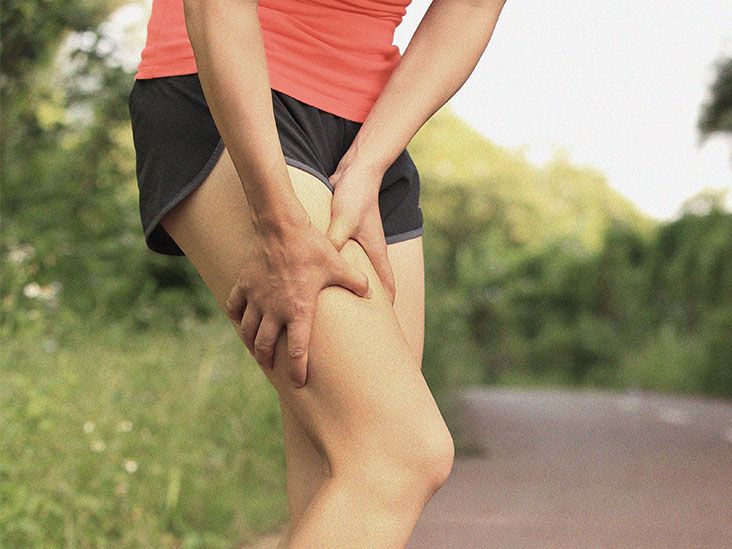
If you’ve ever felt a weird burning, tingling, or numb “hot strip” along the outside of your thigh, you might’ve wondered: Did I anger my leg? Did I sit wrong? Is my jeans budget too aggressive?
Meralgia paresthetica (meh-RAL-juh pair-uh-STHET-ih-kuh) can feel dramatic, but the usual cause is surprisingly unglamorous: a sensory nerve gets compressed near the front of your hip. The good news? Many cases improve with simple changes and a smart, gentle exercise plan that reduces pressure, improves mobility, and builds support around the pelvis and hip.
This article explains what’s going on, what helps, what to avoid, and a practical routine you can actually stick withwithout turning your life into a foam-rolling documentary.
What is meralgia paresthetica?
Meralgia paresthetica is irritation or compression of a nerve called the lateral femoral cutaneous nerve. That nerve is a sensory-only nerveits job is to carry feeling from the skin of your outer/front thigh to your brain. So when it’s cranky, you can get sensations like:
- Burning, buzzing, tingling (“pins and needles”) on the outer thigh
- Numbness or reduced sensation in a patch
- Aching, sensitivity to touch, or discomfort with standing/walking
- A very specific area you can often “outline” with your hand
Because it’s sensory-only, classic meralgia paresthetica does not usually cause true muscle weakness. If you’re noticing leg weakness, foot drop, severe back pain, or symptoms traveling below the knee, that’s a clue to get evaluated for other causes.
Think of this condition as “burning thigh pain from a squeezed sensory wire”annoying, sometimes intense, but often manageable once you reduce the squeeze.
Why it happens: the “pinched nerve” story (with fewer villains)
The lateral femoral cutaneous nerve travels from the low back/pelvis area toward the front of your hip, then passes near the inguinal ligament (the band-like structure at the crease where your torso meets your thigh). That “corner” can become a pinch point.
Common reasons the nerve gets compressed
- Tight clothing or gear (belts, tool belts, shapewear, heavy waist packs)
- Weight gain or central pressure around the waist/hip region
- Pregnancy (extra pressure + posture shifts)
- Prolonged standing or walking (especially with limited hip mobility)
- Diabetes or other conditions that can affect nerves
- Trauma or surgery near the pelvis/hip (less common, but possible)
Why exercise can help (even though it’s a nerve issue)
Exercises won’t “stretch the nerve into happiness” (nerves hate being yanked), but a good plan can:
- Reduce compression by improving hip and pelvic positioning
- Decrease protective tension in hip flexors, quads, and lower back
- Build support in glutes and core so the front-hip region doesn’t do all the work
- Improve mobility so daily movement is smoother and less irritating
Translation: we’re not trying to “fight” your nervewe’re trying to make your hip area a less crowded hallway.
Safety first: a quick checklist before you start
Most people can try gentle mobility and strengthening, but don’t push through sharp, zapping pain. Use a “green-yellow-red” guide:
- Green: mild stretch or effort, symptoms stay the same or ease afterward
- Yellow: mild symptom increase during the move, settles within 30–60 minutes after
- Red: sharp/electric pain, symptoms spike and stay worse for hours, or new symptoms appear (stop and modify)
Pause and get medical advice sooner if you have:
- New or worsening leg weakness, severe back pain, or symptoms spreading below the knee
- Fever, unexplained weight loss, major trauma, or severe night pain
- Rapidly worsening numbness or difficulty walking
- Diabetes with new nerve symptoms (worth checking early)
If you’re a teen or you’re not sure what’s causing your symptoms, it’s especially smart to loop in a parent/guardian and a clinician or physical therapist.
Exercises for pain relief and mobility
The goal is gentle mobility plus “support muscles” (glutes + deep core) so the front-hip area isn’t under constant pressure. Do these slowly. Breathe. If you can’t breathe, it’s not a stretchit’s a hostage situation.
1) Diaphragmatic breathing (60–90 seconds)
Why: Calms the nervous system and reduces bracing through the hip flexors/abdomen.
- Lie on your back with knees bent, feet on the floor.
- One hand on your belly, one on your chest.
- Breathe in through your nose so the belly gently rises; exhale slowly like you’re fogging a mirror.
- Keep shoulders relaxed; let the front of the hips soften.
2) Posterior pelvic tilts (8–12 reps)
Why: Helps you find a neutral pelvis and unload the front-hip crease.
- Same position: on your back, knees bent.
- Gently flatten your low back toward the floor by tucking your pelvis slightly.
- Hold 2 seconds, then relax.
- Keep the motion smallno dramatic “tuck and pray.”
3) Half-kneeling hip flexor stretch (30–45 seconds each side)
Why: Tight hip flexors can increase pressure near the inguinal ligament area.
- Kneel on one knee (use a pillow), other foot in front like a lunge.
- Gently tuck the pelvis (like in pelvic tilts) and shift forward slightly until you feel a stretch in the front of the hip of the kneeling leg.
- Keep ribs down; don’t arch your back to “cheat” the stretch.
- Optional: raise the arm on the kneeling side and lean slightly away for a mild side stretch.
4) Standing quad stretch (20–30 seconds each side)
Why: Quads connect into the front-hip region; easing tension can reduce irritation.
- Hold a wall or chair for balance.
- Bend one knee and hold your ankle (or use a strap/towel if needed).
- Keep knees close; gently tuck pelvis; feel stretch in front of thigh.
- If this triggers thigh burning, shorten range or switch to a prone quad stretch (lying on your stomach).
5) Figure-4 glute stretch (30–45 seconds each side)
Why: Glute tightness can alter pelvic mechanics and gait, increasing front-hip strain.
- Lie on your back, knees bent.
- Cross one ankle over the opposite thigh (making a “4”).
- Gently pull the uncrossed thigh toward you until you feel a stretch in the glute/hip.
- Keep it gentleno wrestling your own leg like it owes you money.
6) Side-lying “open book” trunk rotation (6–8 reps each side)
Why: Improves mid-back/torso mobility so the pelvis isn’t forced to compensate.
- Lie on your side with knees bent and arms straight out in front.
- Slowly open the top arm across your body, rotating your upper back.
- Let your head follow your hand; keep knees together.
- Return slowly. Don’t force range.
7) Glute bridge (8–12 reps)
Why: Strong glutes reduce the workload of hip flexors and improve hip stability.
- On your back, knees bent, feet hip-width.
- Exhale, gently tuck pelvis, then lift hips until your body forms a straight line from shoulders to knees.
- Pause 1–2 seconds, lower slowly.
- Keep ribs down and avoid flaring your back.
8) Clamshells (10–15 reps each side)
Why: Strengthens the side-glutes (hip abductors), which help control pelvic position during walking/standing.
- Lie on your side with knees bent, feet together.
- Keep hips stacked; open the top knee like a clamshell without rolling backward.
- Slowly close. Add a resistance band only if symptoms are calm.
9) Supported hip hinge (8–10 reps)
Why: Teaches a hip-driven movement pattern so the front hip crease isn’t constantly compressed.
- Stand facing a wall, hands on the wall for support.
- Soften knees and push hips back like you’re closing a car door with your butt (classy, but effective).
- Keep spine neutral; return to stand by squeezing glutes lightly.
10) Gentle walking “dose” (optional)
Walking can help circulation and movement variety, but for meralgia paresthetica it’s all about the right dose. Start with a short, symptom-neutral walk (even 5 minutes). If symptoms flare, shorten duration, change pace, or take more frequent breaks.
What about nerve glides?
You may see “nerve flossing” online. For meralgia paresthetica, nerve irritation often happens near the inguinal ligament, and aggressive nerve tensioning can backfire. If a clinician clears you for it, keep any nerve-glide motion very gentle and stop if symptoms spike. When in doubt, prioritize the mobility + glute/core plan above.
Sample routines you can follow
Routine A: 10-minute “calm it down” day (flare-friendly)
- Diaphragmatic breathing 60 seconds
- Posterior pelvic tilts 10 reps
- Figure-4 glute stretch 30 seconds/side
- Half-kneeling hip flexor stretch 30 seconds/side
- Open book rotation 6 reps/side
Tip: This routine is about quieting symptoms, not “getting a workout.”
Routine B: 15–20 minute mobility + support (most days)
- Breathing 60 seconds
- Pelvic tilts 10 reps
- Hip flexor stretch 45 seconds/side
- Standing quad stretch 20–30 seconds/side
- Glute bridges 10 reps
- Clamshells 12 reps/side
Routine C: 20–25 minute strength emphasis (2–3 days/week)
- Breathing 60 seconds
- Glute bridges 12 reps
- Clamshells 15 reps/side
- Supported hip hinge 10 reps
- Short walk 5–10 minutes if symptom-neutral
Progress slowly: add a few reps first, then add resistance later. Your nerve prefers “polite consistency” over “heroic Monday workouts.”
Lifestyle tweaks that make exercises work better
Exercises help, but meralgia paresthetica often improves fastest when you also reduce the daily compression that started the whole drama.
- Loosen the waistband: Swap tight belts/jeans for looser options, especially during flares.
- Rethink tool belts or heavy waist packs: Consider suspenders or load distribution that avoids the hip crease.
- Change positions often: If standing aggravates symptoms, break it up with brief sitting or gentle walking; if sitting irritates, stand and reset posture.
- Supportive posture (not rigid posture): Stand tall through the chest, soften the ribs, keep pelvis neutralnot aggressively tucked or arched.
- Weight management (if relevant): Even modest changes can reduce pressure around the inguinal regionno crash diets, just sustainable habits.
- Heat or ice: Some people prefer heat to relax muscles; others like ice for symptom flare-ups. Use what calms your symptoms.
If symptoms are persistent, clinicians may also consider medications for nerve pain, targeted injections/blocks, or (rarely) surgeryusually after conservative steps have been tried.
When to see a doctor (or physical therapist)
If symptoms are mild and clearly linked to a compressive trigger (tight clothing, tool belt, recent weight change), conservative care and gentle exercise may be enough. But make an appointment if:
- Symptoms don’t improve after a few weeks of consistent changes
- Pain is severe, sleep-disrupting, or worsening
- You’re unsure it’s meralgia paresthetica versus a back/hip issue
- You have diabetes or another condition affecting nerves
- You notice weakness, spreading numbness, or new neurological symptoms
A clinician may diagnose meralgia paresthetica mainly through history and physical exam, and may use tests to rule out other causes when needed.
Experiences: what people commonly notice over time (and why that matters)
People often describe meralgia paresthetica as a “mystery burn” that appears out of nowhereuntil they look back and realize their hip crease has been under constant pressure. Here are common patterns people report (and how to use them to guide your recovery).
1) The “clothing detective” moment
A lot of people don’t connect symptoms to wardrobe at first. They’ll say, “It started during a busy week,” and then realize that week included tighter jeans, a new belt, shapewear, a work tool belt, or carrying something heavy around the waist. Once they switch to looser clothing, symptoms often soften within days. That doesn’t mean clothes were the only causejust that compression was the loudest trigger. The exercise plan works better when that trigger is removed.
2) Standing feels worse, but sitting isn’t always magic
Many people notice symptoms ramp up with prolonged standing or long walksespecially on hard surfaces. Others notice that sitting (especially slouched sitting) irritates the front-hip crease too. That’s why “position changes” are so effective: the goal isn’t to find one perfect posture and freeze forever; it’s to avoid one position becoming your whole personality.
3) The “is this my back?” spiral
Because the sensation can feel like a nerve issue (it is!), people often assume it must be sciatica or a spine problem. Sometimes back issues do contribute, but meralgia paresthetica tends to stay in a specific patch on the outer/front thigh and usually doesn’t travel down into the calf or foot. People commonly feel relieved once a clinician explains the lateral femoral cutaneous nerve is sensory-only and the plan is mostly conservative. That reassurance mattersstress and guarding can keep the hip flexors and abdominal area braced, which keeps pressure high.
4) Progress is rarely a straight line
A common experience is “two good days, one bad day.” That doesn’t mean you’re failing. Nerve irritation can calm slowly, and it’s sensitive to spikes in load: a long shopping trip, a sports practice, a sudden return to running, or even just a long day on your feet. People who do best usually treat flare-ups as “feedback,” not “doom.” They temporarily switch to the 10-minute calming routine, loosen compression, and ramp back up once symptoms settle.
5) Small strength gains can change everything
People are often surprised that gentle glute and core work helps a “thigh nerve problem.” But once the glutes start doing their job, the pelvis and hip move more efficiently. That can reduce the constant tug-of-war around the front hip crease. The biggest win stories are usually not “I found one magical stretch,” but “I did a few basics consistently, stopped squeezing the nerve daily, and my symptoms gradually got quieter.”
6) Returning to sports and workouts: the “boring ramp-up” wins
If you’re active, it’s tempting to jump back into sprinting, heavy squats, or long runs the moment the burning eases. Many people learn (the hard way) that nerves dislike sudden intensity changes. The best comeback approach is a boring one: short symptom-neutral walks, controlled hip hinging, and gradual increases in volume. If your symptoms are calm for a week, add a little. If symptoms flare, step backnot to zero, but to the last comfortable level.
The takeaway: meralgia paresthetica often improves when you combine two strategiesremove the squeeze (compression triggers) and improve the system (mobility + support strength). Consistency beats intensity. Your nerve is not impressed by your willpower.