If eating well felt easy, the grocery store would not have sixteen kinds of crackers pretending to be “wellness.” Yet here we are, standing in aisle seven, reading labels like amateur detectives and wondering whether a yogurt with more sugar than a cupcake is really helping the cause. The good news is that healthy eating does not require monk-like discipline, a fridge full of rare seeds, or the emotional resilience to survive three days of plain chicken. In most cases, better diet and weight management come down to choosing more foods that fill you up and fuel you well, and fewer foods that quietly pile on calories, sodium, saturated fat, and added sugar.
This guide breaks down the best and worst food choices in plain English. No gimmicks. No shame. No “just never eat bread again” nonsense. Instead, think of this as a practical map for building meals that support a healthy weight, steady energy, and a happier relationship with food.
What Makes a Food a “Best Choice” or a “Worst Choice”?
Let’s start with a truth that diet culture hates: no single food has magical powers. A donut is not a moral failure, and kale is not a personality trait. What matters most is your overall eating pattern.
In general, the best food choices for diet and weight management tend to have one or more of these qualities:
- They are rich in fiber, protein, water, or all three, which can help you feel full longer.
- They are less calorie-dense, so you can eat satisfying portions without accidentally consuming half your day’s calories by lunch.
- They are minimally processed and naturally packed with vitamins, minerals, and other nutrients.
- They do not overload your day with added sugar, sodium, or saturated fat.
The worst food choices usually flip that formula. They often deliver a lot of calories in a small package, leave you hungry again quickly, and make it easy to overeat without much nutritional payoff. Think sugary drinks, fried foods, giant bakery muffins, candy-heavy snack bars, and ultra-processed “health” foods wearing a very convincing disguise.
Best Food Choices for Diet & Weight Management
1. Nonstarchy Vegetables: The MVPs of the Plate
Broccoli, spinach, carrots, cucumbers, peppers, tomatoes, cauliflower, zucchini, mushrooms, and leafy greens deserve better PR. These foods are high in volume and low in calories, which means they take up valuable plate real estate without pushing your calorie intake through the roof.
Vegetables also add fiber and texture, two things that make meals feel more satisfying. A grain bowl with roasted vegetables feels like dinner. A grain bowl without them feels like a side dish that wandered into the wrong room.
Smart picks: salad kits with a reasonable dressing portion, roasted Brussels sprouts, baby carrots with hummus, vegetable soups, stir-fried mixed vegetables, lettuce wraps.
Pro tip: Fill half your plate with vegetables before you negotiate with pasta, rice, or whatever comfort carb is currently calling your name.
2. Fruit: Sweet, Portable, and Less Dramatic Than Dessert
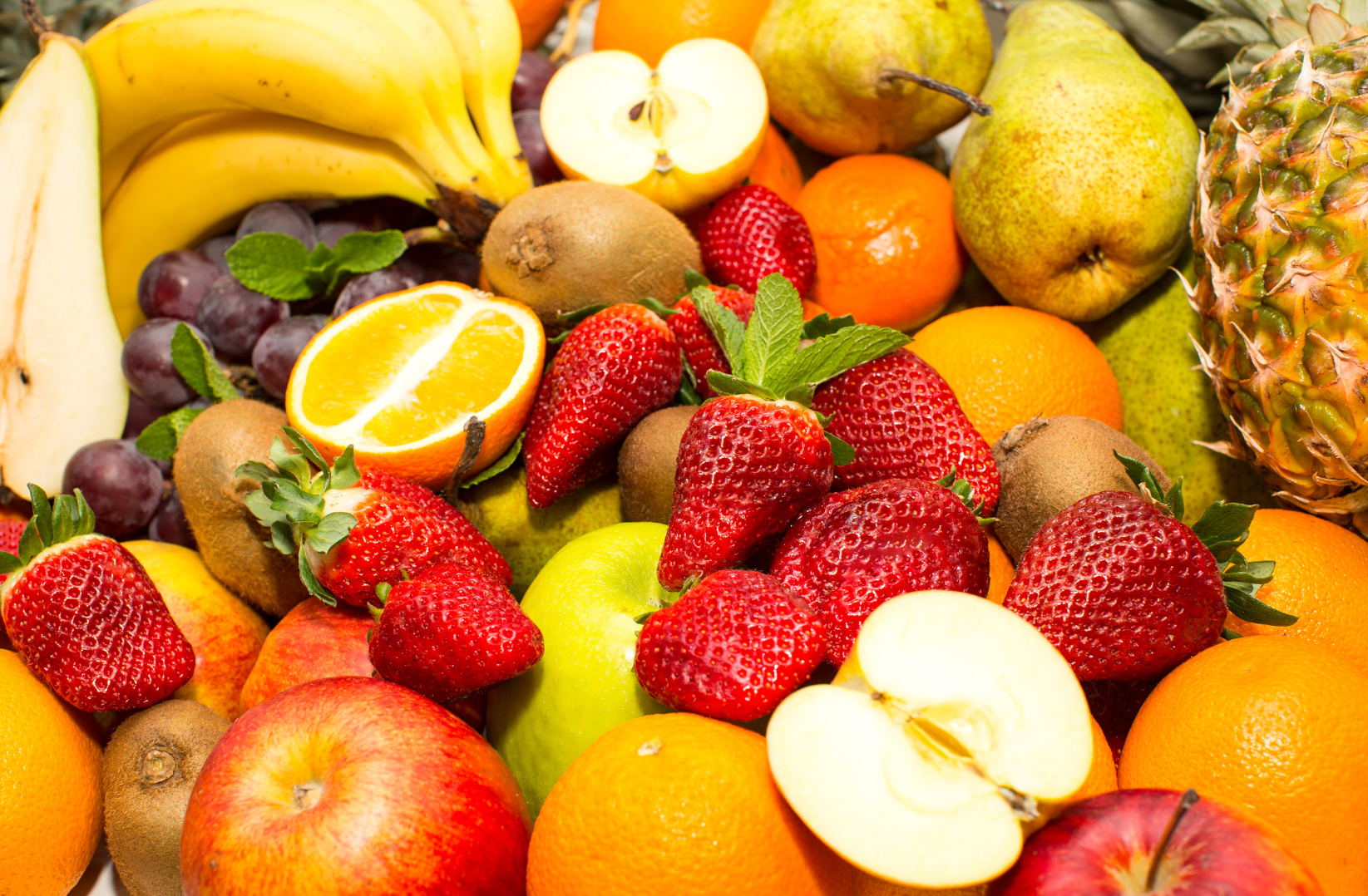
Fruit gets unfairly dragged into diet debates, usually by people who act like a banana is one bad decision away from becoming cake. In reality, whole fruit is one of the best sweet choices you can make. It contains fiber, water, and nutrients that make it far more satisfying than most processed snacks.
Berries, apples, oranges, pears, grapes, peaches, and melon are all solid options. Fruit also helps when you are trying to cut back on added sugar because it gives you sweetness with more staying power.
Best uses: berries with Greek yogurt, apple slices with peanut butter, frozen grapes for dessert, banana on oatmeal, orange segments in a salad.
3. Whole Grains: Better Than Their Refined Cousins
Whole grains are not trendy, and honestly, that makes them even more trustworthy. Oats, brown rice, quinoa, farro, barley, popcorn, and whole-wheat bread or pasta generally offer more fiber and more lasting fullness than refined grains like white bread, white rice, and many sugary cereals.
That does not mean you must break up with every white-carb comfort food forever. It simply means your usual routine should lean toward grains that keep their structure, digest more slowly, and help you avoid the “I’m starving again in 47 minutes” problem.
Best picks: steel-cut oats, plain oatmeal, brown rice bowls, quinoa salads, whole-grain toast, air-popped popcorn.
4. Lean Protein: The Hunger Tamer
Protein helps meals stick with you. It is a major reason a breakfast of eggs and fruit feels different from a breakfast of frosting disguised as cereal. Lean protein choices can support fullness and help you maintain muscle while losing weight.
Great options include beans, lentils, fish, skinless chicken or turkey, eggs, tofu, tempeh, edamame, low-fat cottage cheese, and plain Greek yogurt. Beans and lentils get bonus points because they combine protein with fiber, which is basically the nutritional equivalent of hiring two excellent employees for the price of one.
Easy upgrades: swap sausage for eggs, trade pepperoni pizza nights for grilled chicken flatbread with veggies, add black beans to tacos, use Greek yogurt instead of sour cream.
5. Healthy Fats in Sensible Amounts
Fat is not the villain; overdoing calorie-dense fats is the issue. Foods like nuts, seeds, avocado, olive oil, and nut butters can absolutely fit into a healthy eating pattern. They add flavor, texture, and satisfaction. The catch is portion size.
A little almond butter on toast? Great. Half the jar while standing at the kitchen counter after a stressful email? Less ideal.
Best choices: a small handful of nuts, chia seeds in yogurt, avocado on whole-grain toast, olive oil-based dressings, peanut butter paired with fruit.
6. Low-Fat or Unsweetened Dairy and Dairy Alternatives
Milk, yogurt, cottage cheese, and fortified soy alternatives can be useful parts of a balanced diet, especially when you choose versions lower in added sugar and saturated fat. Plain Greek yogurt is especially handy because it is high in protein and can moonlight as breakfast, snack, or the base of a savory sauce.
Watch for: flavored yogurts, dessert-like coffee drinks, and smoothies that look healthy but quietly contain enough sugar to qualify as a romantic gesture from the candy industry.
7. Water, Sparkling Water, and Unsweetened Drinks
If you change only one thing, make it this: stop drinking so many calories. Sugary beverages are one of the easiest ways to rack up excess sugar without feeling full. Soda, sweet tea, energy drinks, fancy coffee drinks, and many bottled smoothies can derail a weight-management plan fast.
Water is still elite. Sparkling water, unsweetened tea, black coffee, or coffee with a modest amount of milk can also work. Your beverage should not be a stealth dessert unless that is the actual plan and you are owning it.
Worst Food Choices for Diet & Weight Management
1. Sugary Drinks
These are the classic troublemakers. Soda, fruit punch, sweetened iced tea, many sports drinks, and oversized sweet coffee drinks deliver calories quickly and do very little to control hunger. They are easy to consume, easy to underestimate, and easy to repeat later in the day.
Better swap: flavored sparkling water, unsweetened iced tea with lemon, or coffee with less syrup and a smaller size.
2. Fried Foods
Fried chicken, French fries, onion rings, fried appetizers, and fast-food combo meals are often heavy on calories, saturated fat, and sodium. They can fit occasionally, but making them a habit is a shortcut to feeling sluggish while wondering why your jeans have developed trust issues.
Better swap: grilled, baked, roasted, or air-fried versions with a vegetable side.
3. Refined Carbs With Little Fiber
White bread, pastries, many crackers, sugary cereals, and oversized bagels can be easy to overeat and may not keep you full for long. Refined grains are not evil, but when they dominate the day, they tend to crowd out more filling choices.
Better swap: whole-grain toast, oatmeal, brown rice, or a smaller portion of refined grains paired with protein and vegetables.
4. “Healthy” Snack Foods That Are Basically Candy in Activewear
Granola clusters, protein cookies, sweetened yogurt bites, energy bars, and smoothie bowls can sound virtuous while still being loaded with sugar and calories. Packaging is not nutrition. A leaf on the label is not a medical degree.
What to do: read the Nutrition Facts panel and ingredient list. If the snack tastes like dessert and reads like dessert, treat it like dessert.
5. Processed Meats and Heavy Restaurant Meals
Bacon, sausage, deli meats, loaded burgers, creamy pasta dishes, and giant restaurant entrées can bring a rough combination of sodium, saturated fat, and oversized portions. Even meals that start with “grilled chicken” can go off the rails once cheese, creamy sauce, fried toppings, and a side of something golden and crispy join the party.
Better swap: grilled entrées, broth-based soups, bean-based dishes, side salads, or splitting a large entrée in half before you start eating.
6. Oversized Portions of Almost Anything
This one is sneaky because even nutritious foods can become unhelpful in giant portions. Trail mix, restaurant pasta, peanut butter, smoothies, and “just a few” handfuls of cereal can add up fast. Portion size matters, especially with calorie-dense foods.
A healthy pattern is not only about what you eat. It is also about how much lands on the plate, in the bowl, or directly in your mouth while you are pretending not to snack during meal prep.
How to Build a Better Plate Without Making Yourself Miserable
Use the simple plate method
A practical meal formula looks like this:
- Half the plate: vegetables and fruit
- One quarter: lean protein
- One quarter: whole grains or starchy vegetables
- Add a small amount of healthy fat if needed
This approach is flexible enough for real life. It works at home, in restaurants, and even at office lunches where someone brought donuts “for morale.”
Pair carbs with protein or fiber
Instead of eating crackers alone, pair them with hummus. Instead of eating fruit alone and feeling snacky again soon, add yogurt or nuts. This combo helps slow digestion and usually keeps you satisfied longer.
Do not drink your hunger cues into confusion
Liquid calories are easy to overlook. If weight management is your goal, auditing your drinks can have an outsized impact.
Stop aiming for perfection
The “best” diet is the one you can actually live with. A pattern built on mostly whole, satisfying foods with room for favorites will beat a strict plan you abandon by Thursday afternoon.
Real-World Food Swaps That Actually Help
- Breakfast: sugary pastry to oatmeal with berries and nuts
- Lunch: giant deli sandwich and chips to turkey wrap with veggies and fruit
- Snack: candy bar to apple with peanut butter or Greek yogurt
- Dinner: fried takeout to grilled protein, brown rice, and roasted vegetables
- Dessert: nightly ice cream mountain to a smaller portion, fruit, or dark chocolate
The goal is not to eat like a nutrition robot. The goal is to make good choices more often than not, so your routine starts working for you instead of against you.
Common Mistakes That Make Healthy Eating Harder
Skipping meals
This often backfires and leads to intense hunger later, which can make oversized portions feel like destiny.
Trusting front-of-package marketing too much
Words like “natural,” “multigrain,” and “light” do not automatically mean a food supports weight management.
Trying to survive on foods you do not enjoy
If you hate cottage cheese, this is not your love story. Build meals around nutritious foods you genuinely like.
Ignoring the environment around you
If your kitchen is stocked with sugary drinks, giant snack bags, and emergency cookies for “guests” who never come, your food choices will be harder. Set your home up so the easier choice is also the better one.
Experiences People Commonly Have With Best & Worst Food Choices
Many people begin a diet thinking they need a dramatic overhaul, only to discover that the biggest difference comes from small, repeatable changes. A common experience is realizing that breakfast sets the tone for the whole day. Someone who used to grab a giant muffin and a sweet coffee may switch to eggs, fruit, or Greek yogurt and notice they are less hungry at 10:30 a.m. Suddenly, the break-room pastries lose some of their hypnotic power. Not because they became less tasty, but because real fullness entered the chat.
Another familiar experience happens at lunch. People often believe they are “eating light” because they chose a salad, but then the salad shows up wearing fried chicken, tortilla strips, candied nuts, and a generous waterfall of dressing. It has the energy of a small parade. Once they learn to build a meal with vegetables, lean protein, beans, and a sensible dressing portion, they often feel more satisfied and less sleepy in the afternoon. That post-lunch slump is not always destiny; sometimes it is just the creamy dressing talking.
There is also the late-afternoon crash, a beloved tradition among office workers and anyone who has ever stared into the pantry at 4 p.m. like it contains emotional answers. This is where food quality matters. A vending-machine snack of chips or candy can briefly perk you up, then leave you hungry again. A snack with protein and fiber, such as an apple and peanut butter or plain yogurt with berries, usually lands differently. It feels less like a sugar firework and more like actual support.
Dinner brings its own lessons. Many people find that when they wait too long to eat, they become vulnerable to the fastest, saltiest, cheesiest option available. That does not make them weak. It makes them hungry. Keeping basic ingredients on hand, such as frozen vegetables, eggs, canned beans, rotisserie chicken, brown rice, and soup, can make the better choice far more realistic on tired nights. Healthy eating is easier when your plan respects the fact that sometimes you are exhausted and not interested in spiralizing anything.
Social situations are another big one. Restaurant meals, parties, travel days, and family gatherings can make people feel like they have “blown” their diet. But people who succeed long-term usually describe a different mindset. They learn to choose deliberately instead of either restricting hard or going completely off the rails. They may split an entrée, skip sugary drinks, enjoy dessert without making it a three-day event, and return to their regular routine at the next meal. That flexibility is often the difference between a short-lived plan and a lasting one.
Perhaps the most important experience is discovering that the best food choices do not need to be perfect to be powerful. People often report better energy, fewer cravings, more stable hunger, and more confidence when they simply eat more whole foods and fewer highly processed ones. It is rarely glamorous. No one applauds because you chose water and grilled salmon on a Tuesday. But those quiet decisions add up. Over time, the best and worst food choices stop feeling like punishment versus fun. They start feeling like trade-offs you understand, manage, and own.
Conclusion
The best food choices for diet and weight management are usually the least flashy: vegetables, fruit, whole grains, lean proteins, beans, yogurt, nuts, and water. These foods help you feel full, support your health, and make it easier to manage calories without feeling deprived. The worst choices are often the ones that pack in calories, sugar, sodium, and saturated fat while doing very little to satisfy you for long.
You do not need to eat perfectly. You need a pattern you can repeat. Choose foods that work hard for you, keep portions realistic, and leave room for real life. That is how healthy eating becomes sustainable instead of exhausting. And honestly, that is a lot more useful than any miracle snack bar claiming to change your destiny.