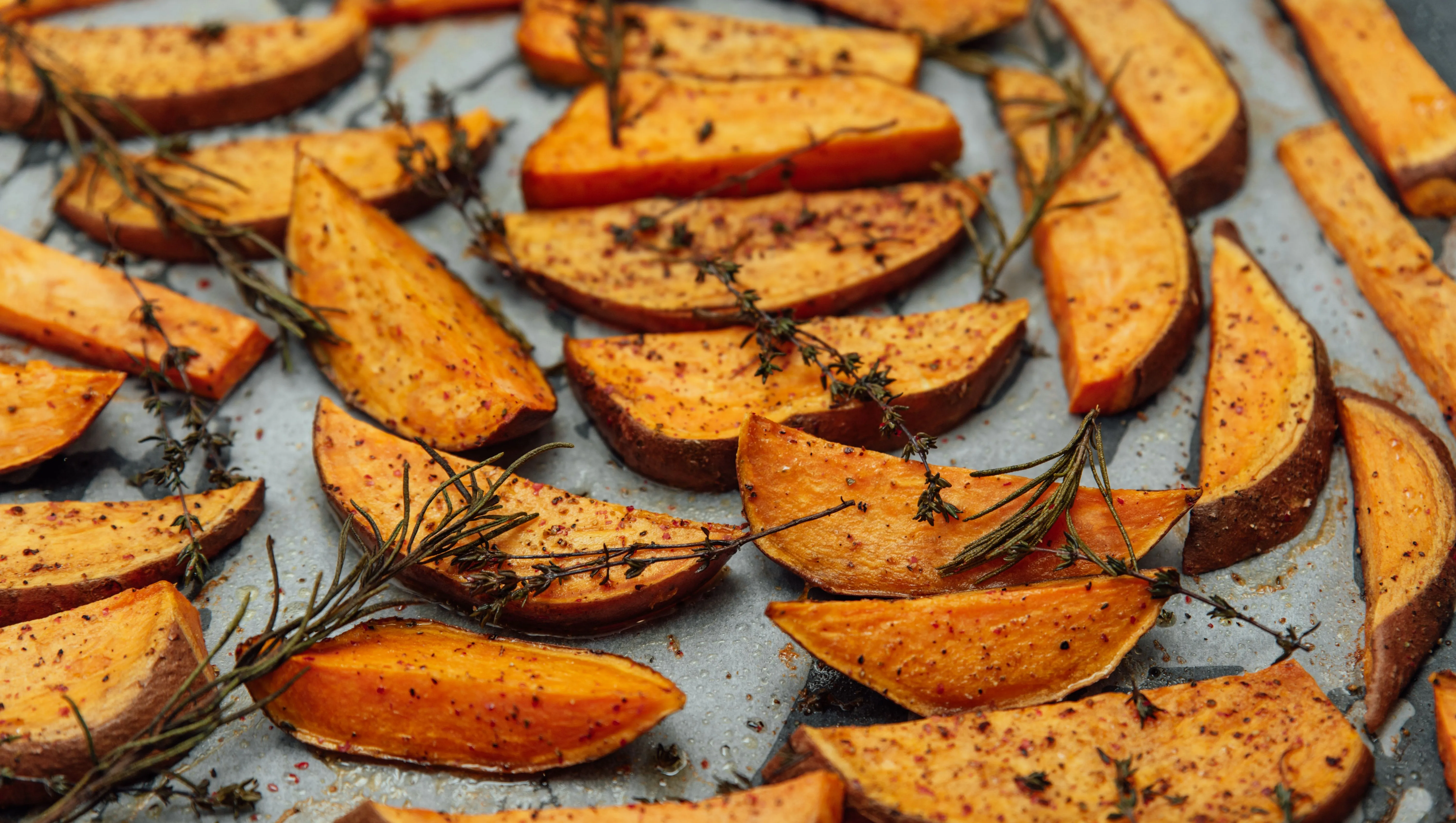
If sweet potatoes had a publicist, it would be working overtime. One minute they are being praised as a “superfood,” and the next they are being treated like a sugar grenade in orange clothing. Add yams to the conversation, and suddenly everyone at the dinner table becomes a botanist, a dietitian, and an uncle with very strong opinions.
So, are sweet potatoes and yams diabetes-friendly? In a word: yes, they can be. But there is a catch, and it is the same catch that shows up with most starchy foods. Portion size matters. Cooking method matters. What you pile on top matters. And whether you eat them as part of a balanced meal or as a solo mountain on your plate matters a lot.
For people with diabetes or prediabetes, sweet potatoes and yams do not need to be banished to the “absolutely not” list. They are carbohydrate-containing vegetables, which means they can raise blood sugar. But they also bring fiber, vitamins, minerals, and staying power to the table. In other words, they are not candy bars wearing vegetable costumes. They are real food, and real food deserves a more thoughtful conversation.
Sweet Potatoes vs. Yams: Are They Even the Same Thing?
Before we talk diabetes, let’s clear up the produce aisle identity crisis. In the United States, many foods labeled “yams” are actually sweet potatoes. True yams are a different plant altogether. They are usually starchier, drier, rougher on the outside, and much less common in regular U.S. grocery stores.
That means when most Americans ask whether yams are diabetes-friendly, they are usually talking about orange-fleshed sweet potatoes sold under the yam nickname. Sneaky? A little. Important? Yes, because the nutrition conversation in the U.S. mostly centers on sweet potatoes, not true yams from other regions.
Still, both are starchy vegetables. Both contain carbohydrates. And both should be eaten with the same practical mindset if you are managing blood sugar: enjoy them, but measure them, pair them wisely, and do not let the holiday casserole turn them into dessert wearing a side-dish badge.
So, Are They Diabetes-Friendly?
Yes, sweet potatoes and yams can fit into a diabetes-friendly eating pattern. The better question is not, “Can I eat them?” but, “How much, how often, and with what?”
People with diabetes do not have to avoid carbohydrates altogether. In fact, carbs are part of normal eating. The goal is to choose carbohydrate sources with more nutritional value, keep portions realistic, and build meals that support steadier blood sugar. Sweet potatoes can absolutely fit that description when they are prepared simply and eaten in sensible amounts.
Sweet potatoes contain carbohydrates, but they also provide fiber, vitamin A, vitamin C, potassium, and other plant compounds. Fiber is especially helpful because it slows digestion and can make a meal more satisfying. That does not erase the carbs, but it can make the food easier to work into a balanced meal plan than ultra-processed sweets or refined starches.
If you use carb counting, sweet potatoes and yams belong in the carb budget. They are not “free foods.” A small scoop is not the same thing as an all-you-can-eat orange avalanche. The good news is that when you treat them like a starch instead of a loophole, they become much easier to enjoy without drama.
Why Sweet Potatoes Can Be a Better Pick Than People Expect
1. They bring fiber to the meal
Fiber is one reason sweet potatoes often get a better reputation than highly refined carbs. Fiber helps slow how quickly food moves through digestion, which may soften the speed of a blood sugar rise after eating. Keeping the skin on can increase the fiber content even more, which is one reason a baked sweet potato with the skin on often beats a whipped, sugary casserole in the “better for blood sugar” category.
2. They are nutrient-dense
Sweet potatoes are especially known for beta-carotene, which the body converts into vitamin A. They also provide potassium and vitamin C. That means you are not just getting starch. You are getting a food with real nutritional value, which is exactly what many diabetes meal plans aim for: better-quality carbs, not just fewer carbs.
3. They can be satisfying
A food that helps you feel full can be useful when you are trying to avoid constant snacking or the endless hunt for “something sweet.” Sweet potatoes have a naturally sweet taste, so they can scratch that itch without sending you straight into cookie country. That does not mean they are magic. It just means they can help meals feel more enjoyable and less like a punishment.
4. They often compare well with less nutritious options
If the choice is between a moderate portion of plain roasted sweet potato and a giant serving of fries, chips, or buttery white bread, the sweet potato usually wins the quality contest. The comparison is not perfect, but the point is simple: context matters. Sweet potatoes are not “good” or “bad” in isolation. They are part of an overall meal pattern.
What Affects Blood Sugar the Most?
Portion size
This is the big one. You can turn a perfectly reasonable food into a blood sugar headache with a restaurant-sized serving. A small or moderate portion of sweet potato is one thing. A plate that looks like a sweet potato fan convention is another. A practical starting point for many people is to think of sweet potato or yam as the starch portion of the meal, not the whole meal itself.
Cooking method
Cooking can influence how quickly starch is digested. In general, boiled sweet potatoes may be gentler on blood sugar than heavily roasted or baked versions, which can break starches down differently and sometimes lead to a faster glucose rise. That does not mean baked sweet potatoes are “bad.” It simply means the same vegetable can behave a little differently depending on how it is cooked.
Added sugar and fat
Here is where many sweet potato dishes go off the rails. Candied sweet potatoes, marshmallow-topped casseroles, brown sugar glazes, and syrupy canned products may start with a vegetable, but they do not end there. Once sugar and rich toppings pile in, the blood sugar picture changes fast. The sweet potato is no longer the problem by itself; the recipe has joined a band.
What you eat with it
Pairing carbohydrates with protein, healthy fat, and non-starchy vegetables can help a meal feel more balanced. Think grilled salmon with roasted sweet potato and green beans. Or black beans, sautéed greens, and a small baked sweet potato. A sweet potato eaten alone may hit differently than one eaten with chicken, tofu, Greek yogurt sauce, or a hearty salad on the side.
Your own body
Two people can eat the same exact meal and get different blood sugar readings. Medications, activity level, time of day, sleep, stress, and insulin sensitivity all play a role. That is why your meter or CGM can be more honest than food myths. If your health care team wants you checking after meals, your own numbers can tell you whether a certain portion and preparation works for you.
Best Ways to Eat Sweet Potatoes or Yams if You Have Diabetes
Keep the serving moderate
A moderate serving is usually the sweet spot. Think of it as your carb choice for the meal, not the opening act, main event, and encore. This is where measuring helps. Eyeballing is fun until your eyeballs are wildly optimistic.
Leave the skin on when possible
If you like the texture, keeping the skin on can add fiber and make the potato feel more substantial. Just give it a good scrub first and skip the attitude that every vegetable must be peeled into submission.
Choose simpler preparations
Baked, boiled, steamed, roasted, or air-fried sweet potatoes usually make more sense than heavily sweetened casseroles or deep-fried versions. Plain does not have to mean boring. Cinnamon, smoked paprika, black pepper, garlic, herbs, or a little olive oil can carry a lot of flavor without turning dinner into dessert.
Pair it with protein and non-starchy vegetables
One of the easiest ways to make sweet potatoes more diabetes-friendly is to stop treating them like a solo act. Add chicken, fish, eggs, tofu, lentils, or beans. Fill half the plate with non-starchy vegetables like broccoli, spinach, Brussels sprouts, salad greens, or green beans. Suddenly the meal looks less like a carb festival and more like a balanced plate.
Watch the holiday extras
Butter, brown sugar, marshmallows, sweetened condensed milk, maple syrup, and sugary pecan toppings can change the nutrition story quickly. If you love holiday flavors, try cinnamon, nutmeg, orange zest, chopped nuts, or a little plain Greek yogurt instead. The sweet potato already knows how to be sweet. It does not need a sugar manager.
Are True Yams a Better Choice?
Not automatically. True yams are different from sweet potatoes, but they are still starchy vegetables with carbs that can raise blood sugar. Some people assume that because yams are less sweet-tasting, they must be better for diabetes. Taste is not a reliable blood sugar meter. A food does not have to taste like cake to affect glucose.
If you do eat true yams, use the same rules: moderate portion, balanced plate, simple preparation, and attention to your own blood sugar response. From a practical point of view, the strategy for diabetes is very similar.
Easy Meal Ideas That Make Sweet Potatoes Work
- Lunch bowl: roasted sweet potato cubes, grilled chicken, kale, pumpkin seeds, and a light vinaigrette.
- Quick dinner: a small baked sweet potato with black beans, salsa, avocado, and a side salad.
- Breakfast-for-dinner: sautéed sweet potato hash with eggs, peppers, onions, and spinach.
- Cozy meal: salmon, green beans, and mashed sweet potatoes with no added sugar.
- Plant-based option: lentil stew with a side of roasted sweet potato wedges and broccoli.
These meals work because the sweet potato is present, but it is not doing all the heavy lifting. It shares the plate with protein, fiber, and vegetables, which usually makes for steadier energy and a more realistic blood sugar response.
Common Experiences People Have With Sweet Potatoes and Blood Sugar
In real life, the sweet potato story is rarely dramatic. It is usually more like this: someone hears that sweet potatoes are healthy, buys a bag, cooks them, and then discovers that “healthy” and “unlimited” are not the same word. That lesson shows up often, and it is not failure. It is just nutrition doing what nutrition does best: being annoyingly specific.
One common experience is that a small portion works beautifully, while a giant portion does not. A person might eat half a cup of mashed sweet potato with grilled turkey and green beans and feel full, satisfied, and steady afterward. Another day, they may eat a huge baked sweet potato with very little protein and notice their blood sugar climbs more than expected. Same vegetable, different setup.
Another frequent pattern happens around holidays. Someone who normally handles sweet potatoes well suddenly runs into trouble with the casserole version. Why? Because the dish is no longer just sweet potato. It may come with brown sugar, marshmallows, butter, syrup, or sweetened toppings. At that point, the vegetable is still invited to the party, but it has brought several unhelpful guests.
People using continuous glucose monitors often notice that preparation matters too. Some find that boiled sweet potatoes create a gentler rise than roasted cubes or fries. Others learn that cooling and reheating a potato dish or pairing it with beans, fish, or chicken changes their numbers in a helpful way. The interesting thing is that these observations are often personal. One person tolerates a baked sweet potato at lunch just fine but sees a higher spike with the same meal at dinner. Bodies like to keep us humble.
Many people also report that sweet potatoes help with cravings. Because they taste naturally sweet, they can make a meal feel more comforting and less restrictive. That matters more than it may seem. A way of eating that feels miserable is hard to stick with. A dinner built around salmon, broccoli, and a small cinnamon-dusted sweet potato can feel satisfying instead of punitive. That emotional piece is not fluff. It is often the difference between a plan someone follows and a plan they abandon by Thursday.
Then there is the serving-size blind spot. Sweet potatoes are wholesome enough that people often underestimate them. They may not count the carbs, or they may treat them like a non-starchy vegetable because, well, they are a vegetable. But for diabetes management, sweet potatoes behave more like a starch than a leafy green. Once someone starts measuring portions more honestly, they often find they do not need to avoid sweet potatoes at all. They just need to stop serving themselves enough to feed a minor kingdom.
Another real-world experience is learning that toppings can make or break the meal. A plain roasted sweet potato with black beans and avocado may fit beautifully. The same sweet potato loaded with candied glaze, honey, butter, and sugary pecans becomes a very different situation. This is why many dietitians focus on the whole plate rather than singling out one food as the hero or villain.
Most of all, people tend to do best when they shift from “Can I ever eat this?” to “How can I eat this smartly?” That mindset is less stressful and a lot more sustainable. Sweet potatoes and yams do not need a halo, and they do not need a permanent ban. They just need a sensible place on the plate.
Final Takeaway
Sweet potatoes and yams can absolutely be diabetes-friendly, but they are not a free pass just because they come from the produce section. They are starchy vegetables, so they still affect blood sugar. The trick is to keep portions reasonable, choose simple cooking methods, avoid turning them into dessert, and pair them with protein and non-starchy vegetables.
If you buy “yams” in a typical U.S. grocery store, chances are you are eating sweet potatoes anyway. Either way, the practical advice is the same. Think balance, not fear. Think measured, not massive. Think roasted with salmon and broccoli, not buried under a marshmallow blizzard.
In other words, yes, sweet potatoes and yams can fit into a diabetes-friendly diet. They just do their best work when they show up as part of a smart meal, not as a sneaky sugar bomb in holiday disguise.