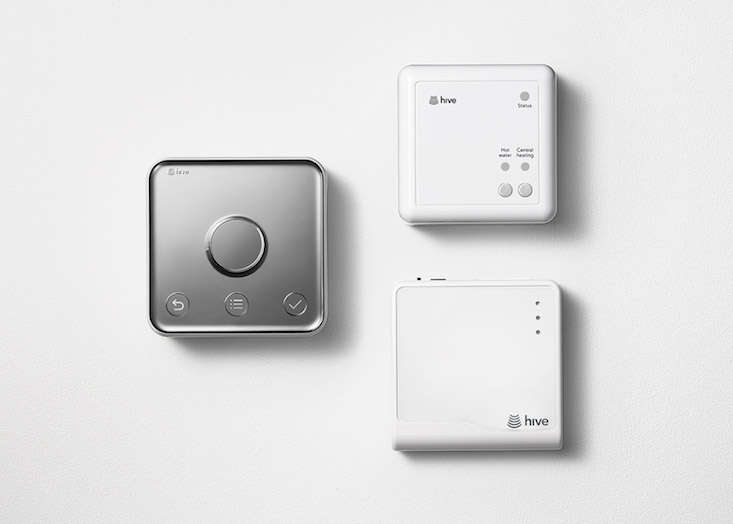
There are few household arguments more timeless than the thermostat debate. One person is “basically freezing,” another is “melting,” and the boiler quietly wonders why nobody just gave it a sensible schedule. That is where Hive Active Heating 2 and Hot Water enters the roomwell, technically it enters the wall, the app, and sometimes the kitchen counter if you use a stand.
Hive Active Heating 2 is a smart thermostat system designed to give homeowners easier control over central heating and, in the right setup, domestic hot water. It combines a modern-looking thermostat, a boiler receiver, a Hive Hub, and the Hive app so you can adjust temperatures, create schedules, boost heating, manage hot water, and avoid heating an empty house like it is a luxury spa for dust bunnies.
Although Hive is best known in the United Kingdom and Ireland, American readers often discover it while comparing smart thermostats, imported heating controls, or hot water scheduling systems. The big thing to understand is that Hive Active Heating 2 was built mainly for wet central heating systems common in the UK, especially systems using gas boilers. If you are in the United States, always check regional support, installation rules, voltage compatibility, boiler compatibility, and app availability before buying an imported unit.
What Is Hive Active Heating 2 and Hot Water?
Hive Active Heating 2 and Hot Water is a smart heating control package that lets you manage heating and hot water from a thermostat, smartphone app, web dashboard, or compatible voice assistant. In simple terms, it replaces the old “mystery box” timer on the wall with something more flexible, readable, and far less likely to make you mutter at it before coffee.
The system usually includes three main parts: the Hive Thermostat, the Hive Receiver, and the Hive Hub. The thermostat is the control point you interact with at home. The receiver connects to the boiler or wiring center and handles the actual switching. The hub connects the Hive system to your internet router, allowing remote control through the app.
The “and Hot Water” part matters. Not every heating setup can control hot water separately. Hive hot water control is typically relevant for conventional boiler systems with a separate hot water cylinder. In these systems, a dual-channel receiver can control both central heating and hot water. For combi boilers, which heat water on demand, the system usually controls heating rather than stored hot water because there is no hot water cylinder schedule to manage.
Key Features That Make Hive Active Heating 2 Useful
1. Heating Schedules That Match Real Life
Traditional timers often assume your life follows a perfect weekly pattern. Lovely idea. Completely fictional for most families. Hive lets you create heating schedules with multiple time slots, so you can warm the house before waking, lower the temperature while everyone is out, and bring comfort back before evening.
A practical example: you might set the heating to 68°F in the morning, drop it during work hours, raise it again before dinner, and lower it overnight. The exact temperature depends on comfort, insulation, climate, and personal preference, but the core benefit is simple: heat the home when people need it, not when everyone is gone.
2. Hot Water Scheduling
If your home uses a hot water cylinder, Hive can make hot water scheduling much easier. Instead of leaving hot water on for long periods “just in case,” you can schedule it around showers, dishwashing, laundry, and household routines.
For example, a family might schedule hot water from 6:00 a.m. to 8:00 a.m. for morning showers, then again from 5:00 p.m. to 7:00 p.m. for evening use. If guests arrive or someone suddenly decides the bathtub deserves a dramatic comeback, the boost function can help.
3. Heating and Hot Water Boost
The boost function is one of Hive’s most loved features because it solves the “I need warmth now” problem. You can boost heating for a set period without rewriting your entire schedule. On compatible systems, you can also boost hot water.
This is especially handy after a cold walk, a late commute, or the classic discovery that someone used all the hot water and then vanished like a tiny domestic villain. Boost gives you temporary control, then the system returns to normal scheduling.
4. Remote App Control
The Hive app allows control from almost anywhere with an internet connection. Heading home early? Turn the heat up before you arrive. Forgot to turn it down? Adjust it from your phone. On vacation and suddenly worried that your pipes are auditioning for a disaster movie? Check and change settings remotely.
Remote control is not just about comfort; it is also about avoiding waste. Many households lose energy because heating runs when no one is home. A smart heating system makes those mistakes easier to catch and correct.
5. Geolocation Alerts
Hive’s geolocation feature can remind you when you leave home and the heating is still on. It does not have to automatically take over your life like a robot butler with opinions. Instead, it can simply notify you so you can decide what to do.
This is useful for people with irregular schedules. If you work from home some days, commute on others, and occasionally leave the house in a hurry because someone forgot a soccer cleat, geolocation alerts can prevent unnecessary heating.
6. Frost Protection
Frost protection is one of those features you hope you never need but appreciate when winter gets rude. Hive can help prevent freezing pipes by activating protection when the temperature falls too low. This matters in colder climates, second homes, poorly insulated rooms, and homes left empty during winter travel.
Frost protection does not mean the home stays cozy. It means the system helps protect the plumbing from dangerously low temperatures. Think of it as the boiler saying, “I am not heating this place for movie night, but I will try to stop the pipes from becoming popsicles.”
7. Voice Assistant Compatibility
Hive works with major smart home voice ecosystems in supported regions, including Amazon Alexa, Google Assistant, Apple HomeKit, Siri Shortcuts, and IFTTT integrations. This allows hands-free temperature changes, which is great when you are cooking, cleaning, carrying laundry, or wrapped in a blanket burrito and unwilling to move.
Voice control is convenient, but it should be treated as a layer on top of good schedulingnot a replacement for it. The smartest smart home is still the one that does not require shouting at the ceiling every hour.
Hive Active Heating 2 Design and Usability
One reason Hive Active Heating 2 received attention when it launched was its design. Compared with older thermostats that looked like they were built to survive a submarine incident, Hive offered a cleaner, more modern style. The thermostat has a readable display, a dial-based interface, and physical controls that make it usable even when you do not want to open the app.
That matters. A smart thermostat should still work as a thermostat. If every tiny change requires unlocking a phone, finding an app, waiting for updates, and wondering why the Wi-Fi is emotionally unavailable, the system has missed the point.
Hive’s interface is generally simple: you can view the current temperature, see the target temperature, adjust settings, and use boost controls. The app adds deeper scheduling and remote management. For many households, the best setup is a combination: use schedules for the normal routine, the thermostat for quick local changes, and the app for remote control.
Compatibility: The Part You Should Not Skip
Before buying Hive Active Heating 2 and Hot Water, compatibility is the big question. The system is designed around specific boiler and heating arrangements, and it is not a universal plug-and-play gadget for every home.
Combi Boiler Systems
A combi boiler provides hot water on demand. Because there is usually no separate hot water cylinder, there is generally no stored hot water schedule to control. Hive can still control central heating, but the “hot water” scheduling function may not apply in the same way.
Conventional Boiler With Hot Water Cylinder
This is where Hive Active Heating 2 and Hot Water is most relevant. A dual-channel receiver can control both heating and hot water, allowing separate schedules and boosts. This setup is common in homes with a separate hot water tank or cylinder.
Multizone Heating
Some larger homes have multiple heating zones, such as upstairs and downstairs. Hive can support multizone configurations with additional thermostats and receivers, but setup complexity increases. One important practical detail is that hot water control may be tied to a specific thermostat or receiver arrangement, so homeowners should understand how the zones are wired before expecting every thermostat to control everything.
U.S. Homes and Imported Units
American heating systems vary widely: forced-air furnaces, heat pumps, hydronic boilers, mini-splits, radiant floors, and hybrid systems all exist. Hive Active Heating 2 is not the same as a typical U.S. low-voltage HVAC thermostat like many Nest, Ecobee, or Honeywell Home models. If you are in the United States, do not assume compatibility. Consult a qualified HVAC professional before purchasing or installing any imported thermostat system.
Installation: Professional Help Is Usually the Smart Move
Installing a smart heating controller is not like plugging in a toaster. The receiver connects to boiler wiring, and incorrect installation can damage equipment or create safety risks. In supported markets, Hive has commonly offered professional installation options. For most homeowners, that is the route to take.
The receiver should be positioned near the boiler or central heating system but away from large metal objects that may interfere with radio signals. The thermostat should be placed where it can read room temperature accurately: away from direct sunlight, radiators, drafts, curtains, appliances, and exterior doors. Bad thermostat placement can make a smart system act very silly. Put it in a sunny hallway and it may think the house is warm while the living room is quietly becoming an ice cave.
Good installation includes three things: correct wiring, reliable wireless communication, and sensible thermostat placement. Skip any of those, and you may end up blaming the thermostat for a problem caused by the setup.
Can Hive Active Heating 2 Save Money?
Hive itself does not magically reduce energy use. It does not sprinkle efficiency dust over the boiler. The savings come from better control: smarter schedules, remote adjustments, fewer forgotten heating sessions, and more disciplined hot water use.
U.S. energy-efficiency guidance generally supports the idea that thermostat setbacks can reduce heating and cooling costs. Smart thermostats can also help because they make schedules easier to use and adjust. The important word is “can.” Savings depend on climate, insulation, energy prices, boiler efficiency, household habits, and whether people actually use the features.
Here is a realistic example. Suppose a household currently leaves heating on from early morning to late evening because the old timer is annoying. With Hive, they create morning and evening comfort windows and reduce heating during empty hours. That household may see meaningful savings. Another household already using a perfect schedule with monk-like discipline may see smaller gains, but still enjoy convenience.
Best Ways to Use Hive Active Heating 2 and Hot Water
Build a Schedule Around People, Not Guesswork
Start by mapping the home’s actual routine. When do people wake up? When does the house empty? When are showers taken? When does everyone go to bed? Use those answers to create heating and hot water schedules.
Then refine. A smart thermostat is not a “set once and forget forever” device. It works best when you adjust it after seeing how the home responds.
Use Boost Instead of Overheating All Day
Boost is perfect for temporary comfort. Use it when you need extra heat or hot water, not as a substitute for a bloated schedule. If you use boost every single day at the same time, that is your thermostat politely telling you to update the schedule.
Lower Temperatures When Sleeping or Away
Small setbacks can help reduce energy use without making the home uncomfortable. The exact setting depends on the household, but many people sleep comfortably at lower temperatures than they use during the day.
Do Not Over-Schedule Hot Water
If your system has a hot water cylinder, schedule hot water around real demand. Heating a tank for hours when nobody needs it is like meal-prepping soup for people who left town.
Check the App, But Do Not Obsess
The app is useful, but you do not need to micromanage every degree. Create a sensible schedule, use alerts, and make changes when routines shift. The goal is comfort and efficiency, not turning home heating into a part-time job.
Pros and Cons of Hive Active Heating 2 and Hot Water
Pros
- Easy heating control from thermostat, app, and supported voice assistants.
- Separate hot water scheduling on compatible cylinder systems.
- Boost function for quick heating or hot water.
- Modern design that looks better than many older heating controls.
- Useful features such as geolocation alerts, frost protection, and holiday mode.
- Expandable smart home ecosystem in supported regions.
Cons
- Compatibility depends heavily on boiler type and wiring setup.
- Hot water control is not relevant for most combi boiler systems.
- Professional installation is strongly recommended.
- Some advanced energy insights may require subscription services in supported markets.
- U.S. buyers should be especially careful because Hive has not been positioned like a mainstream U.S. HVAC thermostat.
Who Should Consider Hive Active Heating 2 and Hot Water?
Hive Active Heating 2 and Hot Water is a strong fit for homeowners in supported regions who have compatible boiler systems and want app-based control over heating and stored hot water. It is especially useful for families with changing schedules, people who travel, homes with hot water cylinders, and anyone tired of wrestling with an old programmer that looks like it was designed during the fax machine era.
It is less suitable for people who want a fully learning thermostat that automatically builds schedules, U.S. homeowners with standard forced-air HVAC systems, renters who cannot modify heating controls, or anyone unwilling to verify compatibility before purchase.
Common Problems and Simple Fixes
The Thermostat Seems Inaccurate
Check placement first. If the thermostat is near sunlight, drafts, a radiator, kitchen heat, or a frequently opened door, it may misread the home’s real comfort level. Moving it to a more representative location can improve performance.
The App Does Not Respond Quickly
Check your internet connection, hub status, and whether the thermostat and receiver are communicating properly. Smart thermostats depend on a chain of connections. If one link is weak, the experience suffers.
Hot Water Is Not Following the Schedule
Confirm that your system actually supports separate hot water control. If you have a combi boiler, you may not have stored hot water scheduling. If you have a cylinder system, the issue may involve receiver wiring, valve controls, or schedule settings.
The House Still Feels Cold
A thermostat controls the heating system, but it cannot fix poor insulation, undersized radiators, trapped air in radiators, boiler faults, or drafts. If the schedule looks right but comfort is poor, the heating system itself may need attention.
Real-World Experience: Living With Hive Active Heating 2 and Hot Water
Using Hive Active Heating 2 and Hot Water feels less like owning a flashy gadget and more like finally getting a sensible conversation going with your house. Before smart heating, many homes run on guesswork. The timer comes on because it always comes on. Hot water heats because someone once decided 5:30 a.m. was important, possibly in 2008. The thermostat lives in a hallway and receives blame for every cold toe in the building.
The first noticeable experience with Hive is control. You open the app, see what the system is doing, and make changes without standing in front of the old programmer pressing tiny buttons labeled with mysterious symbols. For busy households, that alone feels like progress. Parents can reduce heating after everyone leaves. Remote workers can adjust the day’s schedule when plans change. Travelers can set holiday mode and avoid heating an empty home while still keeping frost protection in mind.
The hot water side is where the system can feel especially practical. In homes with cylinders, hot water habits are often surprisingly inefficient. People heat water for too long because they fear running out. Hive encourages a more intentional routine. You can schedule hot water for the actual shower rush, then use boost when life refuses to follow the plan. That balanceschedule for normal life, boost for chaosis where the system shines.
Another real-world benefit is household transparency. When heating is controlled by a confusing wall unit, one person usually becomes the “thermostat wizard.” Everyone else pokes buttons and hopes. With Hive, the app makes the settings easier to understand. That does not mean family members will stop arguing about temperature. Let us not ask technology to perform miracles. But at least everyone can see what is happening.
There are also small behavioral changes. Once you can turn heating off from your phone, you become more aware of when it is running. Geolocation alerts can be mildly embarrassing in a useful way: “You left and the heating is still on.” That notification is basically your house clearing its throat. Over time, many users become better at matching comfort with actual occupancy.
The system is not perfect. If the internet drops, app control may be limited. If the thermostat is poorly located, comfort will suffer. If the boiler or valves are old, Hive cannot magically restore them to showroom condition. And if you buy the wrong version for your heating system, the installation may become a very expensive lesson in reading compatibility notes.
Still, when installed correctly on a compatible system, Hive Active Heating 2 and Hot Water makes daily heating easier. It reduces friction. It gives you flexible control. It helps avoid waste. Most importantly, it makes the home feel more responsive to real lifethe messy, changing, “we came home early and everyone wants showers” version of real life.
Conclusion
Hive Active Heating 2 and Hot Water is a polished smart thermostat system for people who want better control over central heating and, where compatible, stored hot water. Its strengths are practical rather than gimmicky: clear scheduling, remote app control, boost functions, frost protection, geolocation alerts, and a design that normal humans can actually use.
The most important step is compatibility. For homes with a conventional boiler and hot water cylinder, Hive can be a powerful upgrade. For combi boiler homes, hot water scheduling may not apply. For U.S. homeowners, extra caution is essential because heating systems and regional support differ significantly.
Used well, Hive can make a home more comfortable, more convenient, and potentially more efficient. It will not stop thermostat arguments forever, but it may make them shorterand in the world of home heating, that counts as progress.