Every home has a secret museum of things nobody knows what to do with: half a can of paint from 2014, a phone with a cracked screen, mysterious cables, expired medicine, dead batteries, lonely socks, and one chair that has been “almost fixed” since the Obama administration. The good news? You can dispose of almost everything responsibly. The less-good news? “Just toss it” is often the wrong answer.
Proper disposal matters because trash is not magic. Landfills, recycling centers, donation shops, compost bins, hazardous waste facilities, and take-back programs all handle different materials. Put the wrong item in the wrong place and you may contaminate recyclables, create fire risks, waste reusable goods, or send toxic materials into soil and water. This guide breaks down how to dispose of common household items safely, legally, and with less drama than cleaning out a junk drawer.
The Golden Rule: Reuse First, Recycle Second, Trash Last
Before you ask, “Where do I throw this away?” ask, “Can this still be used?” The cleanest disposal method is often not disposal at all. Sell it, donate it, repair it, give it away, or repurpose it. A working lamp does not need a landfill funeral. A gently used winter coat may be useful to a shelter. A stack of moving boxes can enjoy a second career helping someone else move across town and question their life choices.
After reuse comes recycling, but recycling is local. What your city accepts may be completely different from what your cousin’s city accepts. The chasing-arrows symbol on packaging does not automatically mean your local program wants it. When in doubt, check your city, county, or waste hauler’s accepted-items list. Wish-cyclingthrowing something in the bin because you hope it is recyclablecan make the whole batch harder to process.
How to Dispose of Everyday Recyclables
Paper and Cardboard
Paper, cardboard boxes, magazines, office paper, and clean paperboard are widely recyclable. Flatten boxes before placing them in the recycling bin, and remove excessive tape, foam inserts, and plastic packaging. Pizza boxes are sometimes accepted if they are not soaked with grease. A small grease stain is usually fine; a cheese-covered crime scene is compost or trash, depending on your local rules.
Plastic Containers
Plastic recycling depends on your local program and the type of plastic. Rigid bottles, jugs, and tubs are more commonly accepted than flexible plastics. Rinse containers lightly so they are not full of food residue. Do not bag recyclables unless your city specifically asks you to. Plastic bags can jam sorting equipment, which is a very expensive way for a grocery bag to become famous.
Glass and Metal
Glass bottles and jars are recyclable in many communities, though some areas require separate drop-off. Aluminum cans, steel cans, and clean metal food containers are usually accepted curbside. Scrap metal, pots, pans, and tools may need a scrap yard or special collection site. Broken glass should be wrapped safely and placed in trash unless your local program gives specific instructions.
How to Dispose of Batteries
Batteries deserve special attention because some can spark, leak, or start fires when damaged or crushed. Never toss lithium-ion batteries into regular recycling bins or household trash. That includes batteries from phones, laptops, power tools, e-bikes, toys, cameras, and rechargeable gadgets.
For lithium-ion, lithium metal, nickel-cadmium, nickel-metal hydride, and other rechargeable batteries, use a dedicated battery recycling program, retailer drop-off, or household hazardous waste collection site. Tape the terminals or place each battery in a separate bag before transport to reduce short-circuit risk. Single-use alkaline batteries may be allowed in household trash in some areas, but many communities still prefer recycling. Local guidance wins.
How to Dispose of Electronics
Electronics are not ordinary trash. Phones, tablets, laptops, televisions, printers, routers, and old gaming consoles may contain metals, plastics, glass, and components that should be recovered or handled carefully. First, remove personal data. Back up your files, sign out of accounts, factory reset devices, and remove memory cards or SIM cards.
Working electronics can often be donated, traded in, sold, or refurbished. Broken electronics should go to certified e-waste recyclers, manufacturer programs, retailer recycling programs, or local collection events. Some stores accept small electronics, while large televisions and appliances may require a fee or scheduled pickup. Before loading a 70-inch TV into your car like a heroic but confused turtle, check the rules.
How to Dispose of Paint, Solvents, and Household Chemicals
Paint disposal depends on the type. Latex or water-based paint may be accepted by paint stewardship programs in some states. Where no program exists, small amounts of latex paint can often be dried out completely with cat litter, paint hardener, or absorbent material before disposal in trash. The key word is completely. Liquid paint should not go in the trash, down the drain, or into the yard.
Oil-based paint, stains, varnishes, solvents, paint thinner, pesticides, pool chemicals, drain cleaners, and strong household chemicals usually count as household hazardous waste. Take them to a household hazardous waste facility or collection event. Keep products in original containers when possible, do not mix chemicals, and transport them upright. Chemistry experiments belong in school labs, not in the trunk of your car.
How to Dispose of Light Bulbs
Incandescent and halogen bulbs generally go in the trash, wrapped to prevent cuts. LED bulbs may be recyclable through certain drop-off programs, but they are not always accepted curbside. Compact fluorescent lamps and fluorescent tubes contain small amounts of mercury and should be recycled through local hazardous waste programs, retailer drop-offs, or mail-back services. If a fluorescent bulb breaks, ventilate the area, avoid vacuuming immediately, and follow local safety guidance for cleanup.
How to Dispose of Medicine and Personal Care Products
Unused or expired medicine should ideally go to a drug take-back location, pharmacy collection box, law enforcement drop-off, or community take-back event. This helps prevent accidental poisoning, misuse, and environmental contamination. Do not flush medicine unless the label or official guidance specifically says it is on a flush list. Most medicines are not meant for the toilet express lane.
If no take-back option is available, many non-flush-list medicines can be mixed with an undesirable substance such as used coffee grounds or cat litter, sealed in a container or bag, and placed in household trash. Remove or scratch out personal information on prescription labels first. Needles, syringes, and lancets should go into approved sharps containers or follow local sharps disposal rules, not loose in the trash.
How to Dispose of Furniture, Mattresses, and Large Household Items
Large items have three possible paths: donate, recycle, or schedule bulk pickup. Clean, usable furniture may be accepted by charities, resale stores, shelters, or online community groups. Mattresses are trickier because donation centers may reject them due to stains, bedbug risk, or local rules. Some states and cities have mattress recycling programs that recover foam, metal springs, wood, and fabric.
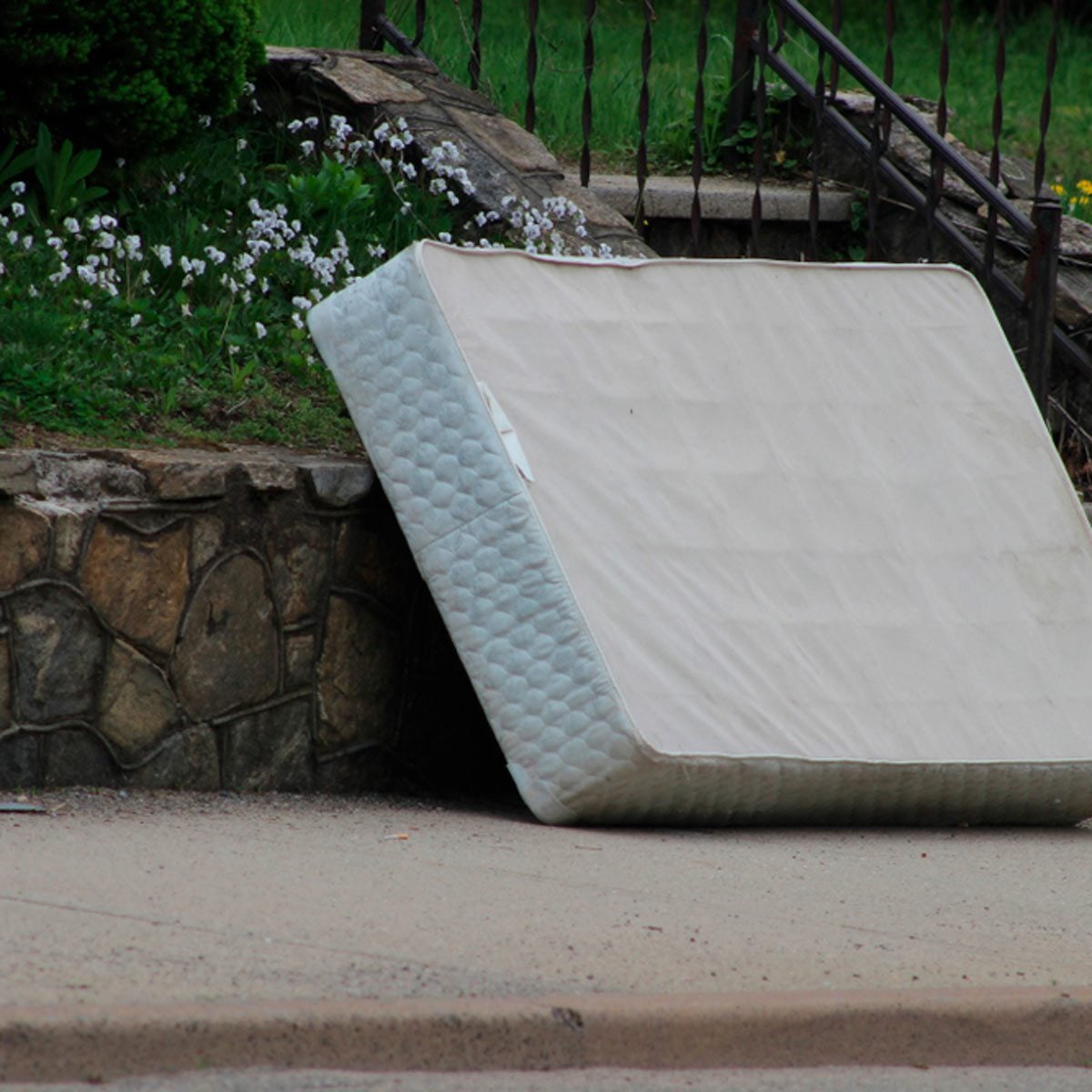
If an item is damaged beyond use, contact your waste hauler for bulk pickup instructions. Do not abandon furniture on the curb unless your city allows it on a scheduled pickup day. Otherwise, your sofa is not “available to the community”; it is just litter wearing cushions.
How to Dispose of Appliances
Small appliances like toasters, blenders, and coffee makers may be accepted at e-waste events or scrap metal recyclers. Large appliances such as refrigerators, freezers, air conditioners, washers, dryers, and ovens may need special handling. Refrigerators, freezers, and air conditioners can contain refrigerants that must be removed properly before recycling.
When replacing an appliance, ask the retailer whether haul-away recycling is available. Utility companies sometimes offer appliance recycling programs, especially for old refrigerators or freezers. If an appliance still works, donation may be possible, but always call ahead. No donation center enjoys surprise refrigerators.
How to Dispose of Clothing and Textiles
Clothing, shoes, bedding, curtains, and towels should not automatically go in the trash. Wearable items can be donated, sold, swapped, or given away. Damaged textiles may still be accepted by textile recycling programs, animal shelters, or certain donation centers if they are clean and dry.
The big rule: do not donate wet, moldy, or heavily contaminated textiles. Donation is not a magical guilt eraser. If the shirt smells like a swamp with buttons, it is not ready for its second life.
How to Dispose of Food Scraps and Yard Waste
Food scraps and yard trimmings are excellent candidates for composting. Fruit and vegetable scraps, coffee grounds, eggshells, leaves, grass clippings, and small plant trimmings can become nutrient-rich compost instead of landfill waste. Composting reduces trash volume and returns organic matter to soil.
Backyard composting works well for many households, but avoid adding meat, dairy, oily foods, pet waste, or diseased plants unless your system is designed for them. Many cities offer curbside organics collection with different rules, so check what is accepted. Composting is basically recycling, but with worms as tiny unpaid interns.
How to Dispose of Motor Oil, Tires, and Car Products
Used motor oil should never be poured on the ground, into drains, or into storm sewers. Store it in a clean, leak-proof container and take it to an auto parts store, service station, recycling center, or local collection site that accepts used oil. Used oil filters may also be recyclable if properly drained.
Tires are usually handled through tire retailers, municipal collection events, or recycling facilities. Many states charge a tire disposal fee when you buy new tires, which supports proper handling. Antifreeze, brake fluid, gasoline, and other automotive fluids should go to hazardous waste programs or approved collection sites.
How to Dispose of Documents, Photos, and Sensitive Paper
Ordinary paper can be recycled, but sensitive documents should be shredded first. Bank statements, medical papers, tax documents, school records, and anything with Social Security numbers or account details deserve extra care. Many communities, banks, and office supply stores host shredding events or offer shredding services.
Shredded paper is not accepted in every curbside recycling program because the fibers are small and messy. Some programs accept it in paper bags; others do not. For glossy photos, laminated paper, thermal receipts, and heavily coated materials, check local rules. When in doubt, privacy first, recycling second.
How to Dispose of “Problem Items”
Some items should never be casually tossed, donated, or recycled curbside. Smoke detectors, fire extinguishers, propane tanks, aerosol cans with contents, mercury thermometers, asbestos materials, and recalled products may have special rules. Check your local waste authority, the manufacturer, or the appropriate safety agency before handling them.
For ammunition, explosives, fireworks, or suspicious dangerous materials, do not place them in trash or recycling and do not transport them casually. Contact local law enforcement through a non-emergency number or your local hazardous materials authority for safe instructions.
A Simple Room-by-Room Disposal Plan
Kitchen
Recycle clean cans, bottles, jars, and cardboard. Compost food scraps if available. Donate working small appliances. Take dead rechargeable gadgets or lithium batteries to a proper drop-off.
Bathroom
Use take-back programs for medicine. Dispose of sharps in approved containers. Recycle empty bottles if accepted locally. Do not flush wipes, cotton swabs, dental floss, or random bathroom “science projects.”
Garage
Sort paint, oil, pesticides, fertilizers, solvents, batteries, bulbs, and car fluids for hazardous waste or special recycling. The garage is where disposal problems go to retire, so give yourself labels and boxes.
Bedroom and Closet
Donate wearable clothing, recycle textiles when possible, and responsibly dispose of broken electronics. If you have not worn something in three years, it may be time to admit the “someday outfit” is living rent-free.
Experience-Based Tips: What Actually Works When You Clean Out a Whole House
The best disposal system is not the fanciest one. It is the one you can actually follow when you are tired, dusty, and holding a mystery charger from 2009. Start with four zones: donate, recycle, hazardous/special handling, and trash. Use boxes, painter’s tape, or sticky notes. Do not make twenty categories at the beginning. That is how a Saturday project becomes a three-week archaeological dig.
Work in small sections. One drawer, one shelf, one cabinet, one corner of the garage. People often fail because they pull everything out at once, then get overwhelmed and create a new mountain called “I’ll deal with it later.” Later is where clutter gets promoted. Instead, finish one small area completely before moving on.
Keep a “research box” for items you cannot identify immediately. Batteries, old cables, odd bulbs, small electronics, chemicals with faded labels, and random hardware can go there temporarily. At the end of the session, look up local disposal options for that box only. This prevents you from stopping every five minutes to search “how to recycle a printer cable that looks like it belongs on a submarine.”
For donations, call before you drive. Donation centers vary widely in what they accept. Some want furniture; some refuse mattresses; some accept electronics only if they work; some reject baby gear, recalled items, or damaged goods. A five-minute call can save a forty-minute car ride and the emotional pain of bringing your old bookshelf back home like a rejected audition contestant.
For hazardous waste, build a mini calendar. Many cities offer collection events only on certain days. Put the date in your phone, gather items in a safe container, and keep them away from heat, children, and pets. Leave products in original containers when possible. If a label is missing, do not guess or mix it with anything else. Unknown liquid in a bottle is not “probably fine.” It is a tiny plot twist.
For electronics, wipe data first. This step is easy to forget when you are focused on getting clutter out of the house. Phones, tablets, laptops, external drives, cameras, and even some printers may store personal information. Back up anything important, sign out, reset the device, and remove memory cards. Responsible disposal includes protecting your privacy.
For recurring clutter, create permanent drop zones. Keep a small battery recycling bag, a donation bin in the closet, a paper-shredding folder, and a box for e-waste. When these containers fill up, make one trip. This turns disposal from a giant annual monster into a normal household rhythm. It is less glamorous than a dramatic spring-cleaning montage, but it works.
Finally, buy with disposal in mind. Choose refillable, repairable, durable products when possible. Avoid buying giant quantities of paint, cleaners, or specialty supplies unless you truly need them. The cheapest item is not always cheap if you later spend time, fuel, and fees figuring out how to get rid of it. Future-you deserves a cleaner garage and fewer mysterious containers.
Conclusion: Disposal Is Not About Perfection
Learning how to dispose of almost everything is really about making better choices one item at a time. You do not need to become a recycling monk or memorize every municipal waste rule in America. You just need a practical order: reuse what still works, recycle what your local system accepts, take hazardous items to proper programs, compost organic material when possible, and use trash as the final option.
The next time you face a dead battery, old medicine bottle, broken toaster, mystery paint can, or chair with “potential,” pause before tossing it. A few minutes of sorting can prevent fires, protect workers, reduce pollution, support charities, and keep valuable materials in circulation. That is a pretty good return on effort. Also, your closet may finally stop judging you.
Note: Disposal rules vary by city, county, and state. This article is based on current U.S. disposal guidance from environmental, consumer safety, health, recycling, and retailer take-back resources, but readers should always confirm local requirements before disposing of special items.