Note: This article is based on public reporting about the viral LinkedIn post, reputable U.S. workplace guidance, and widely accepted leadership communication principles. It is written for editorial publishing and is not legal advice.
When a LinkedIn Leadership Lesson Becomes the Lesson
LinkedIn has given the world many things: career announcements, humblebrags disguised as gratitude, “I’m thrilled to announce” posts, and enough leadership lessons to wallpaper a mid-sized airport. But every now and then, a post appears that makes the internet collectively lean back and say, “Wait… did you read that before hitting publish?”
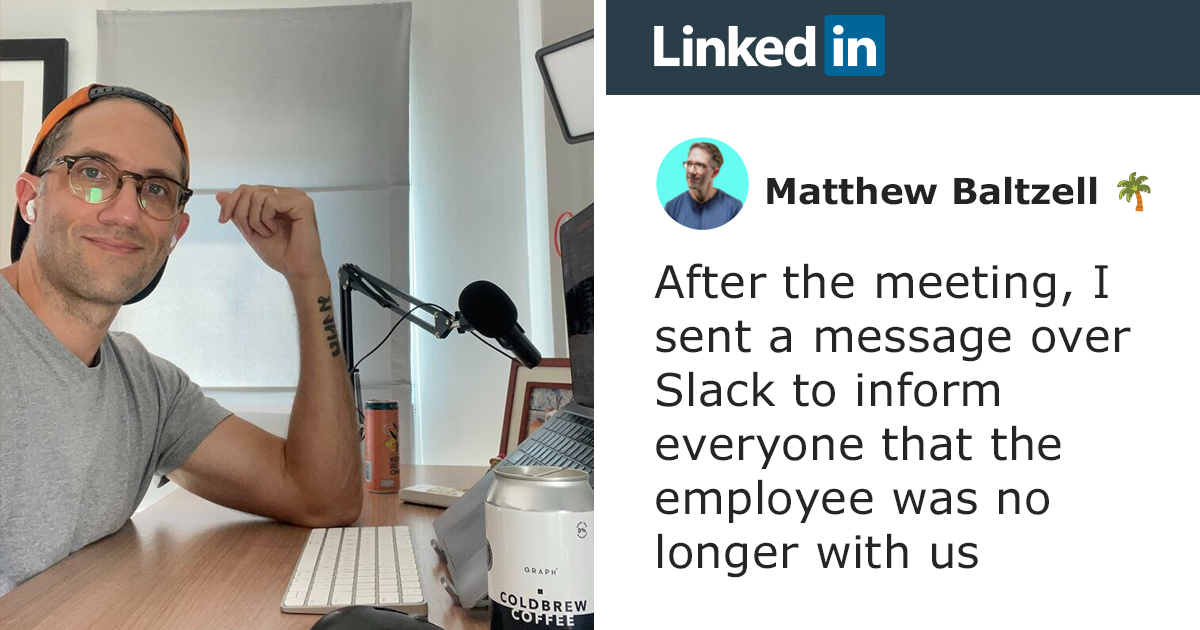
That is what happened when a boss reportedly shared a LinkedIn post beginning with the line, “Last week, I fired my first employee. Here’s what I learned.” The post was framed as a small business leadership lesson about handling an employee’s exit with professionalism. Instead, many readers saw it as tone-deaf, self-congratulatory, and strangely cheerful about a moment that likely changed someone else’s life in a painful way.
The post reportedly outlined firing tips such as keeping the meeting short, offering severance, providing a reference, and notifying the team without sharing private details. On paper, some of those steps sound reasonable. In practice, the internet’s objection was not only about what was said. It was about the packaging. Turning someone’s job loss into a personal brand lesson can feel like putting a ribbon on a fire alarm.
The backlash reveals a bigger workplace truth: leadership is not only about making hard decisions. It is about knowing which hard decisions should become content and which ones should remain private, respectful, and human.
The Viral LinkedIn Post: What Made People So Uncomfortable?
The controversy centered on the tone. The boss appeared to present the firing as a milestone in his growth as a founder. That may have been intended as honesty, but to many people, it sounded like the employee’s misfortune had been repurposed into executive self-improvement content.
That is the tricky part of workplace storytelling. A manager may genuinely believe they are sharing a lesson to help other business owners. However, the audience may hear something very different: “I used someone else’s worst week to build my leadership brand.”
Online readers also noticed the emotional imbalance. The boss had the power, the platform, and the final word. The fired employee had none of those things. Even if the employee was not named, people could still imagine the awkwardness of being dismissed and then seeing the event turned into a public teaching moment.
In the age of professional social media, leaders are expected to be transparent. But transparency without empathy can quickly become spectacle. And workplace spectacle is rarely good for trust, morale, or employer reputation.
Why Firing an Employee Is Not a Personal Branding Opportunity
Let’s be honest: firing someone is sometimes necessary. Businesses change. Performance issues happen. Roles stop fitting. Budgets shrink. Not every termination is cruel, illegal, or badly handled. But even when a dismissal is justified, it is still serious.
Losing a job can affect a person’s income, health insurance, housing stability, confidence, family plans, and sense of identity. For a manager, it may be a difficult conversation. For the employee, it may be the beginning of a frightening transition. That difference matters.
When a boss turns a firing into a public “what I learned” post, the focus can shift from the affected employee to the leader’s emotional journey. That is where the tone-deafness creeps in wearing polished shoes and a LinkedIn headline.
A better leadership principle is simple: if someone else paid the emotional cost of the story, be careful about making yourself the main character.
What Respectful Termination Actually Looks Like
Human resources experts often emphasize dignity, clarity, documentation, and consistency when ending employment. The goal is not to make the manager feel heroic. The goal is to reduce harm, protect privacy, and make a difficult process as fair as possible.
1. Prepare Before the Meeting
A termination meeting should not be improvised like a podcast rant. Managers need to know the reason for the decision, what documentation supports it, what benefits or final pay details apply, and what company property or access must be handled afterward.
If the termination is based on performance, the employee should usually not be hearing about serious concerns for the first time in the final meeting. Clear expectations, feedback, and opportunities to improve are part of responsible management. Surprise firings may be dramatic, but drama is not a performance management system.
2. Keep the Conversation Clear and Brief
There is wisdom in being direct. A termination conversation should not be so vague that the employee leaves wondering what happened. It also should not be a long emotional monologue where the manager processes feelings in real time. That is what friends, mentors, and quiet walks are for.
A respectful manager explains the decision, gives essential next steps, answers practical questions, and avoids unnecessary commentary. This is not the moment to debate every past mistake or deliver a motivational speech about “new chapters.” The employee does not need inspirational stationery. They need clarity.
3. Protect Privacy
One of the strongest parts of the reported post was the idea of telling the team only what they needed to know. Employees do not need private details about a former coworker’s performance, behavior, health, finances, or personal life. A simple internal message can confirm that the person is no longer with the company and explain how work will be covered.
Privacy is not only kind; it is practical. Gossip damages trust. If employees see leadership casually exposing one person’s private situation, they will assume the same could happen to them. That is how culture cracks.
4. Offer Support When Possible
Severance, references, outplacement help, continuation of benefits information, and flexibility around transition logistics can soften the impact. Not every company can offer everything, especially small businesses. Still, leaders should ask: “What can we reasonably do to make this less harmful?”
That question is a much better leadership flex than posting a victory lap about being “strong enough” to fire someone.
The LinkedIn Problem: Professional, Personal, and Permanently Searchable
LinkedIn is not just a digital resume closet anymore. It is a massive professional media platform where posts can travel far beyond a person’s network. A founder may think they are speaking to 500 friendly connections. The algorithm may decide otherwise and send the post into the wild, where context goes to die and screenshots live forever.
This is why leaders need a higher bar before posting about sensitive workplace events. A firing, layoff, resignation, conflict, or employee mistake may seem like useful leadership content. But once published, it becomes part of the company’s public reputation.
Job seekers pay attention to how companies talk about employees. So do customers, investors, vendors, and current staff. A single tone-deaf post can raise a question no employer wants attached to its brand: “Is this how they treat people when things get hard?”
Why the Internet Reacted So Strongly
The backlash was not only about one boss. It tapped into a larger frustration with corporate vulnerability theater: posts that borrow the language of humility while quietly polishing the author’s halo.
People are tired of workplace stories where leaders describe painful employee experiences as if they were leadership badges. “I had to let someone go, and it taught me so much” may be true. But when posted publicly, it can sound like, “Someone lost their job, and somehow this is about my growth.”
Readers also reacted because many people have been on the other side of that table. They know what it feels like to pack a box, lose access to email, explain the news to family, and refresh job boards at midnight. For them, the post was not an abstract leadership lesson. It was personal.
Leadership Lessons the Post Accidentally Taught
Ironically, the viral post did teach valuable lessonsjust not necessarily the ones intended.
Lesson One: Good Intentions Do Not Cancel Bad Optics
A leader can mean well and still communicate poorly. Intent matters, but impact matters too. If a post makes readers feel that an employee’s hardship has been turned into content, the writer’s intention may not save it.
Lesson Two: Empathy Must Be Visible
Empathy is not proven by saying, “I handled this respectfully.” It is shown through restraint, privacy, and language that recognizes the other person’s dignity. Sometimes the most empathetic post is the one never published.
Lesson Three: The Audience Includes the Person You Are Discussing
Before posting about workplace conflict, managers should imagine the employee reading it. Then imagine the employee’s friends, family, future employers, and former coworkers reading it. If that mental exercise causes sweating, do not post.
Lesson Four: Company Culture Is Built in the Aftermath
Employees watch what leaders do after a firing. Do they blame? Brag? Gossip? Disappear? Or do they communicate calmly, protect privacy, and support the remaining team? Culture is not what a company says on its careers page. Culture is what happens when someone no longer has power in the room.
How Leaders Should Talk About Firings Publicly
There are times when leaders need to discuss workforce decisions publicly, especially during layoffs, restructuring, or high-profile executive exits. But those communications require discipline.
A strong public message should be brief, respectful, and focused on necessary information. It should avoid personal details, blame, and self-congratulation. It should acknowledge the human impact without turning the message into corporate poetry.
For example, instead of writing, “I fired my first employee and learned four powerful lessons,” a better general post might say, “Managing exits is one of the hardest responsibilities in leadership. I’m learning that clarity, privacy, and compassion matter more than trying to sound wise online.”
Notice the difference? The second version does not use the employee as a prop. It centers humility, not performance.
What Small Business Owners Can Learn
Small business owners often face a special challenge. In a small team, every hire feels personal and every firing feels enormous. The first termination can be emotionally intense because the founder may feel guilt, fear, disappointment, or even relief.
Those feelings are normal. Posting them instantly is optional.
Founders should build a termination process before they need it. That includes written job expectations, regular performance conversations, documentation, legal compliance checks, final pay procedures, access removal plans, and internal communication templates. A process does not remove the pain, but it prevents panic from driving the decision.
Small companies also need to remember that employees are not just “culture fits” or “resources.” They are people who took a chance on the business. Even when the relationship ends, that deserves respect.
The Role of HR, Documentation, and Legal Awareness
In the United States, many employment relationships are at-will, meaning either the employer or employee can generally end the relationship at any time, for a lawful reason. But “at-will” is not a magic shield. Employers still need to avoid illegal discrimination, retaliation, wage violations, and inconsistent practices that create risk.
That is why documentation matters. Managers should keep clear records of performance expectations, warnings, policy violations, coaching efforts, and business reasons for staffing decisions. Documentation should be factual, not spicy. “Employee missed three deadlines after written reminders” is useful. “Employee brought the vibe down like a haunted printer” is not.
Employers should also understand final paycheck rules, which vary by state. Some states require payment quickly after discharge, while others allow payment on the next regular payday. Benefits, accrued vacation, commissions, and severance terms may also require careful handling.
When in doubt, companies should consult qualified HR or employment law professionals before acting. The cost of getting advice early is usually smaller than the cost of explaining a messy termination later.
How Employees Read These Posts
Managers often underestimate how closely employees analyze leadership behavior. A LinkedIn post about firing someone may seem like external branding, but current employees may read it as an internal warning.
They may wonder: Would my manager post about me if I were let go? Are private conversations safe here? Is leadership more focused on appearing wise than being fair? Should I update my resume during lunch?
Trust is fragile because it is built from patterns. One awkward post may not destroy a culture, but it can confirm doubts that already existed. If employees already feel anxious, underappreciated, or watched, a public firing story can make the workplace feel colder.
What the Boss Could Have Done Differently
The boss could have reflected privately first. He could have spoken with a mentor, written notes for himself, or created an internal checklist for future employee exits. If he wanted to share lessons publicly, he could have waited, removed identifying context, and focused on general principles rather than announcing the firing as a personal milestone.
He also could have led with humility. Something like: “I had to make a difficult staffing decision recently. I’m reminded that leadership responsibilities affect real people, and I want to keep improving how I handle them.”
That still shares a leadership lesson. It just does not make the internet feel like it accidentally walked into someone else’s exit interview.
The Bigger Problem With “LinkedIn Lessons”
The platform rewards polished vulnerability. Posts that feel dramatic, emotional, or confession-like often attract attention. That creates pressure for professionals to turn every life event into content: promotions, failures, layoffs, illnesses, breakups, parenting moments, coffee spills that somehow reveal “three lessons about B2B sales.”
But not every experience should become a carousel. Some moments are too sensitive, too fresh, or too dependent on another person’s privacy. Leadership requires discernment, and discernment sometimes looks boring. No viral hook. No dramatic selfie. No “Agree?” at the end.
Real professionalism is not about never sharing. It is about knowing when sharing helps and when it simply feeds the machine.
Experience-Based Lessons for Managers Facing Their First Termination
For many new managers, the first firing is unforgettable. It can feel like crossing an invisible line between being a friendly supervisor and becoming the person who has to make decisions with real consequences. The experience is uncomfortable because it should be. If letting someone go feels casual, something is wrong.
The first lesson is that performance problems rarely appear out of nowhere. In many workplaces, a termination is the final chapter of a story that began months earlier with unclear expectations, avoided conversations, rushed hiring, weak onboarding, or mismatched skills. A manager who reaches the firing stage should ask, “What did I miss earlier?” That question is more useful than “How can I make this sound inspirational online?”
The second lesson is that kindness and clarity are not opposites. Some managers become so nervous about hurting the employee that they talk in circles. Others become so focused on being firm that they sound robotic. The best approach is direct but humane. Say what is happening. Explain the essential reason. Provide next steps. Leave room for the person to react without turning the meeting into a courtroom drama.
The third lesson is to plan the logistics carefully. Before the meeting, know what happens to pay, benefits, equipment, systems access, client relationships, and remaining projects. A disorganized termination adds insult to injury. Nobody wants to hear, “We are ending your employment today, and also we have no idea when your final check arrives.” That is not leadership. That is a smoke alarm with a business card.
The fourth lesson is to support the remaining team. After someone leaves, coworkers may feel confused, sad, angry, or nervous. Managers should communicate enough to reduce uncertainty while protecting privacy. A good message might say that the employee is no longer with the company, explain who will handle responsibilities, and invite people to bring questions directly to management. It should not become a dramatic retelling.
The fifth lesson is to examine the company’s role. Was the job description accurate? Was training adequate? Did the manager give timely feedback? Was the workload realistic? Did the employee understand what success looked like? Sometimes the answer is yes, and the termination was still necessary. Other times, the firing reveals management failures that need fixing before the next hire walks into the same buzz saw.
The sixth lesson is to resist emotional posting. After a hard termination, a manager may feel shaken and want validation. That is understandable. But LinkedIn is not a therapist, HR department, or legal review team. Write the post in a draft if needed. Then wait. If the post still seems wise after 48 hours, remove details, remove self-praise, remove anything that would embarrass the employee, and consider whether it needs to exist at all.
The final lesson is that leadership is measured by how people are treated when they are no longer useful to the company. Anyone can praise employees during a successful quarter. The true test comes during exits, conflicts, disappointments, and transitions. A respectful termination will never be fun, but it can be fair. It can be private. It can be handled with dignity. And most importantly, it does not need a headline.
Conclusion: The Real Lesson Is Restraint
The viral “I fired my first employee” LinkedIn post became controversial because it exposed a tension in modern work culture. Leaders are encouraged to be visible, authentic, and transparent, but those values can go sideways when they collide with someone else’s pain.
Firing an employee may teach a manager important lessons about communication, accountability, and compassion. But the lesson should not come at the expense of the person who lost the job. The best leaders understand that some stories are not theirs to monetize, dramatize, or turn into engagement bait.
In the end, the internet did learn something from the post: professionalism is not just what happens in the termination meeting. It is also what happens after, when the manager has a keyboard, an audience, and the choice to stay quiet.