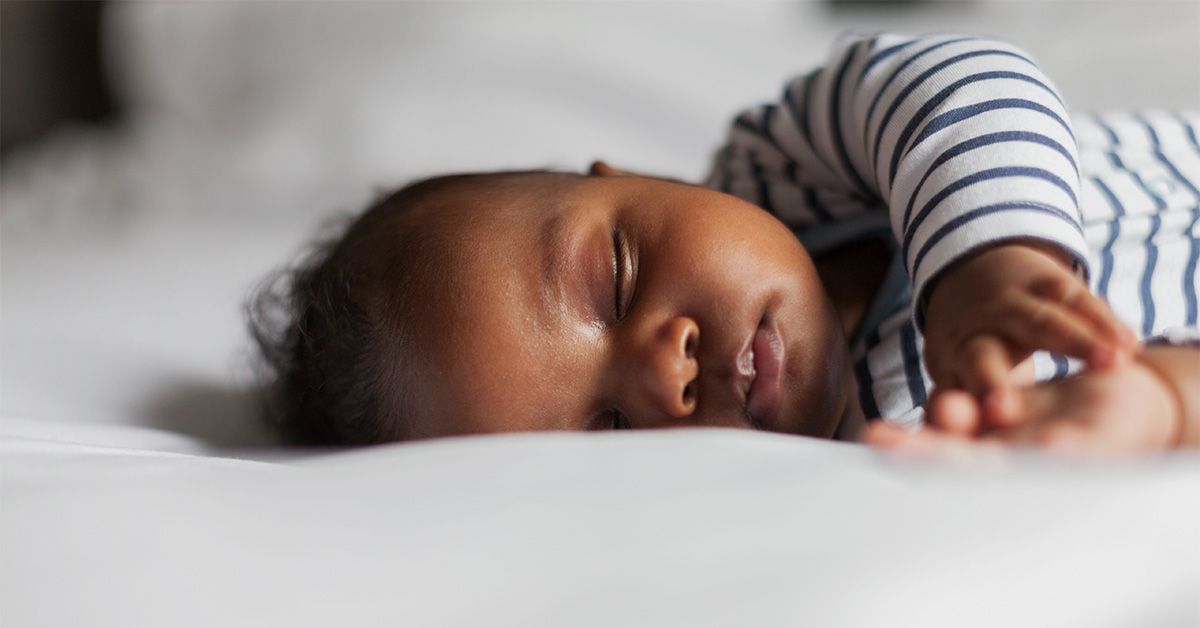
Few things can make a new parent stare at a baby monitor like a tiny human who has somehow rotated into a side-sleeping pose. One minute your baby is placed neatly on their back like a peaceful little burrito. The next minute, they have shifted onto their side with the confidence of someone who pays rent. Naturally, the big question appears: is baby sleeping on side safe?
The clear answer from pediatric sleep experts is this: babies should be placed on their backs for every sleep, including naps and nighttime, until their first birthday. Side sleeping is not recommended for newborns or young infants because it can make it easier for a baby to roll onto their stomach before they have the strength and coordination to roll back safely.
That does not mean every side roll is an emergency. It means parents need to understand the difference between a baby being placed on their side and a baby who independently rolls into that position after developing the ability to roll both ways. That small difference matters a lot.
Why Back Sleeping Is the Safest Position for Babies
The safest baby sleep position is flat on the back. This is often called the “back to sleep” position, and it remains one of the most important safe sleep rules recommended by pediatricians. Back sleeping helps reduce the risk of sudden infant death syndrome, also known as SIDS, and other sleep-related infant deaths.
Babies are still developing head control, airway strength, and the ability to wake themselves when something is not right. When a baby sleeps on the stomach or side, the airway may be more vulnerable, especially if the sleep surface is soft, angled, crowded, or surrounded by loose bedding. Back sleeping gives infants the safest airway position on a firm, flat mattress.
Some parents worry that a baby sleeping on their back might choke if they spit up. This fear is understandable, especially at 3 a.m. when every little sound feels like breaking news. However, healthy babies have protective reflexes and airway anatomy that help them clear spit-up while lying on their backs. For most infants, back sleeping is safer than side sleeping, even for babies with reflux, unless a doctor gives a specific medical instruction.
What Can Happen If a Baby Sleeps on Their Side?
Side sleeping may look harmless. In fact, it can look downright cozy. But for babies under 1 year old, especially newborns and younger infants, side sleeping carries real risks.
1. Baby May Roll Onto the Stomach
The biggest concern is that the side position is unstable. A baby placed on the side can easily roll forward onto the stomach. If the baby cannot yet roll from tummy to back, lift their head well, or reposition themselves, they may have trouble moving out of an unsafe position.
This is why pediatricians do not recommend using rolled blankets, towels, nursing pillows, wedges, or sleep positioners to “hold” a baby on the side. These products may seem helpful, but they can create suffocation hazards. A safe sleep space should be simple: firm mattress, fitted sheet, baby on the back, and no extra objects.
2. Side Sleeping May Increase SIDS Risk
SIDS is the sudden unexplained death of a baby under 1 year of age, usually during sleep. Researchers do not know one single cause, but they do know that sleep position matters. Babies placed on their backs have a lower risk than babies placed on their stomachs or sides.
Side sleeping is not considered a safe alternative to stomach sleeping. It may increase risk because the baby can shift into a face-down position, especially during deeper sleep. The safest habit is consistent: place baby on the back for every sleep, every time, by every caregiver.
3. Soft Bedding Can Make Side Sleeping More Dangerous
Side sleeping becomes even riskier when combined with blankets, pillows, stuffed animals, crib bumpers, loungers, adult beds, couches, or inclined sleepers. Babies do not need a “cozy nest” in the crib. They need a clear, flat, boring sleep space. Boring is beautiful when it comes to infant sleep safety.
A firm crib, bassinet, or portable play yard with a tight fitted sheet is the safest setup. If the room is cool, dress the baby in a wearable blanket or sleep sack instead of using loose blankets.
4. Side Sleeping Can Lead to Unsafe Sleep Habits
Another problem is habit. If a baby is often placed on the side because they “seem to like it,” caregivers may become comfortable with a position that is not recommended. Grandparents, babysitters, older siblings, and daycare providers should all follow the same rule: back for every sleep.
When Is Side Sleeping Safe for a Baby?
Parents often ask: when can babies sleep on their side? The safest guideline is this: always place your baby on their back until age 1. If your baby independently rolls onto their side or stomach after being placed on their back, and they can roll both ways, you usually do not need to keep flipping them back all night.
Most babies begin rolling sometime around 4 to 6 months, though every baby develops at a different pace. The key milestone is not just rolling one way by accident. It is the ability to roll from back to tummy and from tummy to back with control. Once your baby can roll both directions independently, side sleeping that happens naturally during sleep is generally less concerning.
Even then, the sleep space still matters. Keep the crib empty. Stop swaddling once your baby shows signs of rolling. Use a firm, flat mattress. Avoid pillows, bumpers, quilts, stuffed animals, wedges, and inclined sleep products.
What Should You Do If Your Baby Rolls Onto Their Side?
If your newborn or young baby rolls onto their side but cannot roll both ways, gently return them to their back. Then check the sleep setup. Is the mattress firm and flat? Is the crib empty? Is the baby swaddled? Are there blankets or positioners nearby? A small adjustment can make the sleep environment much safer.
If your older baby can roll both ways confidently, continue placing them on their back at the start of sleep. If they later choose a side position, you usually do not need to wake up every five minutes for the Olympic sport of baby repositioning. Still, the crib should remain free of soft items.
Should You Use a Sleep Positioner to Keep Baby on Their Back?
No. Sleep positioners, wedges, rolled towels, and similar products are not recommended for routine infant sleep. They can shift, trap a baby, or press against the face. The safest baby sleep environment does not require gadgets. A safe crib is not supposed to look like a luxury hotel bed. It should look almost suspiciously empty.
Parents should also avoid inclined sleepers, loungers, swings, car seats, and bouncers for routine sleep. If a baby falls asleep in a car seat while traveling, move them to a firm, flat sleep surface as soon as practical after arriving. Sitting or semi-reclined positions can allow a young baby’s head to tip forward, which may affect breathing.
What About Reflux, Spit-Up, or a Stuffy Nose?
Many parents try side sleeping because they think it will help reflux or congestion. However, back sleeping is still recommended for most babies, including many babies with reflux. A baby’s gag reflex helps protect the airway, and placing a baby on the side or stomach is not recommended unless your child’s healthcare professional gives specific instructions for a rare medical reason.
For reflux, talk with your pediatrician about feeding volume, burping, upright time while awake after feeding, and signs that need medical attention. Do not raise the head of the crib mattress unless your doctor specifically advises it. Inclined surfaces are not considered safe for infant sleep.
Safe Sleep Checklist for Parents
Use the ABC Rule
A simple way to remember safe sleep is ABC: Alone, Back, Crib. Baby sleeps alone in their own sleep space, on their back, in a crib, bassinet, or play yard that meets safety standards.
Keep the Sleep Surface Firm and Flat
The mattress should be firm, level, and covered only with a fitted sheet. If the surface is soft enough to leave a deep impression, it is not safe for infant sleep.
Remove Loose and Soft Items
No pillows, loose blankets, crib bumpers, stuffed animals, quilts, comforters, or nursing pillows should be in the sleep space. Yes, that adorable stuffed giraffe can supervise from across the room like a responsible giraffe.
Room Share, Do Not Bed Share
Many pediatric experts recommend keeping the baby’s crib or bassinet in the parents’ room for at least the first 6 months when possible. Room sharing makes feeding, comforting, and monitoring easier without the added risks of bed sharing.
Stop Swaddling When Rolling Starts
Swaddling can help some newborns sleep, but it becomes unsafe once a baby shows signs of trying to roll. A swaddled baby who rolls may not have free arms to push up or reposition. At that stage, switch to a sleep sack that allows arm movement.
Common Myths About Baby Side Sleeping
Myth: “My baby sleeps better on the side, so it must be okay.”
Better sleep does not always mean safer sleep. Babies may sleep more deeply in positions that are not recommended, but deep sleep can be part of the concern if the baby has trouble waking or repositioning. Safety comes before a longer nap, even if the coffee is calling your name.
Myth: “Side sleeping prevents choking.”
For most babies, back sleeping does not increase choking risk. Babies have natural protective reflexes. If your baby has a medical condition that affects swallowing, breathing, or reflux, ask your pediatrician for individualized advice.
Myth: “A wedge or rolled towel makes side sleeping safe.”
Positioning products can create new dangers. They may move, press against the baby, or cause the baby to become trapped. A bare, flat sleep surface is safer.
When to Call the Pediatrician
Contact your baby’s healthcare professional if your baby has breathing pauses, blue or gray coloring around the lips, poor feeding, extreme sleepiness, repeated choking episodes, weak muscle tone, or reflux symptoms that seem painful or severe. Also ask for advice if your baby was born premature, has a diagnosed airway issue, or has a medical condition that affects sleep positioning.
For most families, though, the basic answer remains simple: back to sleep, empty crib, firm flat mattress, and no side placement.
Real-Life Parent Experiences: What Side Sleeping Looks Like at Home
Many parents first notice side sleeping during the newborn stage. A baby may curl slightly to one side because newborns often have a natural tucked posture. This can look like intentional side sleeping, but it is usually more of a newborn curl than a true rolling skill. In this stage, the safest response is to place the baby flat on the back and avoid using props to hold a position.
One common experience is the “monitor stare.” Parents put the baby down safely, leave the room, then see the baby angled halfway to the side. The instinct is to panic, rush in, and adjust every tiny movement. For a young baby who cannot roll both ways, gently repositioning to the back makes sense. But it also helps to check whether the sleep sack fits correctly, the mattress is level, and the baby is not pressed against the side of the bassinet.
Another real-world situation happens when relatives offer outdated advice. A grandparent might say, “We put babies on their sides all the time, and everyone was fine.” This is usually said with love, not bad intentions. Still, infant sleep recommendations have changed because research has improved. A calm response can help: “Our pediatrician told us back sleeping is safest now, so we’re following that for every nap and night sleep.” Simple, firm, and no family debate tournament required.
Some parents also notice that babies with gas or reflux seem more comfortable on the side. That can be emotionally hard because nobody enjoys watching a baby squirm after feeding. The safer approach is to burp well, hold the baby upright while awake for a short period after feeding, and talk to the pediatrician if symptoms are frequent or severe. Do not use side sleeping as a reflux treatment unless a medical professional gives specific instructions.
The rolling stage brings another layer of confusion. A baby may suddenly roll to the side or tummy during sleep, usually right when parents were beginning to feel slightly less exhausted. If the baby can roll both ways independently, parents can usually let the baby find a comfortable position after being placed on the back. The important part is preparing the sleep space before this milestone arrives: stop swaddling, remove all soft items, and use a safe crib or bassinet.
A helpful parent habit is to think of safe sleep as a routine, not a one-time decision. Every nap counts. The quick nap on the couch, the “just ten minutes” in a swing, or the blanket added because the room feels chilly can all increase risk. A wearable blanket, a firm crib, and a consistent back-sleeping routine are safer and easier to repeat.
Parents do not have to be perfect robots. Babies are unpredictable, and sleep deprivation can make anyone question reality. The goal is not to panic over every wiggle. The goal is to build a safe environment so that when your baby moves, stretches, snorts, rotates, or performs mysterious crib yoga, the space around them is still as safe as possible.
Conclusion
Baby sleeping on side may look sweet, but it is not the recommended sleep position for infants. The safest approach is to place your baby on their back for every nap and nighttime sleep until age 1. If your baby later rolls onto the side independently and can roll both ways, the focus shifts to maintaining a safe sleep space: firm, flat mattress; fitted sheet only; no loose blankets, pillows, bumpers, stuffed toys, wedges, or inclined sleepers.
When in doubt, keep the rule simple: back to sleep, clear crib, safe surface. It may not look fancy, but safe baby sleep is one area where boring wins the trophy.