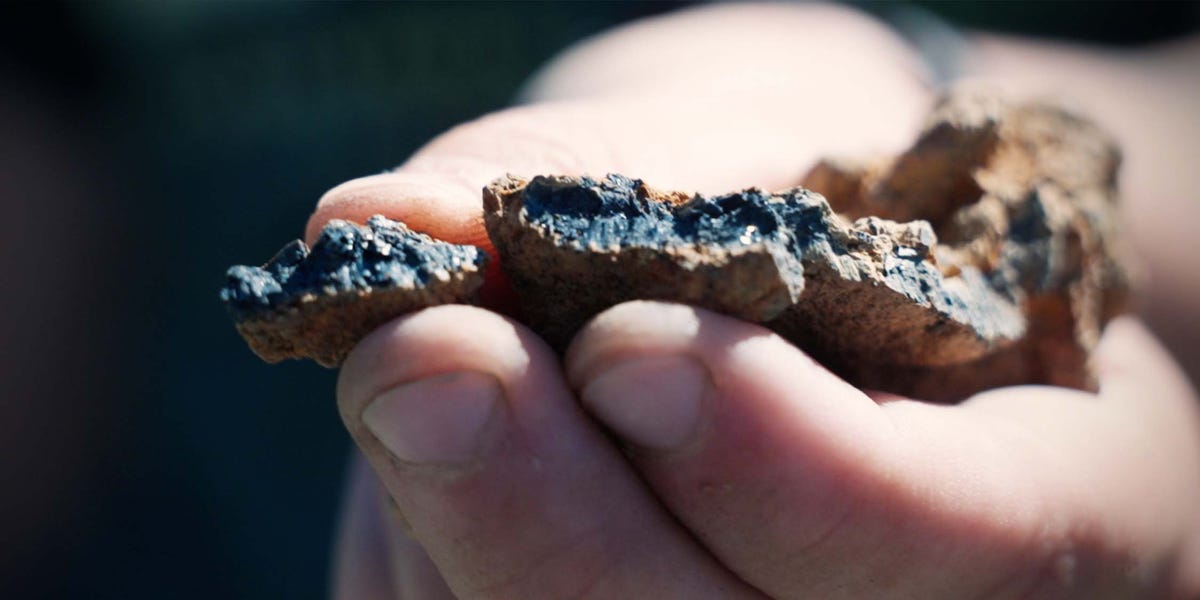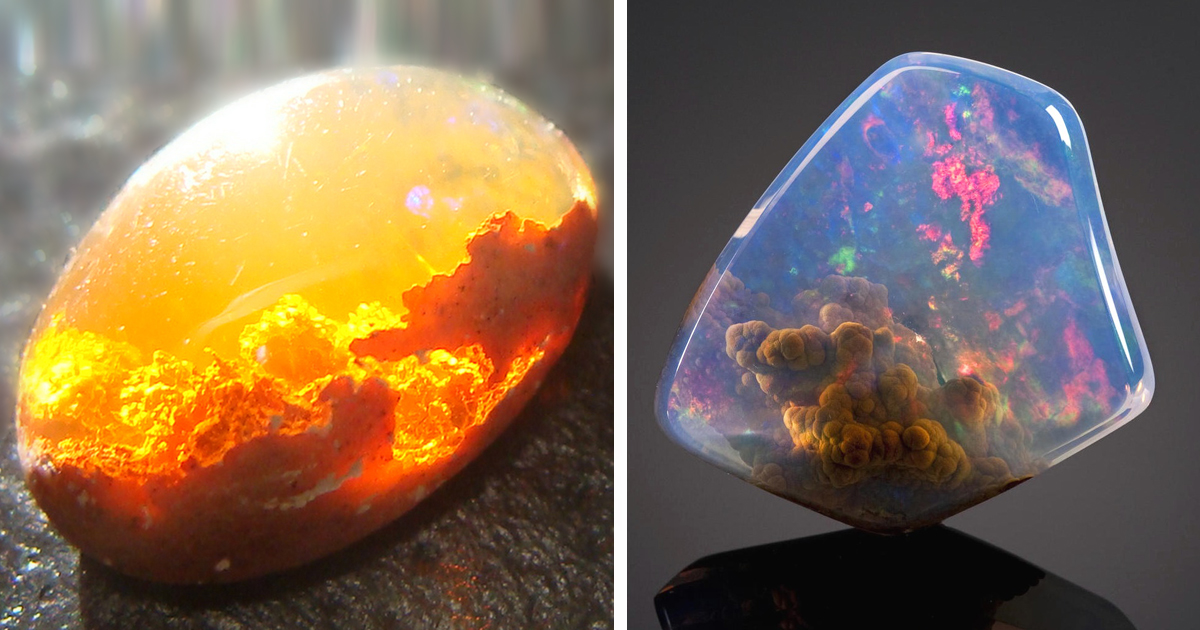
Earth has a hobby: making rocks that look like they were designed by a committee of neon-loving artists, chemistry nerds, and one dramatic theater kid. Minerals can grow as perfect cubes, spit out metallic rainbows, flash “aurora” colors when you tilt them, or glow like a nightclub under UV light. And the best part? None of it is “extra.” It’s just physics, crystal structure, and a little impurity here and there doing the absolute most.
What makes a mineral “beautiful” (besides showing off)
1) Color: chemistry doing cosplay
Many minerals are naturally colorless, but tiny amounts of trace elements (think iron, manganese, chromium, copper) can turn a clear crystal into a saturated masterpiece. Heat, radiation, and geological “life history” can also tweak color over time.
2) Crystal shape: nature’s geometry class
A mineral’s internal structure controls its external habitso you get fluorite cubes, quartz prisms, and calcite shapes that look like they should come with a warning label: “Too satisfying to stare at responsibly.”
3) Optical effects: the “tilt it, wow” factor
Labradorescence, adularescence, chatoyancy, play-of-color, and color change are real phenomena with real causeslayering, inclusions, microstructures, and the way light scatters inside the stone. Translation: the rock is basically a tiny lighting designer.
4) Context: some stones are beautiful because of what they survived
Petrified wood is a time capsule. Obsidian is frozen lava. Native metals are geological oddities that escaped the usual “turn into an ore” fate. The story can be part of the sparkle.
80 extremely beautiful minerals and stones
Below is a curated “cabinet of wonders.” Some are classic gemstones, others are mineral specimens that belong under a spotlight, and a few are “handle with care” celebrities. (Friendly reminder: admire responsiblysome minerals are toxic or mildly radioactive.)
Crystal classics you’ll recognize instantly
- Amethyst (Quartz) Purple crystal points that range from soft lavender to royal grape.
- Citrine (Quartz) Sunshine-in-stone, from pale lemon to warm honey tones.
- Smoky Quartz Transparent brown-to-black quartz with a moody, glassy elegance.
- Rose Quartz Pink, dreamy quartz that looks like it’s blushing on purpose.
- Herkimer Diamond (Quartz) Naturally double-terminated quartz crystals with sharp, brilliant faces.
- Fluorite Candy-colored cubes and bands in purples, greens, blues, and more.
- Calcite A shape-shifter mineral that forms showy crystals in endless habits.
- Aragonite Spiky sprays, “sputnik” clusters, and warm caramel tones.
- Gypsum (Selenite) Silky, luminous blades and towers that glow softly in ambient light.
- Halite Rock salt that can form clear cubes or dramatic color-rich specimens.
- Celestite Sky-blue crystals that look like they condensed out of a calm summer day.
- Barite Tabular crystals and rosettes with a satisfying “architectural” vibe.
Metallic shine and “how is that natural?” shimmer
- Pyrite Mirror-bright cubes and clusters; it’s gold’s flashy, more affordable cousin.
- Chalcopyrite Brassy metallic crystals that often tarnish into iridescent colors.
- Bornite (Peacock Ore) A naturally iridescent look that earns the “peacock” nickname.
- Galena Silver-gray cubes with crisp edges and serious industrial glam.
- Sphalerite High “fire” and rich colors, sometimes with a resinous glow.
- Hematite Steel-gray sparkle, botryoidal “kidney ore,” or sharp, reflective plates.
- Goethite Velvety black sprays and sculptural formations with dramatic texture.
Blues and greens that feel like a tropical vacation
- Malachite Swirling green bands that look hand-painted by nature.
- Azurite Deep cobalt blues that can be intensely saturated.
- Chrysocolla Blue-green patterns that resemble satellite photos of lagoons.
- Turquoise Robin’s-egg blue to green, often with web-like matrix patterns.
- Lapis Lazuli A rock famous for ultramarine color and glittery pyrite “stars.”
- Sodalite Denim-blue stone with crisp white veining, bold and graphic.
Feldspar fireworks and “tilt-it” magic
- Amazonite (Feldspar) Minty green-blue with a soothing, coastal palette.
- Labradorite Dark base with electric flashes of blue, green, and gold.
- Moonstone A soft, floating glow (adularescence) that looks like trapped moonlight.
- Sunstone Sparkly, coppery shimmer (aventurescence) that literally looks sunny.
Opal energy and pattern-heavy stones
- Opal Play-of-color that can look like tiny lightning storms inside the stone.
- Agate Banding for days; nature’s version of a perfectly layered cake.
- Jasper Bold patterns and earthy colors, often like abstract landscape art.
- Tiger’s Eye Silky, golden chatoyancy that moves like a spotlight.
- Chrysoprase Bright apple-green chalcedony with a clean, modern look.
Gem royalty: “wearable geology” at its best
- Emerald (Beryl) Iconic green with garden-like inclusions that add character.
- Aquamarine (Beryl) Clear ocean blues that feel crisp and airy.
- Morganite (Beryl) Peach-to-pink beryl with a soft, elegant glow.
- Heliodor (Beryl) Golden beryl that looks like it bottled late-afternoon sunlight.
- Tourmaline (Elbaite) A color playground: neon greens, pinks, blues, and bicolors.
- Watermelon Tourmaline Pink centers with green rimsyes, like the fruit.
- Topaz Often glass-clear crystals; can be blue, golden, or imperial-toned.
- Peridot (Olivine) Lively lime-green that feels bright even in low light.
- Garnet (Spessartine) Fiery orange that can look like an ember you can hold.
- Garnet (Almandine) Deep red wine color, classic and rich.
- Spinel Punchy colors and brilliance; a connoisseur’s favorite for good reason.
- Ruby (Corundum) Strong red with a glow that can look lit from within.
- Sapphire (Corundum) Not just blue; also pink, yellow, green, and party-colored.
- Diamond Iconic sparkle, but also beautiful as rough crystals and “salt and pepper” types.
- Zircon Underappreciated brilliance; can show intense sparkle and warm tones.
- Alexandrite (Chrysoberyl) Famous for dramatic color change under different lighting.
- Tanzanite (Zoisite) Blue-to-violet hues with strong directional color effects.
- Iolite (Cordierite) Inky blue-violet, often with a shifting, “stormy” look.
- Kunzite (Spodumene) Delicate pink to lilac, often with a clean, elongated crystal vibe.
- Apatite Neon blues and greens that can look almost unreal.
Rare color candy and collector favorites
- Benitoite Vivid blue and high sparkle; a “wow” stone for serious collectors.
- Larimar (Pectolite) Caribbean-sky blues with cloud-like white patterns.
- Charoite Purple swirls that look like cosmic storm clouds.
- Sugilite Rich purple, sometimes with dramatic black matrix.
- Rhodochrosite Pink-to-raspberry bands and crystals that feel joyful and bold.
- Rhodonite Pink with black veining; graphic, dramatic, and instantly recognizable.
- Dioptase Emerald-green crystals so vivid they look backlit.
- Wulfenite Flat orange “windowpane” crystals that look like tiny stained-glass panels.
- Vanadinite Red hexagonal crystals that line cavities like gemstone confetti.
- Crocoite Bright orange needle crystals that are basically neon in mineral form.
Admire responsibly: gorgeous, but not snack-friendly
- Realgar Intense orange-red, but arsenic-bearing; keep sealed and handled minimally.
- Cinnabar Vivid red, mercury-bearing mineral; best as a “look, don’t touch” specimen.
- Autunite Glowing yellow-green crystals; mildly radioactive, store safely and avoid dust.
Native elements: nature’s metalwork
- Bismuth (Native) Rainbow, staircase-like crystals (often lab-grown, still gorgeous).
- Copper (Native) Wire-like growths and branching forms that look sculpted.
- Silver (Native) Delicate wires and dendrites with a clean metallic sheen.
- Gold (Native) Classic for a reason: buttery luster and unmistakable richness.
Geologic time capsules and display-case stunners
- Boulder Opal / Ironstone Opal Opal seams in dark host rock for extra contrast.
- Petrified Wood Fossil wood replaced by silica; often sparkly with wild color streaks.
- Obsidian Volcanic glass with inky shine; sometimes shows “snowflake” or rainbow effects.
- Labradorite-rich Anorthosite (Spectrolite) A rock that flashes intense, full-spectrum color.
- Prehnite Soft green botryoidal forms that look like frozen dew drops.
- Apophyllite Glassy crystals with bright faces; often paired beautifully with stilbite.
- Stilbite Peachy “sheaves” and fans; a favorite in zeolite displays.
- Scheelite Looks modest in daylight, but can fluoresce dramatically under UV.
- Willemite Famous fluorescent mineral; can glow vivid green under UV light.
How to enjoy minerals without turning into a chaotic goblin (affectionate)
Learn three things and you’ll sound like you’ve been collecting for years
- Hardness: Mohs hardness helps you predict scratching and wear.
- Cleavage vs. fracture: Some stones split cleanly; others chip unpredictably.
- Light behavior: Many “effects” appear only at certain angles or lighting types.
Display tips that make any specimen look 30% more expensive
- Use side lighting: A small lamp at a low angle reveals texture and crystal faces.
- Give it a dark backdrop: Bright crystals pop; metallics look sharper.
- Label it: Name + locality (if known) turns a “pretty rock” into a story.
- Keep it cleangently: Many minerals hate water, acids, heat, or sunlight. When unsure, do less.
Collecting ethics (quick and important)
If you’re field-collecting, follow local rules, land ownership laws, and safety guidance. Many protected areas prohibit collecting. Even where it’s allowed, take only what you’ll appreciate and documentfuture-you will thank you for the notes.
Experiences that come with loving minerals (about )
Mineral collecting has a funny way of sneaking into your life. It starts innocent: you pick up a piece of fluorite because it’s purple and cube-y and your brain enjoys that kind of order. Then you see labradorite flash electric blue when you tilt it, and suddenly you’re rotating rocks under a lamp like you’re conducting an orchestra. (No shame. This is a safe space.)
One of the most common “collector moments” happens in a museum hall: you walk in thinking you’ll spend fifteen minutes, and two hours later you’re still staring at a single specimen because it refuses to look the same twice. Under bright lights, a crystal face goes from matte to mirror; a banded agate turns into a topographic map; a cluster of pyrite cubes makes your brain whisper, “How did geology learn math?” Museums are also where many people realize that “pretty” isn’t just colorit’s structure, rarity, and the weird luck of a mineral having the perfect space to grow undisturbed.
Then there’s the gem and mineral show experiencepart treasure hunt, part science fair, part adult playground. You’ll overhear conversations that sound like secret codes: “Great luster,” “strong termination,” “killer locality,” “don’t touch that onesoft!” People swap stories about where a stone came from, how it formed, and what lighting makes it explode with color. Even if you don’t buy anything, you leave with a mental library of textures and hues you didn’t know existed.
Fluorescent minerals add a whole extra layer of delight. In normal light, a specimen might look understatednice, but polite. Then UV hits, and it’s suddenly a neon sign. The experience is half wonder and half detective work: is that glow real fluorescence, or just the lamp reflecting? Which wavelength makes it respond? The “science experiment” feeling is part of the charm, as is learning a little more about how minerals interact with light at the atomic level.
Finally, there’s the quiet satisfaction of building a collection that feels like you. Maybe you’re drawn to ocean blues (turquoise, chrysocolla, larimar). Maybe you’re a symmetry person (fluorite, pyrite, galena). Maybe you like drama (opal, crocoite, dioptase). Over time, the specimens become more than objects. They’re reminders of curiosityof the day you learned why a stone shimmers, or the day you realized the planet has been making art for billions of years, and it never repeats itself exactly.
Closing thoughts
If you remember one thing, make it this: “beautiful” in minerals is rarely accidental. It’s chemistry, physics, pressure, time, and a lot of geological luck collaborating on a result that just happens to be extremely photogenic. Start with what makes you stop scrolling, learn a few basics, and let your collection become a tiny, glittering geology textbook you actually want to read.