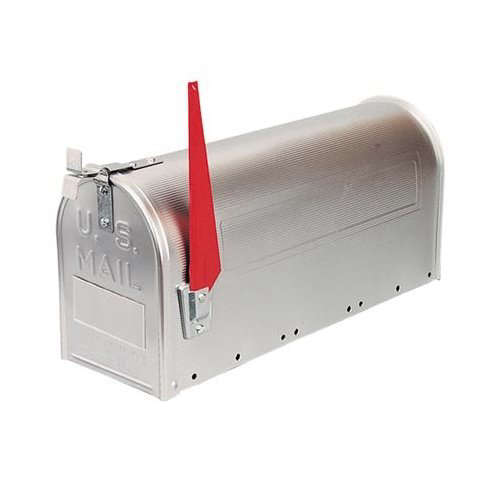
The SLV Galvanized Rural Mailbox is the kind of home essential that does not beg for attention, yet somehow makes the end of a driveway look more intentional. It is simple, silver, sturdy, and just old-school enough to feel charming without looking like it belongs in a dusty barn calendar. In a world of smart doorbells, app-controlled lights, and refrigerators that judge your grocery habits, a galvanized rural mailbox is refreshingly honest: it holds mail, survives weather, raises a flag, and does not ask for Wi-Fi.
Still, a good mailbox matters more than most homeowners realize. It is one of the first things visitors, delivery drivers, neighbors, and postal carriers see. It has to handle rain, sun, snow, wind, road grit, curious birds, and the occasional heroic spider building a condo inside the door hinge. The SLV Galvanized Rural Mailbox stands out because it combines classic rural mailbox design with galvanized steel construction, giving it a practical mix of durability, corrosion resistance, and timeless curb appeal.
This guide breaks down what makes this mailbox useful, where it fits best, how to install it properly, how to maintain it, and why a simple silver mailbox can quietly upgrade a home’s exterior without requiring a landscaping budget large enough to make your lawn nervous.
What Is the SLV Galvanized Rural Mailbox?
The SLV Galvanized Rural Mailbox is a silver galvanized steel rural mailbox associated with the classic post-mounted roadside style. Product listings identify it as a Steel City-style rural ribbed mailbox with a silver galvanized finish. In plain English, it is the familiar rounded-top mailbox seen along country roads, suburban streets, farm lanes, and long gravel driveways across the United States.
The “SLV” in the name is commonly understood as a shorthand for “silver,” referring to the mailbox’s metallic galvanized finish. Instead of a painted decorative coating being the main attraction, this mailbox leans into the look of raw utility. That is part of its appeal. It feels straightforward, practical, and slightly industrial, like it might know how to fix a fence post and make coffee over a camp stove.
Key Design Characteristics
A typical galvanized rural mailbox in this style includes a rounded roof, a front pull-down door, a red carrier flag, ribbed body detailing, and a post-mount installation format. The ribbed design is not only decorative; it also adds visual structure and helps the box avoid looking like a plain metal tube with mail inside.
The silver finish works especially well with farmhouse exteriors, traditional rural homes, modern cabins, utility buildings, gardens, and minimalist outdoor spaces. It does not clash easily, which is a gift. Some mailboxes try too hard and end up looking like tiny monuments to someone’s Pinterest board. This one keeps its boots on the ground.
Why Galvanized Steel Matters
The biggest selling point of a galvanized steel mailbox is weather resistance. Galvanization is the process of coating steel or iron with zinc to help protect it from rust and corrosion. Steel is strong, but untreated steel and outdoor moisture are not best friends. Add oxygen, rain, humidity, snow, salt, and time, and corrosion can slowly win the argument.
Galvanized steel gives the mailbox a protective outer layer. The zinc coating acts as a barrier and can also provide sacrificial protection, meaning it helps defend the steel beneath it. For outdoor products like rural mailboxes, garden hardware, fencing components, roofing materials, and utility fixtures, galvanized metal is popular because it balances affordability, toughness, and low-maintenance performance.
Benefits of a Galvanized Rural Mailbox
For homeowners, the practical benefits are easy to appreciate. A galvanized rural mailbox can resist rust better than untreated steel, withstand daily exposure to the elements, and keep its functional shape over time. It is lighter than many heavy decorative cast-metal mailboxes but tougher than some budget plastic boxes that may fade or crack under harsh sun.
It is also forgiving from a design perspective. A silver galvanized mailbox can look rustic, modern, industrial, or traditional depending on the post, house numbers, landscaping, and surrounding exterior details. Pair it with a cedar post and wildflowers, and it feels country-cottage. Mount it on a clean black post with modern numbers, and suddenly it looks like it reads architecture magazines.
USPS Placement Basics for Rural Mailboxes
Before installing any curbside mailbox, homeowners should follow USPS placement guidance and check with the local post office when replacing or relocating a box. Rural mailboxes need to be reachable by the mail carrier from the vehicle. If the carrier has to get out, stretch like a yoga instructor, or perform a three-point turn just to deliver your electric bill, the setup needs adjustment.
Recommended Height and Setback
USPS guidance generally places curbside mailbox height at about 41 to 45 inches from the road surface to the bottom of the mailbox or mail entry point. The mailbox door is generally set 6 to 8 inches back from the curb or road edge. These measurements help the carrier deliver mail safely and efficiently without leaving the vehicle.
Road conditions vary, especially in rural areas. Some roads have curbs. Others have gravel shoulders, drainage ditches, snowbanks, or the kind of roadside slope that makes you wonder who designed it and whether they owned a level. That is why it is smart to confirm placement with your local postmaster before installation.
Post Safety Matters
A mailbox post should be strong enough to hold the mailbox upright, but not so massive that it becomes a roadside hazard. Many homeowners use wood posts or metal posts designed for mailbox installation. Avoid overbuilding the support like you are preparing for a medieval siege. The mailbox should be secure, but roadside safety still matters.
Best Places to Use an SLV Galvanized Rural Mailbox
The SLV Galvanized Rural Mailbox is especially well suited for homes where utility and classic style matter. It works beautifully for rural properties, cabins, farmhouses, ranch homes, lake houses, workshops, and older homes with traditional curbside delivery. It can also suit suburban homes that want a simple, clean mailbox instead of a decorative model with scrollwork, birds, grapes, or other tiny metal drama.
Rural Homes and Long Driveways
For country properties, a galvanized rural mailbox feels natural. It does not look overly polished, and that is a strength. It can handle a dusty road, a gravel shoulder, seasonal weather, and the visual company of fence lines, fields, barns, and trees. Add reflective house numbers, and it becomes practical for mail carriers, guests, emergency responders, and delivery drivers.
Farmhouse and Cottage Exteriors
The silver galvanized finish pairs well with white siding, natural wood, stone, brick, black trim, and garden-heavy landscapes. If your exterior style includes porch rockers, raised beds, vintage lanterns, or a dog who believes every passing truck is personally suspicious, this mailbox fits right in.
Modern Minimalist Homes
Galvanized steel can also work in modern settings. The trick is keeping the installation clean. Use a simple straight post, crisp house numbers, and minimal landscaping. The mailbox’s ribbed metal form adds texture without visual clutter, making it a good option for homeowners who like understated exterior details.
How It Compares With Other Mailbox Materials
Choosing a mailbox is partly about taste and partly about survival. The mailbox lives outside all year, so material matters.
Galvanized Steel vs. Plastic
Plastic mailboxes are often inexpensive and lightweight. Some high-quality polymer models perform well, but cheaper plastic can fade, warp, or crack after long sun exposure. Galvanized steel has a more substantial feel and usually delivers a more classic appearance. It also avoids the “storage bin with a flag” look that some budget plastic mailboxes unfortunately develop.
Galvanized Steel vs. Aluminum
Aluminum is naturally rust-resistant and lightweight, making it a good outdoor material. However, galvanized steel often feels sturdier and more traditional for rural mailbox designs. Aluminum may be preferred for decorative cast designs, while galvanized steel shines in practical curbside boxes.
Galvanized Steel vs. Stainless Steel
Stainless steel mailboxes can look sleek and premium, but they are often more expensive. They may also require cleaning to prevent staining or surface discoloration, especially in harsh environments. A galvanized rural mailbox offers a more affordable utilitarian look with strong weather resistance for everyday residential use.
Installation Tips for a Cleaner, Longer-Lasting Setup
Installing a rural mailbox is a manageable project for many homeowners, but a few smart choices make the result safer and better-looking.
Choose the Right Post
A simple wood or metal mailbox post usually works well. Make sure the post is plumb, stable, and appropriate for your roadside conditions. If your area gets snow, think about plow distance and snow pile patterns. A mailbox placed too close to the road can have a very short and emotionally dramatic life.
Use Clear House Numbers
House numbers should be easy to read from the carrier’s approach direction. Reflective numbers are a smart upgrade, especially on rural roads or poorly lit streets. If your mailbox is on a different street from your home’s address, include the street name as well.
Check Door Swing and Flag Movement
Before calling the job finished, open and close the door several times. Make sure the flag moves freely. If the mailbox door scrapes, sticks, or refuses to behave, fix it before the first rainstorm. Small alignment problems rarely improve with weather and time. They usually become louder and more annoying, like a squeaky screen door with ambition.
Maintenance: Keeping Galvanized Steel Looking Good
A galvanized rural mailbox does not need pampering, but basic maintenance can extend its life and keep it looking sharp.
Wash Away Dirt and Road Salt
Clean the mailbox occasionally with mild soap and water. This is especially important in areas with road salt, coastal air, heavy dust, or agricultural chemicals. Salt and grime can speed up surface wear, so rinsing the box a few times a year is a simple habit with real benefits.
Inspect Scratches and Edges
Check the door edges, mounting points, flag hardware, and bottom seams. If you find deep scratches or exposed steel, use a galvanized-compatible touch-up product or rust-inhibiting primer and paint designed for exterior metal. Do not ignore damage just because the box still looks fine from the kitchen window. Rust loves confidence.
Keep the Post Stable
The mailbox body may be metal, but the post is often the weak link. Inspect the post after storms, freeze-thaw cycles, snowplow season, or accidental bumps. A leaning mailbox looks neglected even when the box itself is in great condition.
Curb Appeal Ideas for the SLV Galvanized Rural Mailbox
The mailbox is small, but it can anchor a surprisingly attractive roadside vignette. A silver galvanized mailbox looks especially good when the surrounding details feel intentional.
Pair It With Natural Materials
A cedar, pine, or pressure-treated wood post creates a warm contrast with the cool metal finish. Add simple black or white house numbers for a clean look. If you want a more rustic feel, allow the wood to weather naturally or stain it in a medium brown tone.
Add Low-Maintenance Landscaping
Native grasses, lavender, daylilies, sedum, black-eyed Susans, or other hardy perennials can soften the base of the post. Choose plants that tolerate roadside conditions and do not block access to the mailbox. Your mail carrier should not need a machete to deliver a postcard.
Use Contrast Thoughtfully
The red flag already adds a small pop of color. You can echo that with nearby flowers or keep everything neutral for a calmer look. The beauty of the galvanized finish is that it does not demand a complicated color scheme.
Who Should Buy This Mailbox?
The SLV Galvanized Rural Mailbox is a strong choice for homeowners who want a practical, affordable-looking, classic mailbox with durable material appeal. It is ideal for people who prefer function over fuss, like the silver industrial look, and want a box that fits rural or traditional curbside delivery.
It may not be the best choice if you need a large locking security mailbox for frequent packages, a wall-mounted mailbox for porch delivery, or a highly decorative statement piece. But for standard roadside mail delivery, it covers the essentials with style that feels authentic rather than over-designed.
Buying Checklist
Before purchasing, confirm the mailbox size, mounting compatibility, flag hardware, door latch quality, and whether the model is approved for your delivery type. If replacing an existing box, measure the current mounting board or bracket. If installing from scratch, check USPS placement guidance and local road conditions first.
Also consider your mail volume. If you regularly receive magazines, padded envelopes, or small parcels, make sure the box is large enough for your daily needs. A standard rural mailbox is great for letters and ordinary mail, but heavy package households may benefit from a larger-capacity model or a separate parcel box.
Final Verdict
The SLV Galvanized Rural Mailbox is proof that a simple object can still be well chosen. It is not flashy, but it is useful. It is not luxurious, but it has character. Its galvanized steel construction gives it weather-ready practicality, while its classic rural form brings familiar American curbside charm.
For homeowners who want a reliable silver rural mailbox that suits farmhouse, country, cabin, and minimalist exterior styles, this model is easy to appreciate. Install it correctly, keep it clean, add readable house numbers, and it will do its job quietly every day. And frankly, in a household item, quiet competence is underrated.
Real-Life Experience With an SLV Galvanized Rural Mailbox
Living with a galvanized rural mailbox is a small lesson in practical design. You notice it most when you do not have to think about it. The door opens, the flag lifts, the mail stays reasonably sheltered, and the box looks right at the edge of the road. That may sound modest, but a mailbox that does its job without drama is a beautiful thing. Nobody wants their morning routine to include chasing damp envelopes across the ditch.
The first thing many homeowners appreciate is the look. A silver galvanized rural mailbox has a familiar honesty to it. It does not pretend to be a miniature castle, a copper sculpture, or a security vault disguised as a mailbox. It looks like what it is: a hardworking metal box made for the outdoors. On a gravel driveway or country road, that simplicity feels especially appropriate. It blends with fence wire, metal gates, garden tools, barn roofs, and the practical textures of rural life.
In daily use, the rounded top is more helpful than it gets credit for. Rain tends to move off the surface instead of sitting flat on top. Leaves slide away more easily than they would on a flat design. Dust still collects, of course, because dust has apparently signed a lifetime lease on everything outdoors, but a quick wipe brings the metal back to life.
The red flag is another small pleasure. It is old-fashioned in the best way. Raising the flag to send outgoing mail feels almost ceremonial, like telling the road, “Yes, I still believe in envelopes.” When the carrier lowers it, there is a tiny satisfaction in knowing the system worked exactly as designed. No password. No notification. No spinning loading icon. Just a flag.
A galvanized mailbox also teaches you to respect installation. When a mailbox is set at the right height and distance from the road, everything feels smoother. The carrier can reach it easily, the door has room to open, and the post looks intentional instead of improvised. A crooked or badly placed mailbox can make even a nice metal box look tired. A straight post, clean numbers, and firm mounting hardware make a big difference.
Maintenance is refreshingly simple. In spring, rinse off winter grime and check the bottom edges. In summer, wipe away dust and pollen. In fall, clear leaves and spiderwebs. In winter, keep snow from burying the approach. If a scratch appears, handle it early with the right exterior metal touch-up product. The goal is not to keep the mailbox showroom-perfect; the goal is to help it age with dignity. Think less “museum piece” and more “trusty pickup truck.”
The best experience comes when the mailbox feels connected to the rest of the property. A galvanized rural mailbox beside a tidy post, clear numbers, and a few tough plants can make a driveway entrance feel complete. It is a small upgrade, but small upgrades often carry the most everyday satisfaction. You see it when you leave. You see it when you come home. It quietly says, “This place is cared for.” That is a lot for a metal box to say, but the good ones manage it.
Note: Always confirm current mailbox placement, size, and delivery requirements with your local post office before installing or replacing a rural curbside mailbox.

