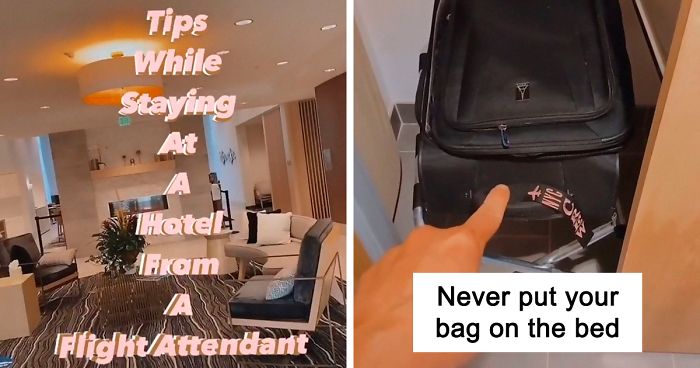
Some people check into a hotel room and immediately flop onto the bed like a dramatic movie character who has just survived a 12-hour journey, three airport pretzels, and one suspicious taxi ride. A flight attendant, however, checks into a hotel room like a tiny, polite security team with moisturizer. That is exactly why a viral TikTok about flight attendant hotel hacks grabbed so much attention: it turned ordinary hotel habits into practical, memorable travel safety tips.
The video, originally popularized by flight attendant Kat Kamalani, struck a nerve because the advice was simple, visual, and oddly satisfying. Do not say your room number out loud. Check that no one follows you into your room. Look behind curtains and under the bed. Lock the door properly. Inspect mattress corners for bed bugs. Keep your bag off the bed. Use the ice bucket creatively if your room has no refrigerator. In other words: enjoy the robe, but do not abandon common sense at the front desk.
What made the TikTok go viral was not that every tip was revolutionary. It was that the advice came from someone who lives in hotels more often than most of us visit the grocery store. Flight attendants know the glamorous side of travel, yes, but they also know the carpet-sticky, key-card-not-working, curtains-won’t-close side. Their hotel hacks are less about paranoia and more about creating a routine that helps you feel safe, clean, organized, and slightly less like your suitcase exploded in a rental room.
Why Flight Attendant Hotel Hacks Go Viral
Hotel hacks from flight attendants perform beautifully online because they combine three things people love: insider knowledge, low-cost solutions, and mild fear packaged as entertainment. A $500 travel gadget is nice, but a tip that uses a hanger, water bottle, or ice bucket? That is the internet’s love language.
Travelers also know that hotels vary wildly. One property may feel like a serene cloud with a breakfast buffet. Another may have a hallway that smells like microwaved soup and questionable choices. So when a flight attendant says, “Here is what I do every time I enter a hotel room,” people pay attention. The routine feels tested, not theoretical.
The Viral Hotel Hacks, Explained
1. Never Say Your Room Number Out Loud
This is one of the most repeated hotel safety tips for a reason. Your room number is not a fun fact for the lobby. It is private information. If a front desk employee announces it loudly, politely ask them to write it down instead. If you are traveling alone, you can also avoid saying phrases like “I’m by myself” or “I just arrived and don’t know the area.” Your vacation does not need a public press conference.
This hack is especially useful in crowded lobbies, late-night check-ins, conference hotels, and busy resort properties. You do not have to act suspicious of everyone. Just treat your room number like your phone password: not secret-agent material, but not something to shout over the sound of the espresso machine either.
2. Make Sure No One Follows You to the Room
The second viral tip is simple: be aware of who is behind you when you walk to your room and when you open the door. Many travelers are distracted during check-in. They are carrying bags, checking messages, searching for the key card sleeve, and wondering why hotel hallways all feel like escape-room levels.
Before entering, pause for a second. Look around. If someone seems to be lingering too close, let them pass, keep walking, or return to the elevator or front desk. This is not about assuming the worst. It is about giving yourself a moment to notice your surroundings before stepping into a private space.
3. Do a Quick Room Sweep Before Settling In
One of the most talked-about parts of the viral hotel-hacks routine is checking the room before relaxing. Look behind curtains, inside the bathroom, near connecting doors, and around the bed area. If there is space under the bed, some travelers use the “water bottle trick”: toss a bottle under one side and see if it rolls out the other. It is a quick way to check without kneeling on hotel carpet, which is already doing enough emotionally.
This does not need to be dramatic. You are not filming a detective show. You are simply confirming that the room is empty, the locks work, and nothing feels off. If something does feel wrong, leave the room and call the front desk from a public area.
4. Lock the Door Like You Mean It
Once inside, use every lock the room provides: deadbolt, latch, security bar, or chain. Hotel key cards are convenient, but convenience should not be your only line of defense. The top lock or secondary latch is there for a reason.
Also check connecting doors. Many rooms have adjoining-room doors that should be locked from both sides. Give the handle a gentle test. If it does not seem secure, ask for another room. A good hotel will not treat this as an outrageous request. You are not asking for a diamond bathtub; you are asking for a door that behaves like a door.
5. Check for Bed Bugs Before You Unpack
Bed bugs are tiny, sneaky, and terrible at respecting boundaries. They can hide in mattress seams, headboards, bedding folds, luggage, and furniture near sleeping areas. Before unpacking, pull back the sheets and inspect the mattress corners and seams. Look for small bugs, shed skins, dark spots, rusty stains, or a musty odor.
The key is to check before your suitcase becomes a luxury shuttle bus for pests. Keep luggage away from the bed while you inspect. Many seasoned travelers place bags in the bathroom or on a hard surface first. If you see signs of bed bugs, do not simply move next door. Ask hotel management for a different room that is not directly beside, above, or below the suspected room, or consider changing properties if the situation is serious.
6. Keep Your Bag Off the Bed
Your suitcase has seen airport floors, taxi trunks, security lines, overhead bins, sidewalks, and possibly the emotional underside of humanity. Putting it on a clean bed is like inviting the airport to spoon with your pillows.
Use a luggage rack after checking it, a desk, a hard chair, or the bathroom floor while inspecting the room. If you travel often, packing cubes and washable laundry bags can help separate clean clothes from travel-worn items. Your future self, the one not dealing with mystery lint and suitcase grime, will thank you.
7. Remove Decorative Pillows and Top Comforters
Decorative pillows may look charming, but they are not always cleaned as frequently as sheets and pillowcases. The same goes for some top covers or throws. The safest move is to set decorative bedding aside and sleep with the freshly laundered linens underneath.
This is not an attack on interior design. Decorative pillows have their place. That place is usually not pressed against your face after a long travel day.
8. Use the Ice Bucket Smartly
One of the more practical viral tips is using the ice bucket when the room has no refrigerator. If you need to keep a drink or snack cool for a short time, fill the bucket with ice and use the clean liner if provided. This is useful for sealed items, not a magic refrigerator for perishable food.
For medication, baby food, dairy, or leftovers that truly need safe refrigeration, call the front desk and ask for a proper fridge. Many hotels can provide one on request, especially for medical needs. The ice bucket is a hack, not a health department.
More Flight Attendant-Approved Hotel Hacks Worth Stealing
Use a Hanger to Close Stubborn Curtains
Hotel curtains love leaving a tiny gap exactly where the sunrise can punch you in the eyeballs at 6:04 a.m. If the room has clip hangers, use one to clamp the curtains together. This creates better privacy and blocks light so you can actually sleep. It is simple, free, and far more elegant than standing there whispering threats at fabric.
Check the Emergency Exit Route
After check-in, take 30 seconds to locate the nearest emergency exit. Count the doors between your room and the stairwell, especially if you are in a large hotel. In an emergency, smoke, darkness, or panic can make a familiar hallway feel confusing. Knowing your route in advance is boring in the best possible way.
Test the Room Phone
A working room phone matters. It lets you call the front desk quickly if there is a maintenance issue, safety concern, or medical problem. Pick it up, confirm it has a dial tone, and check the emergency or front desk button. If it does not work, report it.
Keep Your Key Card Separate From Its Sleeve
Key card sleeves often display the room number. If you lose the sleeve with the key inside, you have basically created a tiny treasure map. Store the key card separately or take a photo of the room number instead of carrying the sleeve around. Just make sure your phone is locked, because we are trying to solve problems, not create a sequel.
Do Not Let Strangers Into Your Room
If someone knocks claiming to be hotel staff and you are not expecting anyone, call the front desk to verify before opening the door. Real staff will understand. If the person becomes pushy, that is even more reason to keep the door closed. Room service, maintenance, deliveries, and housekeeping should never require you to abandon basic caution.
Cover the Remote or Wipe It Down
Hotel remotes are touched constantly. If you have disinfecting wipes, give the remote a quick clean. Some travelers put the remote inside a small plastic bag or use the spare ice bucket liner as a cover. Is it glamorous? No. Is it satisfying? Deeply.
What Travelers Get Wrong About Hotel Hacks
The biggest mistake is treating hotel hacks like a checklist for fear. They are not meant to make travel feel dangerous. They are meant to reduce preventable problems. Think of them like buckling a seat belt. You do it, then you move on with your day.
Another mistake is assuming expensive hotels are automatically problem-free. Luxury properties can still have distracted staff, faulty locks, unwashed decorative items, or pest issues. Budget hotels can be clean and well-managed. The price of the lobby chandelier does not inspect your mattress seams for you.
Finally, some travelers overdo it. You do not need to dismantle the air conditioner, interrogate the minibar, or crawl across the carpet with a flashlight like a raccoon in a trench coat. A smart hotel routine should be quick, calm, and repeatable.
A Practical Hotel Check-In Routine
Here is a balanced routine inspired by flight attendants and frequent travelers:
- Keep your room number private at check-in.
- Notice who is around you before entering the room.
- Prop the door briefly while you do a quick sweep.
- Check the bathroom, curtains, closet, connecting door, and under-bed area if applicable.
- Test locks, windows, phone, lights, and curtains.
- Inspect mattress seams before unpacking.
- Keep luggage off the bed and away from soft furniture.
- Locate the emergency exit route.
- Use the safe carefully, and put one shoe or essential item near it so you remember to empty it before checkout.
This entire routine can take less than five minutes. That is a small price to pay for better sleep and fewer “why is my passport still in the safe?” moments at the airport.
Are Viral Hotel Hacks Actually Useful?
Yes, many are useful, but they work best when paired with common sense. The viral flight attendant tips are not a guarantee that nothing will go wrong. They are a way to lower risk, improve comfort, and develop a travel rhythm.
The strongest hacks are the ones supported by broader travel safety advice: protect your room number, check that locks work, inspect for bed bugs, keep valuables secure, avoid letting strangers into your room, and know your exit route. The fun hacks, like clipping curtains with a hanger or covering the remote, add comfort and cleanliness. Together, they create a better hotel stay without requiring a suitcase full of gadgets.
Personal Travel Experiences Inspired by the Viral Flight Attendant Hotel Hacks
The reason these hotel hacks feel so relatable is that nearly every traveler has had at least one hotel moment that made them rethink their routine. Maybe the curtains would not close, and the sunrise hit the bed like a spotlight from a police helicopter. Maybe the room key stopped working five times, each failure arriving precisely when your hands were full. Maybe you opened a drawer and found a stranger’s lonely sock, which is not dangerous but does feel like the room is keeping secrets.
One of the best habits to borrow from flight attendants is creating a “first five minutes” ritual. When you enter the room, do not unpack right away. Do not dive onto the bed. Do not start arranging snacks like you are building a tiny airport lounge. Instead, place your luggage on a hard surface, keep the door open or easy to exit through for a moment, and scan the room. Check the bathroom. Look behind the curtains. Make sure the connecting door is locked. Test the deadbolt. Close the curtains fully. It feels a little formal the first time, but by the third trip, it becomes automatic.
Another experience many travelers eventually learn the hard way is the importance of not unpacking everywhere. A hotel room can turn chaotic in ten minutes. Shoes by the desk, charger behind the bed, passport in the safe, toothbrush near the sink, one sock in another dimension. Flight attendants tend to keep things contained because they check in and out constantly. A simple system helps: one spot for documents, one pouch for chargers, one bag for laundry, and one final walk-through before leaving. Turn on every light before checkout, then turn them off one by one as you inspect each area. It is oddly effective and makes you feel like the manager of your own tiny travel operation.
The luggage-on-the-bed rule is another lesson worth keeping. Even if you are not worried about pests, a suitcase is not exactly a clean object. It has rolled across sidewalks, airport bathrooms, shuttle floors, and the mysterious carpet near baggage claim. Using a luggage rack, desk, or bathroom tile keeps the bed cleaner and makes unpacking more organized. It also reminds you to separate clean clothes from worn clothes, which is the difference between “fresh travel outfit” and “why does this shirt smell like Terminal B?”
Finally, the best hotel hack is emotional: trust your discomfort. If the room feels wrong, the lock is broken, the hallway seems unsafe, the window does not secure, or someone at the desk says your room number too loudly, speak up. Ask for a change. Call the front desk. Move to a public area. Most issues are minor, but you do not win a prize for ignoring your instincts. Travel should feel exciting, not reckless. A smart hotel routine gives you a few quiet minutes of control before the fun begins, and that is why one flight attendant’s TikTok turned into a full-blown travel conversation.
Conclusion
The viral TikTok about flight attendant hotel hacks succeeded because it made travel safety feel simple, practical, and easy to remember. You do not need to be anxious to be prepared. You just need a repeatable routine: protect your room number, check the room, lock the door, inspect the bed, keep luggage off the bedding, and use small hacks to improve comfort. Flight attendants know that a good hotel stay is not only about fluffy towels and free breakfast. It is about feeling secure enough to actually rest.
So the next time you check into a hotel, take a page from the flight attendant playbook. Do the five-minute sweep. Clip the curtains. Wipe the remote. Keep your bag off the bed. Then relax, order the room service fries if your budget allows, and enjoy the rare luxury of not making your own bed in the morning.