Chicken is one of those fridge-to-freezer MVPs. It can become tonight’s dinner, next week’s meal prep hero, or the mysterious frost-covered package you discover three months from now and stare at like it owes you rent. So, how long can you store chicken in the freezer? The practical answer is simple: frozen chicken stays safe indefinitely if it is kept continuously frozen at 0°F or below, but its quality does not stay amazing forever. In other words, your freezer is a pause button, not a magic wand.
If you want chicken that still tastes good, cooks well, and does not come out with the texture of a disappointed sponge, timing matters. The exact storage window depends on whether the chicken is whole, cut into parts, ground, or already cooked. Packaging matters too. So does freezer temperature. And yes, that sad patch of freezer burn deserves its own little courtroom drama.
This guide breaks down the recommended freezer storage times for chicken, explains what “safe indefinitely” actually means, and gives you practical tips for freezing, thawing, refreezing, and cooking chicken without turning dinner into a food safety gamble.
The Short Answer: How Long Can Chicken Stay in the Freezer?
Here is the easy cheat sheet most home cooks are really looking for:
- Raw whole chicken: best within 1 year
- Raw chicken parts: best within 9 months
- Ground chicken: best within 3 to 4 months
- Giblets: best within 3 to 4 months
- Cooked plain chicken pieces: best within 4 months
- Cooked chicken dishes: best within 4 to 6 months
- Chicken nuggets or patties: best within 1 to 3 months
- Chicken in broth or gravy: best within about 6 months
Those time frames are about best flavor, texture, and overall quality. If your chicken has remained fully frozen the whole time, it is not automatically unsafe the day after those numbers expire. But the longer it sits, the more likely it is to dry out, pick up off flavors, or develop freezer burn. Basically, your chicken might still be safe, but it may no longer be auditioning for “best dinner of the week.”
Safe Indefinitely vs. Good to Eat: The Important Difference
This is where a lot of people get tripped up. Food safety experts often say frozen foods kept at 0°F can remain safe indefinitely. That sounds like excellent news until you pull out a two-year-old pack of chicken thighs and discover they look like they spent winter in another dimension.
The important distinction is this:
Safety
Freezing stops bacterial growth from getting worse while the food stays frozen. It does not magically improve the chicken, and it does not kill every microorganism that may have been there before freezing. But if the chicken was handled properly before freezing and stayed frozen solid, it can remain safe for a very long time.
Quality
Even in the freezer, chicken slowly loses quality. Ice crystals can damage the meat’s structure, moisture can escape, fat can oxidize, and the taste may go from “juicy Sunday roast” to “Why is this oddly cardboard-adjacent?” That is why recommended storage times matter. They are your best bet for keeping frozen chicken both safe and worth eating.
How Long Different Types of Chicken Last in the Freezer
1. Whole Raw Chicken
A whole raw chicken lasts the longest in the freezer, with the best quality for up to one year. Why the longer shelf life? Because the bird is still intact, with less exposed surface area than cut pieces. Less exposure usually means less moisture loss and less freezer damage.
If you buy whole chickens on sale, freezing them can save money and future-you from the dreaded “What’s for dinner?” panic at 6:17 p.m.
2. Chicken Parts
Breasts, thighs, wings, and drumsticks are best used within about nine months. Chicken parts freeze very well, but they are more vulnerable to drying out than a whole bird. If you freeze them in meal-sized portions and wrap them tightly, they stay in much better shape.
3. Ground Chicken
Ground chicken has a shorter freezer life, usually around three to four months for best quality. Since it has more exposed surface area and a softer structure, it tends to lose texture faster. Ground chicken is a little like a fragile social battery: useful, but not built for a long, hard winter.
4. Giblets
If your chicken came with giblets and you actually plan to use them, freeze them quickly and aim to use them within three to four months. They can still be useful for gravy, stock, or stuffing, but only if you remember they exist before the next ice age.
5. Cooked Chicken
Cooked chicken also freezes well. Plain cooked pieces are usually best within four months, while cooked chicken dishes such as casseroles, soups, or saucy meals may keep good quality for four to six months. Chicken with gravy or broth often holds up a bit better because the added moisture helps protect texture.
What Affects Frozen Chicken Quality?
Not all frozen chicken ages the same way. A few factors make a huge difference:
Freezer Temperature
Your freezer should stay at 0°F (-18°C) or below. If the temperature swings too much because the door is constantly opened, the freezer is overstuffed in a chaotic way, or the appliance is not working well, quality drops faster.
Packaging
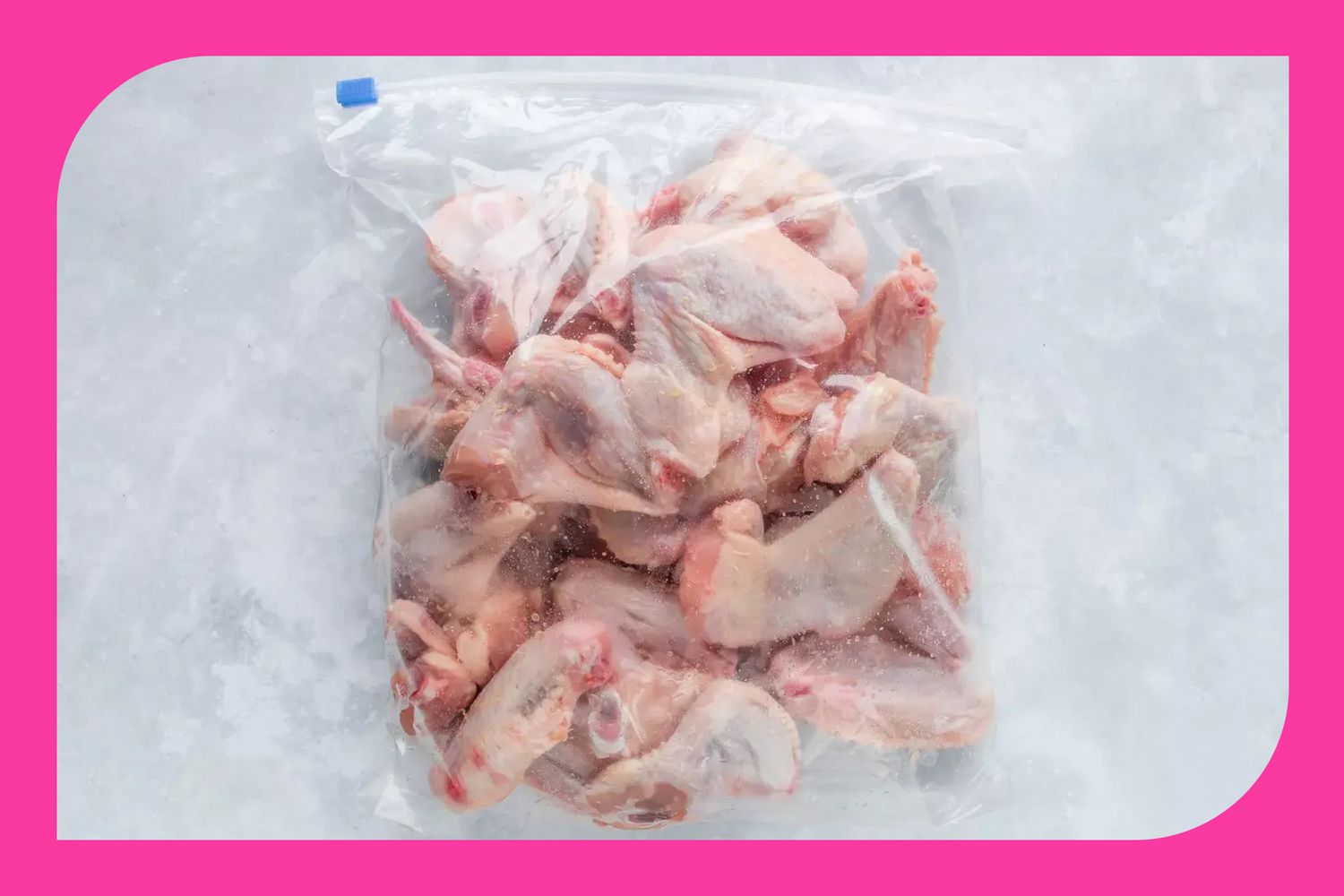
Original grocery-store packaging is okay for short-term storage, but it is often not ideal for long-term freezing. For chicken you plan to keep more than a few weeks, overwrap it with freezer paper, heavy-duty foil, or freezer-safe bags. Press out as much air as possible. Less air means less freezer burn.
Moisture Loss
Air is the enemy of quality. When air reaches the meat, the surface dries out. That is what leads to freezer burn: those dry, grayish or pale patches that make chicken look like it has seen things.
How Fresh It Was When Frozen
Freezing does not reset the clock. If chicken was already lingering in the refrigerator for too long before you froze it, the freezer will not perform a culinary resurrection. Freeze chicken while it is still fresh.
How to Freeze Chicken the Right Way
If you want frozen chicken that still tastes like actual chicken later, use these habits:
Freeze It Promptly
Refrigerate or freeze chicken within two hours of buying or cooking it. If the temperature is above 90°F, that window shrinks to one hour. Letting chicken lounge on the counter is not meal prep. It is a bad decision in slow motion.
Portion Before Freezing
Instead of freezing a huge family pack as one icy brick, divide it into meal-sized amounts. That way, you can thaw only what you need. Your future self will find this wildly considerate.
Label and Date Everything
Write the type of chicken and the freeze date on the package. Because “mystery meat bundle, probably poultry, maybe 2025?” is not a useful label.
Use Airtight Wrapping
Use freezer bags, heavy foil, freezer paper, or vacuum-sealed packaging. Remove as much air as possible. This helps protect flavor and texture.
Freeze Flat When Possible
Boneless breasts, cutlets, or ground chicken freeze more efficiently when flattened in bags. They stack neatly, thaw faster, and make your freezer look like you have your life together.
How to Tell if Frozen Chicken Is Still Good
Frozen chicken is not always obviously “bad,” but you can look for warning signs:
- Heavy freezer burn over large areas
- Odd colors beyond normal freezer dryness
- Ripped packaging or signs of thawing and refreezing
- A sour or unpleasant smell after thawing
- A sticky, slimy, or unusual texture once thawed
Some freezer burn alone does not automatically make chicken unsafe. It is mostly a quality issue. Small dry spots can sometimes be trimmed away. But if the chicken smells wrong, looks suspicious, or seems to have thawed improperly, trust caution over optimism. Chicken should not require a leap of faith.
How to Thaw Frozen Chicken Safely
There are only a few safe thawing methods, and sadly, “on the counter all afternoon” did not make the list.
1. Refrigerator Thawing
This is the safest and easiest method. Place the frozen chicken in a container or on a plate on the bottom shelf so juices cannot drip onto other foods. Small packages may thaw overnight, while larger items take longer. A whole chicken needs more patience.
Once thawed in the refrigerator, raw chicken is usually safe to cook within one to two days.
2. Cold Water Thawing
If you are in a hurry, submerge the chicken in cold water in a leakproof package. Change the water every 30 minutes. This method is faster, but chicken thawed this way should be cooked immediately after thawing.
3. Microwave Thawing
Microwave thawing is also safe, but you need to cook the chicken right away. Some parts may start to warm or partially cook during defrosting, which means dinner needs to stop hesitating and start happening.
Never Thaw Chicken on the Counter
Room temperature thawing lets the outer layer of chicken drift into the temperature danger zone while the inside is still frozen. That creates a lovely opportunity for bacteria and a terrible opportunity for your digestive system.
Can You Refreeze Chicken?
Yes, sometimes. If raw chicken was thawed in the refrigerator and kept cold the whole time, it can usually be refrozen safely, although quality may decline. If it was thawed in cold water or in the microwave, cook it before refreezing.
Refreezing is a quality trade-off more than a safety win. Each thaw-and-freeze cycle can dry the meat out further, so even though it may still be safe, it may also become less enjoyable. Technically edible is not always the standard people are hoping for at dinner.
Cooked Chicken in the Freezer: Is It Worth It?
Absolutely. Cooked chicken is freezer gold. It saves time, reduces food waste, and makes weeknight meals dramatically easier. You can freeze shredded chicken for tacos, sliced chicken for salads, diced chicken for soup, or cooked breasts for quick lunches.
The trick is to cool it safely, portion it well, and wrap it tightly. Store sauces separately if you want better texture, unless the chicken is already in a dish where the sauce helps protect moisture. Reheat leftovers to 165°F for safety.
Common Mistakes People Make with Frozen Chicken
Keeping It in Store Wrap Too Long
That thin plastic tray wrap from the grocery store is not meant for a six-month freezer vacation. Overwrap it if you plan to keep it longer.
Forgetting the Date
If every package in your freezer is unlabeled, you are not storing food. You are hosting an archaeological dig.
Refreezing After Improper Thawing
If chicken sat on the counter for hours, do not try to rescue it by sticking it back in the freezer. That is not food safety. That is denial with ice crystals.
Ignoring Freezer Burn
A little freezer burn is not necessarily dangerous, but a severely damaged package will not taste great. Good wrapping prevents a lot of heartbreak.
Assuming Frozen Means Fresh Forever
Frozen does not mean flawless. It just means the clock moves much slower.
Best Practices for Meal Prep and Bulk Buying
If you buy chicken in large family packs, divide it immediately. Wrap breasts separately, portion thighs by recipe size, and label ground chicken in one-pound packs. This saves money and prevents waste. It also keeps you from thawing seven pounds of chicken just because you needed two thighs for a pasta dish.
For cooked meal prep, freeze chicken in flat containers or freezer bags, especially in sauces, soups, or shredded formats. These often reheat better than plain cooked breasts, which can dry out more easily.
So, How Long Can You Store Chicken in the Freezer?
The final answer is both wonderfully simple and slightly annoying: chicken can stay safe in the freezer indefinitely if kept at 0°F or below, but it is best used within the recommended time frames for quality. For most households, that means up to a year for a whole raw chicken, about nine months for parts, three to four months for ground chicken, and roughly four to six months for many cooked chicken options.
If you freeze chicken properly, label it clearly, thaw it safely, and cook it to the right temperature, your freezer becomes a fantastic tool for saving money, reducing waste, and making dinner less dramatic. Which, honestly, is the dream.
Kitchen Experiences: What People Learn the Hard Way About Freezing Chicken
Anyone who cooks at home long enough eventually has a freezer-chicken moment. It usually starts with good intentions. You buy a big value pack because it is on sale, tell yourself you are about to become wildly organized, and then tuck it into the freezer like a responsible adult. Weeks later, you find the package again, now shaped like a frozen paving stone, and realize you never labeled it. Is it chicken breast? Thighs? A small frozen ghost of your meal-planning ambitions? Hard to say.
One of the most common experiences people talk about is the difference between chicken that was frozen well and chicken that was frozen carelessly. Properly wrapped chicken thaws out looking normal, cooks evenly, and tastes pretty close to fresh. Poorly wrapped chicken, on the other hand, often comes out with dry edges, weird pale spots, and a texture that says, “I have been through some things.” That is usually freezer burn, and while it may not automatically make the chicken unsafe, it definitely makes dinner less exciting.
Another lesson people learn fast is that portioning matters. Freezing six chicken breasts in one giant clump sounds efficient until you only need two. Then you are left trying to separate frozen poultry with the energy of someone chipping ice off a windshield. People who switch to meal-sized portions almost always say the same thing afterward: this is so much easier, and why did I not do this sooner?
There is also the universal thawing mistake. At some point, almost everyone is tempted to leave chicken on the counter because dinner needs to happen soon and hope feels faster than refrigeration. Later, they discover that safe thawing actually requires planning or at least a cold-water method with regular water changes. The refrigerator method may not be glamorous, but it saves a lot of stress. The cold-water method saves dinner. The countertop method saves absolutely nothing.
People also notice that cooked chicken can be a freezer superstar. Shredded chicken for tacos, diced chicken for soup, or sliced chicken for rice bowls often freezes and reheats better than expected. That is why many home cooks eventually stop freezing only raw chicken and start freezing ready-to-use cooked portions too. It feels like a tiny life upgrade every time lunch appears with almost no effort.
And maybe the biggest real-world takeaway is this: the freezer rewards habits. Label the bag. Date the package. Push out the air. Use portions that match real meals. Rotate older food forward. These are not glamorous kitchen hacks, but they are the reason one freezer contains useful ingredients and another contains frozen confusion. When people say they are “bad at using the freezer,” it is usually not because freezing chicken is hard. It is because the small steps were skipped. Once those steps become routine, frozen chicken becomes less of a gamble and more of a backup plan that actually works.