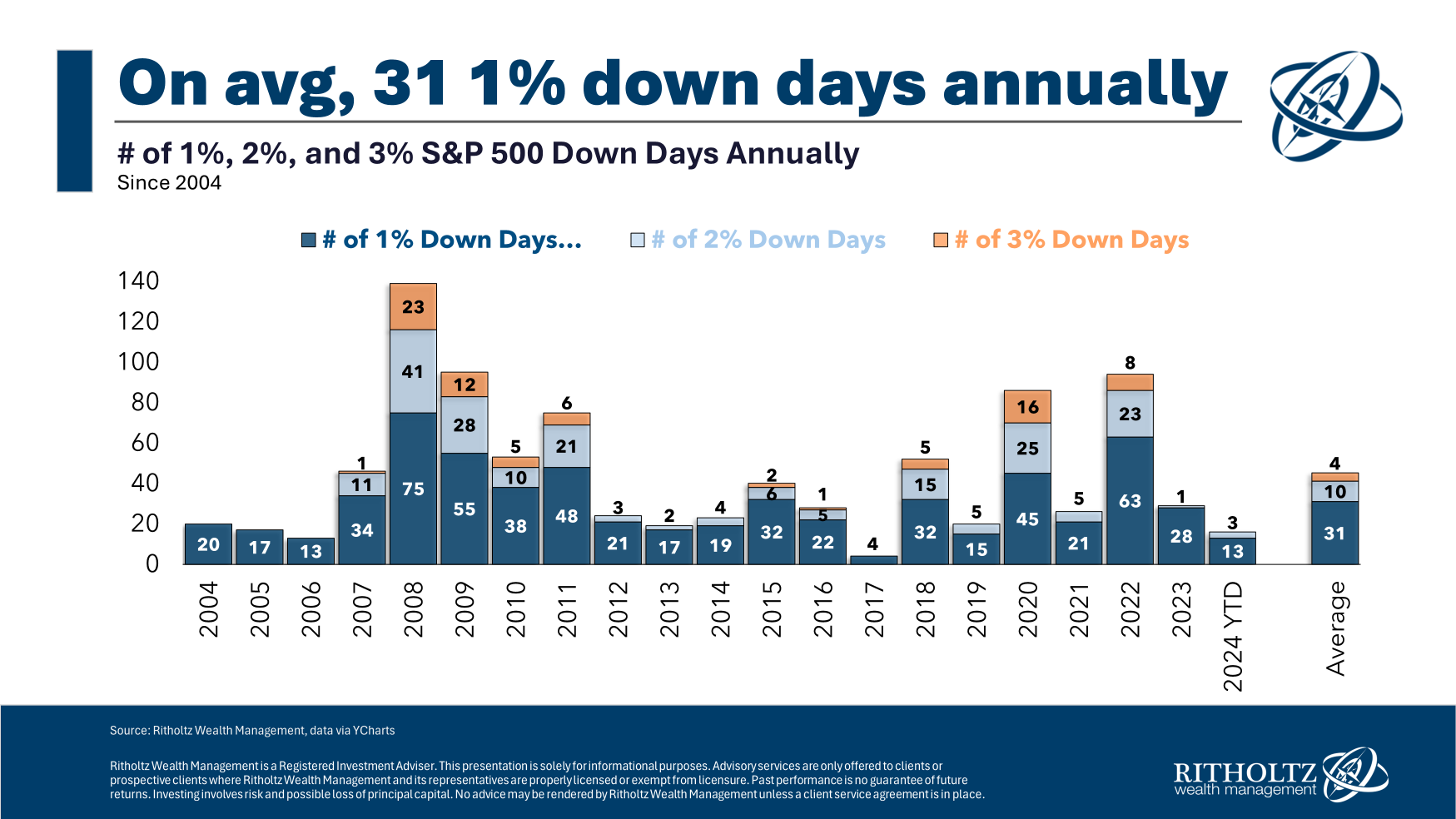
The stock market has been walking around lately like someone carrying three iced coffees, a laptop, and a bag of groceries in one hand: impressive, confident, and maybe one banana peel away from disaster. So, is the stock market tipping over? The honest answer is: not necessarily, but it is leaning.
U.S. stocks have enjoyed a powerful rally, helped by artificial intelligence excitement, resilient corporate earnings, and investors’ belief that big companies can keep growing even when interest rates remain uncomfortable. But beneath the cheerful surface, several warning lights are blinking. Valuations are stretched, market leadership is narrow, inflation has not politely left the room, oil prices are adding pressure, and volatility looks suspiciously calm.
That does not mean a stock market crash is guaranteed. Markets rarely ring a bell before correcting; they usually cough politely, wobble, and then decide whether to sit down or sprint higher. The key is understanding the difference between a normal pullback, a market correction, and a deeper bear market risk.
What Does “Tipping Over” Mean for the Stock Market?
When investors ask whether the stock market is tipping over, they usually mean one of three things. First, they may wonder whether stocks are overvalued and due for a correction. Second, they may worry that the economy is slowing enough to hurt earnings. Third, they may sense that investor optimism has become a little too bubbly, like a financial soda can shaken by a caffeinated intern.
A tipping market is not always a crashing market. Sometimes it simply means the risk-reward setup has changed. Stocks can continue rising while becoming more fragile. That is exactly why investors should pay attention to the internal structure of the market, not just the headline level of the S&P 500, Nasdaq, or Dow Jones Industrial Average.
The Bull Case: Why the Market Has Not Fallen Apart
Corporate earnings are still doing heavy lifting
The strongest argument against the idea that the market is tipping over is simple: earnings have been solid. Analysts have continued to expect strong profit growth, especially from technology, communication services, and AI-linked companies. When earnings rise, stock prices can often justify higher levels, even if valuations look expensive by historical standards.
This matters because a market driven by real earnings is healthier than one driven purely by daydreams, memes, and people typing “to the moon” before breakfast. The AI boom has brought genuine revenue growth to certain semiconductor, software, cloud infrastructure, and data center businesses. Investors are not just buying a story; in many cases, they are buying companies that are actually printing impressive numbers.
The economy is slowing, but not collapsing
Another reason the market has held up is that the U.S. economy is still expanding. Growth has cooled, but it has not fallen off a cliff. Real GDP growth in early 2026 showed expansion, even if the pace was not spectacular. A slower economy can actually be market-friendly if it cools inflation without causing a recession.
That is the famous “soft landing” dream: inflation eases, the Federal Reserve eventually gets more flexible, consumers keep spending, companies keep hiring, and stocks continue moving higher without stepping on a rake. The problem is that soft landings are easier to draw on a PowerPoint slide than to land in real life.
Investors still love growth
Technology stocks continue to dominate investor attention. AI has become the market’s favorite magic word, replacing previous favorites like “blockchain,” “metaverse,” and “synergy,” which should probably all be supervised by an adult. The difference this time is that AI spending is showing up in chips, servers, cloud contracts, data centers, and enterprise software demand.
As long as investors believe AI will produce years of productivity growth and profit expansion, they may keep paying premium prices for the companies seen as winners. That keeps the stock market supported, even when traditional valuation measures look stretched.
The Bear Case: Why the Market Looks Vulnerable
Valuations are no longer cheap
The first warning sign is valuation. The S&P 500’s forward price-to-earnings ratio has been running above its five-year and ten-year averages. That does not automatically mean stocks must fall, but it does mean the market has less room for disappointment.
Think of valuation like buying a concert ticket. If you pay $25, the band can be pretty good and you leave happy. If you pay $500, the drummer had better levitate. Expensive markets need excellent earnings, calm inflation, stable rates, and confident investors. If one of those pieces cracks, prices can reset quickly.
Market leadership is narrow
One of the biggest concerns is market concentration. Technology and AI-related companies have become an unusually large share of the S&P 500. That can work beautifully on the way up because strong winners pull the index higher. But it also creates a “few elephants in a canoe” problem. If the largest stocks stumble, the whole boat tilts.
Healthy bull markets usually have broad participation. That means large-cap, mid-cap, small-cap, industrial, financial, healthcare, consumer, and technology stocks all contribute. When only a narrow group carries the load, the market can look stronger than it really is. It is like a group project where two people did all the work and everyone else brought vibes.
Volatility may be too calm
The VIX, often called Wall Street’s fear gauge, has remained relatively low despite serious risks. Low volatility can be positive because it reflects confidence. But extremely calm volatility can also mean investors are underprepared for bad news.
The danger is not low volatility itself. The danger is complacency. If investors are not hedging, not holding cash, and not expecting turbulence, even a modest negative surprise can cause sharp selling. Markets often look calmest right before they remember gravity exists.
Inflation and Interest Rates: The Market’s Annoying Roommates
Inflation remains one of the biggest swing factors for the stock market outlook. Consumer prices have stayed above the Federal Reserve’s long-term 2% goal, while energy prices have added fresh pressure. If inflation remains sticky, the Fed has less reason to cut rates and more reason to keep policy tight.
Higher interest rates affect stocks in several ways. They make bonds and cash more attractive, raise borrowing costs for companies, pressure consumers with debt, and reduce the present value investors are willing to pay for future earnings. Growth stocks, especially those priced for big profits far into the future, are particularly sensitive to rate expectations.
That is why every inflation report now gets treated like a royal announcement. A slightly hotter reading can knock stocks lower. A cooler reading can send traders sprinting back into risk assets. The market is not just watching earnings; it is watching the Fed’s eyebrows.
Oil Prices and Geopolitical Risk Are Back on the Menu
Oil prices matter because they touch almost everything: gasoline, shipping, airlines, manufacturing, food delivery, and consumer psychology. When energy prices jump, households feel it quickly. If filling the tank starts to feel like paying tuition, consumers may cut back elsewhere.
Geopolitical tensions in the Middle East have added another layer of uncertainty. Rising oil prices can push inflation higher, complicate Federal Reserve policy, and squeeze profit margins for companies that cannot pass costs to customers. Energy stocks may benefit, but the broader market often gets nervous when oil shocks appear.
For the stock market, this creates a tricky setup. Strong earnings are supportive, but higher oil and sticky inflation can reduce the chance of rate relief. That is not a fatal combination, but it is definitely not a spa day for investors.
Consumer Confidence: The Quiet Indicator to Watch
Consumer confidence has softened, showing that households are not exactly throwing confetti about the economy. This matters because consumer spending is a major driver of U.S. growth. If consumers remain employed and keep spending, companies can continue generating revenue. If confidence weakens sharply, earnings estimates may need to come down.
The labor market is still important here. A cooling labor market is not automatically bad; it may help reduce inflation pressure. But if job growth slows too much or unemployment rises quickly, the market may start pricing in recession risk. Stocks can handle slower growth. They have a harder time handling earnings cuts.
Signs the Stock Market May Be Tipping Over
Investors should watch several practical signals. One is market breadth. If fewer stocks participate in the rally, the index becomes more fragile. Another is earnings revisions. If analysts start cutting profit forecasts, expensive valuations become harder to defend. A third is credit stress. If corporate bond spreads widen, it may show investors are becoming more worried about defaults and financial conditions.
Also watch the relationship between Treasury yields and stock prices. If yields rise while stocks fall, investors may be worried about inflation and tighter policy. If yields fall while stocks fall, investors may be worried about recession. Both matter, but they tell different stories.
Finally, watch investor behavior. When everyone suddenly believes stocks can only go up, risk is usually rising. Bull markets do not end because people are optimistic; they end when optimism becomes too expensive.
Signs the Market Could Keep Climbing
The market could continue higher if earnings growth remains strong, inflation cools, oil prices stabilize, and the Fed signals patience. A broadening rally would also help. If small-cap stocks, industrials, financials, and healthcare names join the party, the market becomes less dependent on a handful of mega-cap technology stocks.
Another positive sign would be steady consumer spending without renewed inflation. That would support the soft-landing narrative. In that scenario, stocks may not be cheap, but they could remain supported by profit growth and investor confidence.
What Investors Should Do Now
The best response to a possibly tipping stock market is not panic. Panic is rarely a strategy; it is usually just cardio with a brokerage account. Instead, investors should review allocation, risk exposure, and time horizon.
Long-term investors may want to rebalance portfolios that have become too concentrated in technology or AI winners. That does not mean abandoning quality growth stocks. It means avoiding a situation where one theme controls the entire portfolio.
Investors may also consider maintaining cash reserves, focusing on high-quality companies with strong balance sheets, and avoiding excessive leverage. In uncertain markets, flexibility has value. Cash is not exciting, but neither is being forced to sell great investments during a correction because the emergency fund was apparently “vibes-based.”
For retirement investors, the key question is not “Will the market fall next week?” It is “Can my plan survive normal market declines?” A diversified portfolio should be built with the expectation that corrections happen. The stock market has always had potholes. The goal is to avoid driving like the road is made of marshmallows.
So, Is the Stock Market Tipping Over?
The stock market is not clearly tipping over, but it is leaning into a riskier zone. The bull case remains alive because earnings are strong, AI investment is real, and the economy is still growing. The bear case deserves respect because valuations are high, leadership is concentrated, inflation is sticky, oil prices are risky, and investor complacency can turn quickly.
The most reasonable view is that the market is vulnerable to a correction but not automatically headed for disaster. A 5% to 10% pullback would not be shocking after a strong rally. A deeper decline would likely require a bigger problem: a recession scare, a sharp earnings downgrade cycle, a renewed inflation shock, or a major geopolitical escalation.
In plain English: the table is wobbling, but dinner is still on it. Investors should not run screaming from the restaurant, but they should probably stop stacking champagne glasses on the edge.
Experiences and Lessons from a Market That Feels Like It Might Tip
Anyone who has watched markets for more than five minutes learns a humbling truth: the stock market loves making confident people look silly. It can rise when the headlines look terrible, fall when earnings look fine, and spend months doing the financial version of walking in circles while everyone pretends to understand why.
The experience of living through a wobbly market usually teaches investors more than any textbook. In strong rallies, it is easy to feel brilliant. A portfolio goes up, the news is full of record highs, and suddenly everyone has the emotional energy of a hedge fund manager on espresso. But when prices start slipping, the same investor may discover that their “long-term plan” was actually just a bull-market mood.
One practical lesson is that risk tolerance is not what people say it is during good times. Risk tolerance is what remains when a favorite stock drops 18%, the financial media starts using red graphics, and a cousin at dinner says, “I moved everything to cash.” That is when a real plan matters.
Another common experience is regret. Investors regret not buying earlier during rallies and regret buying too much during sell-offs. The market is a professional regret machine. That is why disciplined habits help. Dollar-cost averaging, rebalancing, diversification, and clear time horizons may sound boring, but boring often survives. Exciting strategies can work, but they can also turn a portfolio into a theme park ride with no seatbelt.
Market corrections also reveal the difference between price and quality. A great company can have a falling stock. A weak company can enjoy a temporary rally. Price action is loud, but business fundamentals are usually more important over time. Investors who understand what they own are less likely to panic when the market gets dramatic.
There is also an emotional lesson: doing nothing can be hard work. In a tipping market, every headline seems to demand action. Sell now. Buy the dip. Rotate sectors. Hide under the desk. But frequent reaction can become expensive. Sometimes the best move is to review the plan, make small adjustments, and avoid turning a temporary market wobble into a permanent personal mistake.
The most useful experience is learning that uncertainty never disappears. Investors often wait for a perfect moment when inflation is calm, rates are clear, earnings are strong, politics are peaceful, and everyone agrees. That moment does not exist. If it did, stocks would already be priced for perfection, and the opportunity would be gone.
So when the market feels like it might tip over, the goal is not to predict every move. The goal is to build a portfolio and mindset that can handle several outcomes. Maybe stocks continue higher. Maybe they correct. Maybe they chop sideways while investors argue about interest rates until everyone needs a nap. A resilient investor does not need to know the next headline. They need a plan sturdy enough to survive it.
Conclusion
The question “Is the stock market tipping over?” does not have a dramatic yes-or-no answer. The better answer is that the market is elevated, concentrated, and sensitive to surprises, but still supported by earnings growth and economic resilience. That creates a market that can keep climbing, but with less margin for error.
Investors should respect the risks without worshiping them. Valuations matter. Inflation matters. Interest rates matter. Market breadth matters. But panic is not analysis, and fear is not a portfolio strategy. The smartest approach is to stay diversified, focus on quality, manage cash needs, and avoid making emotional decisions just because the market has started wobbling like a shopping cart with one bad wheel.