Alcohol is one of those topics society treats like a party guest and a public-health crisis at the same time. One minute it is champagne at weddings, beer at ballgames, and “just one drink” after work. The next minute, it is the thing quietly rearranging someone’s relationships, sleep, liver, bank account, memory, and sense of self. That contrast is exactly why honest online threads about alcoholism hit so hard: they say the quiet part out loud.
The “hard pills to swallow” about alcoholism are not always dramatic. They are often painfully ordinary. It is the friend who is “funny when drunk” until nobody feels safe riding home with him. It is the college student who calls blackouts “normal.” It is the parent who insists they only drink at night, as if nightly damage politely waits until business hours to matter. It is the partner who keeps forgiving apologies that expire by Friday.
Alcohol use disorder, often casually called alcoholism, is not a character flaw, a punchline, or a failure of willpower. It is a medical condition in which a person has difficulty stopping or controlling alcohol use despite harm. That definition matters because shame rarely gets anyone sober. Truth can help. Compassion can help. Pretending everything is fine? That usually just lets the problem bring snacks and move in.
Why This Alcoholism Thread Hit So Many Nerves
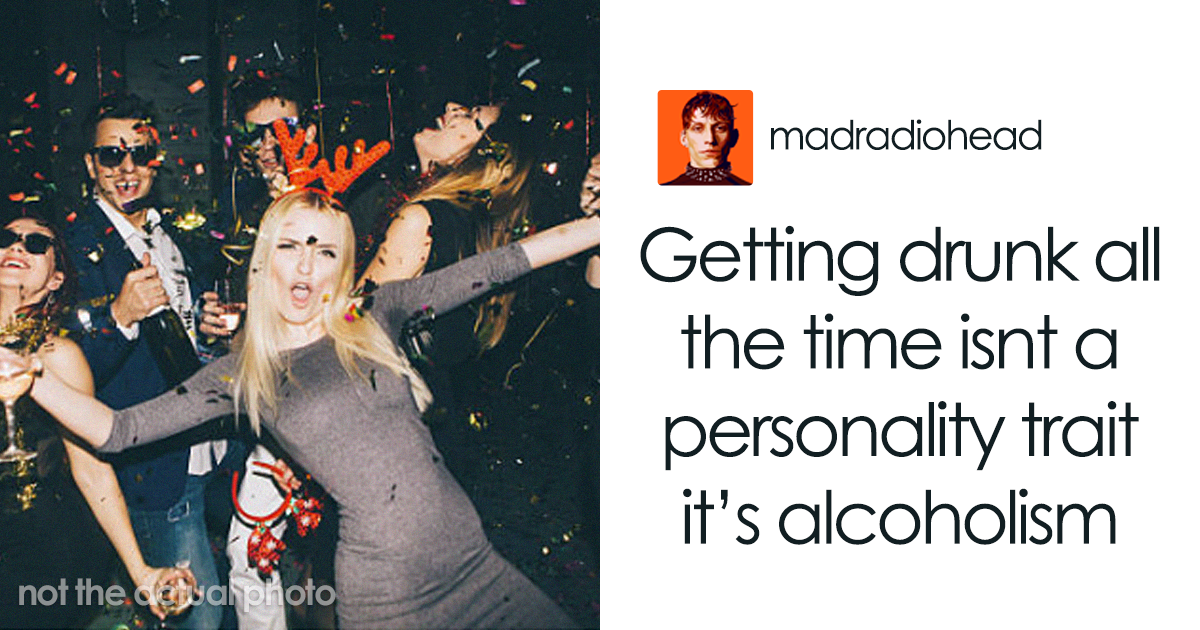
The thread that inspired this conversation resonated because it challenged one of America’s favorite cultural tricks: separating “real alcoholics” from “normal drinkers” with a flimsy little curtain. Many people imagine alcoholism as something obvious, extreme, and far away. In reality, unhealthy drinking can wear a blazer, make rent, post vacation photos, ace exams, and still be quietly running the show backstage.
One hard pill is that social drinking can still be harmful drinking. Binge drinking, for example, is commonly defined as consuming enough alcohol in a short period to bring blood alcohol concentration to 0.08% or higher, which is typically about five drinks for men or four drinks for women within roughly two hours. Not everyone who binge drinks has alcohol use disorder, but binge drinking can increase risk and cause damage all by itself.
Another hard pill: “I only drink with friends” is not the same as “my drinking is harmless.” If every friendship, celebration, date, game night, awkward family dinner, and minor inconvenience requires alcohol, the bottle may be doing more emotional labor than anyone wants to admit. At that point, drinking is not just a beverage choice. It is a coping system with a cute label and terrible customer service.
The Biggest Hard Pills To Swallow About Alcoholism
1. Being Functional Does Not Mean Being Fine
One of the most common myths about alcoholism is that a person must lose everything before the problem “counts.” That is false and dangerous. Many people with alcohol use disorder keep jobs, care for families, and appear successful for years. Functioning is not the same as thriving. Sometimes it simply means a person has built an impressive-looking house on a foundation that is cracking loudly at 2 a.m.
If drinking causes repeated conflict, risky behavior, missed responsibilities, blackouts, health problems, secrecy, anxiety, or an inability to cut back, it deserves attention. The question is not, “Have I hit rock bottom?” The better question is, “What is alcohol already costing me?” Waiting for a disaster before seeking help is like waiting for the kitchen to burn down before admitting the smoke alarm had a point.
2. Alcoholism Is Not Always Loud
Some people picture alcoholism as shouting, bar fights, arrests, or dramatic movie scenes with rain on windows. But alcohol problems can be quiet. They can look like drinking alone after everyone goes to bed, rotating stores to avoid recognition, pouring a little extra into a “normal” glass, or feeling irritated when plans do not include alcohol.
Alcohol use disorder can range from mild to severe. That spectrum is important because early warning signs deserve attention too. You do not need to be in crisis to make a change. In fact, catching a problem early is one of the smartest things a person can do. There is no trophy for suffering longer than necessary, though society sometimes acts like there is a tiny gold cup waiting at rock bottom.
3. “Everybody Drinks Like This” Is Usually Not Research
People often normalize their drinking by comparing themselves to the heaviest drinkers in their circle. If everyone at brunch orders bottomless mimosas, the pitcher starts to look like a group project. If every weekend ends in blurry photos and recovery tacos, hangovers become a personality trait. But a social circle can normalize unhealthy behavior without making it healthy.
This is especially relevant for college students and young adults, where heavy drinking may be treated like a rite of passage. The hard truth is that common does not mean safe. Blacking out is not a charming anecdote. Needing alcohol to socialize is not just “being shy.” Regularly losing control is not simply “making memories,” especially when the memories keep deleting themselves.
4. Loved Ones Cannot Love Someone Into Sobriety
Another painful truth from many recovery conversations is that family and friends cannot control another person’s drinking. They can support, encourage, set boundaries, offer resources, and speak honestly. But they cannot do the recovery work for someone else. This is devastating for people who love someone with alcohol use disorder, because love wants a lever to pull. Addiction often refuses to come with convenient handles.
Support groups for families, such as Al-Anon, often emphasize that loved ones did not cause the alcoholism, cannot control it, and cannot cure it. That message can sound harsh at first, but it can also be freeing. It allows family members to stop confusing loyalty with self-destruction. Loving someone does not require pretending their drinking is harmless. It also does not require sacrificing your own sanity on the altar of their denial.
5. Recovery Is Not One-Size-Fits-All
Some people recover through Alcoholics Anonymous. Others prefer SMART Recovery, therapy, medication, outpatient treatment, residential programs, faith-based support, medical care, or a combination of several approaches. The best recovery plan is not the one that sounds most impressive in a comment section. It is the one a person can actually use, return to, and build a life around.
Evidence-based treatment for alcohol use disorder can include behavioral therapies, mutual support groups, and FDA-approved medications such as naltrexone, acamprosate, and disulfiram. A doctor or qualified addiction professional can help determine what fits. This point matters because many people still believe treatment is only “rehab or nothing.” In reality, there are many doors into recovery. Some even have coffee.
Alcoholism, Denial, And The Stories People Tell Themselves
Denial is not always a person declaring, “I have no problem.” Sometimes denial sounds reasonable. “I never drink before work.” “I switched to wine.” “I only drink expensive stuff.” “I can stop anytime.” “I deserve it.” “At least I’m not as bad as my uncle.” These statements may be true individually, but they can also form a very polished fence around a growing problem.
One hard pill is that the label matters less than the pattern. A person can spend years arguing over whether they are “technically alcoholic” while their life keeps shrinking around alcohol. If drinking repeatedly creates harm and the person keeps drinking anyway, the debate over wording can become a distraction. The fire does not care whether you call it a flame, a spark, or “just a little cozy orange situation.”
Another common story is that alcohol is the solution to stress. At first, it may feel that way. Alcohol can temporarily reduce tension, lower inhibition, or numb discomfort. But over time, heavy drinking can worsen anxiety, depression, sleep quality, conflict, and physical health. The relief becomes expensive. Eventually, the person may be drinking not to feel good, but to avoid feeling awful.
The Health Risks People Often Underestimate
Alcohol affects far more than the liver. Excessive drinking is linked with injuries, violence, falls, motor vehicle crashes, high blood pressure, heart problems, liver disease, mental health issues, and several cancers. The U.S. Surgeon General has warned about alcohol’s causal link to increased risk for at least seven types of cancer, including breast, colorectal, esophageal, liver, mouth, throat, and voice box cancers.
The numbers are sobering, pun absolutely not intended but unfortunately standing right there. In the United States, excessive alcohol use is a leading preventable cause of death, contributing to roughly 178,000 deaths each year. That includes deaths from long-term conditions as well as deaths from drinking too much on a single occasion.
Withdrawal is another danger people underestimate. Someone who has been drinking heavily for a long time should not assume quitting suddenly is always safe. Alcohol withdrawal can involve tremors, anxiety, sweating, insomnia, nausea, seizures, or delirium tremens in severe cases. Medical guidance is important, especially for people with physical dependence. Recovery should be brave, not reckless.
What Honest Conversations About Alcohol Can Actually Change
Threads about alcoholism can be messy, emotional, blunt, and sometimes imperfect. Still, they can do something valuable: interrupt the script. A person reading one may suddenly recognize their own excuses. A partner may realize boundaries are not cruelty. A friend may understand that “party animal” is not always a compliment. Someone in early sobriety may feel less alone.
Honest conversations also push back against stigma. Calling alcohol use disorder a medical condition does not remove personal responsibility. It gives responsibility somewhere useful to stand. Shame says, “You are broken, so hide.” Recovery says, “Something is wrong, and help exists.” Those are very different invitations.
The goal is not to make everyone terrified of a toast at a wedding. The goal is to be honest about risk, patterns, and consequences. Some people can drink moderately without obvious problems. Some cannot. Some are not sure yet. The grown-up move is paying attention before alcohol starts making decisions with your face on the ID.
Signs It May Be Time To Reevaluate Drinking
A person may want to look closely at their relationship with alcohol if they often drink more than intended, fail to cut back, spend significant time drinking or recovering, crave alcohol, neglect responsibilities, continue despite relationship problems, give up activities, take risks while drinking, need more alcohol to get the same effect, or feel withdrawal symptoms when not drinking.
It is also worth noticing softer signs. Do you feel annoyed when alcohol is unavailable? Do you plan events around drinking? Do you hide how much you consume? Do you use alcohol as your main way to relax, sleep, flirt, celebrate, grieve, or tolerate your own thoughts? If alcohol has become the Swiss Army knife for every feeling, that tool may be cutting more than it fixes.
How People Can Start Getting Help
There is no single correct first step, but there are several good ones. A person can talk with a primary care doctor, therapist, addiction counselor, or trusted mental health professional. They can explore support groups such as AA or SMART Recovery. They can use confidential treatment locators, consider medication-assisted treatment, or ask a trusted person to sit with them while they make the first call.
For someone worried about a loved one, the first step may be setting boundaries rather than delivering the perfect speech. Boundaries are not punishments. They are statements of what you will and will not participate in. “I will not ride with you after you drink.” “I will not lie to your boss.” “I will leave if you become aggressive.” These sentences may feel cold, but they are often warmer than enabling disguised as patience.
Recovery is rarely a straight line. Relapse can happen, but it does not erase progress or make treatment pointless. Alcohol use disorder is associated with lasting brain changes, and recovery may require repeated support, new coping skills, medical care, and time. The internet loves instant transformations. Real life is usually more like assembling furniture with missing instructions and emotional splinters.
Additional Experiences: What These Hard Pills Feel Like In Real Life
In many shared experiences about alcoholism, the first hard pill is not “I drink too much.” It is “I have built my life so drinking stays protected.” People describe choosing restaurants based on cocktail menus, avoiding friends who do not drink, keeping emergency alcohol at home, or turning every bad day into a permission slip. At first, these habits feel private and manageable. Later, they start to feel like a second job with no paycheck and terrible hours.
One common experience is the morning-after investigation. A person wakes up and checks their phone like it contains classified evidence. Texts, calls, receipts, photos, bruises, missing money, vague embarrassment: each clue tells part of a story they do not fully remember. They may laugh it off in public, but privately they feel dread. The scary part is not only what happened. It is realizing that the same thing could happen again because the pattern is still there.
Another experience comes from loved ones. They often describe becoming experts in mood-reading. Is the person sober? Buzzed? Lying? About to explode? Safe to talk to? Children, partners, roommates, and friends learn to scan a room before relaxing in it. They may hide bottles, pour alcohol down the sink, count drinks, monitor bank statements, or rehearse calm speeches in the shower. Eventually, many discover the brutal truth: surveillance is not recovery. It only turns the loved one into unpaid security for a problem they cannot control.
People in early sobriety often describe a strange grief. They know alcohol hurt them, yet they still miss it. They miss the ritual, the identity, the instant off-switch, the social ease, the feeling that fun had a simple recipe. This grief can confuse people. “How can I miss something that ruined so much?” Because harmful things can also be familiar. Recovery sometimes means mourning the thing that kept you company while also admitting it was stealing your wallet.
There are also quieter victories that rarely go viral. The first sober holiday. The first honest doctor appointment. The first time someone says, “I’m not drinking tonight,” without giving a 14-slide presentation. The first morning without shame. The first repaired friendship. The first difficult feeling that passes without being drowned. These moments may not look cinematic, but they are enormous. They are proof that life can become wider again.
The most important experience shared across many stories is this: recovery is not just about removing alcohol. It is about rebuilding the life alcohol was standing in for. That may mean learning how to handle stress, loneliness, boredom, trauma, celebration, disappointment, and ordinary Tuesday evenings. It may mean therapy, meetings, medication, exercise, new friends, apologies, boundaries, medical care, and patience. It is not easy. But neither is staying trapped. At least recovery has a future in it.
Conclusion
The hardest truths about alcoholism are hard because they remove hiding places. They challenge the myth that only certain “types” of people struggle. They ask whether fun is still fun when it keeps causing harm. They remind loved ones that compassion without boundaries can become self-abandonment. Most of all, they make one thing clear: alcohol use disorder is serious, common, treatable, and not something anyone has to face alone.
Honesty is not the enemy of hope. It is often the doorway. Whether someone is questioning their drinking, supporting a loved one, or simply rethinking the way culture glamorizes alcohol, these hard pills can be useful medicine. Bitter, yes. Necessary, often. Life-saving, sometimes.
Note: This article is for educational purposes only and is not a substitute for professional medical advice. People who drink heavily or may be physically dependent on alcohol should speak with a healthcare professional before quitting suddenly, because alcohol withdrawal can be dangerous.