If you have ever watched When Calls the Heart and thought, “Surely Hope Valley is a real place, and surely I can move there tomorrow with one suitcase, a teacup, and a suspiciously perfect wardrobe,” you are not alone. Hallmark’s beloved frontier drama has a way of making viewers believe that its wooden sidewalks, charming church, cozy café, and sweeping mountain scenery are waiting just beyond the next bend in the road.
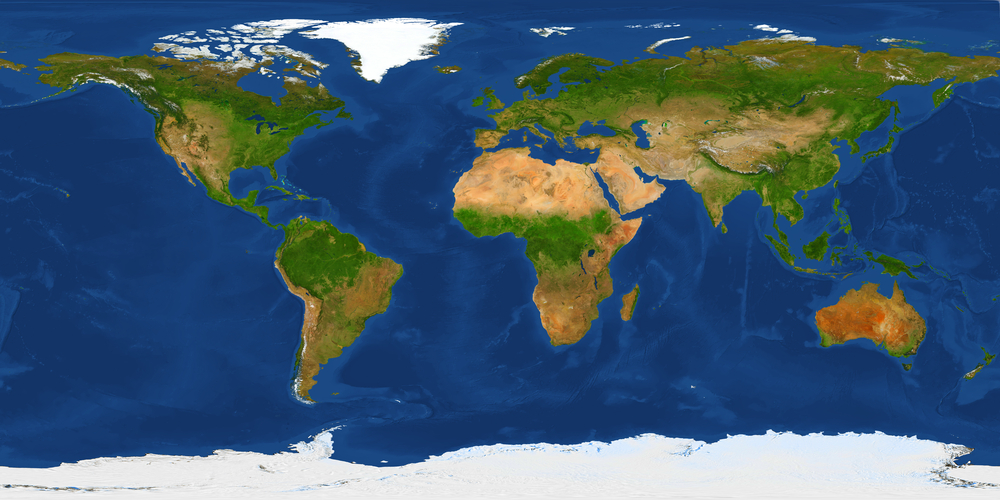
So, where is When Calls the Heart filmed? The short answer is: mostly in Langley, British Columbia, Canada. The longer, more interesting answer is that the fictional town of Hope Valley is built on the Jamestown Movie Set at MacInnes Farms, a working farm in Langley Township, not far from Vancouver. That means the town that looks like it was pulled straight out of an early-1900s postcard is both a real filming set and a carefully designed illusion. The storefronts are real enough to walk past, but do not expect to find your mail waiting at the mercantile.
This filming location has become a major part of the show’s identity. The landscape, buildings, fields, forests, dirt roads, and warm golden light help create the cozy frontier atmosphere that Hearties know and love. Hope Valley may be fictional, but its sense of place is very real.
The Main Filming Location: Langley, British Columbia
The heart of When Calls the Heart beats in Langley, British Columbia, a community located in the Fraser Valley region southeast of Vancouver. This area offers a mix of farmland, forest, rolling countryside, and historic charm, making it an ideal stand-in for the Canadian frontier setting of the series.
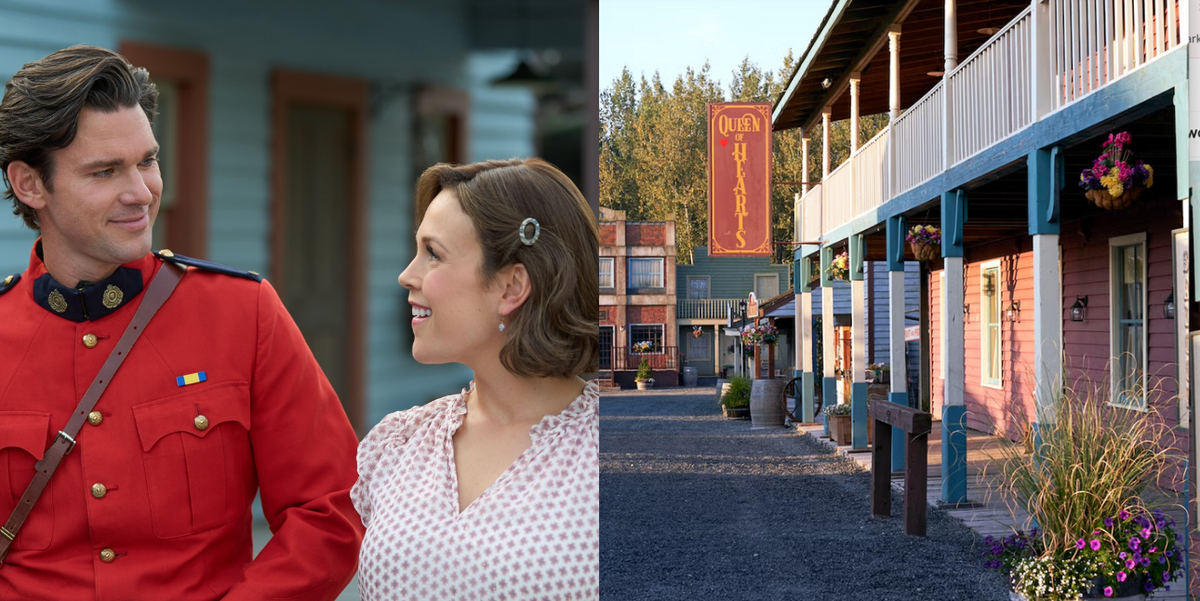
The show is primarily filmed at MacInnes Farms, where the Jamestown Movie Set was built. This is where viewers see much of Hope Valley: the town streets, church, schoolhouse, café, mercantile, jail, saloon, homes, and other familiar exterior locations. In other words, when Elizabeth walks through town, when Rosemary has an idea that may or may not require a town meeting, or when Bill gives someone that “I know more than I’m saying” look, there is a good chance the scene was filmed on this set.
Langley works beautifully for the series because it feels both accessible and timeless. It has the open-air softness of the countryside, but it is close enough to Vancouver to support a large television production. Crews can build, dress, light, and redress sets while still having access to experienced film workers, equipment, studios, and post-production resources in British Columbia’s busy entertainment industry.
Is Hope Valley a Real Town?
No, Hope Valley is not a real town in the way that Seattle, Boston, or “the town where your aunt knows everyone’s business” is real. Hope Valley is fictional. In the early seasons, the town was known as Coal Valley, a mining community shaped by hardship and loss. Later, it became Hope Valley, a name that better matched the show’s evolving themes of healing, faith, family, and community.
However, the physical town set is very real. The Jamestown Movie Set includes streets and buildings designed to create the illusion of a frontier town in the early 1900s. The structures are arranged to feel like a working community, with recognizable locations that return season after season. That consistency is one reason viewers feel so attached to the place. Hope Valley does not feel like a random background. It feels like a character.
The town has grown with the series. As new storylines developed, new spaces appeared or existing buildings were updated. That evolution gives the show a lived-in quality. Hope Valley is not frozen in time; it changes as its people change. Thankfully, it changes without anyone installing neon signs, traffic lights, or a suspiciously modern coffee chain.
MacInnes Farms and the Jamestown Movie Set
MacInnes Farms is more than a backdrop. It is a working farm that has become deeply connected to the show’s production. The property includes fields, orchards, gardens, and natural scenery that help give When Calls the Heart its authentic outdoor feeling. Instead of relying only on studio walls and painted backdrops, the production can use real land, real weather, real trees, and real mud. The mud, one assumes, does not take direction well.
The Jamestown Movie Set sits on the farm and serves as the main Hope Valley location. It includes the kind of period details that make the series visually convincing: wooden boardwalks, rustic siding, frontier-style storefronts, hitching posts, wagons, fences, and practical-looking streets. These details help viewers believe in the world even when the drama is at its most tender, romantic, or conveniently interrupted by a knock at the door.
Because the set is outdoors, the natural environment matters. Sunlight, fog, rain, seasonal greenery, and the surrounding hills all influence the look of the show. British Columbia’s moody beauty gives Hope Valley a soft, romantic atmosphere that would be hard to fake completely indoors. The location provides texture, and texture is what keeps a period drama from feeling like a costume party in a warehouse.
Why British Columbia Looks Perfect for the Series
When Calls the Heart is based on Janette Oke’s Canadian West stories, so filming in Canada gives the series a natural connection to its roots. British Columbia offers the right blend of frontier spirit and cinematic convenience. The region has forests, mountains, farmland, creeks, and open skies, all of which help create the illusion of a small town surrounded by possibility.
The show is set in the early 20th century, which means the filming location must avoid obvious modern distractions. No one wants Elizabeth delivering an emotional speech while a delivery truck rolls by in the background. Langley’s rural areas allow the production to frame shots carefully and maintain the period look.
Vancouver and its surrounding communities are also major filming hubs. Many Hallmark productions shoot in British Columbia because the region has skilled crews, flexible locations, and strong infrastructure for film and television. For a long-running series like When Calls the Heart, that matters. The production needs consistency, reliability, and enough room to keep building the world of Hope Valley without having to reinvent the wheel every season.
What Parts of Hope Valley Are on the Set?
The Hope Valley set includes many of the locations fans recognize immediately. The church and schoolhouse are central to Elizabeth’s story and to the town’s community life. The mercantile, café, saloon, jail, and homes all help create the rhythm of daily life. Even when a scene lasts only a few seconds, the buildings tell the viewer where they are and what kind of community this is.
The production design is important because When Calls the Heart is not just about big plot twists. It is about conversations on porches, decisions made over coffee, glances across Main Street, and neighbors helping neighbors. The set needs to support small emotional moments as much as dramatic ones. A town that feels warm and familiar makes those moments more powerful.
The set also allows the show to reuse locations in fresh ways. A street can host a festival, a crisis, a parade, a quiet walk, or an awkward conversation that absolutely everyone in town will probably know about by supper. This flexibility helps the series feel expansive without leaving its core location behind.
Were Any Scenes Filmed Outside Langley?
Yes. While the television series is strongly associated with Langley and the Jamestown Movie Set, some production work has involved other locations in and around Vancouver. Certain interiors, city settings, estate scenes, and special locations may be filmed elsewhere when the story requires a different look.
One notable example connected to the show’s world is the use of Hycroft Manor in Vancouver for the Thatcher family home. Hycroft, an Edwardian mansion, fits the elegant world Elizabeth comes from before she begins her life in the frontier town. Its grand staircase and refined interiors contrast beautifully with the rustic simplicity of Hope Valley.
The original 2013 When Calls the Heart television movie also had a different production footprint from the ongoing series. Its listed filming locations include Castel Film Studios in Bucharest, Romania, as well as Calgary and Alberta, Canada. That is one reason location details can seem confusing online. The movie and the long-running series are connected, but they were not filmed in exactly the same way.
Can Fans Visit the ‘When Calls the Heart’ Filming Location?
Yes, fans can sometimes visit the area connected to Hope Valley, but access depends on filming schedules and tour availability. MacInnes Farms has offered guided tours that allow visitors to experience the property and see parts of the set. These tours are not the same as wandering freely through a public town. The set is privately owned and still used for production, so visitors must follow official rules and schedules.
When tours are available, they give Hearties a rare opportunity to step into the physical world of the show. Visitors may see familiar streets, buildings, and scenery from the series. For many fans, that experience is emotional. Seeing Hope Valley in person can feel like walking into a memory, even though the memory technically belongs to fictional characters. Television is weird that way, and we are grateful.
Fans should plan ahead before visiting. Tour schedules can pause during active filming seasons, and availability may change. The location includes outdoor areas, gravel roads, dirt paths, wooden walkways, and farm conditions, so comfortable shoes and weather-ready clothing are wise. This is not the place for delicate footwear unless your goal is to personally test the frontier lifestyle.
How the Filming Location Shapes the Story
Hope Valley works because it feels isolated enough for drama but connected enough for growth. The town is small, which means relationships matter. Everyone’s choices ripple outward. A new business, a romance, a health scare, a trial, or a disagreement can affect the whole community. The physical layout of the set supports that storytelling style.
Main Street is especially important. It functions like the town’s emotional hallway. Characters cross paths naturally. News travels quickly. A private conversation can become public with impressive speed. The buildings face each other in a way that makes Hope Valley feel like a shared space rather than a collection of separate sets.
The natural surroundings also help reinforce the show’s themes. Mountains, fields, trees, and open skies remind viewers that the characters live close to nature and must rely on one another. The landscape is beautiful, but it is not purely decorative. It suggests challenge, distance, and resilience. In a show about hope, the setting gives hope somewhere to stand.
Why the Set Feels So Believable
The believability of Hope Valley comes from layers. The buildings look weathered but cared for. The streets feel practical. The props suggest daily life. The costumes match the setting. The surrounding farm and forest prevent the town from feeling like a stage. Together, these elements create a world that feels cozy without becoming cartoonish.
The series also benefits from returning to the same location year after year. Viewers notice familiar corners, porches, doors, and paths. Over time, the audience learns the geography of the town almost unconsciously. You know where people gather, where they argue, where they fall in love, and where they stand when they need to look thoughtfully into the middle distance.
That familiarity is a major reason the show has such loyal fans. Hope Valley offers comfort. It is predictable in the best way: not because nothing happens, but because the place itself feels steady. No matter what emotional storm arrives, the church, schoolhouse, café, and mercantile are still there, waiting for the next scene.
Experiences Related to Visiting the ‘When Calls the Heart’ Filming Area
Visiting the filming area connected to When Calls the Heart is less like visiting a standard tourist attraction and more like stepping into a favorite episode with your real-life shoes on. The experience begins before you even reach the set. As you travel through the Fraser Valley, the landscape starts doing some of the storytelling. There are fields, country roads, trees, wide skies, and that unmistakable Pacific Northwest softness in the air. Even before you see a single building from Hope Valley, you understand why the production chose this region.
For Hearties, the emotional pull is strong. A casual viewer may see a wooden storefront and think, “Nice set.” A dedicated fan may see the same storefront and immediately remember a proposal, an argument, a festival, a farewell, or a moment when Rosemary was absolutely certain she had a brilliant plan. That is the magic of a long-running series. The place becomes a container for memories.
A guided tour experience can also change how fans watch the show afterward. Once you have seen how close certain buildings are to each other, how outdoor paths connect, or how the landscape frames the town, scenes feel more three-dimensional. You begin noticing camera angles, background details, and how carefully the production hides modern life. Suddenly, a quiet conversation on a porch becomes more impressive because you know there may be trucks, equipment, crew members, and real farm activity just outside the frame.
The visit is also a reminder that television is both art and labor. Hope Valley may look effortless on screen, but the set requires maintenance, planning, design, weather management, and coordination. Outdoor filming is beautiful, but it comes with challenges: rain, mud, wind, changing light, and the occasional reality that nature has not read the script. The polished warmth of the final episode is the result of many people working behind the scenes.
Fans often pair a Hope Valley-related visit with time in the surrounding Langley and Fraser Valley area. Nearby heritage sites, farms, markets, cafés, and small-town streets can extend the feeling of the show without pretending to be the show. That balance matters. The best experience is not only about finding exact filming spots; it is about understanding why this region feels right for a story about community, courage, love, and second chances.
Practical preparation makes the experience better. Wear comfortable shoes, bring layers, check official tour information before making plans, and remember that filming schedules can affect access. The set is not an amusement park; it is a working production location on private property. Respecting the space helps keep visits possible for future fans.
The most rewarding part of the experience may be surprisingly simple: standing in a place that once seemed fictional and realizing that stories need real ground beneath them. Hope Valley is imagined, yes, but the feelings it creates are not. The friendships, grief, humor, romance, and hope that fans connect with are made stronger by a location that feels tangible. You may not be able to move into Hope Valley, open a shop, and immediately become part of a town-wide moral lesson, but you can visit the landscape that helps bring it to life. That is a pretty lovely consolation prize.
Conclusion: The Real Place Behind Hope Valley
So, where is When Calls the Heart filmed? The series is primarily filmed in Langley, British Columbia, at the Jamestown Movie Set on MacInnes Farms. Hope Valley itself is fictional, but the set is real, carefully built, and deeply tied to the show’s warm frontier identity. Additional locations around Vancouver and other production sites have supported the broader world of the series, while the original TV movie used separate filming locations including Romania and Alberta.
The reason Hope Valley feels so real is not just because of where it is filmed. It is because the location, production design, performances, and storytelling all work together. The town looks lived in. The landscape feels honest. The streets invite conversation. The buildings hold memories. For fans, Langley is not simply a filming location; it is the real-world doorway into one of Hallmark’s most beloved fictional communities.
Hope Valley may not appear on a standard map, but for Hearties, it has always been easy to find: follow the road toward kindness, community, resilience, and one very photogenic Canadian farm.