Peeling nails can make even the most ordinary day feel oddly dramatic. One minute you are opening a can of sparkling water, the next you are staring at a flaky nail edge like it has personally betrayed you. The good news? In many cases, peeling fingernails are not a sign that your body is staging a tiny keratin rebellion. They are often linked to everyday habits: water exposure, polish removal, cleaning products, trauma, or overenthusiastic manicures.
Still, nails can offer clues about your overall health. Fingernails are made of layers of keratin, a tough protein also found in hair and skin. When those layers dry out, weaken, separate, or become damaged, the nail may split, flake, peel, or bend more easily. Dermatologists often call this type of brittle splitting nail problem onychoschizia. It sounds like a spell from a wizard school, but it simply refers to nails that split or peel in layers.
This guide explains the eight most common causes of peeling nails, how to treat them, when to see a dermatologist, and how to prevent the problem from coming back like an uninvited group chat notification.
What Are Peeling Nails?
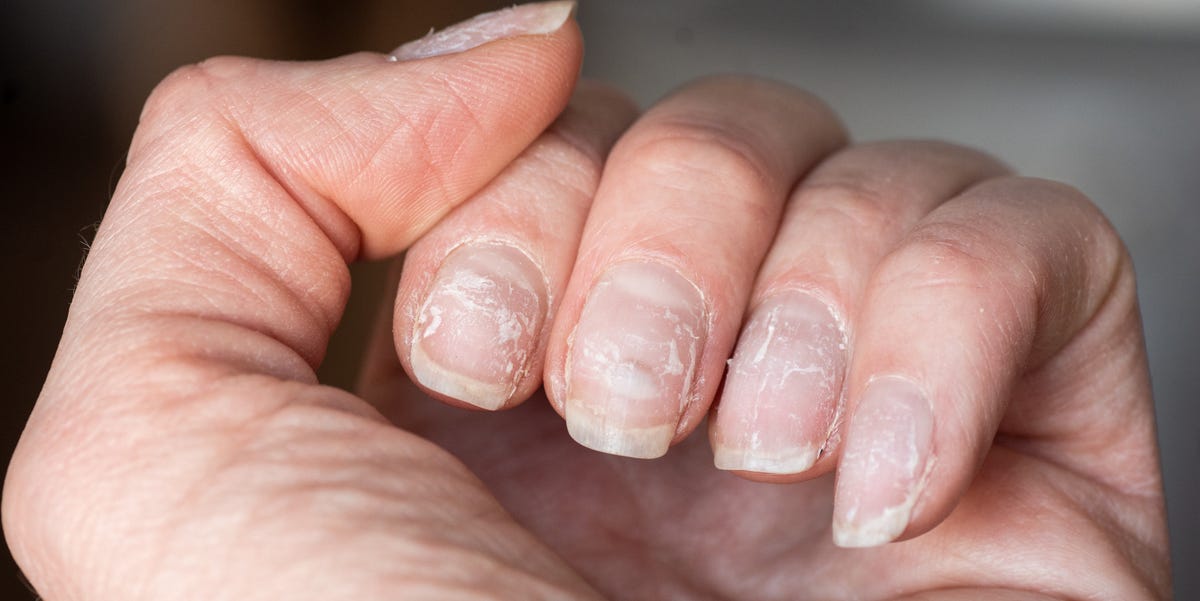
Peeling nails happen when the layers of the nail plate separate. Instead of a smooth, strong nail edge, you may notice thin flakes, splitting tips, soft layers, ragged edges, or nails that feel weaker than usual. Peeling can affect one nail, several fingernails, or both fingernails and toenails.
A helpful clue is whether your toenails are peeling too. If only your fingernails are affected, the cause is often external, such as water, chemicals, manicures, or using nails as tools. If both fingernails and toenails are peeling, an internal cause such as iron deficiency, thyroid imbalance, or another health condition may be worth discussing with a healthcare professional.
Peeling Nails: 8 Common Causes
1. Too Much Water Exposure
Water seems harmless. It hydrates plants, fills pools, and makes pasta possible. But for nails, repeated soaking and drying can be surprisingly rough. Nails absorb water, expand, then shrink as they dry. When this happens again and again, the nail layers can weaken and separate.
People who wash dishes often, swim frequently, clean without gloves, wash their hands many times a day, or work in healthcare, food service, childcare, or beauty services may notice peeling nails more often. The nail can become soft when wet, then brittle when dry. That cycle is a classic recipe for splitting and peeling.
2. Harsh Chemicals and Cleaning Products
Household cleaners, detergents, disinfectants, solvents, and some soaps can strip moisture from nails and surrounding skin. If your hands feel tight, dry, or irritated after cleaning, your nails are probably not throwing a party either.
Even frequent use of hand sanitizer or strong antibacterial soaps can contribute to dryness. The issue is not cleanliness itself; clean hands are important. The problem is repeated exposure without replacing moisture afterward. Nails need protection just like skin does.
3. Nail Polish, Gel Manicures, Acrylics, and Rough Removal
Manicures can be beautiful, confidence-boosting, and fun. Unfortunately, some manicure habits can also leave nails thinner, weaker, and more likely to peel. The biggest troublemakers are aggressive buffing, scraping off gel polish, peeling off acrylics, using acetone too often, and wearing enhancements continuously without breaks.
Gel polish removal often requires acetone, which can dry the nail plate and nearby skin. The real chaos begins when polish is picked or forced off. That can remove the top layers of the natural nail, leaving it flaky and fragile. If you have ever peeled off gel polish “just this once,” your nails probably remember. Nails hold grudges quietly.
4. Physical Trauma and Using Nails as Tools
Fingernails are not tiny screwdrivers, package openers, label scrapers, guitar picks, or emergency tweezers. Yet many of us use them that way. Repeated pressure at the nail tip can cause small splits that grow into peeling layers.
Typing with long nails, tapping nails on hard surfaces, biting nails, picking at cuticles, opening cans, scraping stickers, or wearing shoes that press on toenails can all contribute to nail trauma. Even small daily habits can add up when they repeat hundreds of times a week.
5. Dryness, Weather, and Aging
Cold weather, low humidity, indoor heating, and frequent handwashing can dry out nails. As people age, nails may also grow more slowly and become more brittle. This does not mean peeling nails are inevitable, but it does mean nails may need more moisture and gentler care over time.
Dry peeling nails often feel hard, rough, and easy to snap. Moisture-related peeling nails may feel soft and flexible. Either way, the solution usually starts with reducing irritation and building a simple nail-care routine.
6. Nutritional Deficiencies
Nails grow from living tissue, so nutrition matters. Iron deficiency is one of the more commonly discussed internal causes of brittle or peeling nails. Low protein intake and deficiencies involving certain B vitamins, zinc, or other nutrients may also affect nail strength.
However, this does not mean everyone with peeling nails needs a shopping cart full of supplements. More is not always better, and high-dose supplements can create their own problems. Biotin, for example, may help some people with brittle nails, especially if a deficiency exists, but it is not magic nail fertilizer. It can also interfere with certain lab tests, so it is smart to talk with a healthcare professional before taking high doses.
7. Skin Conditions, Fungal Infections, and Nail Psoriasis
Sometimes peeling nails are connected to skin or nail conditions. Eczema around the fingers can dry and inflame the skin near the nail, affecting nail growth. Psoriasis can cause nail pitting, discoloration, lifting, thickening, or crumbling. Fungal nail infections may cause nails to become yellow, white, brown, thick, brittle, crumbly, or separated from the nail bed.
If a nail changes color, thickens, smells unusual, lifts from the nail bed, becomes painful, or affects only one nail in a suspicious way, do not simply cover it with polish and hope for the best. Nail polish is not a medical plan; it is a tiny decorative blanket.
8. Medical Conditions and Medications
Less commonly, peeling or brittle nails may be linked to underlying conditions such as iron-deficiency anemia, thyroid disease, kidney disease, diabetes, or other health issues. Certain medications may also affect nail growth or texture.
This does not mean peeling nails automatically signal something serious. Most cases are caused by external stress. But if nail peeling appears suddenly, affects many nails, comes with fatigue or other symptoms, or does not improve after several months of gentle care, it is worth getting checked.
How to Treat Peeling Nails at Home
Keep Nails Short and Smooth
Shorter nails bend less and catch on fewer things. Trim peeling nails carefully and file rough edges with a fine-grit nail file. File in one direction rather than sawing back and forth. The goal is to reduce snags, not start a woodworking project on your fingertips.
Moisturize Like You Mean It
Use a thick hand cream or ointment after washing your hands and before bed. Pay attention to the nail plate, cuticles, and skin around the nails. Ingredients like petrolatum, glycerin, shea butter, dimethicone, and mineral oil can help reduce water loss.
Cuticle oil can also be helpful, especially after polish removal. You do not need a luxury oil blessed by moonlight. Consistency matters more than fanciness.
Wear Gloves for Wet or Chemical Work
Wear cotton-lined rubber gloves when washing dishes, cleaning bathrooms, gardening, or handling detergents. If your hands sweat inside gloves, take breaks and let them dry. Trapping moisture too long can also irritate skin and nails.
Pause Harsh Manicures
If your nails are actively peeling, give them a break from gel polish, acrylics, dip powder, and aggressive buffing. Choose regular polish if you want color, and use a gentle remover. Avoid picking polish off. If polish starts lifting, remove it properly instead of turning it into a personal excavation project.
Use Nail Hardeners Carefully
Some nail hardeners can help temporarily, but overuse may make nails too rigid and more likely to snap. Products containing formaldehyde can irritate skin or trigger allergic reactions in some people. If you use a hardener, follow directions and stop if you notice redness, itching, burning, or worsening peeling.
Support Nail Growth With Food
A balanced diet supports healthy nail growth. Include protein-rich foods such as eggs, fish, poultry, beans, lentils, tofu, Greek yogurt, and nuts. Iron-rich foods include lean meats, beans, spinach, fortified cereals, and lentils. Pair plant-based iron sources with vitamin C foods like citrus, strawberries, tomatoes, or bell peppers to support absorption.
If you suspect a deficiency, ask a healthcare professional about testing instead of guessing. Your nails deserve better than random supplement roulette.
Professional Treatment Options
If peeling nails are caused by a fungal infection, a dermatologist may recommend topical or oral antifungal treatment. Fungal nails can take months to improve because nails grow slowly. For nail psoriasis, treatment may include topical medications, injections, systemic medicines, or other therapies depending on severity. If anemia, thyroid disease, or another medical condition is involved, treating the underlying issue is the key.
A dermatologist may examine the nail, ask about habits and health history, test nail clippings, or order blood work if an internal cause is suspected. This is especially useful when the diagnosis is unclear, because several nail problems can look similar to the untrained eye.
When to See a Doctor About Peeling Nails
Make an appointment with a dermatologist or healthcare professional if peeling nails last longer than three to six months despite home care, affect both fingernails and toenails, or appear with other symptoms. You should also seek care if you notice pain, swelling, bleeding, pus, dark streaks, sudden color changes, nail lifting, thickening, crumbling, or one nail changing dramatically compared with the others.
Also get checked if you have diabetes, circulation problems, a weakened immune system, or a history of psoriasis or eczema. Nail problems may need earlier treatment in these cases.
How to Prevent Peeling Nails
Build a Nail-Friendly Daily Routine
Prevention works best when it is boring in the best possible way. Keep nails trimmed, moisturize after handwashing, wear gloves for chores, and avoid using nails as tools. Apply hand cream before bed so it can work while you sleep and dream of opening soda cans with actual tools.
Give Nails Recovery Time Between Manicures
If you love manicures, you do not necessarily have to quit them forever. Instead, make them gentler. Avoid cutting cuticles, minimize buffing, choose reputable salons, ask about sterilized tools, and take breaks between gel or acrylic sets. If your nails are already weak, let the damaged portion grow out before restarting enhancements.
Protect Nails From Water Swings
Try not to soak nails for long periods. After washing hands, dry them well and moisturize. When swimming or doing wet work, moisturize afterward. Nails like balance. They do not enjoy the “soaked, dried, soaked, dried” lifestyle.
Watch for Patterns
Notice when peeling gets worse. Does it happen after a gel manicure? During winter? After cleaning days? When you switch soaps? When your diet changes? Patterns can reveal the cause faster than panic-searching every possible nail disease at midnight.
Common Myths About Peeling Nails
Myth 1: Peeling Nails Always Mean a Vitamin Deficiency
Not always. Nutritional issues can contribute, but external causes are extremely common. Water exposure, polish removal, trauma, and dryness are often the main culprits.
Myth 2: Nails Need to “Breathe”
Nails do not breathe like lungs. They receive nutrients from the blood supply under the nail. However, taking breaks from polish and enhancements can still help because it reduces dryness, chemical exposure, and removal damage.
Myth 3: More Nail Hardener Means Stronger Nails
Too much hardener can make nails rigid and brittle. Strong nails need a balance of firmness and flexibility. Think less “concrete slab” and more “healthy tree branch.”
Myth 4: Peeling Nails Heal Overnight
Nails grow slowly. A damaged fingernail may take several months to fully grow out. Toenails take even longer. Improvement usually comes from consistent care, not one heroic evening with cuticle oil.
Real-Life Experiences With Peeling Nails
Many people first notice peeling nails after a small change in routine. One common story is the “new dishwasher-free lifestyle.” Someone moves into a new apartment, starts washing dishes by hand every night, and within a few weeks the tips of their nails begin splitting. At first, it seems random. Then the pattern becomes obvious: hot water, dish soap, no gloves, repeat. Once gloves and nightly moisturizer enter the scene, the peeling often improves as the damaged nail grows out.
Another familiar experience is the post-gel manicure surprise. The manicure looks flawless for two weeks, survives typing, laundry, and at least one dramatic search for keys. Then removal day arrives. If the gel is picked, scraped, or rushed, the natural nail underneath may look thin, white, rough, or flaky. This can feel alarming, but it is often mechanical damage to the nail plate. The best fix is patience: short nails, moisturizer, cuticle oil, gentle filing, and a break from enhancements until healthier nail grows in.
Some people deal with peeling nails every winter. As soon as the air turns cold and indoor heating starts, hands become dry and nails start splitting at the edges. In this case, prevention works better than rescue. Keeping hand cream near the sink, in a backpack, on a desk, and beside the bed can turn moisturizing into a habit rather than a once-a-week apology to your fingers.
Parents, nurses, teachers, restaurant workers, cleaners, hairstylists, and caregivers often have another version of the problem: constant handwashing or sanitizer use. Their nails may peel along with dry cuticles and irritated skin. The solution is not to stop hand hygiene. It is to pair hygiene with barrier repair. Gentle cleansers when possible, thorough drying, fragrance-free moisturizer, and gloves for chemical exposure can make a major difference.
There are also cases where peeling nails are the clue that something else deserves attention. Someone may notice that both fingernails and toenails are brittle, or that nail peeling comes with fatigue, hair shedding, cold intolerance, or other symptoms. In those situations, it is wise to check in with a healthcare professional. The nail issue may still be simple, but testing for iron deficiency, thyroid imbalance, or other concerns can prevent months of guessing.
The biggest lesson from these experiences is that peeling nails usually improve when the cause is identified and the routine becomes gentler. Nails are slow responders. They do not clap after three days of moisturizer. But after several weeks, the new growth often looks smoother, stronger, and less dramatic. The trick is to protect the nails you have while giving the next generation of nail a better environment.
Conclusion
Peeling nails are common, frustrating, and usually manageable. The most likely causes include repeated water exposure, harsh chemicals, manicure damage, physical trauma, dryness, nutritional deficiencies, skin or fungal conditions, and less commonly, medical conditions or medications. Start with simple changes: keep nails short, moisturize daily, wear gloves for wet work, stop picking polish, and give damaged nails time to grow out.
If peeling continues, affects many nails, comes with color changes or pain, or appears alongside other health symptoms, see a dermatologist or healthcare professional. Your nails may be small, but they are excellent reporters. Listen to them before they start filing complaints in layers.
Note: This article is for educational purposes only and does not replace professional medical advice, diagnosis, or treatment. If nail changes are sudden, painful, severe, or persistent, consult a qualified healthcare professional.