Note: This article treats “Fab Freebie: Guiding Site” as a home decorating and online interior design topic inspired by digital room-design help, virtual guidance, and the kind of design freebie that turns a confusing room into a plan you can actually use.
When Your Room Needs a GPS, a Compass, and Maybe a Snack
Every home has at least one room that behaves like a puzzle with missing pieces. The sofa refuses to sit politely. The rug looks too small, then too large, then somehow both. The wall color that looked “warm greige” online suddenly resembles oatmeal having an emotional crisis. This is exactly why a guiding site for home design can feel like a fabulous freebie: it gives homeowners a starting point, a sense of direction, and a plan that does not begin with panic-buying throw pillows at midnight.
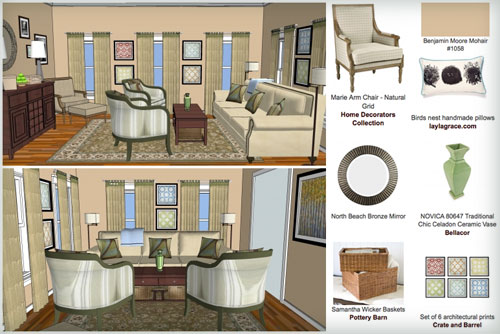
The phrase “Fab Freebie: Guiding Site” originally fits the spirit of an online design giveaway: a chance for readers to receive custom decorating help from a digital design service. The idea was simple but powerful. Instead of staring at a room and hoping inspiration would fall from the ceiling fan, users could turn to online design guidance, style quizzes, 3D room renderings, paint color suggestions, furniture selections, and a shopping list. That combination is still useful today, especially now that virtual interior design has become more common, more visual, and much less mysterious.
In other words, this topic is not just about a giveaway. It is about the larger promise behind it: accessible interior design help for real people with real rooms, real budgets, and real chairs that somehow block every walkway.
What Is a Guiding Site in Home Design?
A guiding site in the home design world is any online platform, service, quiz, planner, or editorial resource that helps users make better decorating decisions. Some sites connect you with professional interior designers. Others offer free room planners, style quizzes, mood board tools, furniture layout ideas, paint inspiration, or 2D and 3D visualization. The best ones do not simply say, “Buy a beige sofa and believe in yourself.” They help you understand your space, your taste, your budget, and your practical needs.
That matters because interior design is part creativity and part logistics. You may love a curved sectional, but if it blocks the patio door, your guests will have to exit through the window like cartoon burglars. A guiding site helps prevent that. It turns measurements, photos, preferences, and inspiration images into a design direction that can be tested before money leaves your wallet.
Common Features of a Helpful Design Guidance Site
Most modern online interior design tools or e-design services include several core features:
- Style quizzes to identify whether your taste leans modern, traditional, coastal, farmhouse, bohemian, Scandinavian, industrial, or something delightfully hybrid like “grandma’s library meets boutique hotel.”
- Room questionnaires that ask about budget, lifestyle, pets, kids, storage needs, favorite colors, disliked materials, and must-keep furniture.
- Photo and measurement uploads so the designer or tool can understand the real shape and limitations of the room.
- Mood boards to show colors, textures, furniture styles, lighting, and decorative direction.
- Floor plans that test traffic flow, furniture scale, and layout options.
- 3D renderings that help users visualize the final room before committing to purchases.
- Shopping lists that make the plan practical instead of just pretty.
The magic is not in any single feature. It is in the way those features work together. A beautiful mood board without measurements is just a dream board. A shopping list without a layout is a receipt waiting to become a return. A good guiding site connects the dots.
Why Free Design Guidance Became So Popular
Traditional interior design can be wonderful, but it is not always realistic for every homeowner. Full-service design may involve in-home visits, custom sourcing, contractor coordination, purchasing management, installation, and styling. That level of service is valuable, but it can also be expensive and time-consuming. Online design guidance offers a lighter, more flexible alternative.
For many people, the problem is not that they need a designer to handle every detail. They need help getting unstuck. They want someone to say, “Yes, the sofa can stay, but the lamps need height, the rug needs to be bigger, and that lonely chair in the corner looks like it is waiting for a job interview.” A free quiz, mini consultation, design article, room planner, or giveaway can provide just enough direction to move forward with confidence.
That is why the “fab freebie” concept still works. People love useful free tools because decorating mistakes can be costly. A free design quiz may clarify your style. A free floor planner may show that the 96-inch sofa is not your friend. A free consultation may reveal that the room does not need more stuff; it needs better balance.
The Value of 3D Renderings and Visual Planning
One of the strongest benefits of online interior design is visualization. Many homeowners can look at a paint swatch, fabric sample, or furniture image and still have no idea how everything will look together. This is not a personal failure. It is just hard to imagine a finished room from tiny rectangles and product photos floating in separate browser tabs.
3D renderings solve that problem by showing furniture, wall color, layout, lighting, rugs, and decor in a realistic room view. Even simple 3D tools can help you test whether a layout feels open or cramped, whether a dark wall color adds drama or gloom, and whether your dining table leaves enough room for chairs to slide back without starting a neighborhood dispute.
Free and paid room planning tools often allow users to create a floor plan, add walls, doors, windows, and furniture, then switch between 2D and 3D views. This is especially useful for small spaces, awkward corners, open-concept rooms, rentals, and multipurpose areas. When a room needs to function as a living room, office, playroom, and occasional laundry-folding arena, guessing is not a strategy. Planning is.
How a Guiding Site Helps You Discover Your Style
Interior style can be surprisingly slippery. Many people say they like “clean and cozy,” which is fair, but also broad enough to describe everything from a minimalist cabin to a hotel lobby with excellent pillows. A style quiz or guided questionnaire helps narrow the field.
These tools often ask users to choose favorite rooms, colors, furniture shapes, patterns, finishes, or moods. The result may identify a design direction such as modern organic, transitional, midcentury modern, coastal, glam, rustic, or eclectic. The point is not to trap you in a label. The point is to give your choices a useful vocabulary.
Once you know your style direction, shopping becomes easier. You can stop wondering whether every shiny object belongs in your home. If your style is warm modern, you may look for clean-lined furniture, natural wood, soft texture, and neutral color with contrast. If your style is colorful eclectic, you may embrace mixed patterns, vintage finds, and bold art. If your style is “I just want the room to stop judging me,” the first step is usually decluttering. No shame. We have all been there.
What Makes Online Design Guidance Actually Useful?
Not every design site is equally helpful. Some are inspiration machines, which is fun until you have saved 400 photos and still do not know what size rug to buy. A truly useful guiding site does more than inspire. It helps you decide.
1. It Starts With Real Measurements
Measurements are the broccoli of interior design: not always exciting, but absolutely necessary. Accurate room dimensions, ceiling height, window placement, door swings, outlets, and existing furniture sizes allow a design plan to work in the real world. Without measurements, even the prettiest plan can become a comedy of errors.
2. It Respects Your Budget
A good design guide does not suggest a $4,000 chair when your budget is $400 and your dog considers upholstery a lifestyle challenge. The best online design experiences ask for a budget early, then recommend products or ideas that match it. They may also suggest where to splurge, where to save, and what to reuse.
3. It Balances Beauty and Function
A room should look good, but it also has to work. A family living room needs durable fabrics, storage, traffic flow, and surfaces for drinks, books, remotes, and the mysterious collection of tiny objects that appears when children live nearby. A guiding site should consider lifestyle, not just aesthetics.
4. It Gives Clear Next Steps
The best guidance ends with action. That may mean a shopping list, layout plan, paint palette, furniture scale guide, or step-by-step decorating order. Without next steps, design advice can feel like someone handing you a beautiful map with no street names.
Examples of How a Design Guiding Site Can Help
The Awkward Living Room
Imagine a living room with three doorways, one fireplace, a large window, and no obvious TV wall. A guiding site or online designer can test multiple layouts, recommend floating furniture away from the walls, suggest a properly sized rug, and create zones for conversation and media. Suddenly the room stops feeling like a furniture obstacle course.
The Tiny Apartment
In a small apartment, every piece has to earn its keep. Online design guidance may suggest storage ottomans, wall-mounted shelves, nesting tables, apartment-scale sofas, mirrors to bounce light, and a limited color palette to keep the space calm. The result is not just “small but cute.” It is small, cute, and functional enough to survive a Tuesday.
The First-Time Homeowner
New homeowners often want to decorate everything at once. This is understandable, because empty rooms echo and look mildly accusing. A design guide can help prioritize. Start with the room used most often, measure carefully, choose foundational furniture first, and build slowly. Your home does not need to be finished in a weekend. Even TV makeovers have crews, sponsors, and suspiciously fast drywall.
Freebie or Paid Service: Which One Do You Need?
A free design resource is perfect when you need inspiration, style clarity, layout experimentation, or basic guidance. Free tools can help you identify your style, test furniture arrangements, create a simple floor plan, or collect ideas. They are also great for people who enjoy DIY decorating but want a little structure.
A paid online interior design service may be worth it when you need a more complete plan. If you want professional feedback, custom furniture selections, paint colors, 3D renderings, and a shopping list tailored to your room, paid e-design can save time and reduce mistakes. It is often more affordable than full-service interior design while still offering expert direction.
The smartest approach is often a mix. Use free tools to gather ideas and understand your style. Then, if the room still feels tricky, consider a paid mini consultation or custom room design. Think of it like cooking: you can use free recipes forever, but sometimes it helps to ask someone why your bread keeps coming out like a doorstop.
How to Get the Most From a Guiding Site
Before using any online design service, gather your information. Take clear photos in daylight from multiple corners. Measure the room, including walls, windows, doors, ceiling height, and existing furniture. Make a list of what must stay, what can go, and what problems you want solved. Be honest about your budget and lifestyle. If you have pets, kids, muddy shoes, or a partner who thinks every flat surface is “temporary storage,” mention it.
Next, collect inspiration, but do not overdo it. Five to ten images are usually more helpful than 200. Look for patterns in what you save. Are the rooms bright? Moody? Minimal? Layered? Colorful? Calm? Full of plants? Suspiciously free of charging cables? These patterns reveal what you actually like.
Finally, stay flexible. A good design plan may challenge your first idea. Maybe the sofa belongs on a different wall. Maybe the room needs larger art, fewer small accessories, or a lighter coffee table. Guidance is valuable because it gives you another perspective. Sometimes the fresh eyes are the real freebie.
Common Mistakes a Guiding Site Can Help You Avoid
Buying Furniture Before Measuring
This is the classic decorating oops. A sofa may look perfect online, but if it cannot fit through the doorway or leaves no walking space, it becomes a very expensive indoor barricade.
Choosing Paint First
Paint is flexible. Furniture, rugs, and large textiles are less flexible. Many designers recommend choosing major pieces first, then selecting paint that supports the overall palette.
Using a Rug That Is Too Small
A tiny rug in a large seating area can make furniture look like it is standing on a postage stamp. A guiding site can help determine the right rug size based on the layout.
Ignoring Lighting Layers
One ceiling light cannot do all the work. Rooms usually feel better with a mix of ambient, task, and accent lighting. Lamps, sconces, pendants, and dimmers can make a room feel finished.
Copying a Room Exactly
Inspiration is useful, but your room has different dimensions, light, budget, and daily habits. The goal is not to clone a magazine photo. The goal is to create a room that works for you.
Experiences Related to “Fab Freebie: Guiding Site”
The most relatable experience behind “Fab Freebie: Guiding Site” is that moment when you realize guidance is not a luxury; it is a relief. Many homeowners begin decorating with enthusiasm and then hit a wall. Not literally, hopefully, although measuring tape accidents do happen. They buy a few pieces they like individually, bring them home, and discover that the room still feels unfinished. The problem is not bad taste. The problem is lack of a plan.
A guiding site can change that experience by slowing the process down in the best way. Instead of asking, “What should I buy?” it asks, “How do you live?” That question matters. A living room for movie nights needs different seating than a formal sitting room. A bedroom for rest should not feel like a storage unit wearing a duvet. A home office needs lighting, outlets, and a chair that does not make your spine file a complaint.
One common experience is the small-room dilemma. People often assume small rooms need tiny furniture, but too many little pieces can make the space feel cluttered. With guidance, users may discover that one appropriately scaled sofa, a larger rug, wall-mounted storage, and fewer accessories create a more open feeling. That is the kind of advice that saves money because it prevents the “buy more, fix later” cycle.
Another experience is the color-confidence problem. Many people know what colors they like, but they hesitate when choosing paint, curtains, rugs, and art together. A mood board or digital design plan helps because it shows relationships. The blue in the pillow can connect to the art. The warm wood can soften the gray walls. The black lamp can repeat the black frame. Suddenly the room feels intentional, not accidental.
There is also the emotional side. Homes are personal. Asking for design help can feel like admitting defeat, but it should not. Even professional designers ask questions, test layouts, revise ideas, and use tools. Guidance is not a sign that you lack creativity. It is how creativity gets organized. A good design site is like a friendly co-pilot: it does not take over the whole trip, but it does stop you from driving in circles around the same coffee table.
The best experience comes when the plan finally clicks. You can see where the sofa goes. You know what size rug to buy. You understand why the room felt off before. You have a shopping list, a color palette, and a realistic order of operations. That is when a “fab freebie” becomes more than a giveaway. It becomes permission to decorate with confidence, humor, and fewer returns.
Conclusion
Fab Freebie: Guiding Site is more than a catchy title. It captures a real need in home decorating: people want practical, affordable, confidence-building guidance. Whether that help comes from a free quiz, an online room planner, a design article, a virtual consultation, or a full 3D custom room design, the goal is the same. A good guiding site turns confusion into clarity. It helps users understand their style, measure their space, avoid costly mistakes, and create rooms that feel beautiful, functional, and personal.
Decorating does not have to be a guessing game. With the right online guidance, even the most awkward room can find its purpose. And if your sofa, rug, and wall color finally agree with one another, congratulations: your home has officially stopped arguing with itself.