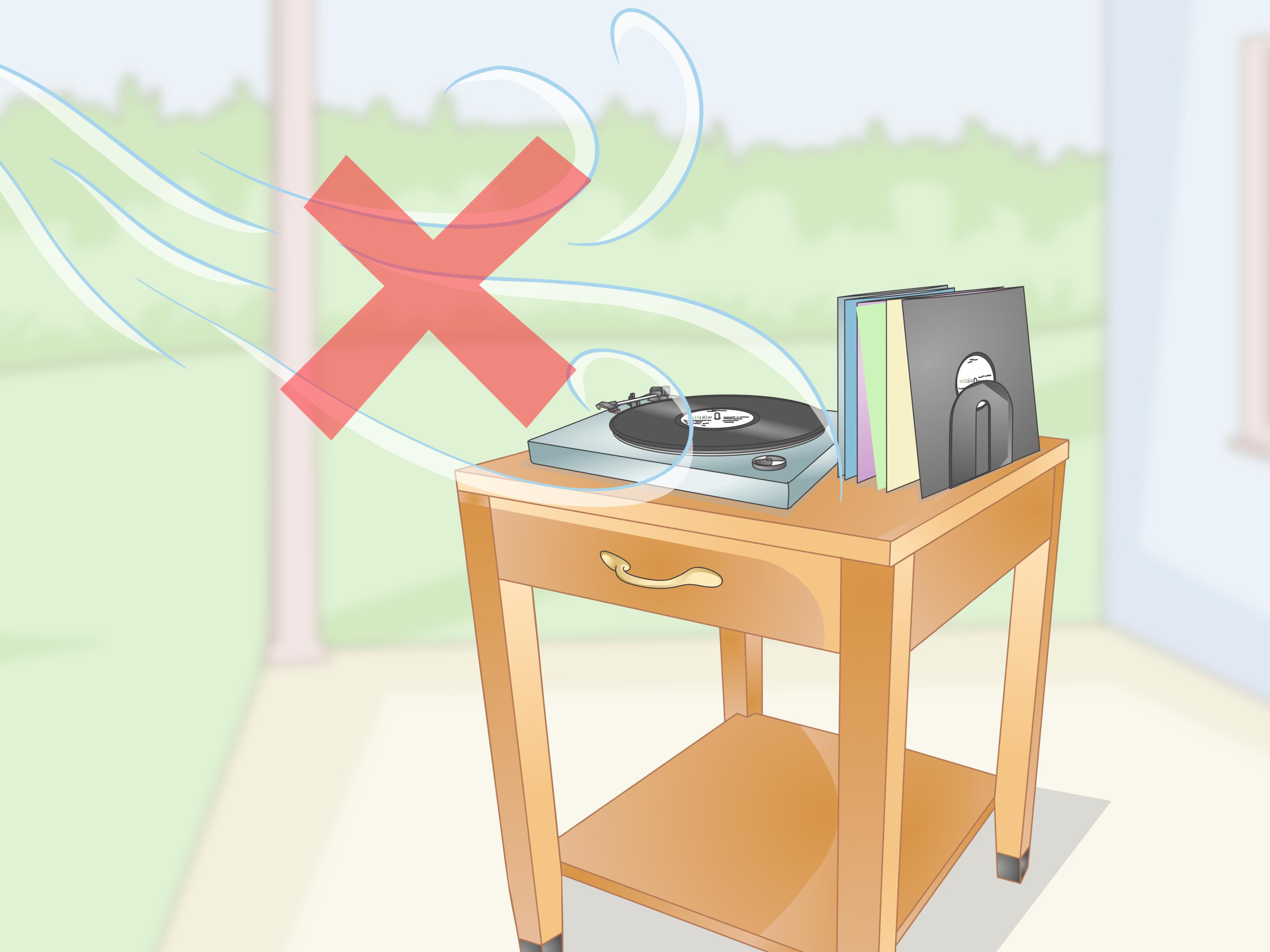
Vinyl records are wonderfully dramatic little objects. They look cool, sound warm, smell faintly like nostalgia, and react to bad storage conditions like a diva in a sauna. One sunny window, one wobbly shelf, or one “I’ll just stack these here for a week” moment can turn your prized pressing into a warped dinner plate with a beat.
The good news? Learning how to store vinyl records is not complicated. You do not need a museum vault, a secret jazz bunker, or a white-glove butler named Miles. You need stable temperature, low moisture, clean sleeves, strong shelving, and a habit of treating records like musical documents instead of oversized coasters.
This guide walks through 12 practical steps for storing vinyl records safely, whether you own five albums, fifty, or a collection that is slowly taking over your living room like a very stylish fungus.
Why Proper Vinyl Record Storage Matters
Vinyl records are made to be played, but they are not indestructible. Heat can warp them. Pressure can bend them. Dust can work its way into the grooves. Moisture can encourage mold on jackets and sleeves. Sunlight can fade album art and slowly damage materials. Even poor handling can leave fingerprints, oils, and grit where your stylus is supposed to glide smoothly.
Proper vinyl record storage protects three things at once: the disc, the jacket, and the listening experience. A clean, flat record stored upright in a cool, dry room has a far better chance of sounding clear decades from now. A record left in a hot attic under a pile of other records may become a tragic object lesson with liner notes.
Think of storage as quiet maintenance. It is not as exciting as dropping the needle on a favorite album, but it is what lets you keep doing that year after year.
How to Store Vinyl Records: 12 Steps
1. Store Records Vertically, Not Flat
The golden rule of vinyl storage is simple: keep records upright like books. Storing records flat may seem harmless at first, especially if the stack is small, but pressure builds quickly. Over time, the weight can contribute to warping, ring wear on jackets, and unnecessary stress on the records at the bottom.
Vertical storage keeps pressure distributed more safely and makes albums easier to browse. However, “vertical” does not mean “leaning like a tired tourist.” Records should stand straight, with enough support to prevent slanting.
Example: A cube shelf with dividers works better than a wide, open shelf where records can tilt sideways. If your records are leaning sharply, use a bookend or add more dividers.
2. Keep the Room Cool and Stable
Heat is one of vinyl’s biggest enemies. Records can warp when exposed to high temperatures, especially if they are under pressure or placed near direct sunlight. The best storage area is a cool, stable living space where the temperature does not swing wildly throughout the day.
A normal climate-controlled room is usually fine. Avoid attics, garages, sheds, and cars. Yes, cars deserve special mention because a record left in a hot vehicle can become modern art faster than you can say “limited edition pressing.”
For home storage, aim for a comfortable room-temperature environment. If you are comfortable sitting there for hours, your records probably are too. If the room feels like a toaster with carpeting, choose another spot.
3. Control Humidity Before It Controls Your Collection
Humidity is sneaky. Too much moisture can encourage mold, mildew, musty jackets, and paper damage. Too little humidity may make paper sleeves and jackets more brittle over time. A moderate, stable indoor humidity level is best for long-term vinyl record storage.
If you live in a humid region, use a hygrometer to check the room. These small devices are inexpensive and can save you from discovering mold after it has already started practicing its villain speech. A dehumidifier may be useful in damp rooms, but avoid blowing air directly onto records.
Finished, climate-controlled rooms are generally better than basements unless the basement is dry and stable. If a room smells musty, your records should not live there.
4. Keep Records Away from Direct Sunlight
Sunlight may look beautiful on a shelf of records, but it is not doing your collection any favors. UV exposure can fade album covers, heat can warp discs, and repeated sunlight can age materials faster than you expect.
Place record shelves away from windows, glass doors, and sunbeams that move across the room during the day. If your only storage area is near a window, use curtains, blinds, or UV-filtering film. Displaying a few album covers is fine, but rotate them and keep valuable records out of harsh light.
A good rule: if a cat would nap there because it is warm and sunny, your records should not be stored there.
5. Use Quality Inner Sleeves
The inner sleeve is the record’s first line of defense. Many records come with paper sleeves, which are common but not always ideal for long-term care. Plain paper can create dust and may scuff the surface when the record slides in and out.
Anti-static, polyethylene-lined, or rice-paper-style inner sleeves are popular choices because they reduce static and protect the grooves more gently. You do not have to replace every sleeve in one dramatic weekend. Start with your most valuable, most-played, or most sentimental albums.
When inserting a record into an inner sleeve, avoid forcing it. Slide it in carefully while holding the disc by the edges and label area. The goal is protection, not a wrestling match.
6. Protect Album Jackets with Outer Sleeves
Outer sleeves protect album covers from dust, shelf wear, fingerprints, and rubbing. They are especially useful for records with glossy jackets, vintage covers, gatefold packaging, or collectible artwork.
Clear polyethylene or polypropylene outer sleeves are common choices. They let you see the cover while adding a protective layer. Avoid old, cloudy, sticky plastic sleeves that may contain unstable materials or cling too tightly to the jacket.
Outer sleeves also make browsing more pleasant. Instead of slowly sanding the corners every time you pull out a record, you slide a protected jacket from the shelf with fewer scuffs and less drama.
7. Choose Strong Shelving That Can Handle the Weight
Vinyl records are heavier than they look. A small collection may seem manageable, but once you gather enough LPs, the weight adds up quickly. Weak shelves can bow, wobble, or fail. That is bad for records, floors, and your dignity.
Use sturdy shelving designed for heavy books, media, or records. Cube-style storage is popular because each section supports a smaller group of records instead of one long, overloaded span. Make sure shelves are level and stable. If you have children, pets, or a collection tall enough to qualify as furniture, consider anchoring the unit safely.
Before buying storage, check dimensions. Standard 12-inch LPs need enough height and depth, especially when stored in outer sleeves. A shelf that almost fits is a shelf that will annoy you forever.
8. Avoid Overpacking the Shelf
Records should stand upright, but they should not be crammed together like commuters on a Monday morning train. Overpacking makes albums hard to remove, bends jackets, and increases pressure on discs.
Leave enough space to flip through records comfortably. You should be able to remove an album without yanking. At the same time, do not leave so much empty space that records lean heavily. The sweet spot is snug but relaxed.
Dividers can help organize genres, artists, or new arrivals while keeping rows upright. They also reduce the classic collector problem of buying a record, putting it “somewhere safe,” and finding it seven months later behind a soundtrack you forgot you owned.
9. Clean Records Before Long-Term Storage
Storing a dirty record is like putting muddy shoes in a silk bag. Dust, fingerprints, and residue can sit in the grooves and become harder to remove later. Before placing records into long-term storage, clean them properly.
For routine care, use an anti-static record brush before and after playing. For used records or visibly dirty discs, consider a record-cleaning solution and microfiber cloth, a manual record-cleaning system, or a vacuum record-cleaning machine if your collection justifies the investment.
Always let records dry completely before sleeving them. Moisture trapped inside a sleeve is exactly the kind of plot twist your collection does not need.
10. Handle Records by the Edges and Label
Good storage begins with good handling. Always hold records by the outer edge and the labeled center area. Avoid touching the grooves. Your fingers contain oils that attract dust and can affect playback.
When removing a record from its sleeve, tilt the sleeve gently and let the disc slide into your hand. Do not pinch the playing surface. Do not place bare records on tables, chairs, beds, or mysterious “temporary” surfaces. Temporary surfaces have a way of becoming permanent disasters.
Make handling part of your ritual. Clean hands, careful grip, clean platter, clean sleeve. Your stylus will thank you by not sounding like it is hiking through gravel.
11. Separate Records from Heat Sources and Appliances
Records should not be stored near radiators, heating vents, fireplaces, space heaters, sunny windows, or electronics that generate heat. Even if the room temperature is normal, a nearby heat source can create a local hot zone.
Also be cautious with kitchens and laundry rooms. Steam, grease, humidity, and temperature changes are bad storage companions. A record collection above a washing machine may look quirky, but vibration and moisture make it a poor long-term plan.
Choose a quiet, stable corner of the home. The best location is boring in the most beautiful way: dry, shaded, cool, clean, and boring.
12. Organize and Inspect Your Collection Regularly
Organization is not just about finding your favorite album quickly. It also helps you monitor condition. When you browse your shelves regularly, you are more likely to notice leaning rows, damp smells, sleeve damage, mold spots, pests, or warped jackets early.
Choose an organization system that fits how you listen. Alphabetical by artist is classic. Genre-based organization works well for mood-driven listeners. Some collectors separate new arrivals, rare records, cleaning projects, and “play next” albums.
Inspect your storage setup every few months. Are shelves still level? Are records too tight? Is sunlight hitting one section? Is humidity creeping up in summer? Small adjustments prevent big problems.
Best Places to Store Vinyl Records at Home
The best place to store vinyl records is usually a climate-controlled room inside the main living area. Bedrooms, offices, music rooms, and interior living-room walls often work well. These spaces typically have more stable temperature and humidity than garages, attics, and unfinished basements.
Avoid placing records directly on the floor, especially on concrete. Floor storage increases the risk of moisture exposure, pests, accidental kicks, and vacuum-cleaner collisions. If you must use boxes, choose sturdy archival-style boxes or record crates and keep them elevated.
For renters or small apartments, compact cube shelves, vertical crates, and record cabinets can work beautifully. Just remember that records need air, shade, and support. A stylish setup is great, but a safe stylish setup is even better.
Common Vinyl Storage Mistakes to Avoid
One common mistake is keeping records in shipping boxes for too long. Mailers are designed for transportation, not long-term storage. They may press against corners, trap moisture, or encourage records to sit at awkward angles.
Another mistake is using decorative crates that are not record-friendly. Some crates are too shallow, too narrow, rough inside, or unable to support the weight. Before trusting a crate with your collection, make sure records stand upright without bending and slide in without scraping.
Collectors also sometimes store records outside the jacket to prevent seam splits. This can be useful for shipping or for certain protective setups, but it should be done carefully with proper sleeves and outer protection. Do not leave bare records floating around behind jackets like confused vinyl ghosts.
Finally, do not ignore smell. A musty smell can signal moisture problems. If jackets smell damp, inspect the area, check humidity, and separate affected records before the issue spreads.
How to Store Valuable or Rare Vinyl Records
Rare records deserve extra care. Use high-quality inner sleeves and outer sleeves, store them in the most stable part of your home, and avoid frequent unnecessary handling. Keep them upright with gentle support, not pressed tightly between hundreds of other albums.
For valuable records, document condition with photos. Keep purchase receipts, grading notes, or catalog information in a digital file. If you own signed records, fragile vintage jackets, or expensive pressings, consider separating them from everyday play copies.
And yes, it is perfectly acceptable to own both a treasured copy and a “playing copy.” That is not excessive. That is called peace of mind with a backbeat.
Personal Experience: What Storing Vinyl Records Teaches You Over Time
After spending enough time around vinyl records, you learn that storage is less about perfection and more about consistency. Most collections do not get damaged because someone forgot one tiny archival rule. They get damaged because small bad habits repeat for months or years. A record left near a window once may survive. A whole shelf sitting in afternoon sun all summer is a different story. A slightly leaning row may look harmless today, but after a year, the jackets can begin to bow and the pressure becomes obvious.
One of the most useful habits is creating a “landing zone” near the turntable. This is a safe, clean spot where records go before and after playing. Without a landing zone, albums end up on couches, desks, speakers, or the floor. That is when accidents happen. A simple record stand or small table can prevent scratches, sleeve mix-ups, and the dreaded moment when someone sets a coffee mug beside an exposed LP.
Another lesson is that good sleeves are worth it. The first time you replace a scratchy old paper sleeve with a smooth anti-static sleeve, the whole experience feels better. The record slides out more easily, collects less dust, and feels protected. Outer sleeves make the collection look cleaner, too. They turn a shelf of aging jackets into something organized and cared for, like a tiny museum that occasionally plays funk.
Organization also changes the way you listen. When records are stored neatly, you browse more often. You rediscover albums you forgot. You stop buying duplicates by accident, unless you are the type of collector who calls duplicates “backup copies” with a very serious face. Dividers, labels, or a simple alphabetical system make the collection feel usable instead of overwhelming.
The biggest practical discovery is that location matters more than fancy furniture. A basic sturdy shelf in a cool, shaded room is better than an expensive cabinet sitting beside a heater. Records do not care how fashionable the storage looks. They care about temperature, humidity, light, pressure, and cleanliness. Once those basics are right, style becomes the fun part.
Storing vinyl records well also makes listening feel more intentional. You slow down. You pull an album carefully, brush it, place it on the platter, and enjoy the ritual. That ritual is part of the charm. Digital music is convenient, but vinyl asks you to participate. Proper storage protects that experience. It keeps the crackle charming instead of concerning, the jackets crisp instead of musty, and the records ready for the next late-night listening session.
In the end, vinyl care is a relationship with your future self. The version of you ten years from now will be delighted if today’s version stores records upright, keeps them cool, and stops stacking them under a plant. Your collection does not need royal treatment. It just needs steady, sensible care. Do that, and your records will keep spinning beautifully long after today’s playlists have been forgotten.
Conclusion
Knowing how to store vinyl records comes down to a few reliable habits: keep them vertical, cool, dry, clean, supported, and protected from sunlight. Use good inner and outer sleeves, avoid overpacked shelves, handle records by the edges, and check your storage area regularly. None of these steps are difficult, but together they make a major difference.
Vinyl records reward care. Store them properly and they will keep delivering warm sound, beautiful artwork, and that small ceremony of dropping the needle. Treat them casually and they may answer with warps, dust, and heartbreak in stereo. Choose the first option. Your ears, your shelves, and your future self will all approve.