Note: Clean HTML body only. Original article written in standard American English and prepared for web publishing.
Green bean casserole is one of those dishes that somehow survives every holiday argument. Somebody wants it because it is nostalgic. Somebody else rolls their eyes because it reminds them of a beige church potluck from 1997. And then there is always one person who says, “I only like the crispy onions,” which, to be fair, is a deeply relatable position.
So when I decided to make Ree Drummond’s green bean casserole recipe, I was not expecting a life-changing spiritual experience. I was expecting a solid Thanksgiving side dish with decent texture, a creamy mushroom situation, and enough crispy topping to keep the peace at the table. What I got was something better: a casserole that actually tastes like someone cared when they made it.
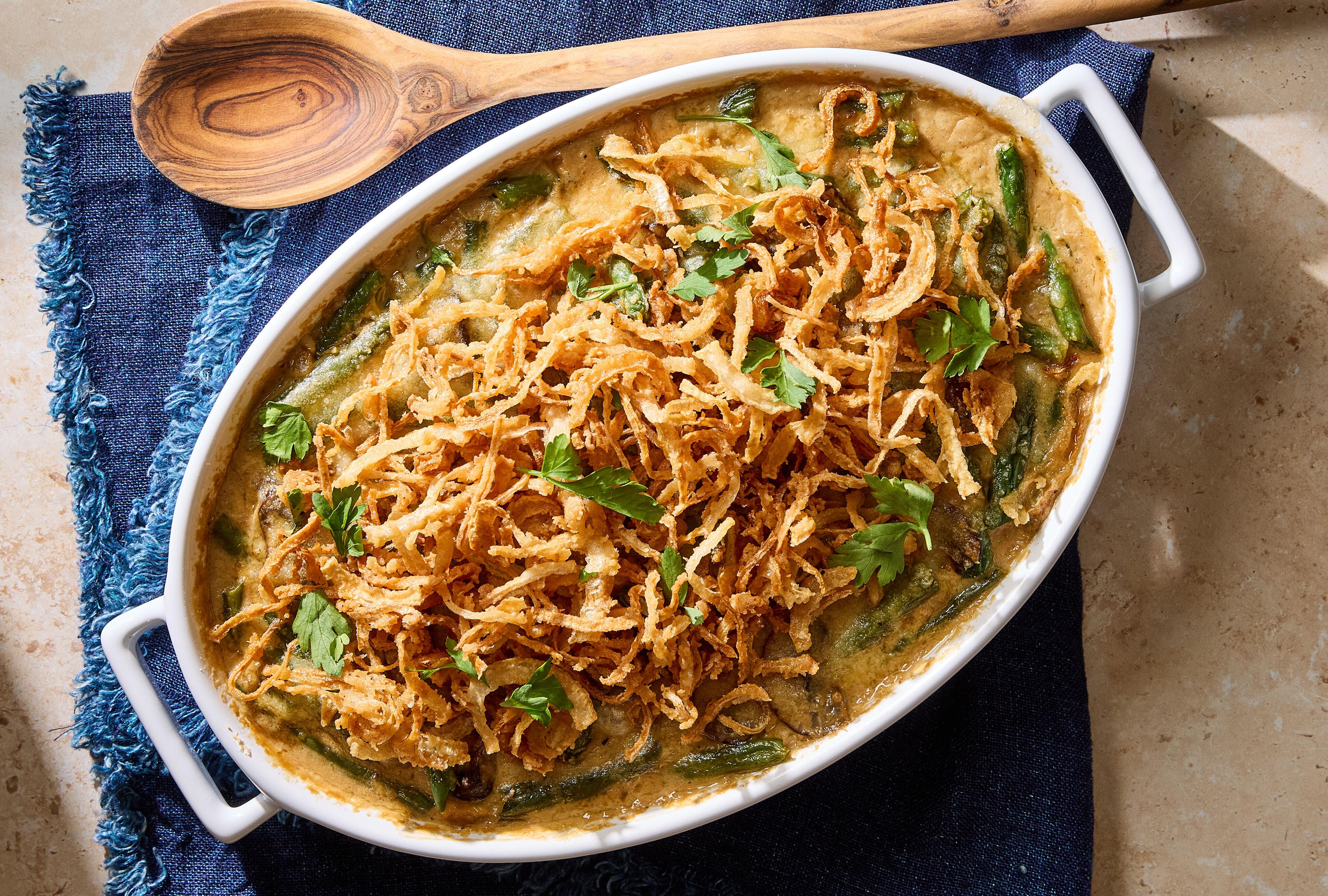
Ree Drummond’s version of green bean casserole takes the familiar comfort of the classic and gives it a homemade glow-up. It skips the sleepy canned-soup vibe, leans into fresh green beans, builds a rich mushroom sauce from scratch, and tops the whole thing with crispy onions that bring real crunch instead of soggy ceremony. It still tastes like green bean casserole, which is important. Nobody wants a holiday side dish that suddenly thinks it is too sophisticated for the family table. But it does taste fresher, deeper, and more balanced.
If you have been wondering whether The Pioneer Woman green bean casserole is worth the extra effort, here is my honest take after trying it: yes, but with a few caveats and one very important onion-related warning.
Why I Wanted to Try Ree Drummond’s Green Bean Casserole
Part of the appeal is simple: Ree Drummond knows how to make comfort food feel generous. Her recipes usually land in that sweet spot between practical and indulgent, which is exactly where a Thanksgiving side dish should live. You want something that feels special, but you do not want to need a culinary degree, a ring light, and a backup therapist to get through it.
What made this green bean casserole recipe stand out is that it promised all the things modern cooks say they want from a holiday casserole. Fresh green beans? Check. Homemade mushroom sauce? Check. Crispy onions? Absolutely. Enough richness to still feel like comfort food? Also yes. In other words, it sounded like the classic green bean casserole had gone to therapy, set boundaries, and started using real butter on purpose.
That combination made me curious. I love the idea of a from-scratch green bean casserole, but I do not always love the reality. Some scratch-made versions become projects instead of recipes. By the time you blanch, fry, whisk, simmer, and assemble, you are halfway to opening a boutique casserole consultancy. Ree’s version looked more grounded than that. It felt like a recipe built for actual home kitchens.
How Ree Drummond’s Recipe Differs From the Classic Green Bean Casserole
The original green bean casserole is famous for a reason. It is fast, familiar, and nearly impossible to mess up. But it is also built on convenience ingredients from another era, and that shows. Ree Drummond’s green bean casserole recipe keeps the soul of the original while changing the parts that most affect flavor and texture.
It uses fresh green beans instead of leaning on canned ones
This might be the biggest upgrade. Fresh green beans bring color, snap, and actual vegetable flavor. After blanching, they stay bright and tender without turning into soft little green commas. That alone changes the feel of the dish. Instead of tasting like a casserole where green beans happened to be invited, this tastes like a casserole built around green beans on purpose.
It swaps canned soup for homemade mushroom sauce
The sauce is where this recipe earns its keep. Instead of condensed cream of mushroom soup, you build a roux-based sauce with mushrooms, aromatics, dairy, and seasoning. The result is creamier but also more savory and layered. It tastes like mushrooms, not like the memory of mushrooms. That is an important distinction.
It treats the topping like a feature, not an afterthought
A good green bean casserole lives or dies by its topping. Crispy onions are not decoration. They are structural support. Ree’s recipe gives them the spotlight they deserve. When added at the right moment, they stay crunchy and turn every bite into the kind of forkful that makes people quietly take seconds before pretending they are “just trying a little more.”
How the Cooking Process Went in My Kitchen
Making this homemade green bean casserole was not difficult, but it did demand a little attention. This is not a dump-and-bake casserole. It is more like a sequence of sensible steps that each make the final dish better.
First came the green beans. I trimmed them, blanched them, and gave them an ice bath so they would keep their bright color and stop cooking. This step felt mildly annoying in the moment, as all ice baths do, but it paid off later. The beans stayed crisp-tender and did not collapse into mush in the oven.
Then came the mushroom sauce, which was the point where the whole recipe started smelling like a holiday side dish written by someone who actually likes flavor. Mushrooms, onion, garlic, and herbs cooked down into something rich and savory. Once the sauce thickened, it looked glossy and substantial without being gluey. That is the line every casserole sauce wants to walk and not all of them manage it.
The fried onion portion took the most time and the most patience. This is where I issue my friendly warning: if a recipe says onions will fry quickly, smile politely and give yourself extra time anyway. Mine took longer than expected, and I was grateful I was not trying to do this while also basting a turkey, answering the door, and pretending I enjoy group text chains.
Once assembled, the casserole looked promising before it even hit the oven. That is always a good sign. It had visible beans, a creamy but not soupy sauce, and enough structure that I did not fear a watery outcome. After baking, I added the crispy topping and let it rest briefly before serving.
The first scoop told me almost everything I needed to know.
What I Loved About Ree Drummond’s Green Bean Casserole Recipe
The flavor is richer without losing the classic feel
This is still recognizably green bean casserole. It does not become a mushroom gratin in disguise or a vegetable side dish trying too hard to be elegant. But the homemade mushroom sauce gives it real depth. It tastes buttery, savory, and gently earthy, with enough richness to feel holiday-worthy.
I especially liked that the flavor had layers. You could taste the mushrooms, the herbs, the dairy, and the green beans separately, but they still worked together as one dish. That sounds obvious, but casseroles often blur into one-note creaminess. This one had actual dimension.
The texture is where it really wins
The fresh green beans make a big difference. They stay pleasantly firm, which keeps the casserole from sliding into baby-food territory. The sauce coats them instead of drowning them. And the crispy onions bring the crunch that every good green bean casserole needs if it hopes to avoid becoming a spoonable regret.
That contrast between creamy sauce, tender beans, and crisp topping is what makes this recipe better than many classic versions. Every bite had movement. Nothing felt heavy or monotonous.
The fresh herbs and cheese make it taste more polished
This is where Ree’s version feels a little more special than a standard weeknight casserole. The herbs brighten the richness, and the Parmesan adds a salty, nutty finish that makes the dish feel more complete. It is not fancy in a fussy way. It is fancy in a “someone brought the good casserole dish” way.
What I Would Change Next Time
No recipe review is complete without a little honesty, so here it is: I would absolutely make this again, but I would adjust my game plan. First, I would fry the onions earlier in the day or even prep components ahead if I were making this for a holiday meal. That single move would make the entire process feel calmer.
Second, I would be careful not to over-reduce the sauce. A from-scratch mushroom gravy can go from silky to thick in a hurry, especially if the stove is running hot and your attention gets stolen by approximately anything else. You want it creamy and spoonable, not stiff enough to negotiate a mortgage.
Third, I would season with confidence. Green beans can handle it. Mushrooms can handle it. Creamy casseroles need enough salt and pepper to stay lively. Taste as you go and let the dish become itself.
If you are feeding a crowd that loves the old-school canned version, I would also not oversell this as a reinvention. That creates resistance. Just set it on the table and let the crispy onions do the talking.
Is Ree Drummond’s Green Bean Casserole Worth the Effort?
Yes, especially if you want a Thanksgiving side dish that feels homemade in the best possible sense. Ree Drummond’s green bean casserole recipe is more involved than the back-of-the-can classic, but it rewards the extra work with better texture, deeper flavor, and a fresher overall feel.
It is not the fastest green bean casserole recipe on earth, and it is not trying to be. What it offers instead is balance. It is elevated without being stuffy, nostalgic without being flat, and rich without becoming a cream swamp. That is a pretty impressive trick for a casserole that starts with green beans and ends with fried onions.
If your dream holiday side dish is something easy and dependable, the classic still has its place. But if you want a homemade green bean casserole that actually tastes like it was worth making from scratch, this one earns a spot on the menu.
My final verdict? Ree Drummond’s version does not replace the classic so much as explain why people keep trying to improve it. When it is made well, green bean casserole can be more than tradition. It can be genuinely delicious. Imagine that.
My Extended Experience Making Ree Drummond’s Green Bean Casserole Recipe
Because one casserole apparently was not enough for my curiosity, I kept thinking about this recipe after the first round. That is usually the sign of a good dish. A forgettable recipe gets eaten, cleared, and emotionally deleted. This one lingered. I kept replaying the texture of the beans, the savory mushroom sauce, and the way the topping stayed crisp enough to make each bite interesting. So I started paying attention to the little things that made the experience stand out beyond the first hot scoop.
For one thing, the leftovers were surprisingly strong. A lot of casseroles peak dramatically and then collapse into refrigerator sadness by the next day. Not this one. The sauce tightened up a bit, but it did not separate, and the green beans still had enough structure to avoid becoming limp. I reheated a portion in the oven instead of the microwave, and that was the right move. The top regained some crunch, the sauce loosened just enough, and the whole thing tasted like a respectable encore instead of a culinary afterthought.
I also noticed that this recipe feels more flexible than it first appears. Once I had made it, I could see how it might fit into real holiday cooking better than I expected. The beans can be trimmed in advance. The sauce can be made earlier. Even the onions, while not exactly a low-maintenance hobby, can be handled before the final rush. That matters, because the best Thanksgiving recipes are not just delicious. They are survivable.
Another thing I appreciated was how this casserole behaved on the table. It looked inviting without screaming for attention. Some holiday dishes are theatrical. They arrive with swirls, torches, or enough marshmallows to cause family debate. This one looked warm, golden, and deeply edible. People served themselves generously. Nobody asked whether it was “the healthy version,” which is usually code for “I fear this side dish and what it has chosen to become.”
The biggest compliment came from the people who are usually loyal to the old-school green bean casserole made with canned soup and fried onions. They did not reject this one as too fancy. They just described it as tasting fresher and more flavorful. That is exactly the lane this recipe should stay in. It should not alienate the nostalgia crowd. It should quietly win them over.
On a personal level, I liked that making it reminded me why recipe testing is fun. There is a particular satisfaction in taking a familiar dish and discovering that it can still surprise you. Green bean casserole has such a fixed reputation that it is easy to assume it has no new tricks left. Ree Drummond’s recipe does not reinvent the category, but it absolutely improves the eating experience. That makes it worth revisiting.
Would I make it for every weeknight dinner? No. I enjoy green beans, but not enough to deep-fry onions on a random Tuesday for sport. Would I make it again for Thanksgiving, Friendsgiving, or any meal where people expect comfort food with a little extra charm? Absolutely. It feels celebratory without being stressful, and that is rare. In a season full of dishes competing for oven space and emotional bandwidth, this casserole holds its own.
So the longer version of my opinion is this: Ree Drummond’s green bean casserole recipe succeeded not just because it tasted good fresh from the oven, but because it kept proving itself useful, craveable, and crowd-friendly after the first serving. That is the kind of recipe you keep.
Conclusion
I tried Ree Drummond’s green bean casserole recipe expecting a polished version of a familiar holiday side. What I found was a casserole with real texture, real flavor, and just enough homemade charm to justify the extra effort. The fresh green beans stay lively, the mushroom sauce tastes rich without becoming heavy, and the crispy onion topping gives the whole dish the contrast it needs.
More importantly, it still feels like green bean casserole. It does not abandon the comfort that made the dish famous in the first place. It just sharpens it, brightens it, and reminds you that classic recipes can still surprise you when they are made with care. If you want a Thanksgiving side dish that lands somewhere between nostalgic and impressive, this one is worth putting on the table.