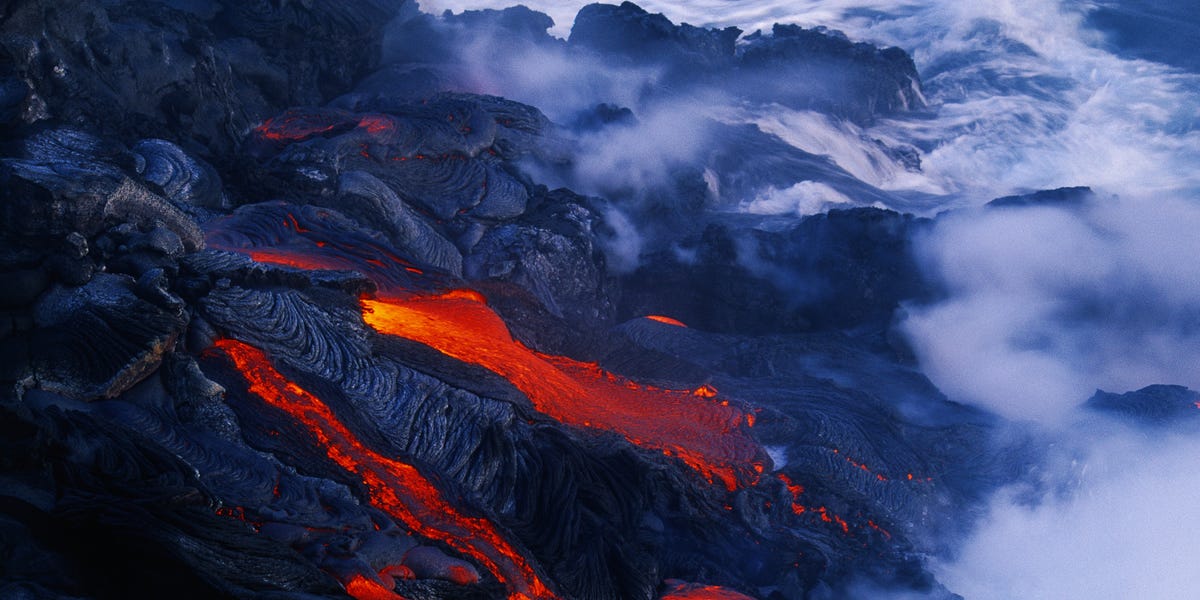
Editorial note: This article uses the phrase “about to blow” in the popular headline sense. Scientifically, Kīlauea is not expected to explode like a Hollywood mountain with a bad temper. Current monitoring points to another likely episode of lava fountaining at the summit, not a guaranteed island-wide disaster.
Kīlauea Is Resting, But Not Exactly Relaxing
Kīlauea, one of the most active volcanoes on Earth, has a familiar habit: it pauses just long enough for everyone to take a breath, then reminds Hawaiʻi that molten rock is still very much on the schedule. The volcano’s current activity is centered at Halemaʻumaʻu crater, inside Kaluapele, the summit caldera in Hawaiʻi Volcanoes National Park. Since December 23, 2024, Kīlauea has been erupting in episodes, with bursts of lava fountains separated by quieter pauses.
The latest concern is not that Kīlauea has suddenly become unpredictable. In fact, the opposite is true. Scientists are watching familiar warning signs: summit inflation, low-level tremor, visible glow from eruptive vents, and changes in ground tilt. These clues suggest that magma is refilling shallow storage areas beneath the summit. In plain English, the volcano is pumping itself back up like a fiery basketball.
USGS Hawaiian Volcano Observatory forecast models recently suggested that another lava-fountaining episode could occur around May 25–26, 2026. That does not mean anyone can set a kitchen timer and wait for lava at 3:15 p.m. Volcanoes are not polite appointment keepers. But the pattern is strong enough that scientists are warning the public to stay alert, especially in and around the national park.
Why Kīlauea Is Called One of the World’s Most Active Volcanoes
Kīlauea sits on the southeastern side of Hawaiʻi Island and is part of the Hawaiian hot spot system, where magma rises through the Pacific Plate and builds shield volcanoes. Unlike steep, cone-shaped volcanoes that often produce violent explosive eruptions, Kīlauea is a shield volcano. Its lava is usually fluid basalt, which can flow, fountain, spill, crust over, and reshape the landscape with a confidence that says, “I have been doing this for hundreds of thousands of years.”
Since 1952, Kīlauea has erupted dozens of times. From 1983 to 2018, it produced nearly continuous activity along the East Rift Zone, centered around Puʻuʻōʻō and nearby vents. That long eruption changed neighborhoods, roads, coastlines, and scientific understanding of how Hawaiian volcanoes behave. The dramatic 2018 lower East Rift Zone eruption destroyed hundreds of structures and caused major summit collapse, proving that even “fluid” lava eruptions can be life-altering.
Today’s activity is different from the 2018 crisis. Lava is currently contained within the summit caldera, and no significant activity has been reported along the East Rift Zone or Southwest Rift Zone. That is reassuring, but not a permission slip to ignore hazards. Kīlauea can be visually stunning and physically dangerous at the same time, like a campfire designed by a dragon with a geology degree.
What “About to Blow” Actually Means Here
When people hear that a volcano is “about to blow,” they often imagine ash darkening the sky, lava chasing cars, and someone yelling “Go, go, go!” in a movie trailer voice. Kīlauea’s current situation is more specific. The expected activity is another summit lava-fountaining episode, likely from one or both vents in Halemaʻumaʻu.
Lava fountaining happens when gas-rich magma rises quickly and erupts from a vent, throwing molten rock into the air. Some recent episodes have produced fountains hundreds of feet high. In March 2026, one episode produced exceptionally high fountains and widespread ash and tephra dispersal. In May 2026, another episode sent lava fountains hundreds of feet above the vent and produced plumes that aviation and weather officials monitored closely.
These episodes can be brief, sometimes lasting hours rather than days. But brief does not mean harmless. A short eruption can still produce volcanic gas, ash, pumice, Pele’s hair, and dangerous conditions in closed areas. It can also attract crowds, and crowds plus volcanic hazards are not exactly a recipe for peaceful sightseeing.
The Warning Signs Scientists Are Watching
1. Summit Inflation
One of the biggest signs is inflation at the summit. When magma accumulates underground, it can push the surface upward or outward. Sensitive instruments called tiltmeters detect these changes. After a lava-fountaining episode ends, the summit often deflates. Then, as magma refills the system, inflation begins again. That refill pattern has helped scientists forecast the next episode window.
2. Glow From the Vents
Glow visible from eruptive vents suggests heat remains close to the surface. It does not automatically mean a major eruption is already underway, but when combined with inflation and seismic signals, it becomes part of the volcano’s “I am not finished” message.
3. Tremor and Small Earthquakes
Volcanic tremor is continuous ground vibration often associated with moving fluids, including magma and gas. Earthquake activity beneath the summit has recently been described as low, but low activity does not mean no activity. Scientists read the full pattern, not one isolated signal.
4. Gas Emissions
Sulfur dioxide is a major clue and a major hazard. When SO₂ reacts in the atmosphere, it can create vog, or volcanic smog. Vog can travel downwind and affect air quality far from the vent. It is especially concerning for people with asthma, heart or lung conditions, older adults, children, infants, and pregnant women.
The Main Hazards: Lava Is Only the Celebrity
Lava gets the headlines because it glows, moves, and looks like the planet forgot to put its lid on. But at Kīlauea, several less glamorous hazards deserve equal attention.
Volcanic Gas and Vog
Vog can irritate the eyes, nose, throat, and lungs. For sensitive groups, it can worsen breathing problems and trigger asthma symptoms. Conditions can change quickly depending on gas output, wind direction, and weather. A clear morning can become a hazy afternoon, especially downwind of the summit.
Pele’s Hair
Pele’s hair is made of thin strands of volcanic glass created during lava fountaining. It sounds poetic, and it is culturally meaningful, but it is not something you want in your eyes, skin, car vents, or picnic sandwich. These glass fibers can be carried by wind and may fall miles from the vent.
Tephra, Ash, and Pumice
Tephra includes volcanic fragments such as ash, scoria, pumice, reticulite, and Pele’s hair. Larger particles fall closer to the vent, while lighter fragments can travel farther. Even after an eruption pauses, wind can remobilize fresh deposits and create new air-quality problems.
Closed Areas and Unstable Ground
Closed areas inside Hawaiʻi Volcanoes National Park are closed for a reason. The ground can crack, collapse, or hide dangerously hot surfaces. Steam vents, unstable crater rims, and poor visibility can turn a “quick look” into a very bad decision. The best volcano view is the one you survive with your shoes intact.
Could This Become Another 2018-Style Disaster?
That is the question many people naturally ask. The honest answer is: current activity does not indicate a repeat of the 2018 lower East Rift Zone eruption. The ongoing eruption is focused at the summit, and recent updates have not reported significant activity along Kīlauea’s East Rift Zone or Southwest Rift Zone.
However, Kīlauea is a complex volcanic system. Its magma plumbing extends deep underground, and activity can change. Scientists monitor deformation, seismicity, gas, satellite thermal signals, webcams, and field observations because volcanoes are dynamic. The responsible message is neither panic nor shrugging. It is preparation.
For residents, that means following official updates, watching air quality, and respecting emergency guidance. For visitors, it means checking park alerts, staying out of closed areas, and understanding that the best viewing spot may change by the hour. Kīlauea is not a theme park ride. It is Earth doing construction work without filing permits.
Why This Eruption Cycle Is Scientifically Fascinating
The current Kīlauea eruption cycle is a gold mine for volcano science. Episodic lava fountaining gives researchers repeated opportunities to compare forecast models with actual behavior. Each pause and restart reveals more about how magma rises, stores, degasses, and erupts.
NASA satellite imagery has shown heat signatures from fresh lava inside the summit crater. Ground crews and remote instruments have measured changes in lava volume, fountain height, ash dispersal, and crater filling. Together, these observations help scientists understand how Kīlauea’s summit is rebuilding after the massive 2018 collapse.
This matters beyond Hawaiʻi. Kīlauea is one of the best-monitored volcanoes in the world. Lessons learned there improve eruption forecasting, hazard communication, and public safety planning for volcanic regions worldwide. In other words, when Kīlauea rumbles, scientists everywhere take notes.
What Residents and Visitors Should Do Now
Anyone on Hawaiʻi Island should treat the situation with calm seriousness. Check official updates from the Hawaiian Volcano Observatory and Hawaiʻi Volcanoes National Park. Monitor local air quality if you are downwind. People with respiratory conditions should be especially careful during voggy periods.
Visitors should plan ahead before heading to the park. Eruption viewing can be spectacular, but crowds, darkness, changing winds, and falling volcanic material can create real hazards. Bring water, protective clothing, sturdy shoes, and patience. Do not cross barriers. Do not collect fresh volcanic material. Do not try to outsmart a volcano; it has been training longer than you have.
Photographers should remember that zoom lenses exist for a reason. A safe distant view is better than a dangerous close one. Families should also prepare children for strong smells, long walks, changing weather, and the possibility that the volcano may pause just when everyone arrives. Kīlauea has excellent dramatic timing, but terrible customer service.
The Bigger Story: Living With a Volcano That Builds Land
Kīlauea is not only a hazard. It is also a creator. Hawaiian volcanoes have built islands, shaped ecosystems, and inspired cultural traditions for generations. Halemaʻumaʻu is deeply significant in Native Hawaiian culture, associated with Pelehonuamea, the elemental force of volcanic creation. Any discussion of Kīlauea should respect both the science and the cultural landscape.
That balance matters. The lava that threatens roads and homes also creates new ground. The crater that draws tourists is also a sacred and living place. The same eruption that disrupts air quality can teach scientists how the planet works from the inside out. Kīlauea is not simply “angry” or “beautiful.” It is powerful, complex, and alive in the geological sense.
Experience Section: What It Feels Like to Follow a Volcano on the Edge
There is a strange emotional rhythm to following Kīlauea during an active period. First comes the quiet update: the eruption is paused. Then comes the line that makes everyone sit up a little straighter: summit inflation continues. Glow is visible. Models suggest the next episode may happen soon. Suddenly, the volcano feels less like a distant landmark and more like a giant breathing under the floorboards.
For residents, this is not just science news. It is part of daily life. A person in Kaʻū may check the wind direction before deciding whether to open windows. A parent may wonder if vog will affect a child with asthma. A park worker may prepare for crowds, questions, and someone inevitably asking whether flip-flops are acceptable volcano footwear. They are not. Flip-flops are barely acceptable for taking out the trash.
For visitors, the experience can be unforgettable. Imagine standing at a legal overlook after sunset, the air cool, the crowd unusually quiet. Far across the caldera, a red glow pulses against the dark. It does not look like a disaster movie. It looks older than language. Then the wind shifts, and someone smells sulfur. A ranger reminds everyone to stay behind barriers. The magic remains, but so does the message: admire from a safe distance.
The most powerful part of watching Kīlauea is realizing how quickly wonder and caution can occupy the same space. Lava fountains are beautiful in the way lightning is beautiful. You can appreciate the spectacle without pretending it is harmless. A plume rising over Halemaʻumaʻu is not just a photo opportunity; it is chemistry, heat, rock, gas, and pressure escaping from Earth’s interior.
There is also a humbling lesson in patience. Modern life trains people to expect instant answers. Refresh the page. Track the alert. Watch the livestream. But Kīlauea does not perform on demand. It may pause when everyone expects action, then erupt while half the audience is asleep. It reminds us that nature is not content. It is not optimized for engagement. It does not care about our push notifications.
Still, the technology surrounding the volcano is remarkable. Webcams, satellite imagery, gas sensors, seismic stations, tiltmeters, and daily updates turn an ancient natural process into something people can follow in near real time. That does not make Kīlauea tame, but it does make society better prepared. The more we understand the signs, the better we can reduce risk.
For writers, photographers, scientists, and curious readers, Kīlauea offers a rare window into the planet’s engine room. For local communities, it is a neighbor that must be respected. For travelers, it is a reminder that the most memorable destinations are not always comfortable, predictable, or convenient. Sometimes the Earth opens a glowing red notebook and starts writing its own story.
Conclusion: Kīlauea Is Not SleepingIt Is Reloading
Kīlauea’s latest pause should not be mistaken for the end of the story. Current signs point to another likely lava-fountaining episode at Halemaʻumaʻu, continuing a remarkable eruption cycle that began in December 2024. While the present activity remains focused within the summit caldera, hazards such as vog, ash, Pele’s hair, tephra, unstable ground, and changing park conditions remain important.
The smartest response is not panic. It is attention. Kīlauea is one of the most closely watched volcanoes on Earth, and that monitoring gives residents, visitors, and scientists a valuable advantage. Respect official guidance, stay out of closed areas, monitor air quality, and remember that a beautiful eruption can still be dangerous.
One of the most active volcanoes in the world may indeed be about to “blow” againbut in Kīlauea’s language, that likely means another dramatic summit lava fountain, another chapter of fresh basalt, and another reminder that our planet is very much alive beneath our feet.