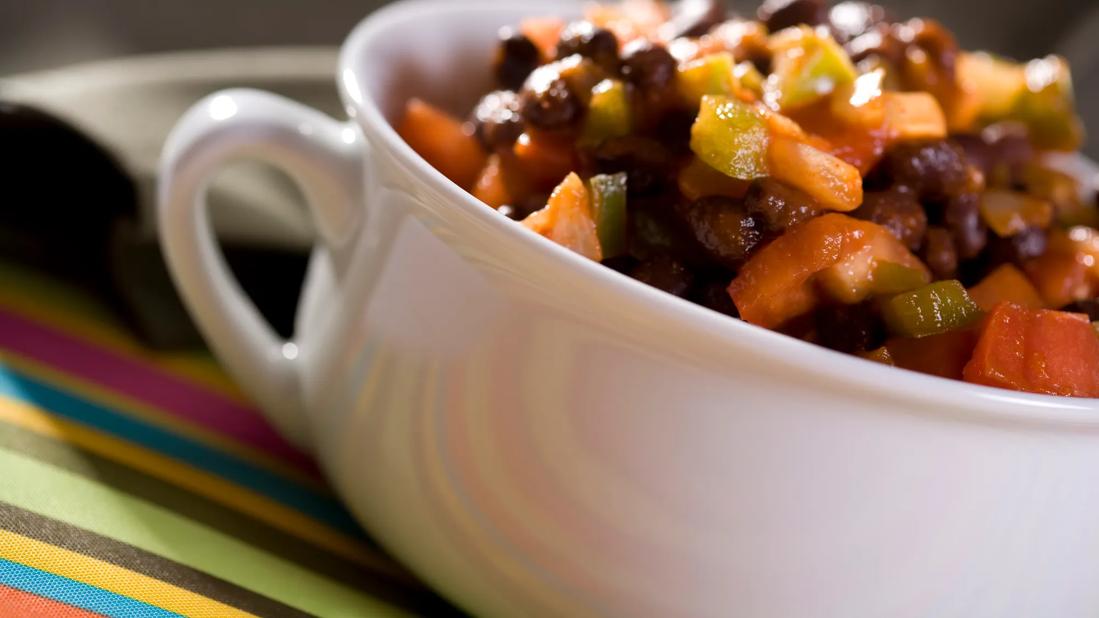
Some recipes enter the kitchen wearing a tuxedo. Others show up in comfortable shoes, smell amazing, feed everybody, and somehow make the house feel warmer. This Creole Black Beans With Tomatoes Recipe is proudly in the second group. It is bold, hearty, budget-friendly, and built on the classic Louisiana flavor foundation of onion, celery, and bell pepperalso known as the “holy trinity,” because apparently even vegetables can have excellent branding.
This dish brings together tender black beans, juicy tomatoes, garlic, herbs, Creole seasoning, and a gentle kick of heat. It works as a vegetarian main dish, a rice bowl topper, a meal-prep hero, or a side dish that politely steals attention from whatever else is on the table. The tomatoes give the beans brightness and body, while the spices add warmth without turning dinner into a dare.
If you love New Orleans-style comfort food but want something simple enough for a weeknight, this recipe belongs in your regular rotation. It is flexible, forgiving, and deeply flavorfulthe kind of meal that tastes like you worked harder than you did. And honestly, that is one of the great achievements of home cooking.
What Makes These Black Beans “Creole”?
Creole cooking is often associated with New Orleans and its blend of French, Spanish, African, Caribbean, and Southern influences. While Cajun and Creole cooking overlap in many delicious ways, Creole dishes are especially known for their use of tomatoes and tomato-based sauces. That makes black beans with tomatoes a natural fit for a Creole-inspired recipe.
The base of the dish begins with the famous Louisiana “holy trinity”: chopped onion, celery, and bell pepper. In many soups, stews, gumbos, jambalayas, and bean dishes, this trio acts like the opening band that deserves its own fan club. Once softened in a little oil, these vegetables create a savory foundation that helps the beans taste layered rather than flat.
Garlic, thyme, oregano, paprika, cayenne, bay leaf, and Creole seasoning add warmth and depth. The tomatoes bring acidity, which balances the earthy richness of black beans. The result is a dish that feels rustic, lively, and satisfying without needing meat, cream, or complicated techniques.
Why You’ll Love This Creole Black Beans With Tomatoes Recipe
First, it is practical. You can make it with canned black beans when time is short or with dried beans when you want deeper flavor and a more traditional simmer. Second, it is affordable. Beans are one of the most dependable pantry ingredients around, offering protein, fiber, and comfort without requiring a dramatic conversation with your grocery budget.
Third, it is versatile. Serve these Creole black beans over rice, spoon them into tortillas, pile them beside cornbread, or use them as a base for eggs, shrimp, roasted vegetables, or grilled chicken. The recipe is naturally vegetarian if you use vegetable broth, but it can also handle smoky sausage or shrimp if you want to take it in a different direction.
Most importantly, it tastes like real food. The beans are creamy, the tomatoes are bright, the aromatics are savory, and the spices linger just enough to remind you that dinner has a personality.
Ingredients for Creole Black Beans With Tomatoes
Main Ingredients
- 2 tablespoons olive oil or avocado oil
- 1 medium yellow onion, finely chopped
- 1 green bell pepper, chopped
- 2 celery stalks, chopped
- 4 garlic cloves, minced
- 2 cans black beans, drained and rinsed, or 3 cups cooked black beans
- 1 can diced tomatoes, preferably no-salt-added if desired
- 1 tablespoon tomato paste
- 1 cup vegetable broth or low-sodium chicken broth
- 1 teaspoon Creole seasoning
- 1 teaspoon smoked paprika
- 1/2 teaspoon dried thyme
- 1/2 teaspoon dried oregano
- 1 bay leaf
- 1/4 teaspoon cayenne pepper, optional
- Salt and black pepper to taste
- 1 tablespoon lemon juice or apple cider vinegar
- 2 tablespoons chopped parsley or green onions for garnish
Optional Add-Ins
- Cooked andouille sausage for smoky richness
- Shrimp added near the end of cooking
- Chopped jalapeño or hot sauce for extra heat
- Corn for sweetness and color
- Cooked rice, quinoa, or cauliflower rice for serving
How to Make Creole Black Beans With Tomatoes
Step 1: Build the Flavor Base
Heat the oil in a large skillet, Dutch oven, or heavy saucepan over medium heat. Add the onion, bell pepper, and celery. Cook for 6 to 8 minutes, stirring often, until the vegetables soften and the onion turns translucent. Do not rush this step. The vegetables need time to relax, mingle, and become the flavor base your beans deserve.
Step 2: Add Garlic and Spices
Stir in the minced garlic, Creole seasoning, smoked paprika, thyme, oregano, cayenne, and tomato paste. Cook for about 1 minute. The tomato paste should darken slightly, and the spices should become fragrant. If your kitchen suddenly smells like someone knows what they are doing, congratulationsyou are that person.
Step 3: Add Beans, Tomatoes, and Broth
Add the black beans, diced tomatoes, broth, and bay leaf. Stir everything together, scraping up any flavorful bits from the bottom of the pan. Bring the mixture to a gentle boil, then reduce the heat to low.
Step 4: Simmer Until Thick and Cozy
Let the beans simmer uncovered for 20 to 30 minutes, stirring occasionally. The sauce should thicken, the beans should absorb the spices, and the tomatoes should soften into the mixture. If the beans become too thick, add a splash of broth or water. If they are too loose, simmer a few minutes longer.
Step 5: Mash a Few Beans
For a creamier texture, mash about 1/2 cup of the beans against the side of the pot with a spoon, then stir them back in. This simple trick thickens the dish naturally without flour, cream, or culinary wizardry.
Step 6: Finish Bright
Remove the bay leaf. Stir in lemon juice or apple cider vinegar. Taste and adjust the salt, pepper, and heat. Finish with chopped parsley or green onions. Serve hot over rice or with cornbread, and prepare for the quiet satisfaction of a very good bowl.
Using Canned Beans vs. Dried Beans
Canned black beans make this recipe fast and convenient. Drain and rinse them before cooking to remove some of the excess sodium and improve the flavor of the finished dish. Canned beans are already cooked, so they only need enough simmering time to absorb the seasonings and thicken with the tomatoes.
Dried black beans take longer, but they give you more control over texture and seasoning. Soak them overnight, then simmer until tender before using them in this recipe. Black beans often take about 60 to 90 minutes to cook after soaking, though timing can vary based on age and storage conditions. Older beans can be stubborn. They are the tiny legumes that missed the meeting about cooperation.
If using dried beans, avoid adding acidic ingredients like tomatoes too early in the cooking process. Acid can slow softening, so cook the beans until tender first, then combine them with tomatoes, aromatics, and spices.
Flavor Tips for Better Creole Black Beans
Toast the Tomato Paste
Cooking tomato paste for a minute with the garlic and spices deepens its flavor. It moves from sharp and raw to rich and savory, giving the sauce a more developed taste.
Use Low-Sodium Ingredients
Creole seasoning blends can vary widely in saltiness. If your seasoning is salty, use low-sodium broth and no-salt-added tomatoes. You can always add salt at the end, but removing it is harder. There is no “undo” button in soup, unfortunately.
Balance Heat With Acid
Cayenne, hot sauce, and Creole seasoning provide heat, while lemon juice or vinegar adds brightness. That final splash of acidity wakes up the beans and keeps the dish from tasting heavy.
Let It Rest
Like many bean dishes, Creole black beans taste even better after resting. Give them 10 minutes off the heat before serving, or make them a day ahead. The flavors settle in, get comfortable, and become more harmonious.
Serving Ideas
The classic move is to serve Creole black beans with tomatoes over fluffy white rice or brown rice. The rice soaks up the tomato-spiced sauce and turns the dish into a complete, filling meal. For extra freshness, top each bowl with green onions, parsley, a squeeze of lemon, and a few dashes of hot sauce.
For a Southern-style plate, serve the beans with cornbread, sautéed greens, and a crisp cabbage slaw. For a lighter option, spoon them over roasted sweet potatoes or cauliflower rice. For brunch, reheat the beans and top them with a fried egg. That is not traditional in every kitchen, but it is deeply persuasive at 10:30 a.m.
You can also turn leftovers into burritos, tacos, nachos, stuffed peppers, or a quick bean soup by adding extra broth. This is the kind of recipe that keeps working after dinner, which makes it ideal for meal prep.
Nutrition Benefits of Black Beans and Tomatoes
Black beans are rich in plant-based protein, fiber, complex carbohydrates, and important minerals. Their fiber helps make meals more filling, while their mild flavor allows them to absorb spices beautifully. Tomatoes add vitamin C, potassium, acidity, and natural sweetness, giving the dish a fresher, brighter finish.
This recipe can fit into many eating styles, including vegetarian, vegan, dairy-free, and gluten-free diets when prepared with suitable broth and seasonings. It is also easy to adjust for sodium by choosing low-sodium canned beans, rinsing them well, and seasoning gradually.
Because beans are high in fiber, people who are not used to eating them regularly may want to start with smaller portions. Your digestive system may need a polite introduction before being invited to the full bean parade.
Storage, Freezing, and Reheating
Store leftover Creole black beans in an airtight container in the refrigerator for 3 to 4 days. For longer storage, freeze them in meal-sized portions for up to 3 months for best quality. Cool the beans in shallow containers so they chill quickly, then refrigerate within 2 hours of cooking.
To reheat, warm the beans on the stovetop over medium-low heat with a splash of water or broth. Stir occasionally until hot throughout. You can also microwave them in a covered microwave-safe container, stirring halfway through. Leftovers should be reheated to 165°F for food safety.
Common Mistakes to Avoid
Skipping the Aromatics
Do not toss beans, tomatoes, and spices into a pot and expect magic. The onion, celery, and bell pepper need time in the pan. That sauté step creates the flavor structure of the entire dish.
Over-Salting Too Early
Between canned beans, broth, tomatoes, and Creole seasoning, sodium can sneak up like a raccoon near a picnic basket. Taste near the end before adding more salt.
Cooking at a Hard Boil
A strong boil can break down beans too quickly and make the sauce uneven. A gentle simmer gives you creamy beans with better texture.
Forgetting the Final Acid
The last spoonful of lemon juice or vinegar may seem small, but it changes the whole dish. It brightens the tomatoes, sharpens the spices, and makes the beans taste finished.
Recipe Variations
Spicy Creole Black Beans
Add diced jalapeño with the holy trinity, increase the cayenne, and finish with Louisiana-style hot sauce. This version has more attitude, but it should still taste balanced rather than punishing.
Smoky Sausage Black Beans
Brown sliced andouille sausage before cooking the vegetables, then remove it from the pan. Add it back when the beans simmer. The sausage gives the dish smoky depth and makes it extra hearty.
Shrimp Creole Black Beans
Add peeled shrimp during the last 5 minutes of cooking and simmer just until the shrimp are pink and cooked through. Serve immediately over rice with parsley and lemon.
Vegan Creole Bean Bowl
Use vegetable broth, add roasted sweet potatoes, and serve with brown rice, avocado, and chopped green onions. It is colorful, filling, and good enough to make lunch leftovers feel like a plan instead of a compromise.
Experience Notes: Cooking Creole Black Beans With Tomatoes at Home
The first time you make Creole black beans with tomatoes, the biggest surprise is how quickly the kitchen starts smelling like dinner has been simmering all afternoon. That is the power of the holy trinity. Onion, celery, and bell pepper do not look dramatic on the cutting board, but once they hit warm oil, they begin building a savory aroma that makes everyone nearby ask the same question: “What are you making?” This is usually followed by hovering. Hovering is normal. Feed the hoverers eventually.
One of the best real-life lessons with this recipe is that patience matters, but perfection does not. The celery can be diced small or a little chunky. The bell pepper can be green, red, or a mix. The tomatoes can be fire-roasted, plain diced, crushed, or even fresh when they are in season. The dish still works because beans are generous ingredients. They absorb flavor, thicken the sauce, and forgive small kitchen crimes.
Another useful experience: Creole seasoning is not one-size-fits-all. Some blends are salty, some are smoky, and some arrive with enough cayenne to make your eyebrows file a complaint. Start with a modest amount, then build. If the beans taste flat, they may need salt, acid, or more time. If they taste heavy, add lemon juice or vinegar. If they taste sharp, simmer a little longer. Bean dishes are conversations, not commands.
The texture also improves when you mash a portion of the beans. This is the little restaurant-style trick that makes the sauce cling to rice instead of sliding away like it has somewhere better to be. You do not need a blender. Just press some beans against the pot with a spoon and stir them back in. Suddenly the whole dish becomes creamy while staying completely dairy-free.
For weeknight cooking, canned beans are the hero. Rinsed canned black beans can turn this into a 35-minute dinner, especially if you chop the vegetables ahead of time. For weekend cooking, dried beans bring deeper flavor and a more traditional feel. A pot of dried beans simmering slowly has a calm, old-school rhythm. It is not fast food; it is “your house smells incredible” food.
Leftovers may be the best part. The next day, the spices settle, the tomatoes mellow, and the beans become thicker and richer. Add a splash of broth when reheating, spoon them over rice, and lunch is ready before your motivation has a chance to escape. They also freeze well, which makes this recipe a practical choice for busy households, students, meal preppers, and anyone who likes future meals to feel like tiny gifts from past-you.
In short, Creole black beans with tomatoes are easy to love because they are flavorful, flexible, and humble in the best possible way. They do not need fancy equipment or expensive ingredients. They just need a good base, a gentle simmer, and enough seasoning to make the beans sing without turning the pot into a brass band falling down the stairs.
Conclusion
This Creole Black Beans With Tomatoes Recipe proves that pantry cooking can be bold, colorful, and deeply satisfying. With black beans, tomatoes, the Louisiana holy trinity, and a warm blend of herbs and spices, you get a dish that is simple enough for a weeknight but flavorful enough to serve proudly. It is healthy, affordable, adaptable, and ideal for leftovers. Serve it over rice, pair it with cornbread, or turn it into tomorrow’s best lunch. Either way, this recipe earns a permanent spot in the comfort-food rotation.