Note: This article is original, web-ready content synthesized from real dupatta styling practices, South Asian fashion guidance, bridal draping tips, and cultural attire etiquette. Source links are intentionally omitted for clean publishing.
A dupatta may look like “just a scarf” to the untrained eye, but anyone who has tried to keep one gracefully balanced on their head while walking, greeting relatives, posing for photos, and avoiding a surprise fabric landslide knows the truth: the dupatta is both an accessory and a tiny engineering project.
Traditionally worn with South Asian outfits such as salwar kameez, lehenga choli, anarkali suits, shararas, ghararas, and kurta sets, the dupatta adds elegance, modesty, movement, color, and personality. When worn on the head, it can feel respectful, ceremonial, romantic, or fashion-forward depending on the occasion. It may be used for weddings, religious services, family gatherings, cultural events, festive celebrations, or simply because the outfit looks incomplete without that final sweep of fabric.
The good news? You do not need a professional stylist, a bridal team, or a PhD in “Fabric That Refuses to Behave.” You only need the right draping method, a few practical pins, and a little confidence. Below are three beautiful ways to wear a dupatta on your head, from simple everyday elegance to full bridal drama.
Why Wearing a Dupatta on Your Head Still Matters
Before we jump into the styling steps, it helps to understand why the head dupatta has remained so beloved. In many South Asian traditions, covering the head can be a sign of respect, especially in places of worship, during ceremonies, or around elders. In Sikh gurdwaras, for example, visitors commonly cover their heads. At Muslim, Hindu, Sikh, and multicultural South Asian weddings, a dupatta over the head may also be part of the bridal look, guest etiquette, or family custom.
Beyond tradition, wearing a dupatta on your head has major style power. It frames the face, softens the outfit, highlights jewelry, and gives even a simple suit a polished finish. A cotton dupatta can feel relaxed and graceful for daytime wear. A chiffon or georgette dupatta creates airy movement. A silk, organza, net, or embroidered dupatta can turn a lehenga or salwar suit into a full celebration look.
The trick is matching the drape to the fabric, outfit, and event. A heavy bridal dupatta needs structure and support. A slippery silk dupatta needs smart pinning. A light chiffon dupatta needs careful placement so it looks intentional rather than wind-blown by drama. Let’s begin with the easiest and most timeless option.
1. The Classic Centered Head Drape
The classic centered head drape is the most traditional and beginner-friendly way to wear a dupatta on your head. It works beautifully with salwar kameez, anarkali suits, lehengas, churidar sets, and modest festive outfits. This style places the dupatta evenly over the crown of the head, allowing both sides to fall naturally over the shoulders or down the front.
Best For
This style is ideal for religious ceremonies, family gatherings, engagement events, Eid celebrations, Diwali functions, temple visits, gurdwara visits, nikah ceremonies, and simple bridal or bridesmaid looks. It is also the safest choice when you want a respectful and elegant appearance without looking over-styled.
Best Fabrics
Light to medium-weight fabrics work best. Chiffon, georgette, soft cotton, lightweight silk, net, and organza can all look beautiful. For beginners, avoid extremely slippery satin or very heavy embroidered borders unless you have pins, a secure hairstyle, and the patience of a saint.
How to Style It
Start by combing or setting your hair the way you plan to wear it. A low bun, braid, half-up style, or smooth center part works especially well because it gives the dupatta something to rest on. If your hair is very silky, a small hair bump, bun, or discreet clip can help keep the fabric from sliding backward.
Fold the front edge of the dupatta slightly inward if the border is too wide or stiff. This creates a softer frame around the face. Place the middle of the dupatta over the crown of your head, letting the fabric fall evenly on both sides. The front edge should sit just behind the hairline or slightly over it, depending on your comfort and the occasion.
Now adjust the sides. For a modest look, bring both ends forward over the shoulders. For a relaxed festive look, let one side fall forward and the other fall behind the shoulder. Use one or two small safety pins or bobby pins near the crown to secure the dupatta to your hair. If you are wearing it for a longer event, pin the fabric lightly at the shoulders as well.
Style Tip
Keep the fabric loose around the face. A dupatta pulled too tightly can flatten your hairstyle and make the look feel stiff. The goal is graceful, not “I have been gift-wrapped by my auntie in a hurry.” Let the fabric breathe.
2. The Side-Swept Dupatta Head Drape
The side-swept dupatta head drape is elegant, flattering, and slightly more modern than the classic centered style. It begins on the head but allows one side of the dupatta to sweep dramatically across the shoulder or chest. This gives the outfit movement while still keeping the respectful head-covering element.
Best For
This style is perfect for wedding guests, bridesmaids, mehndi nights, sangeet events, festive dinners, family photos, and dressier salwar suits. It is especially useful when your dupatta has a decorative border, embroidered edge, mirror work, sequins, gota patti, lace, or beadwork that deserves to be seen.
Best Fabrics
Georgette, chiffon, net, organza, and lightweight silk are excellent for this look because they fall softly and create movement. A heavily embroidered dupatta can work too, but you may need stronger pins and a more secure hairstyle. If the dupatta is very stiff, the sweep may look bulky instead of graceful.
How to Style It
Begin by placing the dupatta on your head, but do not center it perfectly. Instead, allow one side to be shorter and the other side longer. The shorter side can fall neatly near one shoulder, while the longer side becomes the main styling feature.
Pin the dupatta lightly at the crown or slightly to one side of the head. The pin should be hidden under the fabric or placed where embroidery can camouflage it. Next, take the longer end and sweep it across the front of your body, letting it rest on the opposite shoulder. You can pin it there for security or let it fall freely if the fabric has enough grip.
For a more modest version, spread the longer end across the chest before placing it over the shoulder. For a more fashion-forward version, narrow the fabric slightly into soft pleats and let it flow diagonally. This creates a clean line that photographs beautifully.
Style Tip
If you are wearing statement earrings, a tikka, or a necklace, avoid crowding the face with too much fabric. Keep the front edge of the dupatta soft and slightly back from the forehead so your jewelry can shine. Your accessories worked hard to get invited; let them attend the party.
3. The Bridal Veil Dupatta Drape
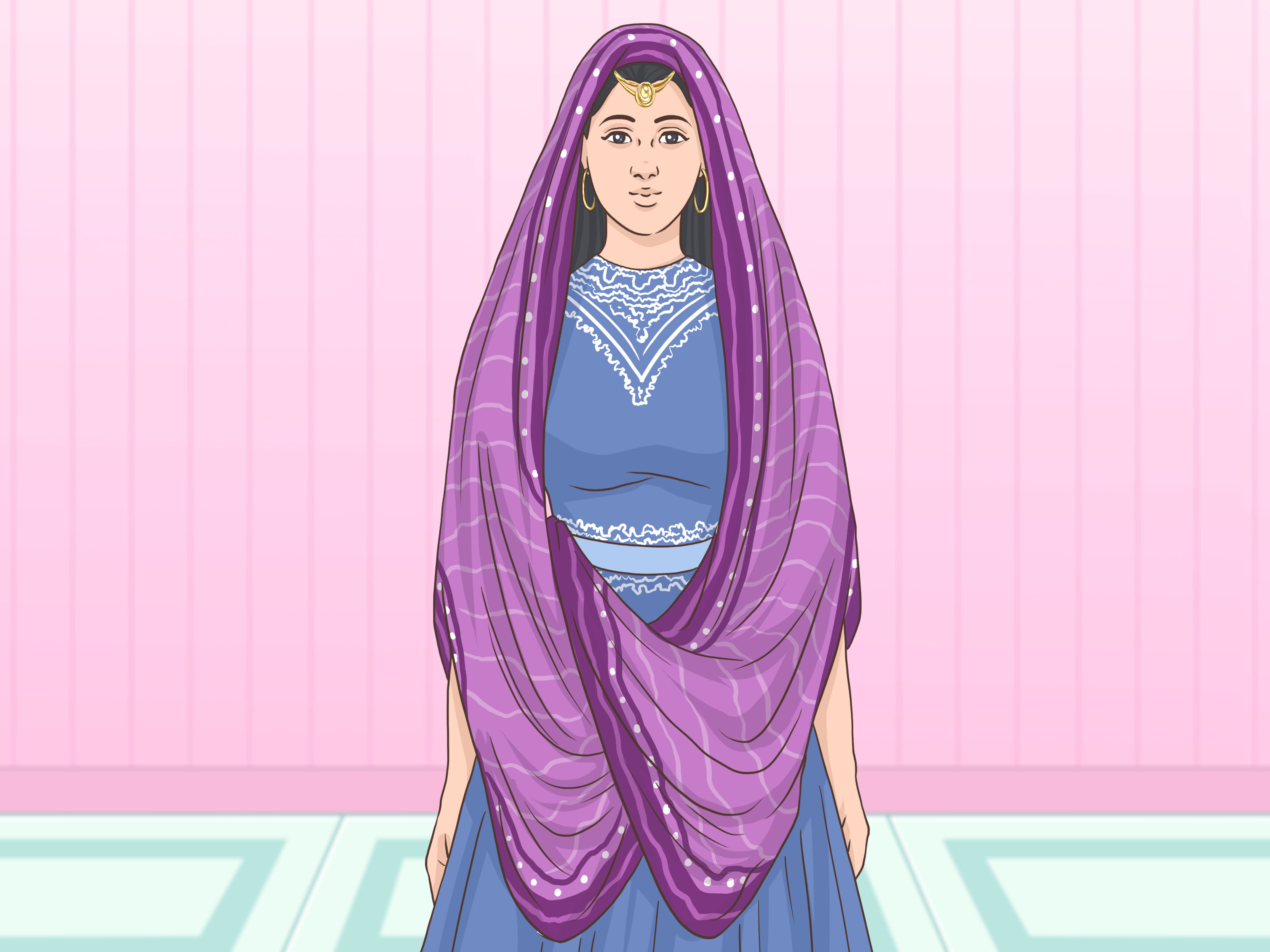
The bridal veil dupatta drape is the most dramatic and formal of the three styles. It is often seen at South Asian weddings, especially with lehengas, heavily embroidered suits, shararas, or ghararas. The dupatta is placed over the head like a veil, usually with the border framing the face or falling behind the shoulders.
This style can be done with one dupatta or two. Many brides use a lighter dupatta on the head and a heavier dupatta across the body. This double dupatta style gives structure, coverage, and visual richness without making the head feel overloaded. Because yes, beauty is wonderful, but nobody wants to spend a wedding ceremony silently negotiating with eight pounds of embroidery.
Best For
This style is best for brides, engagement looks, reception outfits, formal religious ceremonies, styled photoshoots, and occasions where the outfit is meant to feel grand. It is also a beautiful option for anyone who wants a regal, traditional, or heirloom-inspired look.
Best Fabrics
Net, organza, tissue, chiffon, georgette, and lightweight embroidered fabrics are popular for head dupattas because they create a veil effect without too much weight. Heavy velvet, brocade, or thick silk can look luxurious, but they may feel uncomfortable on the head unless styled carefully.
How to Style It
First, decide where the dupatta should sit. For a traditional bridal look, place it toward the front of the head so the border frames the forehead. For a softer modern look, place it slightly farther back, allowing the hairstyle and jewelry to show.
Secure your hairstyle before placing the dupatta. A low bun, braided bun, or structured updo gives pins a stable base. Place the dupatta over the head and adjust the border so it sits evenly. If the border is heavy, do not let all the weight pull forward. Shift some of the fabric backward so the weight is balanced across the crown and back of the head.
Pin the dupatta at the crown, sides, and possibly near the bun. Use U-pins, bobby pins, or small safety pins depending on the fabric. If the dupatta has delicate net or embroidery, pin through sturdier border areas rather than fragile open fabric. Let the remaining fabric fall behind the shoulders or bring one side forward for a softer frame.
For a double dupatta look, place the lighter dupatta on the head and use the second dupatta across the torso, over one shoulder, or around the arms. This separates the decorative drama from the practical structure. The head stays lighter, and the outfit still looks rich and complete.
Style Tip
Do a movement test before leaving the room. Walk, sit, turn your head, hug someone imaginary, and look down as if you dropped your phone. If the dupatta survives all that, it is ready for public life.
How to Choose the Right Dupatta for a Head Drape
The best dupatta for a head drape depends on weight, texture, length, border, and occasion. A lightweight dupatta is usually easier to manage on the head, especially for long events. Chiffon and georgette are soft and flowy, making them great for everyday and semi-formal drapes. Cotton is comfortable and practical, especially for warm weather or religious visits. Net and organza create a romantic veil effect, but they may need careful pinning because they can be stiff or delicate.
Silk dupattas look rich and traditional, but they can slip. If you are wearing silk on your head, use pins wisely and consider a textured hairstyle underneath. Embroidered dupattas are gorgeous, but the border can weigh down the front. If the embroidery is heavy, place the dupatta slightly back on the head and secure it near the crown.
Color also matters. A matching dupatta creates a polished, coordinated look. A contrasting dupatta adds drama and can make a simple outfit feel more festive. For bridal outfits, red, maroon, gold, ivory, blush, emerald, and champagne tones remain popular, but modern styling allows plenty of room for personality.
Essential Dupatta Pinning Tips
Pinning is the secret behind a dupatta that looks effortless. The irony, of course, is that “effortless” often involves three pins, two mirror checks, and one family member saying, “Wait, let me fix it.” Still, good pinning makes all the difference.
Use small safety pins for shoulder placement and bobby pins or U-pins for the head. Try to pin into hair, a bun, or a hidden fold of fabric rather than placing pins where they are obvious. If the dupatta is delicate, do not force pins through fragile net or lace. Pin through borders, seams, or thicker embroidered areas when possible.
For long events, secure the dupatta at three points: the crown, one shoulder, and the opposite side or back. For short ceremonies or photos, one or two pins may be enough. If you are covering your head in a place of worship, keep the drape comfortable and respectful rather than overly theatrical.
Common Mistakes to Avoid
Using the Wrong Fabric for the Occasion
A very heavy dupatta may look stunning in photos but become uncomfortable during a long ceremony. A very light dupatta may fly around outdoors. Choose fabric based on where you are going, how long you will wear it, and how much movement the event requires.
Pulling the Dupatta Too Tight
A tight head drape can make the look feel severe and can ruin the shape of your hairstyle. Keep the fabric soft around the face and allow a natural fall.
Ignoring the Border
The border is often the most decorative part of a dupatta. Make sure it sits evenly, especially in photos. A crooked border can make even an expensive outfit look rushed.
Over-Pinning
Pins are helpful, but too many can make the fabric bunch awkwardly. Use enough to secure the drape, but not so many that the dupatta looks trapped and frightened.
How to Match Your Hairstyle with a Head Dupatta
Your hairstyle can make or break the drape. For classic and bridal styles, a low bun is one of the best options because it supports the fabric and gives pins a stable place to hold. A center part with a bun also works beautifully with traditional jewelry like a tikka or jhumar.
For a softer look, loose waves can work if the dupatta is light and pinned securely. Braids are practical for casual and festive outfits because they keep hair controlled while still looking pretty. If your dupatta is heavy, avoid very loose hairstyles unless a stylist secures the fabric properly.
Hair texture matters too. Smooth, freshly straightened hair may allow the dupatta to slide. Adding a little texture, using a bun, or placing hidden pins can help. You do not need to overcomplicate it; just give the fabric something to grip.
of Real-Life Experience: What Actually Works When Wearing a Dupatta on Your Head
In real life, wearing a dupatta on your head is less about achieving a perfect magazine pose and more about balancing beauty with comfort. The first thing you learn is that mirrors can be overly optimistic. A dupatta may look flawless while you are standing still, but the real test begins when you walk, sit, turn, greet people, or step outside where the wind has apparently been waiting for its big acting debut.
One of the most useful experiences is learning that lighter fabric almost always wins for long wear. A heavy embroidered dupatta can look breathtaking for photos, but after an hour it may start pulling on the scalp, shifting backward, or making you adjust it every five minutes. For weddings and formal events, many people prefer using a lightweight net, organza, chiffon, or georgette dupatta on the head while saving the heavier piece for the shoulder or body drape. This gives the same rich look without making your head feel like it is carrying the family jewelry collection.
Another practical lesson is that hairstyle matters more than expected. A low bun is not just pretty; it is functional. It acts like a small anchor for the dupatta. When the fabric is pinned near or into the bun, it stays in place much better than it does on loose hair. For casual outfits, even a simple braid can help because it gives the dupatta a stable shape to rest against. Loose, silky hair may look lovely, but it can turn into a slide. The dupatta will not ask permission before leaving.
Pin placement is another experience-based skill. Beginners often pin only at the top of the head, then wonder why the sides keep moving. A better approach is to secure the dupatta at the crown and at least one shoulder. If the event is long, pin both shoulders lightly. Hidden pins are your best friends. They keep the look polished without announcing, “Yes, this entire outfit is being held together by tiny metal heroes.”
Comfort around the face is also important. A dupatta placed too far forward can cover the eyebrows, disturb makeup, or feel heavy. Placing it slightly behind the hairline often looks softer and feels easier to wear. If you are wearing a tikka, earrings, or a necklace, leave enough room for the jewelry to show. The dupatta should frame your face, not swallow the whole production.
Finally, confidence improves every drape. The first attempt may feel awkward. The second will be better. By the third, you will know whether you prefer a centered look, a side sweep, or a bridal veil style. Dupatta styling is personal, cultural, practical, and expressive all at once. Once you find a method that feels secure and beautiful, the dupatta stops being “extra fabric” and becomes the detail that completes the outfit.
Conclusion
Learning how to wear a dupatta on your head is about more than following steps. It is about understanding the occasion, respecting the cultural setting, choosing the right fabric, and making the drape work for your outfit and comfort. The classic centered drape is timeless and respectful. The side-swept drape adds movement and elegance. The bridal veil drape brings ceremony, beauty, and unforgettable drama.
Whether you are dressing for a wedding, festival, religious service, family gathering, or photo session, the best dupatta style is the one that feels secure, graceful, and true to you. Start simple, use smart pins, test your movement, and let the fabric do what it does best: add charm, softness, and a little magic to the entire look.