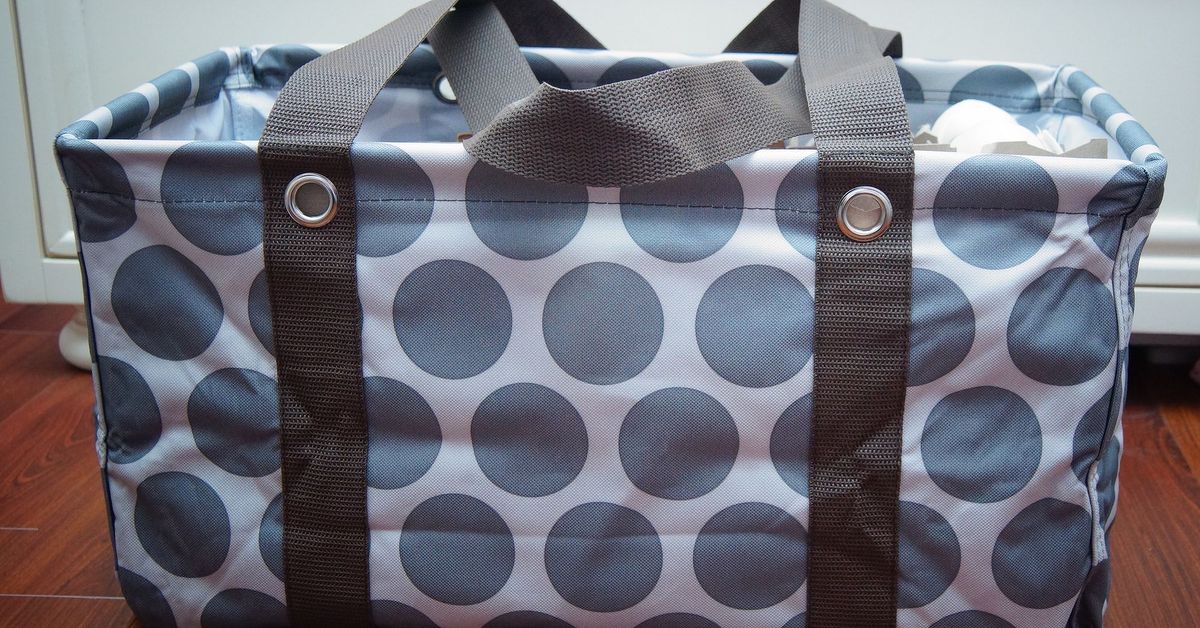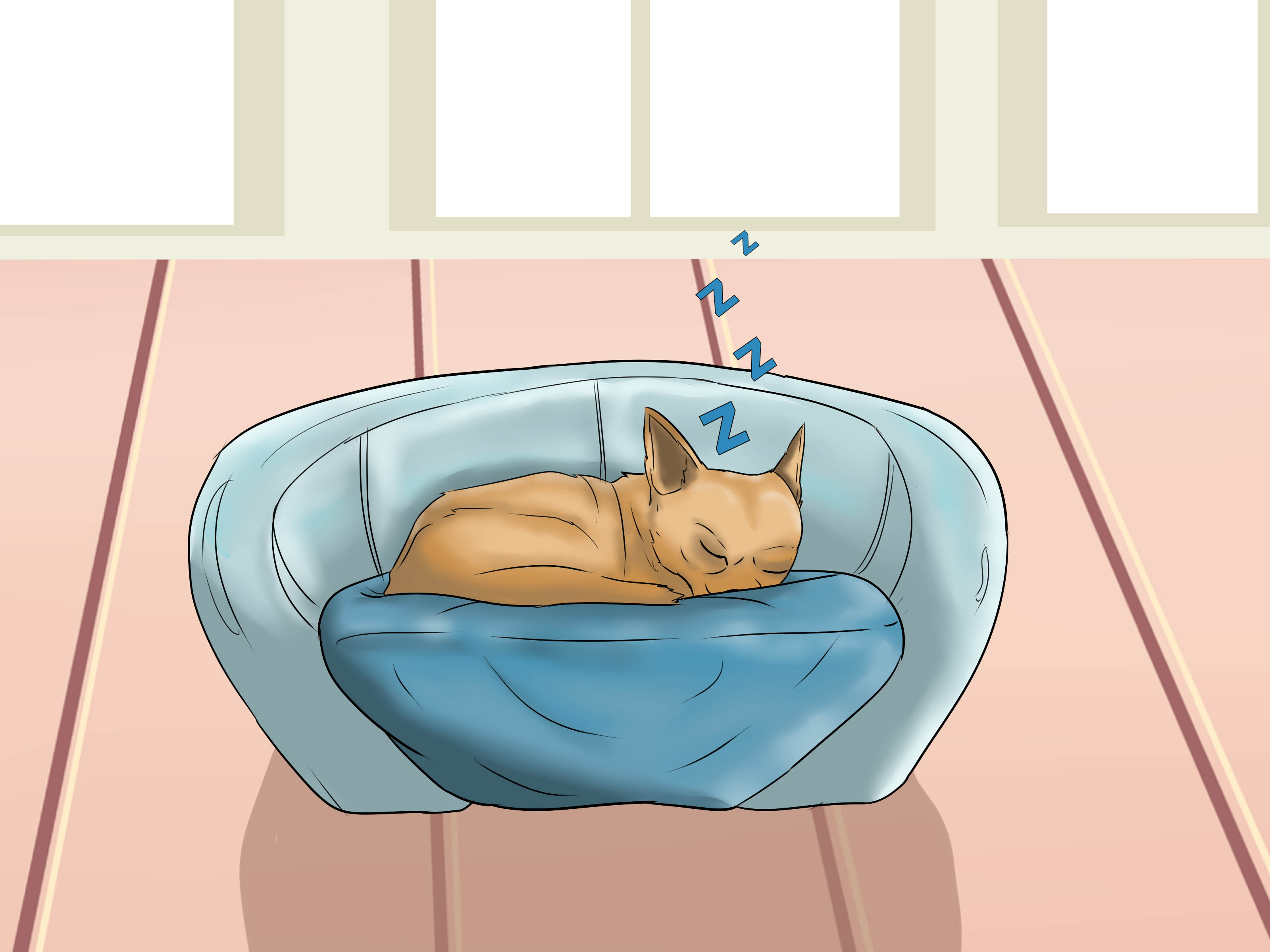
Playing with a Chihuahua is not just tossing a toy and hoping the tiny royal highness approves. This breed may be small enough to fit in a tote bag, but inside that compact body lives a lively, alert, clever dog with strong opinions, quick feet, and a dramatic flair that could win awards. The best playtime for a Chihuahua balances exercise, mental stimulation, safety, and bonding.
Because Chihuahuas are toy dogs, owners often assume they need very little activity. That is only half true. They do not need marathon running, backyard obstacle courses the size of an airport, or a personal fitness trainer named Chad. But they do need daily movement, confidence-building games, and playful interaction that lets them sniff, chase, chew, think, and connect with their person.
This guide breaks down 3 ways to play with a Chihuahua in a practical, safe, and fun way: indoor active games, brain games, and gentle social play. Each method is designed for tiny legs, big personalities, and homes where the living room may be the main dog park.
Why Play Matters for Chihuahuas
Chihuahuas are known for being bold, loyal, alert, and sometimes suspicious of anything taller than a sandwich. Play helps channel that energy into healthy behavior. A Chihuahua that gets regular play is more likely to feel confident, sleep better, stay at a healthy weight, and avoid boredom habits such as barking at mysterious hallway noises or trying to defeat a throw pillow.
Good Chihuahua play should include three goals:
- Physical exercise: short bursts of movement that match the dog’s size and fitness level.
- Mental enrichment: scent games, puzzles, training, and problem-solving activities.
- Emotional bonding: calm, positive interaction that makes your dog feel safe with you.
Before starting any play routine, choose toys that are the correct size. A toy that is too big can frustrate a Chihuahua, while a toy that is too small or easy to tear apart can become a choking risk. Inspect toys often, remove loose strings or damaged parts, and supervise play, especially with new toys.
1. Play Indoor Chase, Fetch, and Gentle Tug
The first way to play with a Chihuahua is through short, active indoor games. These dogs often enjoy quick movement, but their small joints, tiny mouths, and delicate frames mean the game should be controlled. Think “mini athletic event,” not “living room demolition derby.”
Try hallway fetch
Hallway fetch is one of the easiest games for a Chihuahua. Use a small, soft ball or lightweight plush toy. Roll or gently toss it down a carpeted hallway, then encourage your dog to chase it. If your Chihuahua brings it back, celebrate like they just won the Super Bowl. If they run away with it and stare at you from under a chair, congratulations: you are playing by Chihuahua rules.
Keep fetch sessions short. Five to ten minutes can be plenty for many Chihuahuas, especially puppies, seniors, or dogs that are not used to regular exercise. Stop before your dog gets tired, overheated, or too excited. Signs that playtime should pause include heavy panting, slowing down, limping, hiding, or losing interest.
Use gentle tug-of-war
Tug can be a fantastic bonding game when done gently. Choose a soft, narrow tug toy that fits comfortably in your Chihuahua’s mouth. Let your dog grab one end while you hold the other. Keep the movement low and side-to-side rather than pulling upward. Never lift your Chihuahua off the ground by the toy, even if they are hanging on with the determination of a tiny pirate.
Teach simple cues such as “take it,” “drop it,” and “all done.” This turns tug into both exercise and training. Reward your Chihuahua when they release the toy. The goal is not to overpower the dog; the goal is to give them a safe outlet for natural grabbing and pulling behavior.
Create a mini chase game
Some Chihuahuas love chasing their person for a few steps. You can crouch down, call your dog in a cheerful voice, move backward a little, and reward them when they run toward you. This is especially useful for practicing recall. Keep it light, playful, and safe. Avoid slippery floors, stairs, furniture jumps, or roughhousing with larger dogs.
For homes with hardwood or tile floors, add rugs or mats to reduce slipping. Small dogs can be prone to knee issues, so safe footing matters. A Chihuahua may act like a superhero, but their knees did not sign up for stunt work.
2. Play Brain Games with Treats, Sniffing, and Puzzle Toys
The second way to play with a Chihuahua is through mental enrichment. Chihuahuas are smart, alert dogs, and many enjoy games that let them use their nose and brain. In fact, a good sniffing game can tire out a dog in a calmer way than nonstop running.
Play “find it” with tiny treats
Start with your Chihuahua watching you place a small treat on the floor. Say “find it,” then let them eat the treat. After a few rounds, hide the treat slightly behind a chair leg, under a paper cup, or inside a folded towel. Gradually make the hiding spots more difficult.
This game works well because dogs naturally enjoy sniffing and searching. It is also great for small spaces, rainy days, apartment living, and Chihuahuas who look outside during bad weather and say, “Absolutely not, human.”
Use a snuffle mat or DIY towel puzzle
A snuffle mat allows your Chihuahua to search for food hidden between fabric strips. If you do not have one, use a towel. Sprinkle a few pieces of kibble or small treats inside, roll it loosely, and let your dog sniff and nudge it open. For beginners, keep it easy. If your Chihuahua gets frustrated, simplify the puzzle.
Always count treats as part of your dog’s daily food intake. Chihuahuas are small, so even a few extra snacks can add up quickly. Use tiny pieces, low-calorie treats, or part of their regular meal.
Teach tricks as play
Training can be play when it is short, positive, and reward-based. Chihuahuas can learn cues like sit, spin, touch, paw, go to mat, or crawl through a small tunnel. Keep sessions around three to five minutes. End while your dog is still interested, not after they have mentally checked out and started filing a complaint with management.
Use a happy voice, small rewards, and patience. Avoid scolding or forcing. Chihuahuas can be sensitive, and play should build confidence rather than pressure. A nervous Chihuahua needs games that feel safe and predictable.
Rotate toys to keep them exciting
Instead of leaving every toy out all the time, keep a small toy rotation. Offer two or three toys for a few days, then swap them for different ones. This makes old toys feel new again. It also helps you inspect toys regularly for holes, loose squeakers, torn seams, or pieces that could be swallowed.
3. Play Social Games That Build Confidence
The third way to play with a Chihuahua focuses on social confidence. Chihuahuas are often deeply bonded to their owners, but they may be cautious around strangers, children, large dogs, or busy environments. Play can help them feel safer when introduced slowly and respectfully.
Play hide-and-seek with people
Hide-and-seek is simple and surprisingly powerful. Ask your Chihuahua to stay with another family member, or wait until they are briefly distracted. Hide behind a doorway or couch, then call their name. When they find you, reward them with praise, a small treat, or a favorite toy.
This game builds recall, confidence, and connection. It also gives your Chihuahua a job. Many small dogs enjoy feeling like they have completed a mission, especially if the mission ends with snacks and applause.
Practice calm handling during play
Many Chihuahuas dislike being grabbed suddenly or handled roughly. Use playtime to teach gentle touch. During a calm game, briefly touch your dog’s paw, reward them, then continue playing. Later, touch an ear, lift a lip gently, or place a hand near their harness. These tiny moments can make grooming, vet visits, and daily care easier.
Never force handling if your Chihuahua is scared. Go slowly. Pair touch with rewards. Stop if they freeze, growl, hide, or try to move away. Respecting boundaries is not spoiling your dog; it is building trust.
Choose safe playmates
If your Chihuahua enjoys other dogs, choose playmates carefully. A calm small dog may be a better match than a large, bouncy dog who means well but moves like a furry wrecking ball. Supervise all dog-to-dog play. Interrupt if one dog is chasing too intensely, pinning, barking in distress, or ignoring the other dog’s signals.
Children should also be taught how to play gently. No grabbing, chasing, squeezing, or picking up the Chihuahua without permission. A tiny dog can be injured by rough handling, and a frightened dog may snap to protect itself. Safe play protects everyone.
Best Toys for Playing with a Chihuahua
The best Chihuahua toys are small, lightweight, durable, and easy to grip. Not every Chihuahua likes the same toy, so experiment. Some love plush squeaky toys. Others prefer rubber chew toys, treat puzzles, tiny balls, or crinkly toys. A few will ignore every expensive toy and fall in love with an empty paper towel tube. Dogs are mysterious little economists.
Good toy options include:
- Small plush toys with reinforced seams
- Mini rubber balls that are too large to swallow
- Soft tug toys sized for tiny mouths
- Puzzle feeders made for small dogs
- Snuffle mats or food-search games
- Comfort toys for gentle chewing and cuddling
Avoid toys with loose buttons, glued-on eyes, ribbons, bells, or parts that can be chewed off. Also avoid sticks, hard objects that could damage teeth, and toys designed for much larger dogs. If a toy breaks, repair or discard it.
How Long Should You Play with a Chihuahua?
Most Chihuahuas do well with several short play sessions each day instead of one long session. A common routine might include five minutes of tug in the morning, a short walk or hallway fetch session later, and a sniffing game in the evening. The exact amount depends on age, health, personality, and fitness.
Puppies may have bursts of wild energy followed by sudden naps. Senior Chihuahuas may prefer slower games and soft toys. Overweight Chihuahuas may need gentle, consistent movement paired with veterinary guidance. Dogs with luxating patella, tracheal issues, dental pain, heart disease, or other health concerns should have play routines approved by a veterinarian.
Use a harness for walks and outdoor play rather than attaching a leash to a collar. This can reduce pressure on the neck and throat, which is especially important for small dogs.
Common Mistakes to Avoid
Playing too rough
Chihuahuas can be bold, but they are still physically small. Avoid wrestling, high jumps, stair chasing, or letting larger dogs barrel into them.
Using oversized toys
If the toy is too large, your Chihuahua may lose interest. Choose toys they can carry, nudge, tug, or chew comfortably.
Skipping mental stimulation
A walk around the block is nice, but brain games are just as important. Sniffing, training, and puzzle play help prevent boredom.
Ignoring body language
If your Chihuahua turns away, hides, yawns repeatedly, tucks their tail, or growls, pause the game. Play should feel safe and fun.
Real-Life Experiences: What Playing with a Chihuahua Actually Feels Like
One of the funniest things about playing with a Chihuahua is that the dog often has a complete strategy before you even know the game has started. You may think you are playing fetch. Your Chihuahua may think the real game is “watch the human retrieve the toy while I supervise.” This is normal. Many Chihuahuas enjoy participation on their own terms, and building interest takes patience.
A great experience with Chihuahua play usually begins with observation. Watch what naturally excites your dog. Does your Chihuahua perk up when a toy squeaks? Do they chase socks? Do they sniff the floor after you drop crumbs? Do they like burrowing under blankets? Their favorite behaviors can become safe games. A blanket-loving Chihuahua may enjoy a gentle “find the toy” game under a soft towel. A sniffy Chihuahua may love hidden kibble trails. A bouncy Chihuahua may enjoy short hallway fetch.
In many homes, the best Chihuahua play routine is not fancy. It might look like this: two minutes of tug after breakfast, a short sniff walk at lunch, a puzzle toy in the afternoon, and hide-and-seek before dinner. The magic is consistency. Chihuahuas often enjoy predictable routines because they know what to expect. When the same game happens in the same cheerful way, a shy dog may become braver over time.
Another common experience is discovering that Chihuahuas can be surprisingly athletic. They may zip across the room, spin in circles, or pounce on a toy like a tiny fox. But that energy can disappear quickly. One moment they are a champion athlete; the next they are curled in a blanket looking personally offended by gravity. Short sessions help keep play enjoyable without overdoing it.
Owners also learn that confidence matters more than intensity. A nervous Chihuahua may not enjoy loud toys, fast movements, or crowded dog parks. For that dog, the best play might be quiet treat searching, gentle trick training, or soft toy games near their favorite bed. When a Chihuahua feels safe, they often become more curious. Curiosity leads to play, and play leads to trust.
One practical tip from experience: celebrate small wins. If your Chihuahua sniffs a puzzle toy for the first time, praise them. If they chase a ball but do not bring it back, praise the chase. If they release a tug toy on cue, act like they just solved a college-level math problem. Positive feedback makes games more exciting and encourages your dog to keep trying.
Another lesson is that play can improve everyday behavior. A Chihuahua who gets enough enrichment may bark less from boredom, settle more easily, and become easier to train. This does not mean play fixes every behavior issue, but it gives your dog healthy outlets. A tired, satisfied Chihuahua is still a Chihuahua, of course, so they may continue to alert you when a leaf moves outside. That is part of the package.
Finally, playing with a Chihuahua teaches you to appreciate small moments. The little bounce before a toy chase, the proud trot after finding a treat, the dramatic tug growl from a dog the size of a sandwichthese are the moments that make playtime special. The best games are not about wearing your dog out completely. They are about building a happier, safer, more connected life together.
Conclusion
The best ways to play with a Chihuahua are simple, safe, and tailored to the dog in front of you. Use indoor games like fetch and gentle tug for movement. Add brain games like “find it,” snuffle mats, and trick training for mental stimulation. Build confidence with hide-and-seek, calm handling, and carefully chosen playmates.
A Chihuahua may be small, but their need for fun, enrichment, and companionship is huge. Give them short, positive play sessions, safe toys, and plenty of respect for their tiny-but-mighty personality. In return, you get a happier dog, a stronger bond, and daily entertainment from a creature who can turn one squeaky toy into a full theatrical production.