Before you throw that empty jar, lonely shoebox, tired towel, or mystery basket into the “I’ll deal with this later” corner of doom, pause for one heroic second. Many everyday things already sitting in your home can have a second life as storage, decor, garden helpers, cleaning tools, or budget-friendly organizers. In other words, your recycling bin may be hiding a tiny home makeover.
Learning how to repurpose household items is not about turning your living room into a craft fair explosion. It is about looking at common objects with a practical eye: Can this hold something? Protect something? Organize something? Replace something I was about to buy? When the answer is yes, you save money, reduce household waste, and get that strangely satisfying “I made this useful again” feeling.
The best repurposing ideas are simple, safe, and actually usable. A glass jar should become a neat pantry container, not a glitter-covered emotional support object that sheds sparkles into your pasta. An old towel should become a cleaning rag, pet mat, or draft stopper, not a damp archaeological artifact under the sink. With that spirit in mind, here are seven clever, realistic, and web-publishing-worthy ways to reuse everyday items around the house.
Why Repurposing Household Items Is Worth the Effort
Repurposing is part creativity, part common sense, and part revenge against overpriced storage bins. Instead of buying a new organizer every time clutter appears, you can often reuse what you already own. This helps reduce waste, stretches your household budget, and gives your home a more personal, lived-in style.
It also encourages smarter shopping. Once you start seeing jars as storage, boxes as drawer dividers, and old fabric as cleaning cloths, you become less likely to buy single-purpose products. That does not mean you should keep every bottle cap “just in case.” The goal is useful reuse, not becoming the mayor of Clutter City.
1. Turn Glass Jars Into Stylish Storage Containers
Glass jars are the overachievers of the household reuse world. Pasta sauce jars, pickle jars, jam jars, and candle jars can all become practical storage after a good wash. Their clear sides make it easy to see what is inside, and their lids help keep small items contained.
Best Uses for Repurposed Glass Jars
Use clean glass jars in the kitchen for dry goods such as rice, lentils, coffee beans, tea bags, or homemade seasoning blends. In the bathroom, they can hold cotton rounds, hair ties, bath salts, or small soaps. In a home office, they are perfect for paper clips, rubber bands, thumbtacks, pencils, and charging cables that otherwise behave like wild spaghetti.
For a polished look, remove the original label and add your own. A simple paper label, chalkboard sticker, or handwritten tag can make an old salsa jar look intentional instead of suspicious. If the lid is scratched, paint it with a suitable craft paint or cover it with adhesive paper. Suddenly, your former marinara container has entered its “boutique pantry” era.
Safety Tip
Do not reuse jars that are cracked, chipped, or difficult to clean. If a jar held strong-smelling food, soak it with warm water and baking soda before repurposing. For candle jars, remove leftover wax carefully and wash thoroughly before using them for non-food storage.
2. Use Shoeboxes and Cardboard Boxes as Drawer Organizers
Shoeboxes are not glamorous, but neither is digging through a drawer for a charger while your phone is at two percent. Small boxes are excellent for dividing drawers, shelves, closets, and cabinets into tidy zones.
Cut shoeboxes down to fit inside drawers and use them to separate socks, scarves, craft supplies, makeup, school supplies, batteries, or tech accessories. Larger cardboard boxes can become pantry organizers, under-sink dividers, or closet bins for seasonal items.
How to Make Cardboard Look Less Like Cardboard
Cover boxes with wrapping paper, contact paper, fabric scraps, or leftover wallpaper. You can also label the front with masking tape or a small tag. This creates a cleaner look and makes it easier for everyone in the house to return items to the right place. Yes, even the person who thinks “the floor” is a storage category.
For heavier items, reinforce the bottom with an extra layer of cardboard. Avoid using flimsy boxes for anything sharp, wet, oily, or heavy. Cardboard is useful, but it is not a superhero.
3. Repurpose Old Towels, T-Shirts, and Pillowcases
Textiles are some of the easiest household items to reuse. Old towels, cotton T-shirts, worn pillowcases, and faded dish towels can become cleaning cloths, dusting rags, pet bedding, packing material, or reusable floor wipes.
Cut old T-shirts into squares and keep them in a basket for cleaning mirrors, wiping counters, or dusting furniture. Towels that are too rough for your face may still be perfect for drying the dog, protecting the floor during messy projects, or lining the trunk of your car. Pillowcases can protect delicate items in storage, cover off-season shoes, or act as laundry bags for small items.
Make a Simple Draft Stopper
An old towel or pillowcase can become a draft stopper for doors and windows. Roll the fabric tightly, secure it with ribbon or basic stitching, and place it where cold air sneaks in. It is not fancy, but neither is paying extra to heat the hallway.
Keep one rule in mind: if fabric is moldy, badly stained, or smells like it has lived three lives in a gym locker, do not repurpose it indoors. Some items are not “vintage”; they are retired.
4. Turn Tin Cans Into Planters, Utensil Holders, and Desk Cups
Tin cans are sturdy, easy to decorate, and surprisingly useful. After removing sharp edges and washing them well, you can turn cans into small planters, utensil holders, pencil cups, craft supply containers, or garage organizers for screws and nails.
Simple Tin Can Planter Idea
For herbs or small plants, punch a few drainage holes in the bottom of a clean can, add small stones, then fill it with potting soil. Wrap the outside with twine, fabric, contact paper, or paint to match your kitchen or patio. Basil in an upcycled tomato can? That is practically poetry with roots.
For desk storage, group three or four cans together and secure them with strong adhesive or place them inside a shallow tray. Use them for pens, scissors, rulers, paintbrushes, or makeup brushes. If children will use the cans, make sure there are no sharp edges. Safety is always more stylish than stitches.
5. Give Plastic Bags, Containers, and Bottles a Practical Second Life
Plastic waste is a major household challenge, so reusing plastic items responsibly can help extend their usefulness before disposal or recycling. Plastic grocery bags can line small trash cans, protect shoes in luggage, hold wet swimsuits, collect pet waste, or cushion fragile items during a move.
Plastic food containers can organize craft supplies, hardware, toy pieces, seed packets, and seasonal decorations. Clear containers are especially helpful because you can see what is inside without opening twelve lids like you are auditioning for a kitchen detective show.
Plastic Bottle Reuse Ideas
Cut clean plastic bottles into small scoops for potting soil, birdseed, or pet food. The bottom half of a bottle can become a seed starter, while the top can serve as a mini cloche to protect young plants. Always clean bottles thoroughly and avoid reusing plastic containers for hot foods or anything they were not designed to hold.
The trick with plastic is to reuse it thoughtfully, not endlessly. If a container is cracked, stained, warped, or smells odd, recycle it if your local program accepts it. If not, dispose of it according to local guidance.
6. Transform Old Furniture Into Functional Home Pieces
Old furniture has serious comeback potential. A tired dresser can become a hallway storage unit, a bathroom vanity, or a craft station. A wooden ladder can become a blanket rack or plant stand. A small cabinet can turn into an entryway drop zone for keys, bags, and mail.
You do not need advanced woodworking skills for every upcycling project. Sometimes a good cleaning, fresh paint, new knobs, and a better location are enough to rescue a piece from the “why do we still have this?” category.
Beginner-Friendly Furniture Repurposing Ideas
Remove drawers from a broken dresser and mount them as wall shelves. Turn an old nightstand into a pet feeding station by placing bowls in the top or lower shelf. Use a retired bookshelf in the garage for paint, garden tools, sports gear, or cleaning supplies. A bench with storage can move from the bedroom to the entryway and suddenly become the family shoe command center.
Before repurposing furniture, check for stability. Tighten screws, sand rough areas, and avoid using pieces with peeling lead-based paint, mold, or structural damage. A charming vintage chair is lovely; a chair that collapses during coffee is a lawsuit with legs.
7. Reuse Everyday Kitchen Items for Organization and Decor
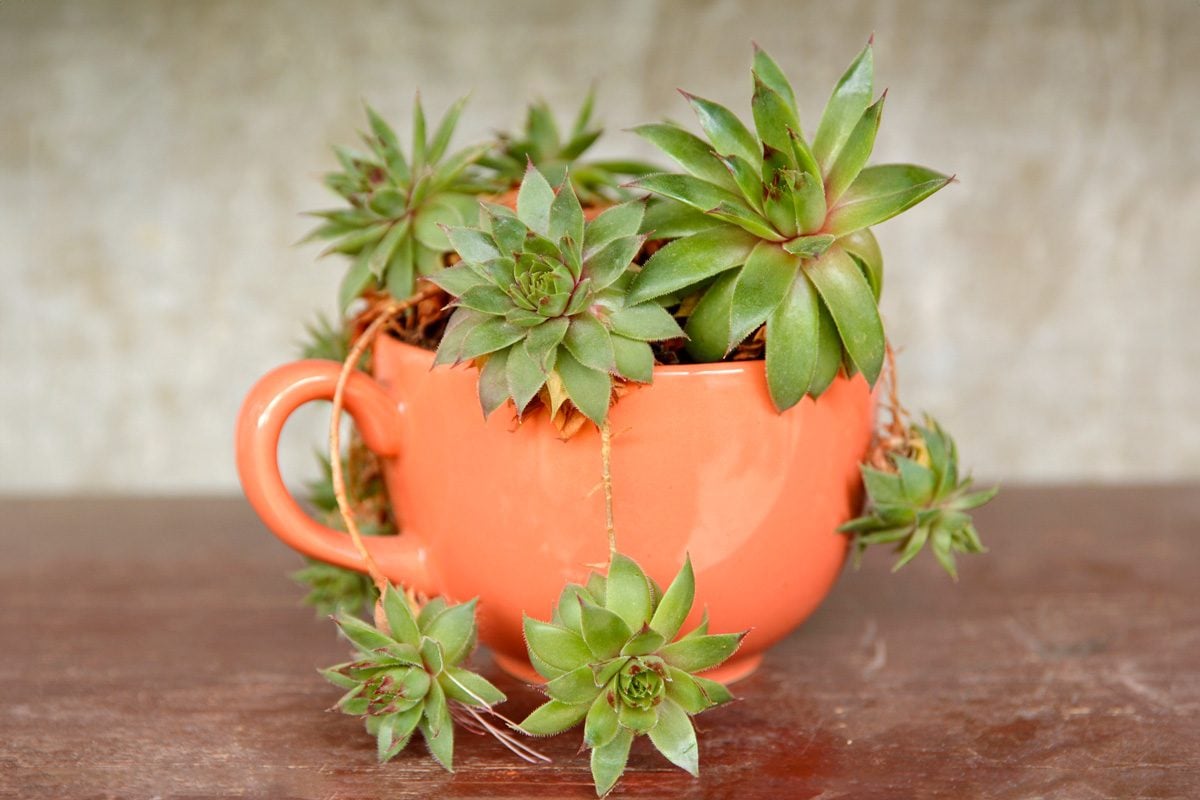
The kitchen is full of objects that can work in other rooms. Ice cube trays can organize earrings, beads, buttons, screws, or tiny craft supplies. Muffin tins can sort office items, kids’ art supplies, or small bathroom products. Mugs can hold pens, makeup brushes, toothbrushes, or plant cuttings.
Old cutting boards can become rustic serving trays, wall decor, or plant bases. Baskets can move from pantry shelves to bathrooms, closets, laundry rooms, or entryways. Trays are especially useful because they create visual boundaries. Put random items on a counter and it looks messy. Put the same items on a tray and suddenly it looks like you have a design philosophy.
The “Container Test”
Before buying a new organizer, walk around your home and look for unused containers. Ask: Is it clean? Is it the right size? Can it hold a category of items? Does it make the space easier to use? If yes, repurpose it. If no, let it go. Repurposing should solve problems, not create a museum of almost-useful objects.
How to Repurpose Without Creating More Clutter
Repurposing works best when it has limits. Keep a small box for items you plan to reuse soon, such as jars, fabric scraps, or boxes. If the box overflows, it is time to either use the items or recycle them. This keeps creativity from turning into chaos.
Also, match the item to the job. Glass jars are great for visible storage. Cardboard is great for drawer dividers. Old towels are great for cleaning. Heavy furniture is great for long-term storage. When you choose the right material, the finished result feels useful instead of forced.
Finally, remember that repurposing is not the same as hoarding. If an item is unsafe, dirty beyond rescue, broken in a way that cannot be fixed, or not useful in your home, it is okay to recycle, donate, or dispose of it properly. The goal is a smarter home, not a guilt-powered obstacle course.
Experience Notes: What Repurposing Household Items Teaches You Over Time
After experimenting with many ways to reuse everyday items, one lesson becomes obvious: the best ideas are usually the boring ones that work every day. A beautifully painted jar is nice, but a jar that keeps rubber bands from invading the junk drawer is a tiny domestic miracle. A shoebox covered in pretty paper is cute, but a shoebox that stops charging cords from forming a nest is the real hero.
The first experience many people have with repurposing is enthusiasm overload. You save every jar, every box, every bag, and every scrap of fabric because “this could be useful.” Then one day you open a cabinet and realize you are not running a sustainable home; you are operating a very quiet cardboard zoo. That is when the golden rule appears: save with a purpose. If you cannot name a use for an item within a few weeks, you probably do not need to keep it.
Another helpful experience is learning that cleaning matters more than decorating. A repurposed item should feel fresh, not like it was rescued from the back row of a garage sale during a rainstorm. Wash jars thoroughly. Let containers dry completely. Remove crumbs from boxes. Launder textiles before cutting them into rags. These small steps make the difference between “clever reuse” and “why does this drawer smell like onions?”
Repurposing also changes how you shop. Once you know a candle jar can become a jewelry cup or a pasta sauce jar can store pantry staples, packaging becomes part of the value. You may start choosing products in reusable glass instead of flimsy plastic. You may buy fewer storage bins because you already have baskets, tins, mugs, and boxes waiting for a second job. This is where the money-saving part becomes real.
There is also a creative confidence that comes with small upcycling wins. You do not need to be a professional organizer or a DIY influencer with perfect lighting and suspiciously clean overalls. Start with one drawer, one shelf, or one cluttered counter. Use a jar for pens, a box for receipts, a tray for keys, or an old towel for cleaning. When that tiny fix works, you begin seeing the rest of your home differently.
The most satisfying projects are often the ones that solve repeat annoyances. If socks disappear in the closet, a shoebox divider helps. If bathroom counters are crowded, jars and trays create order. If herbs wilt in the fridge, small jars can hold cut stems in water. If your desk looks like office supplies held a parade, tin cans can bring everything back into formation.
Over time, repurposing becomes less about crafting and more about noticing. You notice what you already own. You notice what you actually use. You notice which items deserve a second life and which ones need a respectful goodbye. That awareness is the real benefit. A home becomes easier to manage when every object has a job, a place, or a clear reason to leave.
Conclusion
Repurposing household items is one of the simplest ways to save money, reduce waste, and make your home more organized without buying a cart full of new products. Glass jars, cardboard boxes, old towels, tin cans, plastic containers, retired furniture, and everyday kitchen items can all become useful again with a little imagination and a realistic plan.
The smartest approach is to start small. Choose one area that annoys you, find one item you can reuse, and make one improvement today. You do not need a workshop, a huge budget, or a dramatic before-and-after montage. Sometimes the path to a better home begins with an empty jar, a clean shoebox, and the brave decision not to let the junk drawer win.
SEO Tags
Note: This article is written in original American English for web publication and is based on practical sustainability, home organization, and DIY guidance synthesized from reputable U.S. environmental, home improvement, and lifestyle sources.