Note: This article is for general education and is not a substitute for medical advice. If a cough is severe, persistent, or comes with trouble breathing, chest pain, bloody mucus, high fever, wheezing, fainting, or unexplained weight loss, contact a healthcare professional promptly.
A dry cough at night has a special talent for appearing at the exact moment your head touches the pillow. All day, you may feel mostly fine. Then bedtime arrives, the room gets quiet, and suddenly your throat decides to perform a dramatic solo. A dry cough does not bring up much mucus, but it can feel scratchy, tickly, burning, or tight. It may come from a cold, allergies, postnasal drip, dry air, asthma, acid reflux, smoke, dust, or lingering airway irritation after an infection.
The good news: many nighttime dry coughs can be eased with simple, practical changes. The trick is to calm the throat, reduce airway irritation, improve bedroom air, and look for hidden triggers such as reflux or allergens. Below are 14 tips and tricks to help you stop a dry cough at night and get back to sleeping like a human instead of a broken squeaky toy.
Why Dry Coughs Often Get Worse at Night
Nighttime coughing is common because lying flat changes how your body handles mucus, stomach acid, and airway irritation. Postnasal drip can slide toward the back of your throat. Acid reflux can creep upward more easily when gravity is not helping. Dry bedroom air can irritate the throat. Dust mites in pillows, pet dander on bedding, or smoke residue in the room can also keep the cough reflex switched on.
In other words, the cough may not be random. Your bedroom environment, evening routine, and sleeping position can all become part of the problem. That is why stopping a dry cough at night usually works best when you combine several small fixes rather than waiting for one magical remedy to rescue the evening.
How to Stop a Dry Cough at Night: 14 Tips & Tricks
1. Elevate Your Head and Upper Chest
If your cough gets worse as soon as you lie down, try sleeping with your head and upper chest slightly elevated. A wedge pillow or raising the head of the bed can help reduce postnasal drip irritation and nighttime reflux. Stacking thin pillows is less reliable because it can bend your neck awkwardly, but a gentle incline from the upper back can make breathing feel easier.
This tip is especially useful if you also notice sour taste, heartburn, hoarseness, or coughing after late meals. Gravity is not glamorous, but it is one of the best free tools in the bedroom.
2. Try Honey Before Bed
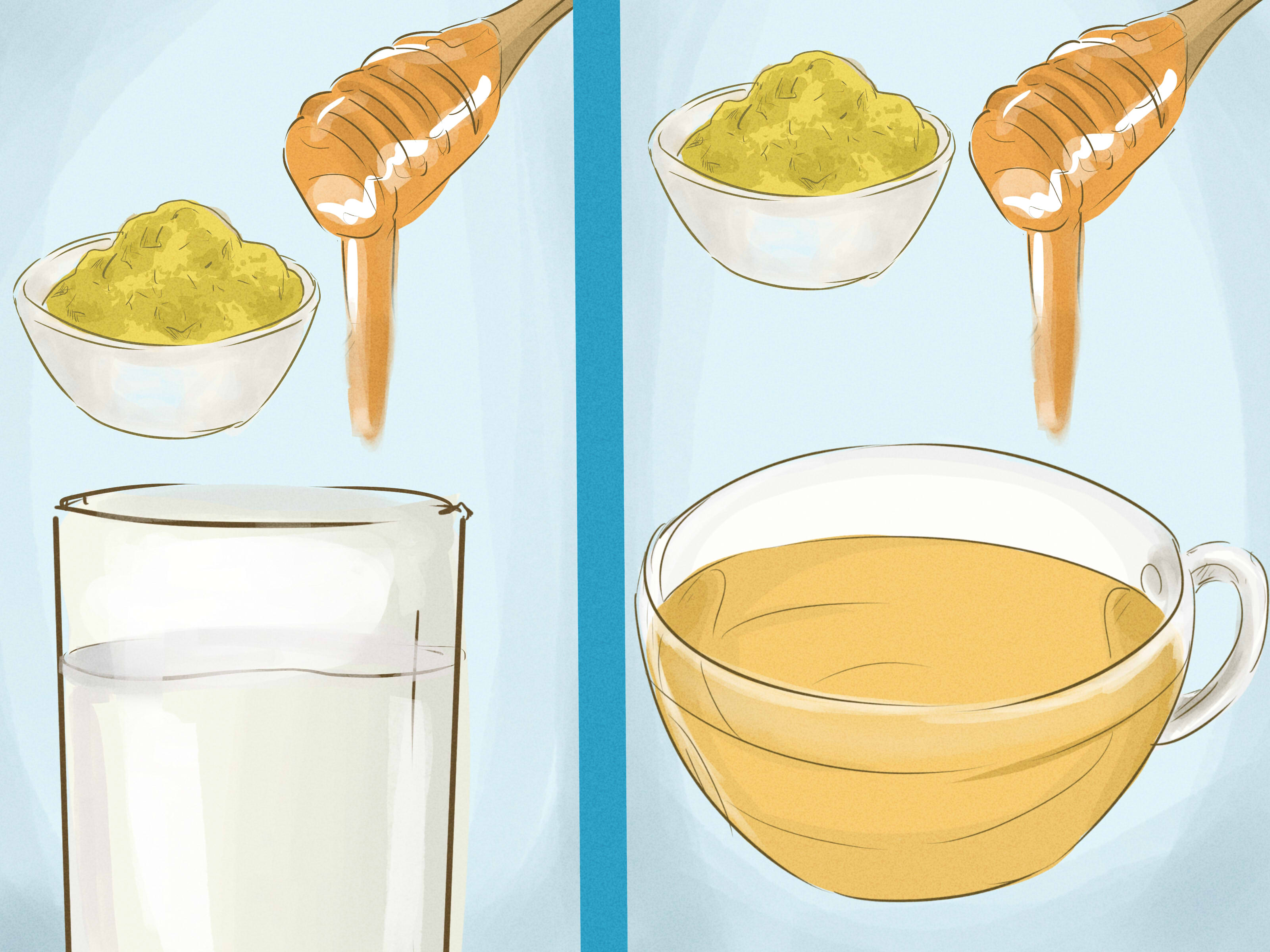
Honey can coat a scratchy throat and may calm nighttime coughing. Try one to two teaspoons of honey on its own, or stir it into warm water or caffeine-free tea. It is simple, inexpensive, and far more pleasant than staring at the ceiling while bargaining with your lungs.
Important safety note: Never give honey to a child younger than 1 year old because of the risk of infant botulism. Adults and older children can usually use honey safely, unless they have a medical reason to avoid it.
3. Sip Warm Fluids
Warm liquids can soothe a dry, irritated throat and help keep mucus thinner if postnasal drip is involved. Good options include warm water, caffeine-free herbal tea, warm lemon water, or clear broth. Avoid alcohol before bed, and go easy on caffeine in the evening because both can interfere with sleep and may contribute to dehydration.
A warm drink also gives your throat a mini spa moment. Add honey if appropriate, sip slowly, and let the steam and warmth do their quiet little job.
4. Use a Cool-Mist Humidifier
Dry air can make a dry cough feel sharper, especially in air-conditioned or heated rooms. A cool-mist humidifier can add moisture to the air and help soothe irritated nasal passages and throat tissue. Aim for comfortable humidity rather than a tropical rainforest. Too much moisture can encourage mold and dust mites, which may make coughing worse.
Clean the humidifier regularly according to the manufacturer’s instructions. A dirty humidifier can spread unwanted particles into the air, and your cough does not need backup dancers.
5. Take a Warm Shower Before Bed
A warm shower can loosen nasal congestion, moisten the throat, and relax your body before sleep. Let the bathroom steam build gently, breathe normally, and avoid water that is too hot. This is not a challenge to turn your bathroom into a dragon cave; it is just a simple way to add moisture and comfort.
If steam makes you feel dizzy, short of breath, or worse, stop and choose another method.
6. Use Saline Spray or Rinse for Postnasal Drip
Postnasal drip is one of the sneakiest causes of nighttime dry cough. You may not feel very congested, but mucus dripping down the back of the throat can trigger repeated coughing. A saline nasal spray before bed can help moisturize nasal passages and reduce irritation. Some people also benefit from a saline rinse, but it must be done safely with distilled, sterile, or previously boiled and cooled water.
If your cough comes with sneezing, itchy eyes, a stuffy nose, or seasonal flare-ups, allergies may be part of the picture.
7. Keep Water by Your Bed
A dry throat can trigger a cough cycle: tickle, cough, more irritation, more coughing, repeat until your pillow files a complaint. Keep a glass or bottle of water within reach. Take small sips when the tickle starts instead of waiting until the cough becomes intense.
Hydration throughout the day matters too. You do not need to overdo it, but steady fluid intake can help keep your throat and airways less irritated.
8. Avoid Late Heavy Meals
Acid reflux can cause a dry cough, especially at night. You may recognize it by heartburn, sour burps, throat burning, hoarseness, or coughing that gets worse after lying down. Try finishing dinner at least two to three hours before bed. Smaller evening meals may also help.
Common reflux triggers include spicy foods, fried foods, chocolate, peppermint, tomato-heavy meals, citrus, carbonated drinks, and caffeine. Not everyone reacts to the same foods, so pay attention to your own pattern.
9. Sleep on Your Left Side if Reflux Is Suspected
If reflux seems connected to your nighttime cough, sleeping on your left side may reduce symptoms for some people. Pair this with head elevation for better results. It is a small change, but for reflux-related coughing, small changes can add up quickly.
If you regularly wake up coughing with a burning throat, ask a healthcare professional whether gastroesophageal reflux disease, also called GERD, could be involved.
10. Remove Bedroom Irritants
Smoke, vaping aerosol, strong fragrances, incense, dust, pet dander, and cleaning fumes can irritate the airway and worsen a dry cough. Keep your sleeping area as clean and low-irritant as possible. Wash bedding weekly, vacuum regularly, and consider keeping pets off the pillow if allergies are suspected.
Fragrance-free laundry products may also help. Your sheets do not need to smell like a mountain waterfall invented by a marketing department. Clean and neutral is often better for sensitive airways.
11. Change or Clean Air Filters
If your cough gets worse in one room, check the air quality. Replace HVAC filters as recommended, clean visible dust from vents, and consider using a portable air purifier with a HEPA filter if dust or allergens are a problem. This can be especially helpful during pollen season, wildfire smoke events, or dusty weather.
Good air quality will not fix every cough, but it can reduce the number of triggers your throat has to fight overnight.
12. Use Cough Drops or Hard Candy Carefully
Cough drops can stimulate saliva and temporarily soothe a dry, tickly throat. Menthol lozenges may create a cooling sensation that makes breathing feel more comfortable. Hard candy can have a similar saliva-boosting effect.
Do not use cough drops or hard candy while lying down if you are likely to fall asleep with one in your mouth. They are also not safe for very young children because of choking risk. For adults and older teens, use them while sitting up, then remove or finish them before sleep.
13. Consider the Right Over-the-Counter Medicine
Some over-the-counter cough medicines may help short-term symptoms, but they should be used carefully. A dry cough may respond differently than a wet cough. Cough suppressants are designed to reduce the cough reflex, while expectorants are usually used when mucus is present. Read labels closely, avoid doubling up on ingredients, and follow dosing directions exactly.
Parents should be extra cautious with children’s cough and cold medicines. These products are not recommended for very young children, and labels may carry age restrictions. When in doubt, ask a pediatrician or pharmacist before giving cough medicine to a child.
14. Know When a Dry Cough Needs Medical Attention
Most mild coughs improve with time and home care, especially after a common cold. However, a cough should not be ignored if it lasts more than a few weeks, keeps returning, or comes with warning signs. Seek medical advice if you have shortness of breath, chest pain, wheezing, coughing up blood, high or lasting fever, fainting, swelling in the legs, unexplained weight loss, or a cough that disrupts sleep night after night.
Also talk with a healthcare professional if you have asthma, COPD, heart disease, immune system problems, or if the cough began after starting a new medication. A dry cough can sometimes be linked to asthma, reflux, allergies, sinus problems, medication side effects, or other conditions that need targeted treatment.
Common Causes of a Dry Cough at Night
Postnasal Drip
Postnasal drip happens when mucus drains from the nose or sinuses toward the throat. It can be caused by allergies, colds, sinus irritation, or dry air. At night, lying down makes this drip more noticeable, and the throat responds by coughing.
Acid Reflux or GERD
Reflux can irritate the throat and airway, even without classic heartburn. Nighttime reflux is more likely after late meals, large meals, or lying flat. A reflux-related cough may come with hoarseness, a sour taste, throat clearing, or morning throat soreness.
Asthma or Cough-Variant Asthma
Asthma does not always sound like dramatic wheezing. Some people mainly cough, especially at night or after exercise, cold air, or allergen exposure. If nighttime coughing is frequent, recurring, or paired with chest tightness, medical evaluation is important.
Dry Air and Irritants
Low humidity, smoke, dust, strong scents, and pollution can all irritate the throat and airways. If your cough improves when you leave a certain room or worsens after cleaning, lighting candles, or sleeping near a dusty vent, your environment may be involved.
A Simple Night Routine for Dry Cough Relief
Try this practical routine for three to five nights and track whether your cough improves:
- Finish dinner at least two to three hours before bed.
- Take a warm shower or sip warm caffeine-free tea.
- Use saline spray if your nose feels dry, stuffy, or drippy.
- Take honey before bed if it is safe for you.
- Run a clean cool-mist humidifier if the room is dry.
- Sleep with your head and upper chest slightly elevated.
- Keep water nearby for throat tickles.
If your cough improves, you may have identified a helpful pattern. If it does not improve, or if symptoms worsen, the cough may need a more specific diagnosis.
Extra Experience-Based Tips: What Nighttime Dry Cough Really Feels Like and What Helps
Anyone who has dealt with a dry cough at night knows the emotional timeline. First comes optimism: “I’m tired, so I’ll fall asleep fast.” Then comes the tiny throat tickle. You ignore it. The tickle grows. You cough once. Then twice. Then you sit up, take a sip of water, and wonder why your throat has chosen this exact moment to start a percussion career.
One of the most useful real-life lessons is to prepare before the coughing begins. Do not wait until you are already lying flat and annoyed. Set up your cough-control station before bed: water, tissues, saline spray, a clean humidifier if needed, and a comfortable pillow arrangement. This sounds overly organized until 2:13 a.m., when you do not have to stumble around in the dark like a sleepy detective searching for a water bottle.
Another experience-based trick is to notice the “cough personality.” A dry cough from reflux often feels burny or sour and may show up after pizza, spicy noodles, chocolate, or late-night snacks. A cough from postnasal drip often comes with throat clearing, nasal stuffiness, or a feeling that something is sliding down the back of the throat. A dry-air cough may feel scratchy and improve when you sip fluids or add moisture to the room. These clues are not a diagnosis, but they help you choose smarter remedies.
Many people also underestimate bedroom triggers. A pillow can collect dust, hair products, fragrance, and pet dander. Bedding washed in heavily scented detergent may smell “fresh” but still irritate sensitive airways. If your cough is worse in bed than on the couch, your sleeping space deserves suspicion. Wash pillowcases, reduce clutter that collects dust, vacuum near the bed, and keep strong scents out of the room for a week. Think of it as giving your throat a quieter workplace.
For reflux-prone coughs, the most boring advice is often the most effective: stop eating close to bedtime. It is not glamorous. It will not go viral. But finishing food earlier can make a real difference. If you love a bedtime snack, choose something small and bland, and see whether your cough changes. Keeping a simple food-and-cough note on your phone can reveal patterns quickly.
Finally, remember that coughing itself irritates the throat. Once the cough cycle starts, forcing big coughs may make the tickle worse. Try sitting up, relaxing your shoulders, taking small sips of warm fluid, breathing gently through your nose if possible, and giving the throat a chance to settle. The goal is not to “win” against the cough by sheer willpower. The goal is to reduce irritation so your body stops hitting the cough button.
Conclusion
Learning how to stop a dry cough at night starts with understanding why the cough appears after dark. Dry air, postnasal drip, reflux, allergens, asthma, smoke, and lingering irritation can all become louder when you lie down. The best approach is usually a combination: soothe the throat with honey or warm fluids, improve air moisture, elevate your upper body, reduce reflux triggers, clean up bedroom irritants, and know when symptoms deserve medical care.
A dry cough may be common, but it should not be allowed to steal your sleep forever. Start with the safest home strategies, watch your patterns, and get help if the cough is persistent, severe, or paired with warning signs. Your throat deserves peace. Your pillow deserves quiet. And frankly, everyone in the house deserves a night without the midnight cough concert.