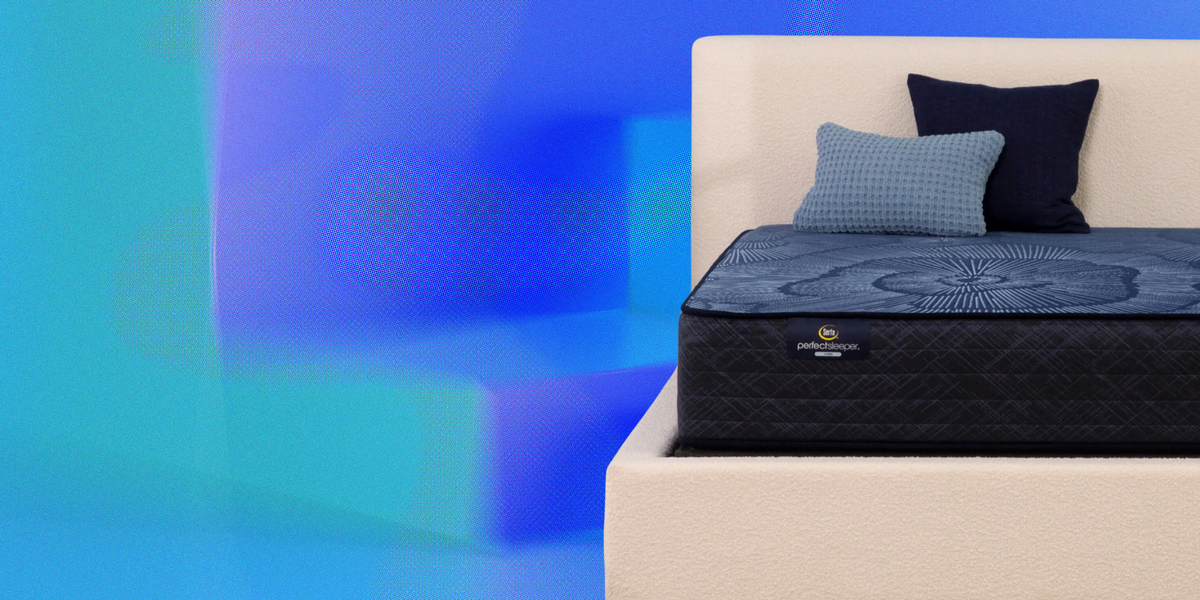
Shopping for a mattress should feel relaxing. Instead, it often feels like speed dating with a hundred rectangles. One says it is “cooling,” another says it is “supportive,” and a third promises “cloud-like comfort,” which sounds lovely until your lower back files a formal complaint. That is exactly why the Serta Perfect Sleeper keeps showing up on shopping lists: it sits in that sweet spot between familiar big-brand comfort and features that actually sound useful in real life.
After digging into 2024 testing, retailer listings, and brand specifications, the short version is this: the Serta Perfect Sleeper is not one single mattress so much as a whole family of mattresses. That matters. Some versions are classic innerspring models, some are hybrids, some add pillow tops, and some retailer-exclusive versions come with slightly different names and builds. The good news is that most of them share the same general personality: balanced support, decent cooling, strong edge support for the price, and enough firmness choices to keep household peace if one partner likes “plush” and the other prefers “please don’t let my spine fold like a lawn chair.”
In this review, I’m focusing on what the 2024-era Serta Perfect Sleeper line consistently does well, where it falls short, and which type of sleeper is most likely to love it.
Quick Verdict
The Serta Perfect Sleeper is a strong pick for shoppers who want a mainstream mattress with dependable support, cooling-minded materials, and multiple firmness options without jumping straight into luxury pricing. Its standout strengths are edge support, a nicely balanced feel, and better-than-average flexibility across sleeping positions. Its biggest weakness is confusion: the name covers several mattresses, and performance can shift depending on whether you buy an innerspring, a hybrid, a plush pillow top, or a retailer-exclusive model.
If you want an old-school mattress feel with modern upgrades, this line makes a lot of sense. If you want a deep, slow-moving memory foam hug that makes you feel like a burrito, you may want to keep browsing.
What the Serta Perfect Sleeper Actually Is
The first thing to know is that “Serta Perfect Sleeper” is a collection, not a single identical mattress sold everywhere in the same form. In the 2024 marketplace, the line commonly included innerspring and hybrid builds, several firmness levels, and pillow-top options. Depending on where you shop, you may see names like Renewed Night, Sleep Excellence, or other retailer-specific versions that still live under the Perfect Sleeper umbrella.
Across the line, the common ingredients are familiar. You usually get a support core built around individually wrapped coils, memory foam or gel memory foam in the comfort layers, zoned support through the middle of the mattress, and some kind of cooling cover or cooling-focused foam upgrade. In plain English, this means Serta is trying to deliver three things at once: support under your back and hips, cushioning at the shoulders and pressure points, and a surface that does not feel like a toaster by 2 a.m.
Construction and Materials
One reason the Perfect Sleeper gets so much attention is that it bridges traditional and modern design. The innerspring versions tend to use an 825-coil support system, while the hybrid versions often step up to an 850-coil density design. That coil unit is a big part of the mattress’s personality. It gives the bed a more responsive, easier-to-move-on feel than all-foam competitors, which is good news for combination sleepers and anyone who hates feeling trapped in the mattress.
The comfort layers vary by model, but cooling gel memory foam shows up often, along with Serta branding for pressure-relieving foams and lumbar support elements. Some versions add a pillow top or quilted comfort layer for a softer initial feel. In practice, that means the first few seconds on the bed can range from “gently cushioned hotel vibe” to “firm handshake from a respectable mattress.”
Another theme across the line is zoned support. Many popular 2024 models use a three-zone design meant to offer extra support under the lower back and hips while allowing more give around the shoulders and legs. That is mattress engineering’s way of saying the middle of the bed is trying a little harder than the rest, which is honestly relatable.
How the Serta Perfect Sleeper Feels
Most Perfect Sleeper models aim for balance rather than extremes. Even the plusher versions are not ultra-marshmallow beds, and even the firmer versions usually include just enough cushioning to avoid feeling punishing. That makes the line appealing to shoppers who want comfort without losing structure.
If you test one of the plush or pillow-top models, expect noticeable cushioning around the shoulders and hips with a little sink at the surface. If you test one of the firm or extra-firm versions, expect more lift, less sink, and a flatter sleeping posture. The hybrid options usually feel a bit more adaptive and breathable than the basic innerspring versions, while still keeping that classic bounce underneath.
This is not the mattress for people who want a dramatic “stuck in memory foam” sensation. It is much more about contouring without swallowing you whole.
Performance Review
1. Comfort and Pressure Relief
This is one of the line’s best qualities. The Perfect Sleeper usually offers enough pressure relief for side sleepers, especially in the plush, medium, or pillow-top versions. Reviewers consistently describe it as supportive without feeling harsh. That “not too firm, not too soft” middle ground is where the line shines brightest.
That said, firmness matters a lot here. Side sleepers generally do better with the softer options, while the firmest models can feel too rigid if you have sharp pressure points around the shoulders or hips.
2. Back Support
Back sleepers are one of the clearest target audiences for this mattress. The zoned coil support and moderate contouring usually keep the lower back from collapsing while still letting the body settle in comfortably. If you sleep flat on your back and want something supportive but not brick-like, the medium and firm options are usually the safest bets.
3. Stomach Sleeping
Stomach sleepers need caution, not panic. The line can work well for them, but only in the firmer versions. Plush and pillow-top models may let the hips dip too much, which can throw the spine out of alignment. If you are a dedicated stomach sleeper, do not let a fluffy showroom top seduce you into future regret. Stay firm.
4. Cooling
Cooling is a genuine selling point, though not a miracle. The combination of breathable coils, cool-touch covers on many models, and gel-infused foams gives the Perfect Sleeper a cooler profile than many dense all-foam beds. Hot sleepers who want an ice-cave mattress may still prefer a more aggressively cooling premium model, but for the category and price, the Serta performs well.
5. Motion Isolation
For a coil-based mattress, motion isolation is pretty respectable. The individually wrapped coils help reduce movement transfer, and the memory foam layers soften some of the bounce. It is usually good enough for most couples, though not as still as a heavy all-foam mattress. If your partner moves like they are reenacting an action movie every night, you may notice some motion, but not enough to start sleeping in separate zip codes.
6. Edge Support
Edge support is another standout. A lot of reviewers call out the strong perimeter support, and that matters more than people think. It makes the bed feel bigger, helps when sitting on the edge to put on shoes, and gives couples more usable sleep surface. For older adults, heavier sleepers, or anyone who likes spreading out, this is a meaningful advantage.
Who Should Buy the Serta Perfect Sleeper
- Back sleepers who want a balanced mattress with a supportive middle zone
- Side sleepers choosing a plush, medium, or pillow-top version
- Couples who want good edge support and decent motion control
- Shoppers who like a traditional coil feel with modern foam comfort
- People who want a recognizable brand and lots of in-store buying options
Who Might Want Something Else
- Stomach sleepers considering the softer pillow-top models
- People who want a deep, slow-response memory foam feel
- Anyone who gets overwhelmed by model-name chaos and wants one simple mattress choice
- Shoppers who need the absolute strongest cooling performance in the market
Pros and Cons
Pros
- Strong edge support for the category
- Balanced comfort that works for a wide range of sleepers
- Cooling features are more than just marketing glitter
- Multiple firmness and pillow-top options
- Widely available online and in stores
Cons
- The “Perfect Sleeper” name covers several different builds
- Plush models can be too soft for stomach sleepers
- Not ideal for people who want a dense, all-foam hug
- Some traditional models are heavy and awkward to maneuver
- Policies and specs can vary by retailer
Price and Overall Value
The Perfect Sleeper line generally offers good value, especially when compared with premium hybrid mattresses that sprint past the $2,000 mark like they are being chased. Entry-level versions are relatively approachable, while upgraded pillow-top and premium variants can climb much higher. The real value play is that you often get zoned support, cooling elements, and a mature coil system without paying “luxury sleep spa” prices.
That said, this is one of those mattress lines where sales matter. Very few shoppers should pay full sticker price without checking promotions. Discounts are common, bundles pop up often, and retailer-exclusive models can vary widely in pricing.
Trial, Warranty, and Shopping Advice
Before buying, double-check the exact seller’s policy. Serta’s direct listings show a 10-year limited warranty and a 100-night in-home trial on current product pages, but some retailer listings and review sites have cited different trial lengths. The takeaway is simple: do not assume the policy is identical everywhere just because the mattress name sounds familiar.
The same goes for construction. One Perfect Sleeper may have a pillow top and softer foam package, while another may lean firmer and more traditional. Read the product page like you mean it. Mattress shopping is not the time to freestyle.
Final Review: Is the Serta Perfect Sleeper Worth It?
Yes, for the right sleeper, the Serta Perfect Sleeper is absolutely worth considering. Its biggest advantage is that it delivers a comfortable middle ground. It is supportive without feeling hard, cushioned without feeling mushy, and cool enough to satisfy a lot of sleepers who find memory foam too warm. It is also one of those rare mainstream mattresses that still feels practical. No drama. No weird learning curve. Just a well-rounded sleep surface with enough versions to match different preferences.
The only real headache is figuring out which Perfect Sleeper you are actually buying. Once you solve that mystery, the line makes a lot more sense. My recommendation is straightforward: if you are a side or back sleeper, start with a medium, plush, or pillow-top option. If you are a stomach sleeper or prefer a flatter feel, stick with firm or extra firm. And if you want that classic “supportive hotel bed with a little cushion on top” vibe, this mattress is very much in your lane.
Longer Look: Sleep Experiences That Mirror What Testers and Owners Reported
One of the most interesting things about the Serta Perfect Sleeper is how often people describe it in practical, lived-in terms instead of dramatic mattress poetry. You do not see endless claims about floating on a cloud while harp music plays in the background. What shows up again and again is simpler: people say it feels supportive, comfortable, and easier to live with than many all-foam beds.
A common first-night experience is noticing the surface comfort right away, especially on plush and pillow-top models. There is usually a soft initial welcome at the top, but underneath that softness you can still feel the coil structure keeping the body from sinking too deeply. For a lot of sleepers, that creates a reassuring sensation. You lie down and think, “Ah, yes, this bed plans to support me, not emotionally destroy my spine.”
Back sleepers often report that the mattress feels especially stable through the center third of the bed. That matches the zoned-support design found in many versions. Instead of sagging under the hips, the mattress tends to keep the body on a more even plane. Side sleepers, meanwhile, often respond well to the plusher options because the shoulder and hip can settle in without the whole body dropping too far. That mix of cushioning and lift is a big reason this line has broad appeal.
Couples also seem to appreciate how “normal” the experience is, and I mean that as a compliment. The mattress usually has enough motion control that one person can roll over, get up, or come back to bed without the other person launching into orbit. It is not the dead-still silence of a dense foam slab, but it is usually controlled enough for real bedrooms, real schedules, and real people who occasionally need water at 3 a.m.
Hot sleepers tend to notice the cooling in a less dramatic, more believable way. The Perfect Sleeper does not usually create a shockingly cold sleep surface, but many testers and owners say it avoids the heat buildup that can make some foam mattresses feel stuffy. In other words, it tends to stay comfortable instead of turning the bed into a mildly hostile climate zone by midnight.
There are also some recurring complaints worth mentioning. Several people note that certain traditional models are bulky and awkward to move, especially if they arrive full-size instead of compressed in a box. Others point out that the line can be confusing because two mattresses with similar names may feel very different. And, as with most mattresses, choosing the wrong firmness can wreck an otherwise good experience. A stomach sleeper on a plush pillow top may call it too soft. A side sleeper on an extra-firm model may call it unforgiving. That is not really a sign that the mattress is bad; it is a sign that mattress matchmaking still matters.
Overall, the experience surrounding the Serta Perfect Sleeper tends to be less about flashy novelty and more about dependable comfort. It is the mattress equivalent of a reliable friend who shows up on time, brings snacks, and does not make everything weird.
Conclusion
The Serta Perfect Sleeper earns its reputation by doing a lot of things well without becoming ridiculous about any of them. It offers meaningful support, solid pressure relief, respectable cooling, and enough variety to work for a wide range of sleepers. That combination is exactly why it stays relevant. It is not trying to reinvent sleep. It is just trying to help you wake up without cursing your mattress, which, honestly, is a noble goal.