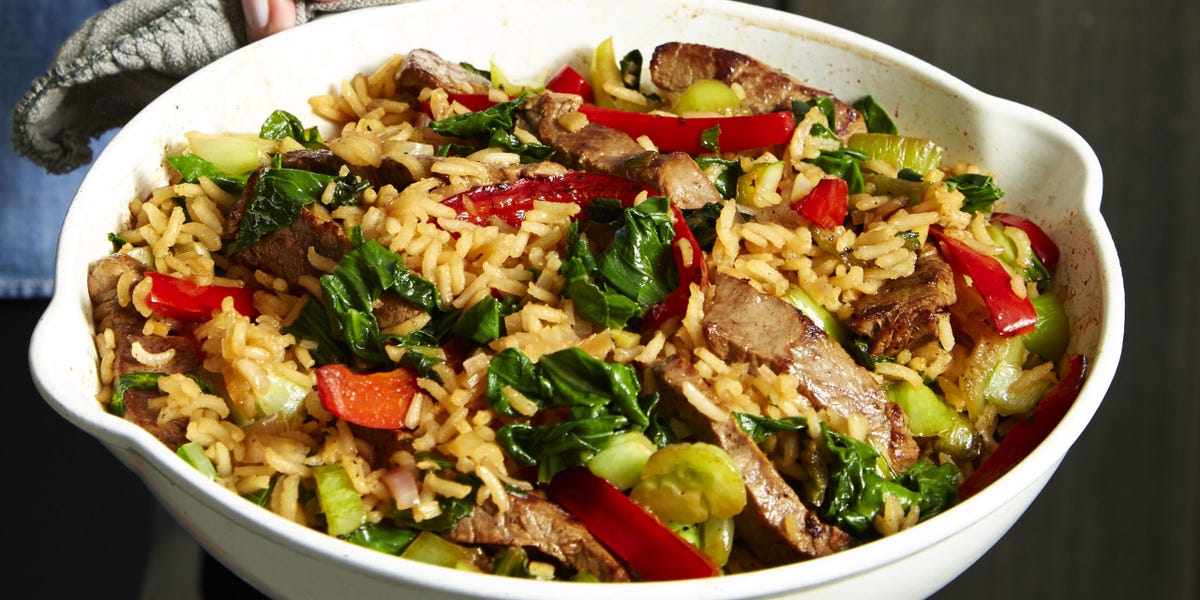
Beef and bok choy fried rice is the weeknight dinner equivalent of finding twenty dollars in a jacket pocket: practical, surprising, and immediately useful. Inspired by the Good Housekeeping-style approach to fast, family-friendly cooking, this dish turns tender beef, crisp bok choy, fragrant ginger, savory soy sauce, and chilled cooked rice into a complete meal that tastes like takeout but behaves like dinner you can actually pull off after a long day.
The beauty of this beef fried rice recipe is its balance. The beef brings richness. The bok choy brings freshness and crunch. The rice soaks up ginger, sesame oil, soy sauce, and rice vinegar like it has been waiting all day for its big moment. And because everything happens in one large skillet or wok, cleanup is not a full-contact sport.
This version keeps the spirit of the classic Beef & Bok Choy Fried Rice recipe while adding extra cooking insight, practical substitutions, meal-prep tips, and the little “why did nobody tell me this sooner?” tricks that make homemade fried rice taste bold, glossy, and satisfying instead of clumpy, pale, and emotionally confusing.
Why Beef and Bok Choy Work So Well in Fried Rice
Beef and bok choy are a natural team because they bring opposite strengths to the pan. Thinly sliced beef cooks quickly and adds deep, savory flavor. Bok choy, a type of Chinese cabbage, has juicy pale stems and tender green leaves, which means one vegetable gives you two textures. The stems stay lightly crisp, while the leaves wilt into the rice and sauce.
In a fried rice recipe, that texture matters. Rice is soft and chewy, beef is tender, and bok choy adds a clean bite that keeps the dish from feeling heavy. The result is hearty but not sleepy, filling but not greasy, and colorful enough to look like you planned dinner rather than negotiated with leftovers.
The Secret to Better Fried Rice: Start With Cold Rice
If there is one rule worth taping to your refrigerator, it is this: cold rice makes better fried rice. Freshly cooked rice is usually too moist and steamy. When it hits a hot pan, it tends to clump together, creating something closer to rice paste than fried rice. Still edible? Sure. Ideal? Absolutely not.
Day-old refrigerated rice has had time to dry slightly, which helps the grains separate in the skillet. That separation is what gives fried rice its signature texture: each grain coated with seasoning, a few lightly crisp edges, and no sad pile of mush. Jasmine rice is especially good here because it is fragrant and sturdy, but long-grain white rice, medium-grain rice, or even brown rice can work.
No leftover rice? Cook rice earlier in the day, spread it in a thin layer on a baking sheet, and chill it uncovered until cool and slightly dry. This shortcut will not magically turn your kitchen into a restaurant wok station, but it will rescue dinner from becoming sticky rice soup.
Ingredients for Beef & Bok Choy Fried Rice
This recipe is flexible, but the following ingredient list gives the best balance of flavor, texture, and weeknight convenience.
Main Ingredients
- 3 cups cooked and chilled rice, preferably day-old
- 1 pound flank steak, sirloin, or thinly sliced beef
- 6 to 8 cups chopped bok choy, stems and leaves separated
- 1 red bell pepper, thinly sliced
- 1 small rib celery, finely chopped
- 2 shallots or 1 small onion, thinly sliced
- 2 cloves garlic, minced
- 1 tablespoon fresh ginger, finely grated or minced
- 2 tablespoons neutral oil, such as avocado, canola, or vegetable oil
- 1 tablespoon toasted sesame oil
- 3 tablespoons low-sodium soy sauce
- 1 tablespoon rice vinegar
- 1 teaspoon honey or brown sugar, optional
- 2 scallions, sliced
- Black pepper or chili crisp, to taste
Optional Add-Ins
- 1 beaten egg, scrambled before adding the rice
- Frozen peas or carrots for extra color
- Toasted sesame seeds for garnish
- A splash of oyster sauce for deeper umami
- Sriracha or chili garlic sauce for heat
How to Make Beef & Bok Choy Fried Rice
Step 1: Slice and Season the Beef
Slice the beef thinly across the grain. This is not just a fancy cooking phrase chefs say while holding enormous knives. Cutting across the grain shortens the muscle fibers, making each bite more tender. Toss the beef with a teaspoon of soy sauce, a little black pepper, and a small drizzle of oil. Let it sit while you prep the vegetables.
Step 2: Prep the Bok Choy Correctly
Rinse bok choy carefully because dirt likes to hide near the base like it owes someone money. Chop the stems and leaves separately. Add the stems first when cooking because they need more time. Add the leaves later so they wilt without turning dull and soggy.
Step 3: Mix the Sauce
In a small bowl, stir together low-sodium soy sauce, rice vinegar, sesame oil, and optional honey or brown sugar. The soy sauce adds salt and depth, the vinegar brightens the dish, and the sesame oil gives that nutty aroma that makes people wander into the kitchen asking, “What are you making?”
Step 4: Sear the Beef
Heat a large wok or wide skillet over medium-high to high heat. Add neutral oil, then cook the beef in a single layer for 1 to 2 minutes per side, just until browned. If your pan is smaller, cook the beef in batches. Crowding the pan causes steaming, and steamed beef in fried rice is not the dream.
Step 5: Cook the Aromatics and Vegetables
Remove the beef to a plate. Add shallots, garlic, and ginger to the pan and stir quickly until fragrant. Add bell pepper, celery, and bok choy stems. Cook for 2 to 3 minutes, stirring often. The vegetables should soften slightly but still keep their snap.
Step 6: Fry the Rice
Add the chilled rice to the pan. Break up clumps with a spatula and spread the rice across the hot surface. Let it sit for a few seconds before tossing so some grains can lightly toast. This is where flavor builds. Stir-fry until the rice is hot, separate, and glossy.
Step 7: Bring Everything Together
Return the beef to the skillet. Add the bok choy leaves and pour in the sauce. Toss everything together until the leaves wilt and the sauce coats the rice evenly. Finish with scallions, sesame seeds, chili crisp, or a final tiny splash of rice vinegar if you like a brighter finish.
Recipe Timing
- Prep time: 15 minutes
- Cook time: 15 minutes
- Total time: About 30 minutes
- Servings: 4
Tips for the Best Beef Fried Rice
Use a Big Pan
Fried rice needs room. A wide skillet or wok gives the rice more contact with the hot surface, which helps it toast instead of steam. If your pan is too small, cook in batches. It feels slightly fussy for two minutes, then rewards you with better texture.
Do Not Over-Sauce
The fastest way to ruin good fried rice is to drown it. Soy sauce should season the rice, not turn it into a salty brown puddle. Start with a moderate amount, toss well, then taste. You can always add more. You cannot politely ask the rice to give it back.
Cook in Layers
Restaurant-style fried rice is not made by dumping everything into a pan at once and hoping for peace. Cook the beef first, then vegetables, then rice, then sauce. Each ingredient gets the heat and attention it needs.
Keep the Heat High
Fried rice loves high heat. It creates better browning, faster cooking, and that lightly smoky flavor people associate with great stir-fry. At home, use the highest heat your pan and stove can manage safely, and keep ingredients moving.
Best Beef Cuts for Fried Rice
Flank steak is a smart choice because it is flavorful, lean, and quick-cooking when sliced thinly. Sirloin is also excellent and often easier to find. Skirt steak works if you slice it carefully against the grain. Ground beef can be used for a faster, budget-friendly version, but it changes the texture and should be fully cooked before adding the rice.
If using leftover steak, add it near the end so it warms through without overcooking. Fried rice is one of the best homes for leftover beef because the sauce and aromatics bring it back to life. Yesterday’s steak becomes tonight’s “I meant to do that.”
Why Bok Choy Makes This Fried Rice Feel Fresh
Bok choy is mild, slightly sweet, and crisp, which makes it ideal for quick skillet meals. It does not dominate the dish the way stronger greens might. Instead, it adds moisture, color, and a clean vegetable flavor that balances the beef and soy sauce.
It is also nutrient-dense, offering vitamins such as C and K, along with minerals and plant compounds found in cruciferous vegetables. That means this fried rice can satisfy a craving for something savory while still bringing real vegetable power to the table. Basically, bok choy is doing the responsible adult work while the sesame oil gets all the applause.
Flavor Variations
Spicy Beef & Bok Choy Fried Rice
Add chili crisp, sliced fresh chiles, or a spoonful of chili garlic sauce when you add the rice. This version is bold, punchy, and excellent with a fried egg on top.
Ginger-Sesame Fried Rice
Double the ginger and finish with extra toasted sesame oil. This variation is fragrant and cozy, especially when paired with flank steak and lots of scallions.
Extra-Vegetable Fried Rice
Add mushrooms, snap peas, shredded carrots, or frozen peas. Just remember to cook watery vegetables first so they do not steam the rice.
Egg-Topped Dinner Bowl
Serve each bowl with a sunny-side-up egg. The yolk becomes a rich sauce, and suddenly dinner looks like something from a café that charges extra for exposed brick.
What to Serve With Beef & Bok Choy Fried Rice
This dish can stand alone as a complete meal, but it also pairs well with cucumber salad, steamed edamame, miso soup, or a simple citrusy slaw. If you want a bigger dinner spread, serve it with dumplings, lettuce cups, or roasted green beans.
For drinks, iced green tea, sparkling water with lime, or a light ginger drink works beautifully. The goal is to keep the sides refreshing because the fried rice already delivers the savory, satisfying main event.
Storage and Food Safety Tips
Fried rice is excellent for leftovers, but rice and beef both deserve proper handling. Cool leftovers quickly, store them in shallow airtight containers, and refrigerate within two hours. Reheat thoroughly until steaming hot. If using ground beef instead of sliced steak, cook it to a safe internal temperature of 160°F. For beef steaks or strips, food-safety guidance commonly recommends 145°F with a rest period.
Leftover rice should not sit at room temperature for long periods. When meal prepping, chill cooked rice promptly in shallow containers. This keeps the texture better and helps reduce food-safety risk. Translation: treat your rice like dinner, not like a decorative counter accessory.
Common Mistakes to Avoid
Using Wet Rice
Wet rice clumps and turns gummy. Use cold, dry rice whenever possible.
Adding Bok Choy Too Early
If you add all the bok choy at once, the leaves may overcook before the stems are tender. Stems first, leaves later.
Overcooking the Beef
Thin beef cooks fast. Sear it quickly, remove it, then return it at the end.
Skipping Aromatics
Ginger, garlic, shallots, and scallions are not decoration. They are the flavor engine.
Experience Notes: What Cooking This Dish Teaches You
The first time you make beef and bok choy fried rice, you may be tempted to treat it like a casual leftover cleanout. And yes, fried rice is forgiving. It will accept half a bell pepper, a lonely scallion, and the last spoonful of rice from the fridge without making a scene. But the dish becomes much better when you stop thinking of it as “leftovers with soy sauce” and start thinking of it as a sequence.
The sequence matters because every ingredient behaves differently. Beef wants quick, aggressive heat. Bok choy stems want a short sauté. Bok choy leaves want barely any time at all. Rice wants space, heat, and enough oil to move freely. Sauce wants to be added near the end so it seasons everything without boiling the rice. Once you understand that rhythm, the dish becomes easier than many supposedly simple dinners.
One useful experience is learning how much rice expands visually in the pan. Three cups of cooked rice may not look dramatic in a bowl, but once it is in a skillet with beef, bok choy, peppers, and aromatics, it becomes a full dinner. This is why a large pan helps so much. A crowded pan makes you stir harder, spill more, and question your life choices. A wide pan gives the ingredients room to fry, which is the whole point.
Another lesson is that bok choy is more versatile than many people expect. It is not just a soup vegetable or a side dish. In fried rice, it acts like a built-in freshness button. The stems bring crunch, the leaves bring color, and the mild flavor lets the ginger and sesame shine. If you usually reach for peas and carrots, bok choy makes the dish feel more grown-up without becoming complicated.
The beef also teaches restraint. It is easy to overcook thin slices because they look like they need more time than they actually do. A quick sear is enough. Once the beef goes back into the hot rice, it continues warming. Pulling it early keeps it tender. This small decision is the difference between juicy bites and the kind of beef that makes your jaw file a complaint.
Finally, this recipe proves that good weeknight cooking is mostly preparation plus confidence. If the rice is chilled, the sauce is mixed, and the vegetables are chopped before the pan gets hot, the actual cooking feels fast and fun. There is sizzling, tossing, and a very satisfying moment when the rice turns glossy and everything smells like dinner has officially arrived. It is the kind of recipe that makes you feel competent, even if ten minutes earlier you were staring into the fridge like it owed you answers.
Conclusion
Beef & Bok Choy Fried Rice is a smart, satisfying meal that checks every weeknight box: quick, flavorful, flexible, and full of texture. It takes inspiration from the Good Housekeeping-style promise of practical home cooking and builds on it with reliable fried rice techniques: cold rice, high heat, layered cooking, fresh aromatics, and balanced sauce.
Whether you make it with flank steak, sirloin, ground beef, or leftover steak, this dish delivers big flavor without making dinner complicated. Bok choy keeps it bright, beef keeps it hearty, and the rice ties everything together like the dependable friend who brought snacks, napkins, and emotional stability.