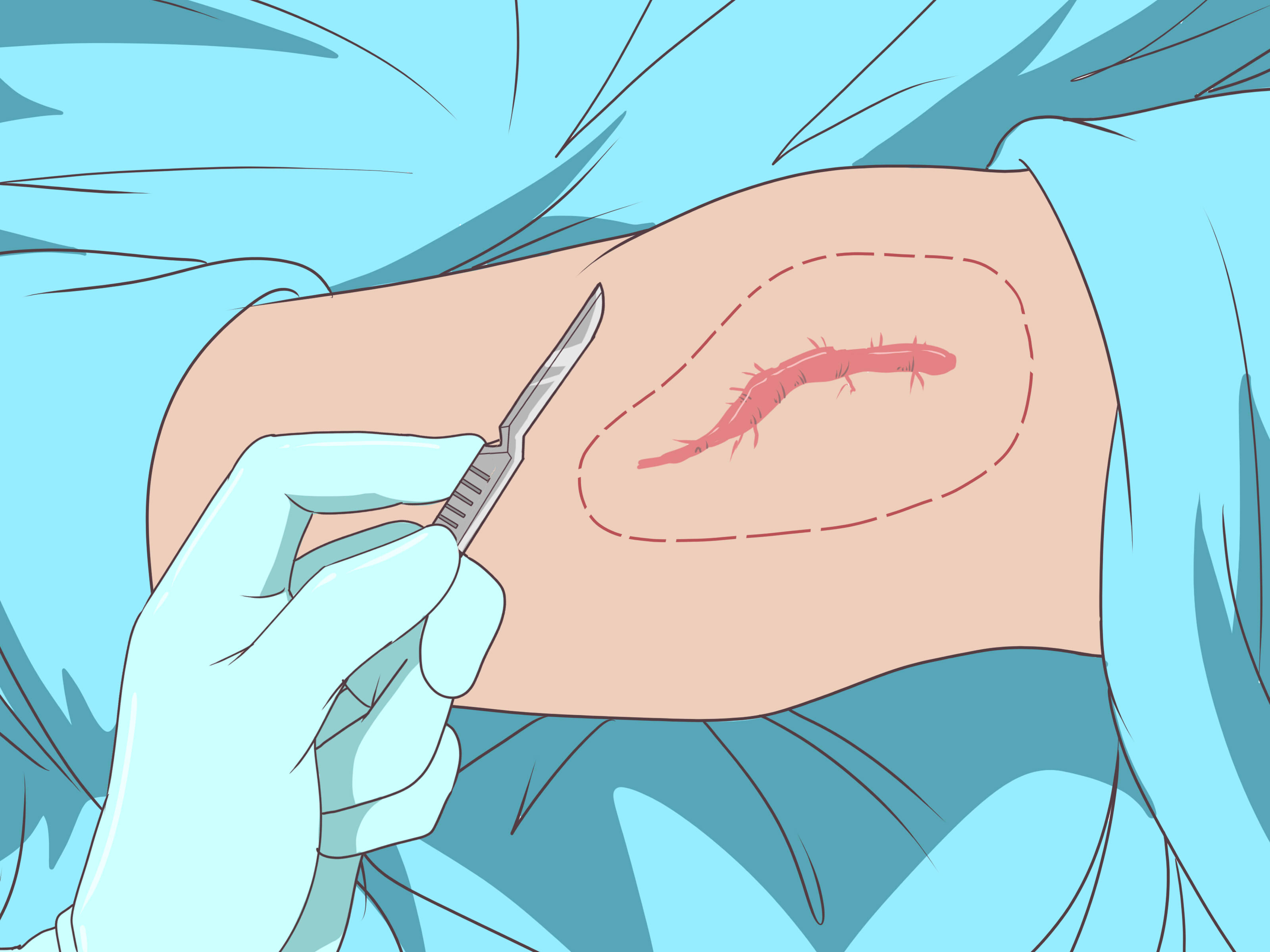
Hypertrophic scars are the overachievers of wound healing. Nobody asked them to show off, but they do anywayrising above the skin, turning pink or red, and hanging around longer than an awkward party guest. The good news is that these scars can often be improved. The honest news is that “healed” usually means flatter, softer, less itchy, and less noticeablenot magically erased like they were never invited in the first place.
If you are dealing with a raised scar after surgery, a burn, acne, a cut, or another skin injury, you are not stuck with guesswork and wishful thinking. There are practical steps that can improve how a hypertrophic scar looks and feels. Some are simple home habits. Others require a dermatologist, plastic surgeon, or wound-care specialist. The trick is knowing what to do, when to do it, and when to stop trusting random internet miracle creams with names that sound like failed superhero sidekicks.
What Is a Hypertrophic Scar?
A hypertrophic scar is a thick, raised scar caused by excess collagen during healing. Unlike a keloid, it stays within the borders of the original wound. That distinction matters. Keloids tend to grow beyond the injury, while hypertrophic scars are more likely to flatten over time and often respond better to treatment.
These scars can feel firm, itchy, tender, tight, or just plain annoying. They commonly develop after surgery, burns, cuts, piercings, or any injury that creates inflammation or tension in the skin. Some people are also more prone to abnormal scarring because of genetics, skin tension, wound depth, delayed healing, or infection.
Before we jump into the 10 steps, here is the most important mindset shift: scar care is usually a marathon, not a microwave. Improvement often happens gradually. That is frustrating, yes, but it is also normal.
How to Heal Hypertrophic Scars: 10 Steps
Step 1: Make Sure It Really Is a Hypertrophic Scar
This sounds obvious, but a surprising number of people treat the wrong thing. A hypertrophic scar is usually raised, firm, and limited to the original injury. If the scar is spreading beyond the wound, growing quickly, bleeding, ulcerating, or becoming severely painful, it may be a keloid or another issue that needs a professional evaluation.
This first step matters because treatment choices change depending on what kind of scar you have. A scar from acne behaves differently from a burn scar. A new red surgical scar is not managed the same way as an old, tight scar that crosses a joint. Get the label right before you go shopping for products with “advanced” in bold letters and no actual plan behind them.
Step 2: Treat the Original Wound Properly
The best scar treatment often starts before the scar fully forms. Good wound care lowers the odds of a scar becoming more raised, darker, or more irritated. Keep the area clean, follow your clinician’s instructions, and avoid picking, scratching, or repeatedly traumatizing the wound. That scab may look tempting, but it is not a scratch-off ticket with a prize underneath.
Moist wound healing is especially important. In many cases, clinicians recommend keeping a healing wound moist with petroleum jelly or another appropriate dressing rather than letting it dry out and crack. A wound that heals efficiently is less likely to become a dramatic, raised scar later.
If you have stitches, staples, a burn, or a surgical incision, follow the exact timeline your clinician gives you. Hypertrophic scars love delayed healing, infection, and unnecessary irritation. Do not give them extra fuel.
Step 3: Start Silicone After the Skin Has Fully Closed
Silicone gel sheets and silicone gels are among the most commonly recommended first-line options for raised scars. They are popular for a reason: they are noninvasive, accessible, and often helpful for flattening, softening, and reducing redness or itch over time.
The key timing detail is this: silicone goes on after the wound has closed, not while the skin is still open. Once the skin surface is healed, silicone can help regulate the scar environment and support better remodeling. Many people use silicone for weeks to months, not days to miracles. Consistency usually matters more than drama.
If sheets irritate your skin or refuse to stay put like a toddler in formal shoes, try silicone gel instead. The product form matters less than using it regularly and correctly.
Step 4: Protect the Scar From the Sun
Sun exposure can make scars darker, more noticeable, and slower to fade. That means scar care without sun protection is a little like brushing your teeth while eating caramel. Technically you are trying, but the results may file a complaint.
Once the skin is healed and your clinician says it is safe, use a broad-spectrum sunscreen with SPF 30 or higher on exposed scars. Clothing, hats, and shade also help. This is especially important during the first several months of healing, when scars are more likely to become discolored.
If your scar is on the face, chest, shoulders, or another sun-prone area, this step can make a visible difference. A scar that is protected from UV exposure often blends in better over time.
Step 5: Use Gentle Scar Massage at the Right Time
Scar massage can help some raised scars feel softer and less tight once the wound is fully healed. It is not a magic trick, and it is definitely not a reason to aggressively knead your skin like pizza dough. Gentle, regular massage is the goal.
In practical terms, many clinicians suggest using a moisturizer and gently massaging the scar for a minute or two, one to three times a day, once healing is far enough along. In some specialist scar programs, longer massage routines are used. The best approach depends on the wound, the body area, and whether your clinician wants you to avoid pressure early on.
Massage is most useful when the scar feels firm, tight, or mildly uncomfortable. If it causes significant pain, repeated redness, or skin breakdown, back off and get advice instead of “powering through.” Scars are not gym memberships. More suffering does not automatically equal better results.
Step 6: Reduce Tension, Friction, and Repeated Irritation
Hypertrophic scars often get worse when a healing area is under tension or constant friction. Think waistbands rubbing a lower-abdomen incision, backpack straps on a shoulder scar, or tight athletic gear repeatedly irritating a healing site.
If possible, reduce pulling on the area while it heals. Wear soft clothing, avoid repetitive friction, and talk with your surgeon or dermatologist about support options if the scar sits over a joint or a high-motion area. In selected casesespecially burn-related scars or scars under specialist carecompression garments may be used to help flatten and soften scar tissue.
This step is not glamorous, but it is often underrated. A scar cannot calm down if every day feels like a small wrestling match.
Step 7: Be Patient, but Track Progress Like a Sensible Detective
Many hypertrophic scars improve naturally over time. They often become flatter, less red, and softer over months. That is the good news. The bad news is that the calendar may feel personally insulting.
Take a photo every two to four weeks in the same lighting. That simple habit helps you notice slow improvement that is easy to miss in the mirror. It also gives your dermatologist something useful to compare if treatment decisions come up later.
Look for changes in height, redness, firmness, itch, and discomfort. Improvement does not always happen in a straight line. A scar may look angrier at six weeks than it does at six months. That can be normal. What matters is the overall trend, not whether Tuesday was emotionally uncooperative.
Step 8: Ask About Steroid Injections for Raised, Itchy, or Painful Scars
If the scar remains thick, itchy, tender, or clearly raised despite good home care, intralesional corticosteroid injections are one of the most common office treatments. These injections are often used to shrink and soften hypertrophic scars and to reduce symptoms such as itch and pain.
Most people who need injections need more than one session. This is not a one-and-done haircut. It is closer to a series. Your clinician may space treatments several weeks apart and may combine them with other therapies if needed.
Possible downsides can include skin thinning, changes in skin color, or recurrence, which is one reason you want an experienced clinician guiding the process. Still, for many stubborn raised scars, steroid injections are a very reasonable next move.
Step 9: Consider Laser Therapy, Cryotherapy, or Combination Treatment
When a hypertrophic scar stays raised, red, or symptomatic, specialists may recommend procedures such as laser therapy or cryotherapy. Laser treatments can help flatten scars, improve texture, reduce redness, and sometimes ease itch. Cryotherapy uses cold to reduce scar tissue and may be more common in scars that behave more like keloids or in combination treatment plans.
Combination therapy is common because scars are stubborn little multitaskers. A scar may be thick, red, itchy, and cosmetically bothersome all at once. That is why a dermatologist might pair steroid injections with laser treatment or use multiple approaches over time.
If your scar affects movement, sits in a highly visible area, or has not responded to basic care, this is the point where a specialist consultation often pays off.
Step 10: Use Surgery Carefully and Only With a Prevention Plan
People are often tempted to think, “Let’s just cut it out and be done.” Sometimes surgery is appropriate, especially when a scar causes tightness, functional problems, or severe cosmetic distress. But surgery alone is not always the happy ending people expect.
A scar forms because skin heals by creating scar tissue. So yes, scar revision can replace one scar with another scarideally a better one. For hypertrophic scars, surgery is often combined with other treatments such as steroid injections, silicone, laser therapy, or pressure strategies to reduce the chance of the scar returning in the same dramatic fashion.
If surgery is being considered, ask three questions: What is the goal, what is the recurrence risk, and what is the prevention plan afterward? If a clinician answers those clearly, you are having the right conversation.
When to See a Dermatologist or Scar Specialist
You should not try to manage every raised scar alone. Make an appointment if:
- the scar is painful, very itchy, or rapidly thickening;
- it crosses a joint or limits movement;
- it keeps getting irritated or inflamed;
- you are not seeing improvement after a few months of consistent care;
- you are not sure whether it is hypertrophic or keloid;
- the scar is causing major emotional distress.
Scar care is not vanity. It can be about comfort, confidence, sleep, mobility, and quality of life. That is a perfectly legitimate reason to get expert help.
Common Mistakes That Make Hypertrophic Scars Harder to Treat
- Starting treatments too early on open skin.
- Ignoring sunscreen once the wound looks “mostly fine.”
- Using harsh products that irritate the area.
- Expecting a cream to work in one week.
- Picking, scratching, or rubbing the scar constantly.
- Assuming surgery alone will fix everything.
- Waiting too long to see a specialist when the scar is clearly worsening.
Real-World Experiences People Often Have With Hypertrophic Scars
One of the most common experiences people describe is panic during the early months. A surgical incision or burn seems to be healing normally, and then suddenly the scar becomes more raised, red, and obvious. That can feel like something is going wrong, even when it is part of the abnormal-but-recognizable pattern of hypertrophic scarring. People often say they expected the scar to get steadily better each week, not become louder before it became quieter. In reality, scar remodeling is messy, and progress rarely behaves like a neat little before-and-after commercial.
Another common experience is frustration with consistency. Silicone sheets sound simple until real life enters the chat. They peel off during exercise, roll at the edges under clothing, collect lint like it is their full-time job, or irritate sensitive skin in hot weather. Many people switch to silicone gel because it fits more easily into daily life. Others do better with sheets at night and gel during the day. The lesson is not that the treatment failed. The lesson is that scar care often works best when it matches an actual human routine instead of a fantasy routine.
People also talk about how emotionally weird scars can be. A scar may be medically harmless but still feel deeply personal. Some people are bothered by the look of it. Others are more bothered by the itch, tightness, or the constant reminder of surgery, injury, acne, or trauma. A scar on the chest or shoulder can make someone rethink clothing. A scar over a joint can make movement feel stiff and irritating. Even when friends say, “It’s not that noticeable,” the person wearing the scar may feel every millimeter of it.
There is also the experience of discovering that treatment is usually layered, not dramatic. A person starts with wound care, then adds silicone, then gets serious about sunscreen, then maybe asks about massage, then finally sees a dermatologist for injections or laser because the scar is still acting like it pays rent. That stepwise process can feel annoyingly slow, but it is often the most realistic path. Many people improve not because of one miracle intervention, but because several smart, boring, evidence-based habits added up over time.
And perhaps the most universal experience is learning patience the hard way. People often look back and realize the scar did improve more than they thought, just slowly enough to test their character. Photos help. So does having a plan. So does hearing the most honest sentence in scar care: better is a worthy goal, even when perfect is off the table. A flatter, softer, less itchy scar that no longer steals your attention every morning is not a small win. It is a real one.
Final Thoughts
If you want to heal a hypertrophic scar, think in phases. First protect the wound. Then use evidence-based scar care once the skin has closed. Then escalate to a specialist if the scar stays raised, itchy, painful, or functionally limiting. The right strategy is rarely flashy, but it is often effective.
In other words: do not wage war on your scar with random products and blind optimism. Use a plan. Give it time. Protect it from the sun. Be consistent with silicone. Get help when needed. That is how raised scars usually become calmer, flatter, and far less bossy.