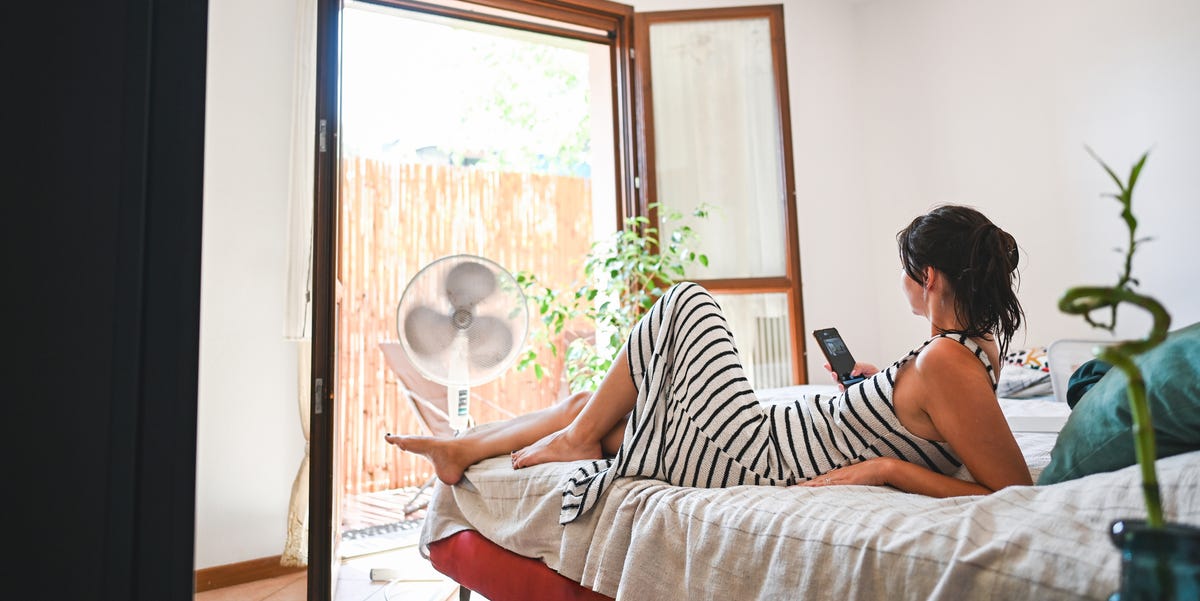
When the weather feels like someone left the oven door open, your brain does not want a dramatic home makeover. It wants iced water, shade, and maybe a tiny fan pointed directly at your face like you are a celebrity on a music video set. Still, hot days have a sneaky way of making clutter feel even worse. A crowded counter looks louder. A stuffed drawer feels more annoying. A messy entryway somehow raises the temperature by five emotional degrees.
The good news: you do not need to reorganize your whole life. You need tiny, low-decision decluttering tasks that give you fast results without requiring heroic energy. Think of this as summer decluttering for people who would rather not stand in a garage, empty a closet, or make 47 sentimental decisions while sweating through a T-shirt.
Below are seven things you can declutter easily when it’s too hot to think. Each one is small, practical, and satisfying enough to make your home feel lighter without turning your afternoon into a survival documentary.
Why Hot Weather Makes Clutter Feel More Overwhelming
Heat changes the way a home feels. A little mess in January may look cozy. The same mess in July can feel like visual static. When rooms are warm, humid, or packed with extra summer gear, your tolerance for piles drops quickly. That is why the best hot-weather decluttering strategy is not “pull everything out and start from scratch.” That is how you end up sitting on the floor surrounded by old chargers, questioning every purchase you made since 2017.
Instead, focus on easy decluttering tasks that involve obvious decisions: trash, expired products, duplicates, uncomfortable clothing, empty containers, and items you already know you do not use. These are the low-hanging fruit of home organization. They do not ask you to define your entire personality. They just ask, “Is this empty sunscreen bottle still helping anyone?” Spoiler: no.
Before you start, set one simple rule: work in short bursts. Ten to twenty minutes is enough. Keep a trash bag, a recycling bag, and a donation box nearby. Drink water, stay cool, and avoid overheated areas like garages, attics, or sheds during peak heat. Decluttering should make your life easier, not turn you into a wilted houseplant.
1. Expired Sunscreen and Summer Body Products
Sunscreen is one of the easiest things to declutter on a hot day because the decision is usually printed right on the bottle. Check the expiration date first. If it is expired, toss it. If there is no expiration date and you cannot remember when you bought it, be cautious. Sunscreen can lose effectiveness over time, especially if it has been stored in a hot car, beach bag, or sunny windowsill.
This category is perfect for a no-brain decluttering session because summer products pile up quickly: half-used sunscreen, bug spray, aloe gel, body mist, travel lotion, lip balm with SPF, and mystery tubes that look like they survived a sandstorm. Gather them in one place and sort them into three groups: keep, toss, and replace.
What to remove immediately
Get rid of expired sunscreen, products that smell strange, bottles with separated or watery texture, empty containers, cracked caps, and anything you avoid using because it feels sticky or irritating. Also declutter duplicate bottles that are almost empty. One good bottle is better than six sad bottles rolling around in a drawer like tiny plastic tumbleweeds.
Once you finish, store the keepers in a cool, easy-to-reach spot. A small summer basket near the door works well for sunscreen, sunglasses, lip balm, and bug spray. The goal is not just to declutter; it is to make future-you less likely to shout, “Where is the sunscreen?” while everyone else waits by the door.
2. The Bathroom Countertop Chaos Crew
The bathroom counter is a clutter magnet. It collects hair ties, skincare samples, toothpaste caps, makeup you meant to try, razors, cotton swabs, deodorant, and at least one object that has no known purpose but has lived there for months. On a hot day, a crowded bathroom feels especially chaotic because it is often the place where you are trying to cool off, wash your face, or pretend humidity is not winning.
Start with one surface only. Do not open every cabinet unless you enjoy turning a five-minute task into a personal renovation project. Clear the countertop, wipe it down, and only return what you use daily. Everything else should go into a drawer, bin, cabinet, or trash.
The “daily use only” rule
Ask one question: “Did I use this in the last week?” If yes, it can stay. If no, it probably does not need prime real estate. Daily-use items might include hand soap, toothbrushes, toothpaste, deodorant, moisturizer, sunscreen, and your everyday hair tool. The fancy serum you use twice a month can live somewhere else. It does not need to be on the counter performing as bathroom décor.
Throw away dried-out mascara, old makeup sponges, empty skincare jars, stretched hair ties, broken clips, and sample packets you keep saving for “travel” even though they have never traveled farther than the drawer. This tiny reset can make the bathroom feel cleaner almost instantly.
3. Fridge Door Extras and Questionable Condiments
Decluttering the fridge sounds like a big job, but the fridge door is a manageable starting point. It is also a smart hot-day task because you can do it quickly without cooking, lifting, or thinking too hard. The fridge door is where condiments go to retire: three mustards, two almost-empty salad dressings, old hot sauce, jam from a holiday breakfast, and a bottle of something labeled “artisan” that nobody in the house will claim.
Take everything out of the door shelves and check dates, smells, textures, and whether anyone actually uses the item. If a bottle has one tablespoon left and nobody has touched it since the last season of your life, let it go. If you have duplicates, combine only when safe and sensible, or simply plan to use the older one first.
Fast fridge-door decluttering checklist
Remove expired condiments, sticky bottles, duplicate sauces, empty jars, old takeout packets, and anything that makes you say, “What even is this?” Wipe the shelves before putting things back. Group similar items together: sauces with sauces, dressings with dressings, spreads with spreads. This makes the fridge easier to use and helps prevent buying a fourth mustard because the first three were hiding behind a pickle jar.
This task is also a quiet money-saver. When you can see what you own, you use more of it and waste less. Plus, opening a tidy fridge on a hot day feels oddly luxurious, like your home briefly became a boutique hotel with better snacks.
4. Paper Piles, Junk Mail, and Receipts You Don’t Need
Paper clutter is sneaky because each piece weighs almost nothing, but together they can make a room feel like an office supply avalanche. Hot days are a great time to attack obvious paper clutter because it usually does not require heavy lifting. You can sit at a table with a cool drink and sort a small stack while feeling productive enough to deserve praise from nearby pets.
Start with one pile only: the mail tray, the kitchen counter stack, the entryway drop zone, or the receipts stuffed into a drawer. Do not attempt every paper in the house. That way lies madness.
Use a simple paper sorting system
Create four categories: recycle, shred, file, and act. Recycle flyers, expired coupons, old envelopes, catalogs you never read, and random school or work papers you no longer need. Shred anything with sensitive personal information. File important documents such as tax papers, insurance information, warranties, and medical paperwork. Put bills, forms, or invitations that need action in one visible spot.
The key is not to create a perfect filing system in one afternoon. The key is to remove the obvious junk. Even clearing ten pieces of paper can make a counter feel calmer. If you find sentimental cards or photos, do not get stuck. Put them in a “memory box” and keep moving. Hot-weather decluttering works best when you do not start reading every birthday card from 2012.
5. Clothes That Are Uncomfortable, Worn Out, or Wrong for Summer
Clothing is often emotionally loaded, but hot-weather clothing clutter can be surprisingly easy. Why? Because summer reveals the truth. If a shirt makes you feel sweaty, itchy, squeezed, or annoyed within five minutes, it is not your friend. It is a textile betrayal.
You do not need to declutter your whole closet. Focus only on summer clothes: T-shirts, shorts, lightweight pants, sundresses, swimsuits, sandals, hats, and workout wear. Pull out anything that is stained, stretched, scratchy, too tight, too loose, damaged, or never chosen. If you skip it every time you get dressed, that is useful data.
The “would I wear this today?” test
Hold up an item and ask, “Would I willingly wear this today in this weather?” If the answer is no because it needs repair, does not fit, feels uncomfortable, or makes you grumpy, decide whether it should be donated, recycled, repaired, or tossed. Be honest. You are not building a museum of past outfits. You are building a closet that helps you get dressed without negotiating with fabric.
Pay special attention to worn-out basics. Old undershirts, socks with holes, faded pajamas, stretched sports bras, and shoes that rub your feet are easy removals. You do not need to keep uncomfortable items just because they technically still exist. Your drawers deserve breathable space, and so do you.
6. Plastic Containers, Lids, and Kitchen Duplicates
Every kitchen has a container zone that slowly becomes a plastic puzzle designed by a mischievous raccoon. There are lids with no containers, containers with no lids, stained leftovers boxes, warped pieces, and one giant lid that appears to belong to a container from another dimension.
This is a great hot-day decluttering task because the decisions are visual and practical. Empty the drawer or cabinet onto the counter. Match lids to containers. Anything without a partner goes. Anything warped, cracked, stained beyond comfort, or unpleasant to use goes. If you own far more containers than you realistically need, keep the best ones and donate or recycle the extras if appropriate.
Keep only what fits your real life
A small household may not need twenty-seven containers. A family that meal-preps may need more. The right number depends on how you cook, store leftovers, pack lunches, and freeze food. The goal is not minimalism for show. The goal is opening the cabinet without being attacked by a lid landslide.
After sorting, nest containers by shape and size. Store lids vertically in a bin or together by type. This makes it easier to grab what you need and easier to spot when the collection starts multiplying again. Kitchen organization does not have to be beautiful enough for a magazine shoot. It just has to stop irritating you before breakfast.
7. The Entryway Drop Zone
The entryway is where outside life crashes into inside life. Shoes, bags, keys, sunglasses, mail, hats, packages, dog leashes, sports gear, and random pocket treasures all land there. In hot weather, the entryway also becomes home to flip-flops, pool bags, reusable water bottles, and sweaty caps. Charming? Not exactly.
Decluttering the entryway gives you a big visual win with very little effort. Start by removing trash: receipts, wrappers, old flyers, broken sunglasses, empty bottles, and packaging. Then return anything that belongs elsewhere. Finally, decide what actually needs to live near the door.
Create a summer-ready landing zone
Keep only the essentials: keys, daily shoes, sunglasses, sunscreen, a hat, a reusable bag, and whatever you truly grab when leaving the house. Use hooks for bags, a small tray for keys, a basket for sandals, and a bin for seasonal items. If the entryway is tiny, be ruthless. A small space cannot hold the emotional weight of every shoe you own.
The entryway sets the tone for the whole home. When it is clear, walking in feels calmer. When it is chaotic, you enter your house and immediately feel like you have homework. A ten-minute reset can make the difference between “Ah, I’m home” and “Why is there a beach towel on the mail?”
How to Declutter When Your Brain Is Melted
When it’s too hot to think, the best decluttering strategy is to reduce decisions before you begin. Pick one category, set a timer, and stop when the timer ends. Do not chase perfection. Do not wander into another room holding one bottle of lotion and accidentally start reorganizing the linen closet. That is how small tasks become household side quests.
Use the “obvious only” rule. Remove only the items that are clearly trash, expired, broken, duplicated, uncomfortable, or unused. Leave emotional items for a cooler day. Nobody needs to decide the fate of family keepsakes while sweating under fluorescent kitchen lights.
Another helpful trick is the “one container limit.” Choose one drawer, one basket, one shelf, one tote, or one countertop. When that area is done, you are done. This creates a clean finish line. It also prevents the classic decluttering mistake of making the house look worse before it looks better.
Finally, make the exit easy. Put donations directly in your car or near the door. Take trash out immediately. Recycle paper the same day. Clutter has a way of returning if it is left in bags labeled “later.” Later is where good intentions go to nap.
Common Mistakes to Avoid During Hot-Weather Decluttering
The biggest mistake is choosing a project that is too physical. Garages, attics, storage units, and outdoor sheds can become dangerously hot, especially during heat waves. Save those spaces for cooler hours or cooler seasons. If you must deal with them, work briefly, hydrate, and avoid the hottest part of the day.
Another mistake is trying to make money from every unwanted item. Selling can be useful, but it also creates a second project: photos, descriptions, messages, pickups, shipping, and follow-ups. On hot days, donate easy items and save selling decisions for higher-value pieces. Your peace is worth something too.
Do not confuse organizing with decluttering. Buying bins before removing clutter often just gives junk a nicer apartment. Declutter first, then decide whether you need storage. In many cases, the drawer works fine once the extra items are gone.
Most importantly, do not judge yourself. Clutter happens because people live, work, eat, rest, buy things, forget things, and occasionally believe they need seven tote bags. A hot day is not the time for guilt. It is the time for small wins, cool drinks, and the satisfying sound of an empty bottle hitting the recycling bin.
Personal Experience: What Actually Works When It’s Too Hot to Think
In real life, the best hot-weather decluttering sessions rarely look impressive at first. They are not dramatic before-and-after transformations with matching labels and a soundtrack. They are small, slightly sweaty victories. One summer afternoon, the easiest win might be throwing away expired sunscreen and discovering that the “beach basket” contains three broken sunglasses, two empty lip balms, and enough sand to start a tiny vacation island.
One of the most useful experiences with this kind of decluttering is learning how powerful a single surface can be. Clearing the bathroom counter, the kitchen island, or the entry table can change the mood of a room faster than organizing a hidden cabinet. It is not because the rest of the home is suddenly perfect. It is because your eyes finally have somewhere calm to land. In hot weather, that visual breathing room matters. A clear counter can feel almost as refreshing as opening the freezer for absolutely no reason.
Another lesson: easy categories beat emotional categories every time. Paperwork from important life events, old photos, childhood items, and gifts from relatives are terrible choices for a hot afternoon. They require memory, guilt management, and sometimes a full emotional committee meeting. Expired condiments, unmatched plastic lids, worn-out socks, and junk mail are much better. They do not argue. They do not make you nostalgic. They just leave.
It also helps to create a tiny ritual. Put on a favorite playlist or podcast, pour a cold drink, and set a timer for fifteen minutes. The timer is important because it gives your brain permission to stop. Without it, decluttering can feel endless. With it, the task becomes a quick mission: rescue one drawer, one shelf, or one surface from chaos. When the timer rings, you can stop proudly, even if the rest of the house still contains mysteries.
One surprisingly effective habit is keeping a donation bag in a closet or laundry area. During hot months, clothes become easier to evaluate because comfort is obvious. If you put on a shirt and immediately want to escape your own outfit, that is a sign. If sandals rub, shorts pinch, or a hat never gets worn, the donation bag is right there. You do not need to schedule a closet cleanout. You simply remove the item at the moment it fails the real-life test.
Kitchen decluttering also becomes easier when you focus on irritation. Which drawer annoys you every time you open it? Which shelf drops something on your foot? Which container never has a lid? Start there. The best decluttering projects are often not the prettiest ones; they are the ones that remove a daily annoyance. A tidy container drawer may not make guests gasp with admiration, but it can make packing leftovers feel 70 percent less ridiculous.
The final experience worth remembering is that small decluttering builds momentum. On a hot day, you may only toss old sunscreen, clear the entryway, and recycle junk mail. That is enough. The home feels lighter, the next task feels easier, and you prove to yourself that progress does not require a perfect mood, perfect weather, or a perfect plan. Sometimes it just requires one trash bag, ten minutes, and the wisdom to avoid the attic until October.
Conclusion: Keep It Cool, Keep It Simple
Decluttering when it’s too hot to think should never feel like a punishment. The secret is choosing tasks that are obvious, quick, and low-emotion. Expired sunscreen, bathroom clutter, fridge-door extras, paper piles, uncomfortable summer clothes, mismatched containers, and entryway messes are all perfect places to start.
These small projects make your home feel calmer without draining your energy. They also help you build a practical habit: declutter in short bursts, remove what is clearly not serving you, and make everyday spaces easier to use. You do not need to become a minimalist, buy matching baskets, or reorganize your entire house while the weather is doing its best impression of soup. You just need one small win at a time.
So grab a cold drink, set a timer, and pick the easiest thing on the list. Your future self will thank you, preferably from a cleaner room with a functioning fan.