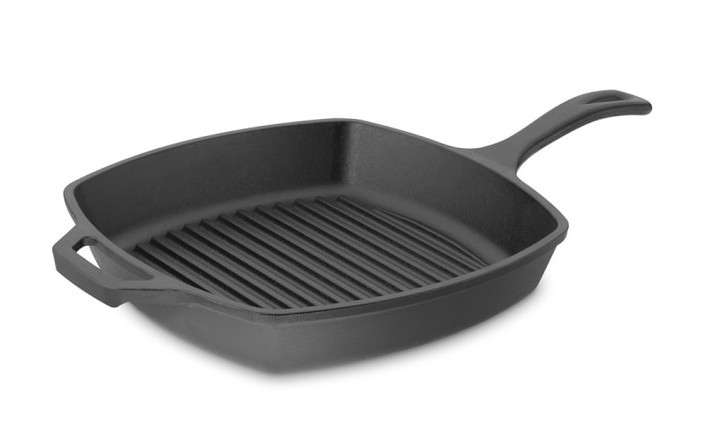
Some kitchen tools enter your life quietly. Others arrive with the energy of a tiny blacksmith, ready to sear steaks, flatten paninis, char zucchini, and make your stovetop feel like it just bought a cabin in the mountains. The Lodge L8SGP3 Pre-Seasoned Cast-Iron Square Grill Pan belongs to the second group. It is rugged, square, heavy, humble, and surprisingly charming for something that looks like it could survive both dinner and a small meteor event.
This 10.5-inch square cast-iron grill pan is designed for home cooks who want grill-style results without firing up an outdoor grill. It brings raised grill ridges, strong heat retention, a naturally seasoned cooking surface, and the dependable simplicity Lodge is known for. It is not a gadget. It does not beep. It does not connect to Wi-Fi. It simply gets hot, stays hot, and makes food look like you tried harder than you actually did.
In this in-depth guide, we will explore what makes the Lodge L8SGP3 worth considering, how it performs, what foods work best in it, how to clean and maintain it, and whether it deserves a spot in your cookware lineup.
What Is the Lodge L8SGP3 Cast-Iron Grill Pan?
The Lodge L8SGP3 is a 10.5-inch pre-seasoned cast-iron square grill pan made for indoor and outdoor cooking. Its square shape gives you more usable cooking space than many round pans of similar diameter, especially when cooking long foods like asparagus, bacon strips, chicken cutlets, or sandwich halves.
The pan features raised ribs across the cooking surface. These ribs lift food slightly above the base of the pan, helping create grill marks while allowing some fat and juices to move away from the food. The result is not identical to cooking over charcoal or open flame, but it gives you a satisfying grilled look and a deeper seared flavor than many standard flat pans can produce.
Key Product Highlights
- Model: Lodge L8SGP3
- Size: 10.5-inch square cooking surface
- Material: Cast iron
- Seasoning: Pre-seasoned with natural vegetable oil
- Design: Raised grill ridges for sear marks and fat drainage
- Compatibility: Stove, oven, grill, campfire, and induction cooktops
- Care: Hand wash, dry thoroughly, and rub lightly with oil
- Best for: Steaks, burgers, chicken, vegetables, paninis, pork chops, and indoor grilling
Why Cast Iron Still Matters in a Modern Kitchen
Modern cookware can be impressively convenient. Nonstick pans are light, stainless steel pans are sleek, and electric appliances promise to make dinner while you stare at your phone and pretend to meal plan. Yet cast iron keeps winning loyal fans because it offers something simple and powerful: heat.
Cast iron is excellent at holding heat once it gets hot. That matters for searing. When you place a cold steak or chicken breast into a weaker pan, the surface temperature can drop quickly, leading to pale meat and sad sizzling noises. With cast iron, the pan stores enough heat to keep the cooking surface aggressive. That helps develop browning, crust, and those dramatic grill marks that make dinner look restaurant-adjacent.
The Lodge L8SGP3 uses this strength well. Preheat it properly, add lightly oiled food, and it can deliver strong sear marks on proteins and vegetables. The pan is especially useful for apartment dwellers, rainy-day grillers, or anyone who wants “cookout energy” without checking a propane tank.
Design and Build Quality
The Lodge L8SGP3 is not delicate cookware. It is built from cast iron, which means it feels substantial in the hand. The weight is part of the appeal and part of the warning label. It is sturdy, durable, and likely to last for years with proper care, but it is not the pan you casually wave around while narrating your cooking like a television chef.
The Square Shape
The square design is practical. Compared with a round skillet, a square grill pan makes better use of burner space and offers corners that help fit more food. Four burger patties, two chicken breasts, several skewers, or a pair of sandwiches can fit more naturally on a square surface.
The shape also makes it easier to arrange vegetables in neat rows. That may sound like a small thing, but when you are trying to keep zucchini slices from forming a chaotic vegetable traffic jam, every inch helps.
The Raised Grill Ridges
The ridges are the star feature. They create contact points between the hot iron and the food, producing sear marks. They also leave shallow channels where juices and fat can collect. This helps food cook with less direct contact in its own liquid than it would in a flat skillet.
However, grill ridges are also why cleaning requires a little patience. Food residue can settle in the grooves, especially after cooking marinated chicken, sugary sauces, or fatty burgers. This is not a deal-breaker, but it does mean the pan rewards cooks who clean it while it is still warm rather than waiting until the next morning, when the residue has emotionally committed to staying.
Pre-Seasoned Surface: Ready to Cook, Better With Use
One of the biggest selling points of the Lodge L8SGP3 is that it comes pre-seasoned. Seasoning is the thin, baked-on layer of oil that protects cast iron and helps create an easy-release cooking surface. Lodge seasons its cast iron before it leaves the foundry, which means the pan is ready to use after a quick rinse and thorough drying.
That said, “pre-seasoned” does not mean “magically nonstick forever.” Cast iron improves with cooking. The more you use it with oils and fats, the more the seasoning develops. At first, eggs and delicate fish may be challenging. Over time, the surface becomes smoother in performance and easier to cook with.
What to Cook First
For the first few uses, choose forgiving foods. Burgers, steaks, pork chops, sausage, chicken thighs, grilled onions, peppers, and paninis are all excellent candidates. These foods bring enough fat or structure to help build seasoning while avoiding the heartbreak of scraping a fragile fillet from the ridges.
Performance: What the Lodge L8SGP3 Does Well
The Lodge L8SGP3 shines when asked to do high-heat cooking. It is especially good for meals where texture matters: crusty steak, charred vegetables, crisp-edged sandwiches, and chicken with strong grill marks.
Steaks and Burgers
Steak is the obvious test. Preheat the pan for several minutes, pat the steak dry, lightly oil the meat rather than flooding the pan, and place it firmly across the ridges. The sizzling should sound confident. If it sounds like polite applause, the pan probably needs more time to heat.
Burgers also work well, though they release a lot of fat. The ridges help create marks, but a burger can still cook in its own juices if the pan gets crowded. For best results, leave space between patties and avoid pressing them too much. Pressing burgers may feel dramatic, but unless you are making smash burgers on a flat surface, it mostly squeezes out moisture.
Chicken and Pork
Chicken breasts, chicken thighs, pork chops, and tenderloin medallions are strong matches for this pan. The key is even thickness. If one side of a chicken breast is tall enough to need its own ZIP code, pound it lightly before cooking. Uniform thickness helps the meat cook evenly and keeps the outside from over-browning before the center is done.
Vegetables
Vegetables are where this pan becomes surprisingly fun. Zucchini, eggplant, asparagus, bell peppers, mushrooms, onions, and corn sections all take well to grill-pan cooking. A light coating of oil, a sprinkle of salt, and a few minutes of contact with hot cast iron can turn simple vegetables into something smoky, sweet, and slightly charred.
Paninis and Toasted Sandwiches
The Lodge L8SGP3 is also great for paninis. You can use a grill press, a second cast-iron skillet, or even a foil-wrapped brick if your kitchen personality leans rustic. The ridges create toasted lines on the bread, while the heat helps melt cheese and warm fillings evenly.
What the Lodge L8SGP3 Does Not Do Perfectly
A good review should not behave like a fan club. The Lodge L8SGP3 is excellent in many ways, but it has limitations.
It Is Heavy
Cast iron is not lightweight. If you have wrist issues or prefer cookware that can be lifted with two fingers and a cheerful attitude, this pan may feel demanding. The helper handle makes movement easier, but you will still want both hands when transferring it from stovetop to oven or sink.
The Handle Gets Hot
The handle is cast iron too, which means it gets very hot during cooking. Always use a dry towel, oven mitt, or silicone handle holder. This is not optional unless you enjoy learning lessons through pain.
Cleaning Takes More Attention Than a Flat Pan
The ridges that create beautiful grill marks also create narrow spaces where food particles can hide. A stiff brush, scraper, chainmail scrubber, or coarse salt can help. The trick is to clean the pan soon after cooking, while residue is easier to remove.
It Does Not Replace an Outdoor Grill
A grill pan can mimic some grilled effects, but it cannot fully replace flame, smoke, and outdoor airflow. You will get sear marks and browning, but you will not get the same smoky barbecue flavor unless you add smoked spices, marinades, or a finishing sauce. Think of it as indoor grilling’s practical cousin, not its identical twin.
How to Use the Lodge L8SGP3 for Best Results
The difference between average grill-pan results and impressive grill-pan results often comes down to technique. Cast iron is simple, but it likes to be treated with respect.
Step 1: Preheat Slowly
Place the pan over medium to medium-high heat and give it time. Cast iron heats gradually, and rushing the process can create uneven hot spots. A proper preheat allows the entire surface to store heat, which leads to better searing.
Step 2: Dry the Food
Moisture is the enemy of browning. Pat meat and vegetables dry before cooking. If food goes into the pan wet, it steams first and sears later, which is basically the culinary version of arriving late to your own party.
Step 3: Oil the Food, Not the Whole Pan
For many recipes, it is better to lightly oil the food instead of pouring oil into the pan. Too much oil collects in the grooves and can smoke. A thin coating helps prevent sticking and encourages browning.
Step 4: Do Not Move Food Too Soon
Give the food time to develop grill marks. If you move it constantly, you will get vague smudges instead of clean lines. Place it down, let it cook, then rotate it if you want a crosshatch pattern.
Cleaning and Care
Caring for the Lodge L8SGP3 is simple, but it is different from tossing a nonstick pan into the dishwasher. The basic rule is: wash, dry, oil.
How to Clean After Cooking
- Let the pan cool slightly, but do not leave it dirty for hours.
- Wash by hand with warm water. A small amount of mild soap is fine if needed.
- Use a brush or scraper to clean between the ridges.
- Dry the pan completely with a towel.
- Warm it briefly on the stove to evaporate hidden moisture.
- Rub a very thin layer of cooking oil over the surface.
Avoid soaking the pan, running it through the dishwasher, or storing it while damp. Rust is not the end of the world, but preventing it is much easier than fixing it.
Who Should Buy the Lodge L8SGP3?
This grill pan is a smart choice for cooks who want a durable, affordable, American-made cast-iron pan for indoor grilling. It is especially useful for people who live in apartments, cook during cold weather, or want a stovetop tool for searing smaller portions.
Best For
- Home cooks who want grill marks without an outdoor grill
- Cast-iron fans who enjoy building seasoning over time
- People who cook steaks, chicken, burgers, vegetables, and sandwiches
- Buyers looking for long-lasting cookware without synthetic nonstick coatings
- Anyone who wants a budget-friendly cast-iron grill pan with proven brand heritage
Not Ideal For
- Cooks who dislike hand-washing cookware
- People who need very lightweight pans
- Anyone expecting true outdoor charcoal flavor indoors
- Those who cook mostly delicate fish, eggs, or thin crepes
Value Compared With Other Grill Pans
The Lodge L8SGP3 stands out because it offers strong performance at a relatively accessible price. Many enameled cast-iron grill pans cost several times more. Those premium pans may offer colorful finishes, easier maintenance, and more refined design details, but the Lodge delivers the core cast-iron benefits: durability, heat retention, versatility, and serious searing power.
Compared with nonstick grill pans, the Lodge is heavier and requires more care. However, it can handle higher heat, works across more cooking environments, and does not rely on a synthetic coating that may wear out. If maintained well, cast iron can become a long-term kitchen companion rather than a pan you replace every few years.
Cooking Ideas for the Lodge L8SGP3
Need ideas beyond steak night? Try these:
- Grilled chicken Caesar wraps: Cook seasoned chicken strips, then slice and wrap with romaine, Parmesan, and Caesar dressing.
- Vegetable fajitas: Grill bell peppers and onions, then serve with tortillas, salsa, and avocado.
- Caprese panini: Press bread with mozzarella, tomato, basil, and pesto.
- Pork chops with apples: Sear pork chops in the grill pan and serve with sautéed apples from a separate skillet.
- Grilled peaches: Lightly oil peach halves, grill cut-side down, and finish with yogurt or ice cream.
- Turkey burgers: Cook over medium-high heat and avoid overcrowding for better browning.
Real-World Experience With the Lodge L8SGP3 Cast-Iron Grill Pan
Using the Lodge L8SGP3 feels a little different from using ordinary cookware. The first thing you notice is the weight. This pan has presence. When you place it on the stovetop, it does not wobble around nervously. It sits there like it owns the burner and has paid property taxes for generations. That stability is reassuring, especially when cooking foods that need firm contact with the ridges.
The best experience starts with patience. If you rush the preheat, the pan will still cook, but the results may be underwhelming. Give it several minutes and the difference becomes obvious. A chicken breast that might look pale in a thin pan develops defined stripes. Zucchini slices pick up dark lines and caramelized edges. A sandwich turns from “warm bread with cheese” into something that looks like it came from a café with Edison bulbs and suspiciously expensive lemonade.
One of the most satisfying uses is steak. A well-dried steak, lightly oiled and seasoned generously, lands on the hot ridges with a dramatic sizzle. The pan holds heat well enough to create a crust, especially if you resist the urge to poke, flip, slide, and generally interfere every seven seconds. Let the pan do its job. Cast iron rewards calm cooks.
Vegetables may be the sleeper hit. Bell peppers soften and blister beautifully. Onion slices become sweet and smoky around the edges. Eggplant takes on grill marks that make it look far fancier than its price tag. Even humble asparagus gets a glow-up. Toss it with olive oil, salt, pepper, and a squeeze of lemon after cooking, and suddenly dinner has side-dish confidence.
Cleaning is where expectations matter. This is not a wipe-and-forget nonstick pan. After cooking marinated meats or cheese-filled sandwiches, bits can cling between the ridges. The easiest routine is to clean while the pan is still warm. Add warm water, loosen residue with a brush or scraper, rinse, dry completely, and rub on a whisper-thin layer of oil. The oil should not look like a puddle. If the pan shines like it is auditioning for a cooking show, wipe off the excess.
Smoke is another practical consideration. Because the Lodge L8SGP3 excels at high heat, fatty foods can smoke if the pan gets too hot or if too much oil collects in the channels. Turn on the range hood, crack a window, and choose oils with appropriate smoke points. Indoor grilling is wonderful, but your smoke alarm may not appreciate being invited to dinner.
Over time, the pan becomes more enjoyable. The seasoning deepens, cleanup gets easier, and you learn its rhythm. You discover which burner setting gives you the best sear, how long chicken needs before it releases naturally, and how much oil is enough. The pan starts as a tool and slowly becomes part of your cooking habits.
The Lodge L8SGP3 is especially satisfying because it is not trying to be luxurious. It is practical, affordable, and tough. It does not need delicate treatment, but it does need basic care. Treat it well and it can become one of those kitchen pieces that feels better with age. It is the kind of pan you might buy for weeknight burgers and end up using for vegetables, sandwiches, pork chops, breakfast sausages, and the occasional “I miss summer” steak in February.
The overall experience is simple: this pan makes everyday food more exciting. It adds texture, visual appeal, and a bit of old-school cooking satisfaction. It asks for patience and gives back flavor. It may not replace your outdoor grill, but it makes a very persuasive argument for staying inside when the weather is bad, the mosquitoes are aggressive, or you simply do not want to negotiate with charcoal.
Final Verdict
The Lodge L8SGP3 Pre-Seasoned Cast-Iron Square Grill Pan is a dependable, affordable, and versatile piece of cookware for anyone who wants indoor grill-style cooking with classic cast-iron durability. Its 10.5-inch square shape is practical, the raised ridges create attractive sear marks, and the pre-seasoned surface makes it beginner-friendly while still rewarding long-term use.
It is not perfect. It is heavy, the handle gets hot, and cleaning the ridges takes more attention than cleaning a flat skillet. But those trade-offs are part of the cast-iron experience. For cooks who value strong heat retention, long-lasting construction, and a pan that can move from stovetop to oven to campfire, the Lodge L8SGP3 is a smart buy.
In short, this pan brings the spirit of the grill indoors without needing propane, patio space, or a heroic battle with lighter fluid. Give it heat, give it care, and it will give you years of seared, striped, flavor-packed meals.