High cholesterol is a little like that drawer in the kitchen where batteries, mystery keys, and old takeout menus go to retire: you may not notice the buildup at first, but eventually it demands attention. The good news is that many cholesterol-friendly habits are surprisingly normal. No need to move to a mountaintop, drink moss smoothies, or declare war on every egg in the refrigerator. Natural remedies for cholesterol usually come down to smarter food choices, more movement, better routines, and knowing when “natural” still needs a doctor’s supervision.
This guide explains the most practical natural ways to support healthier cholesterol levels, especially LDL cholesterol, often called “bad” cholesterol. It also covers HDL cholesterol, triglycerides, supplements, daily meal examples, and realistic lifestyle changes that can actually fit into American lifeyes, even if your schedule is held together by coffee and calendar reminders.
What Cholesterol Does in the Body
Cholesterol is a waxy, fat-like substance your body uses to make cell membranes, hormones, and vitamin D. In other words, cholesterol is not automatically the villain. Your liver makes cholesterol naturally, and you also get some from animal-based foods. The problem starts when cholesterol levels, especially LDL cholesterol, climb too high and contribute to plaque buildup in the arteries.
LDL, HDL, and Triglycerides: The Simple Version
LDL cholesterol carries cholesterol particles through the bloodstream. When there is too much LDL, it can collect in artery walls. HDL cholesterol helps carry cholesterol away from arteries and back to the liver, where it can be processed. Triglycerides are another type of blood fat, often influenced by sugar intake, alcohol, refined carbohydrates, weight, and activity level.
A heart-healthy plan usually aims to lower LDL, support healthy HDL, and reduce high triglycerides. Natural remedies can help, but they work best when they are consistent, measurable, and paired with regular cholesterol checks.
Natural Remedies for Cholesterol That Actually Make Sense
The phrase “natural remedies” can sound like a secret passed down by someone’s great-aunt who owns 47 jars of herbs. But the most reliable natural cholesterol remedies are not mysterious. They are mostly food, movement, weight management, sleep, and quitting tobacco. Simple? Yes. Always easy? Absolutely not. But effective habits rarely need glitter.
1. Eat More Soluble Fiber
Soluble fiber is one of the most useful natural tools for lowering LDL cholesterol. It dissolves in water and forms a gel-like substance in the digestive tract, helping reduce the absorption of cholesterol. Foods rich in soluble fiber include oats, oat bran, barley, beans, lentils, apples, pears, Brussels sprouts, chia seeds, flaxseed, and psyllium.
A practical goal is to include soluble fiber at breakfast and lunch. For example, start the day with oatmeal topped with berries and ground flaxseed. At lunch, add lentils, black beans, or chickpeas to a salad, soup, or grain bowl. This is not a punishment meal. Done right, it is warm, filling, and far more satisfying than a sad desk salad with three lonely cucumber slices.
2. Replace Saturated Fat with Unsaturated Fat
Saturated fat can raise LDL cholesterol in many people. Common sources include butter, full-fat dairy, fatty cuts of meat, processed meats, coconut oil, palm oil, pastries, and many fried foods. The goal is not to live in fear of flavor. The goal is to swap wisely.
Instead of butter, try olive oil or avocado oil. Instead of fatty sausage, choose beans, fish, skinless poultry, or tofu. Instead of full-fat cheese on everything, use a smaller amount of sharper cheese for flavor or add avocado, hummus, roasted vegetables, or herbs. Your sandwich does not need to be boring; it just needs to stop applying for a job as a cholesterol delivery vehicle.
3. Choose Oats, Barley, and Whole Grains
Oats and barley contain beta-glucan, a type of soluble fiber linked with improved cholesterol levels. Whole grains also help with fullness, blood sugar control, digestion, and long-term heart health. Good options include oatmeal, barley, brown rice, quinoa, farro, whole-wheat bread, and high-fiber cereals with low added sugar.
A simple cholesterol-friendly breakfast could be overnight oats with unsweetened Greek yogurt, blueberries, cinnamon, and walnuts. Another option is a warm bowl of barley with sautéed vegetables and a poached egg. If breakfast usually means a drive-thru pastry and a large coffee, even three oat-based breakfasts per week is a meaningful upgrade.
4. Add Beans and Lentils Often
Beans and lentils are inexpensive, filling, rich in fiber, and easy to use in everyday meals. They can replace some animal protein while adding minerals, plant protein, and slow-digesting carbohydrates. Black beans, kidney beans, pinto beans, lentils, split peas, chickpeas, and navy beans are all excellent choices.
Try lentil soup, bean chili, chickpea salad, hummus wraps, black bean tacos, or white beans tossed with olive oil, lemon, garlic, and herbs. If beans make your stomach stage a protest, start with small portions, rinse canned beans well, and increase gradually.
5. Eat Nuts Without Turning the Bag into a Meal
Nuts such as almonds, walnuts, pistachios, and pecans contain unsaturated fats, fiber, plant sterols, and other nutrients that support heart health. The catch is portion size. A small handful is helpful. A cereal bowl full of “just a few more almonds” is a calorie sneak attack wearing a healthy hat.
Use nuts as a topping for oatmeal, yogurt, salad, or roasted vegetables. Walnuts also provide plant-based omega-3 fats. Almonds pair well with fruit for a snack that feels civilized and keeps you away from the vending machine’s neon-orange section.
6. Use Plant Sterols and Stanols
Plant sterols and stanols are natural compounds found in plants that can help reduce cholesterol absorption in the intestine. Some foods are fortified with them, including certain spreads, juices, and yogurts. They are not magic, but they can be useful for people trying to lower LDL cholesterol through diet.
If you use fortified foods, read labels carefully and avoid assuming “added sterols” means the whole product is automatically healthy. A food can have a helpful ingredient and still be packed with sugar, sodium, or calories. Nutrition labels are tiny, but they have big gossip.
7. Eat Fatty Fish for Heart Health
Fatty fish such as salmon, sardines, trout, herring, and mackerel provide omega-3 fatty acids. Omega-3s do not usually lower LDL cholesterol directly, but they can help lower triglycerides and support cardiovascular health. Replacing red or processed meat with fish can also reduce saturated fat intake.
Aim for fish meals that are baked, grilled, or broiled rather than deep-fried. A salmon fillet with roasted vegetables and brown rice is heart-friendly. A fried fish sandwich with extra tartar sauce and fries is technically fish, but your arteries may file a complaint.
8. Try Psyllium Fiber Carefully
Psyllium is a soluble fiber supplement often used to support digestion and cholesterol management. It can be helpful for people who struggle to get enough fiber from food alone. However, it should be taken with plenty of water and separated from certain medications because fiber can affect absorption.
Start slowly. Suddenly adding large amounts of fiber can cause bloating, gas, and regret. A gradual approach gives your digestive system time to adapt without turning your afternoon into a sound effects department.
Lifestyle Habits That Naturally Support Better Cholesterol
Move More, Even Before You Feel “Ready”
Regular physical activity can help lower LDL cholesterol and triglycerides while raising HDL cholesterol. Brisk walking, cycling, swimming, dancing, resistance training, and even active housework can help. The best exercise is the one you can repeat without needing a motivational documentary every time.
A realistic starting plan is 10 minutes of walking after lunch or dinner. Once that feels normal, build toward 30 minutes most days. Add strength training two days a week if possible. Muscle is metabolically active, supports weight management, and helps your body handle blood sugar and fats more efficiently.
Lose a Small Amount of Weight If Needed
If you are carrying extra weight, losing even a modest amount can improve cholesterol, triglycerides, blood pressure, and blood sugar. This does not require extreme dieting. In fact, extreme dieting often ends with a dramatic reunion between you and the snack cabinet.
Focus on habits that naturally reduce excess calories: more vegetables, more protein at meals, fewer sugary drinks, smaller portions of fried foods, and planned snacks. Slow progress is still progress. Your cholesterol does not require a reality-show transformation montage.
Quit Smoking and Avoid Nicotine
Smoking lowers HDL cholesterol and damages blood vessels, making cholesterol problems more dangerous. Quitting tobacco is one of the most powerful heart-health decisions a person can make. It improves circulation, reduces heart disease risk, and supports healthier arteries.
If quitting feels overwhelming, use help. Nicotine replacement, counseling, quitlines, support groups, and prescription options can improve success rates. “I should just tough it out” is not a plan; it is a dramatic speech before the hard part.
Sleep Like Your Heart Has a Vote
Poor sleep can affect weight, appetite, blood sugar, blood pressure, and heart health. Most adults do best with 7 to 9 hours of sleep per night. Better sleep habits include keeping a regular bedtime, limiting late caffeine, reducing screen time before bed, and creating a cool, dark sleeping environment.
Sleep will not replace diet or medication when those are needed, but it helps the entire cholesterol-management system work better. Think of sleep as the quiet crew backstage making sure the show does not collapse.
Natural Supplements: Helpful, Risky, or Overhyped?
Supplements are where cholesterol advice can get messy. Some products have evidence, some have modest effects, and some are mostly expensive hope in capsule form. Always talk with a healthcare professional before using supplements, especially if you take prescription medications, have liver disease, are pregnant, or have a history of muscle problems.
Red Yeast Rice
Red yeast rice can lower cholesterol because some products contain monacolin K, a substance chemically similar to lovastatin, a prescription statin. That is exactly why it deserves caution. The amount of active ingredient can vary widely, and some products may cause side effects or drug interactions similar to statins. “Natural” does not automatically mean “gentle,” “safe,” or “your liver’s new best friend.”
Garlic
Garlic supplements may have a small cholesterol-lowering effect for some people, but the results are modest compared with proven cholesterol-lowering medications and strong lifestyle changes. Cooking with garlic is still a flavorful choice, especially if it helps you use less butter, cream, or salt. Just do not expect garlic bread to become a cardiologist-approved treatment plan because it has garlic in the name.
Green Tea
Green tea may have a small beneficial effect on cholesterol for some people, and unsweetened tea can replace sugary drinks. The key word is unsweetened. Bottled green tea with lots of sugar is not a cholesterol remedy; it is dessert wearing a wellness costume.
Fish Oil
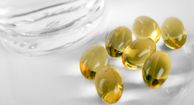
Fish oil supplements can lower triglycerides, especially at higher doses, but they should not be used casually as a replacement for medical care. Prescription omega-3 products are different from over-the-counter supplements. If triglycerides are high, a clinician can help decide whether food changes, alcohol reduction, medication, or prescription omega-3 therapy is appropriate.
Foods to Limit When Lowering Cholesterol Naturally
A cholesterol-friendly diet is not only about adding oats and beans. It also means reducing foods that push numbers in the wrong direction. Limit processed meats such as bacon, sausage, hot dogs, and deli meats. Cut back on butter, heavy cream, full-fat dairy, fried foods, fast food, packaged pastries, and foods made with partially hydrogenated oils.
Also watch refined carbohydrates and added sugars, especially if triglycerides are elevated. Soda, sweet tea, candy, white bread, sweet cereals, and large desserts can raise triglycerides and make weight management harder. You do not have to swear off cake forever. Just stop letting cake appear in your life like an unpaid roommate.
A Simple One-Day Cholesterol-Friendly Meal Plan
Breakfast
Oatmeal topped with blueberries, ground flaxseed, cinnamon, and a small handful of walnuts. Add unsweetened Greek yogurt on the side for protein.
Lunch
Lentil and vegetable soup with a side salad dressed with olive oil and vinegar. Add a slice of whole-grain bread if desired.
Snack
An apple with a tablespoon of peanut butter, or carrots with hummus.
Dinner
Baked salmon or tofu with roasted Brussels sprouts, quinoa, and a mixed green salad. Use herbs, lemon, garlic, and olive oil for flavor.
Drink Options
Water, sparkling water without sugar, unsweetened tea, or black coffee. If alcohol is part of your routine, keep it limited and discuss it with your healthcare provider, especially if triglycerides are high.
When Natural Remedies Are Not Enough
Natural cholesterol remedies can be powerful, but they are not always enough. Some people have genetic cholesterol disorders, diabetes, kidney disease, thyroid problems, or a personal history of heart attack or stroke. In those cases, medication may be necessary even with an excellent lifestyle.
The smartest approach is not “natural versus medication.” It is “what lowers risk safely and effectively?” Many people use both: a heart-healthy lifestyle plus prescribed medicine. Taking medication does not mean you failed. It means your treatment plan has more than one tool in the toolbox.
How to Track Progress Without Guessing
Cholesterol does not usually cause symptoms, so guessing is not useful. Get blood tests as recommended by your healthcare provider. Track LDL cholesterol, HDL cholesterol, total cholesterol, triglycerides, blood pressure, blood sugar, waist measurement, and weight if appropriate.
Give lifestyle changes enough time to work. Many people recheck cholesterol after about three months, depending on medical advice. During that time, keep a simple food and movement log. You do not need a perfect diary. Even a few notes can reveal patterns, such as “I eat more fiber when breakfast is planned” or “I walk more when my shoes are by the door.”
Practical Experiences: What Lowering Cholesterol Naturally Looks Like in Real Life
In real life, natural cholesterol improvement rarely begins with a dramatic announcement. It often starts with a lab result, a raised eyebrow from a doctor, and the uncomfortable realization that “I eat pretty healthy” may include four weekly cheeseburgers and a suspicious amount of ranch dressing. The experience can feel personal, but it is extremely common.
One practical experience many people share is the breakfast shift. Instead of skipping breakfast and arriving at lunch hungry enough to negotiate with a vending machine, they start eating oats, fruit, and nuts several mornings a week. At first, it may feel too simple to matter. But after a few weeks, the routine becomes automatic. Oatmeal stops being “health food” and starts being “the thing that keeps me full until noon.” Add cinnamon, berries, chopped apples, or a spoonful of peanut butter, and suddenly it has personality.
Another common experience is learning that healthy cooking does not mean flavorless cooking. People who grew up thinking vegetables were boiled until they surrendered often discover roasted vegetables. Brussels sprouts, carrots, broccoli, onions, peppers, and sweet potatoes become much more exciting with olive oil, garlic, lemon, paprika, black pepper, or fresh herbs. The cholesterol-friendly kitchen is not a hospital cafeteria. It can smell like garlic, citrus, toasted nuts, and actual joy.
Grocery shopping also changes. At first, reading labels feels like studying for a tiny nutrition exam under fluorescent lights. Over time, patterns become obvious. Foods high in saturated fat, added sugar, and sodium stand out. So do better choices: high-fiber bread, unsweetened yogurt, canned beans, frozen vegetables, tuna or salmon packets, oats, nuts, lentils, and olive oil. The cart slowly becomes less chaotic and more strategic.
Exercise experiences vary widely. Some people fall in love with the gym. Others would rather fold a fitted sheet in a wind tunnel. For many, walking is the easiest entry point. A 10-minute walk after dinner can become 20 minutes. Then hills appear. Then weekend walks. Eventually, the habit becomes less about cholesterol and more about mood, sleep, and having a quiet moment away from screens. That is the hidden bonus of natural remedies: the same habits that support cholesterol often improve the rest of life too.
Social situations can be tricky. Family dinners, office snacks, holidays, and restaurant meals can make cholesterol goals feel like a group project where nobody else read the instructions. The best experience-based strategy is flexibility. Choose grilled instead of fried when possible. Add a vegetable side. Share dessert. Eat slowly. Do not turn one indulgent meal into a three-day festival of “well, I already ruined it.” One meal is just one meal.
Perhaps the most important experience is patience. Cholesterol numbers do not change overnight, and perfection is not required. The people who succeed usually build repeatable habits: fiber most days, fewer saturated fats, regular movement, better sleep, and medical follow-up. They do not rely on a miracle supplement or a two-week detox. They build a lifestyle that is boring in the best possible way: steady, realistic, and effective.
Conclusion
Natural remedies for cholesterol work best when they are practical and evidence-informed. Eat more soluble fiber, choose whole grains, enjoy beans and lentils, replace saturated fats with unsaturated fats, include nuts in reasonable portions, move regularly, sleep well, avoid tobacco, and be cautious with supplements. These habits can help lower LDL cholesterol, improve triglycerides, and support long-term heart health.
Most importantly, do not treat cholesterol like a guessing game. Get tested, know your numbers, and work with a healthcare professional. Natural strategies are powerful, but they are strongest when combined with good medical guidance and realistic daily habits. Your heart does not need perfection. It needs consistency, a little planning, and maybe fewer “emergency” donuts.