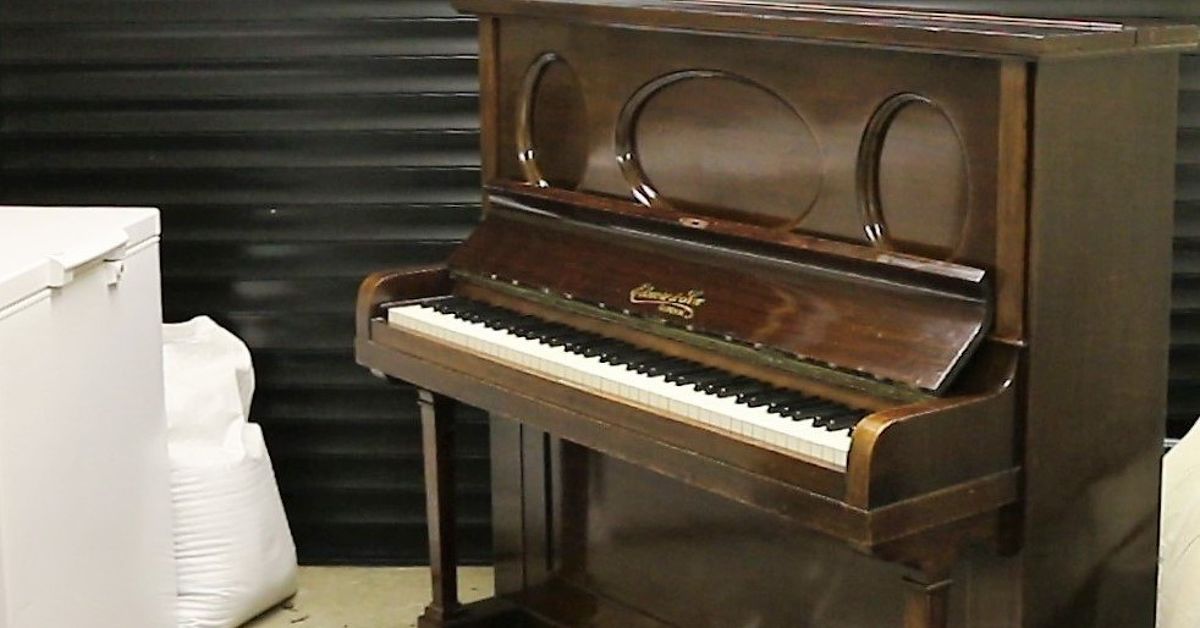
An old piano has a dramatic way of occupying a room. It does not simply “sit” in the corner. It presides. It judges your furniture. It collects family photos, holiday cards, dust, and possibly one mysterious key that nobody remembers breaking. But when a piano can no longer hold a tune, costs too much to repair, or simply does not fit modern life, it does not have to take a final bow at the landfill.
Learning how to repurpose an old piano is one of the most creative ways to preserve craftsmanship, reduce waste, and turn a heavy, sentimental object into something useful again. Whether you own a tired upright, a damaged baby grand, or a family heirloom that has more memories than melodies, there are many practical ways to give it a second life.
This guide explores smart, stylish, and realistic old piano repurposing ideas, from bookshelves and home bars to desks, garden planters, entryway storage, art displays, and music-themed decor. We will also cover safety, planning, material reuse, and when it makes sense to call a professional instead of grabbing a screwdriver and saying, “How hard could this be?” Spoiler: sometimes, very hard.
Why Repurpose an Old Piano Instead of Throwing It Away?
Pianos are built from a mix of wood, metal, felt, wire, keys, hardware, and decorative panels. That makes them beautiful, complicated, and annoyingly difficult to dispose of responsibly. A typical upright piano can weigh several hundred pounds, while larger grands can weigh much more. Moving one without a plan can damage floors, walls, backs, friendships, and, in extreme cases, your belief in gravity.
Repurposing gives you a more thoughtful option. Instead of treating the instrument as junk, you preserve its best features: the carved cabinet, the polished lid, the keyboard, the pedals, the music rack, and the sense of history. Even when the soundboard is cracked or the tuning pins no longer hold, the piano may still have excellent value as furniture, storage, or decor.
There is also an environmental benefit. Reuse is often better than recycling because it keeps the original material in service longer. A repurposed piano bookshelf, desk, or bar prevents a large object from entering the waste stream and reduces the need to buy new furniture. In other words, your piano can stop playing “Für Elise” and start playing “Look at me, I’m sustainable now.”
Before You Start: Decide Whether the Piano Should Be Saved
Before turning an old piano into a coffee bar, bookshelf, or conversation-starting bathroom vanity, pause for one important question: can the instrument still be repaired or donated?
Some old pianos are genuinely worth saving. A well-made instrument from a respected brand, especially one with a solid structure and good tone potential, may deserve an inspection by a registered piano technician. Minor tuning issues, sticky keys, worn felt, or cosmetic damage do not always mean the piano is finished. A professional can tell you whether it is repairable, valuable, or better suited for creative reuse.
However, many older upright pianos have serious problems: cracked soundboards, loose tuning pins, warped bridges, damaged action parts, heavy water damage, or missing internal components. In those cases, restoration can cost more than the instrument is worth. Donation can also be difficult because schools, churches, and nonprofits usually want pianos that are playable, movable, and not older than the building they are being moved into.
If the piano has sentimental value but cannot be restored, repurposing is a beautiful compromise. You keep the story without keeping the maintenance bill.
Safety First: Pianos Are Furniture with Muscles
An old piano may look like a wooden cabinet, but inside it are heavy components and high-tension strings. That means you should approach major disassembly with respect. Do not cut tensioned strings casually, do not remove heavy cast-iron plates without help, and do not assume the small wheels under an upright piano are ready for a heroic trip across your hardwood floor.
For large moves, staircases, tight hallways, or major internal removal, hire piano movers, furniture movers, or an experienced craftsperson. This is not the place to prove your independence with three friends, a borrowed dolly, and motivational yelling. Protect floors, measure doorways, clear the path, and plan where the finished project will live before you begin.
If your piano is very old, inspect the keys carefully. Some antique pianos may have ivory key veneers. If you plan to remove, sell, or transport them, check current rules in your area first. For most home projects, it is simplest to keep original keys attached as decorative elements rather than treating them as loose materials.
Best Ideas to Repurpose an Old Piano
The best piano makeover depends on the type of piano, your available space, your skill level, and how much of the original character you want to keep. Below are some of the most practical and attractive ways to repurpose an old piano.
1. Turn an Upright Piano into a Bookshelf
A piano bookshelf is one of the most popular old piano repurposing ideas because it preserves the upright shape while giving it a useful job. Remove or secure nonfunctional internal parts with professional help if needed, then add shelves inside the cabinet. The original keyboard can remain as a decorative ledge, while the upper panel becomes a display area for books, plants, framed photos, or collectibles.
This project works especially well in living rooms, home offices, music rooms, and reading nooks. Keep the finish original for a vintage look, or paint the cabinet in a soft neutral color for a modern farmhouse style. A dark walnut piano filled with books has instant library energy, even if your reading list is currently 70 percent cookbooks and one novel you swear you will finish soon.
2. Create a Piano Bar or Beverage Station
One of the most stylish ways to repurpose an old upright piano is to convert it into a home bar. The upper section can hold glassware, bottles, mixers, coffee syrups, mugs, or tea tins. The keyboard cover may become a small serving surface, while the lower cabinet can hide storage baskets or mini shelves.
A piano bar fits beautifully in a dining room, basement, covered patio, or entertainment area. Add soft lighting inside the cabinet, a mirror behind the shelves, or brass hooks for mugs and bar tools. The result feels elegant without being too serious. After all, any piece of furniture that once practiced scales for decades has earned the right to hold sparkling water and snacks.
3. Build a Piano Desk or Creative Workstation
If you work from home, an old piano desk can be both functional and inspiring. The wide front of an upright piano creates a strong visual anchor, while the interior can be modified to hold a desktop surface, monitor, keyboard, notebooks, and office supplies.
A piano desk works best when the structure is stable and the height is comfortable. You may need a carpenter to adjust the interior, reinforce the frame, or create a pull-out work surface. Keep the music rack as a document holder, use the top for task lighting, and leave the keys visible for charm. It is hard to feel boring while answering emails at a piano desk. Your inbox may still be chaos, but at least it has ambiance.
4. Make a Garden Planter from an Old Piano
For outdoor lovers, a piano planter can become a showpiece in the garden. Upright pianos can be transformed into vertical planters, while grand pianos can become dramatic raised beds. The cabinet provides height, texture, and a sense of surprise among flowers, herbs, and trailing greenery.
Because pianos are not designed for rain, drainage and weather protection matter. Use liners, sealed containers, or removable planters rather than filling the entire piano body with wet soil. Choose a protected location if possible, such as a covered porch or garden corner with partial shelter. Over time, outdoor pianos will weather, which may be part of the charm. Just understand that nature is not subtle. Given enough rain, sun, and squirrels, nature will redecorate.
5. Convert a Grand Piano into a Table
A damaged grand piano can become a stunning table, especially if the lid, curved rim, and legs are still attractive. Some homeowners use the body as a dining table base, glass-top coffee table, display table, or dramatic entryway piece. The sweeping shape of a grand piano adds movement and elegance that ordinary furniture rarely matches.
This is usually a professional-level project because grands are large, heavy, and structurally complex. A glass top may need custom measurement and safe support. If done well, however, the finished piece can look like functional sculpture. It is the kind of furniture guests notice immediately, right before asking, “Wait, was this actually a piano?”
6. Design an Entryway Bench or Storage Cabinet
An upright piano can be redesigned into an entryway storage unit with hooks, shelves, cubbies, or a small bench. The tall frame gives you room for coats, bags, shoes, umbrellas, and seasonal accessories. The top can hold keys and mail, while the lower section can become hidden storage.
This idea works well for families because it turns a sentimental object into something used every day. Instead of silently collecting dust in the formal living room, the piano becomes part of the household rhythm. It may no longer play music, but it can still prevent a backpack from landing in the middle of the hallway. That is a public service.
7. Use Piano Parts as Wall Art
You do not have to keep the whole piano intact. Individual parts can become meaningful decor. Keys can be framed in shadow boxes. Pedals can be mounted as sculptural accents. Hammers can be arranged in a pattern. Music racks can hold artwork or sheet music. Even the lid or front panel can become a canvas, headboard, or wall-mounted shelf.
This is a smart option when the piano is too damaged to keep as a full cabinet or when space is limited. It also allows several family members to keep a piece of the same heirloom. One person may use the keys in a frame, another may turn the bench into seating, and someone else may keep the carved front panel as wall art. Sentiment successfully divided, family argument avoided.
8. Repurpose the Piano Bench
The piano bench deserves attention too. It can become an entryway seat, vanity stool, plant stand, bedside bench, or storage piece. Many benches already include a lift-up compartment, making them perfect for blankets, sheet music, games, craft supplies, or the remote controls everyone denies losing.
Refinish the bench to match your decor, add a cushion, or paint it as a standalone accent piece. If the piano itself cannot be saved, the bench is often the easiest part to repurpose quickly.
How to Plan a Piano Repurposing Project
Start by deciding what you need most: storage, display, seating, workspace, garden decor, or a statement piece. A piano bar may be beautiful, but if you never entertain, a bookshelf or desk might serve you better. Good upcycling is not just about making something look clever online. It should actually work in your home.
Next, measure everything. Measure the piano, the room, the doorways, the hallways, and the final location. Consider weight, floor support, lighting, outlet access, and traffic flow. A piano desk needs comfortable legroom. A piano bookshelf needs stable shelving. A piano planter needs drainage. A piano bar needs enough depth for bottles, glasses, or coffee supplies.
Then choose a finish. You can preserve the original wood, sand and stain it, paint it, distress it, or combine old and new materials. For a classic look, keep the cabinet dark and polished. For cottage decor, use warm white, sage green, navy, or soft gray. For a modern space, black paint with brass hardware can look sharp and dramatic.
Finally, decide what work should be handled by a professional. Cosmetic painting, decorating, and light shelving may be manageable for confident DIYers. Internal removal, structural changes, glass tops, electrical lighting, and heavy movement are better handled by people with the right tools and experience.
Design Tips for a Beautiful Old Piano Makeover
The secret to a successful piano makeover is balance. Keep enough original detail so the piece still feels like a piano, but add enough function so it does not become a confusing wooden monument. Preserve recognizable features such as the keys, pedals, carved panels, music stand, or curved lid whenever possible.
Use lighting to highlight the interior. LED strip lights, small puck lights, or picture lights can make a piano bar or bookshelf glow beautifully. Choose hardware that matches the age of the piece. Antique brass, matte black, bronze, or glass knobs often work better than shiny modern handles.
Style the finished piece with restraint. A repurposed piano already has personality. You do not need to cover it with seventeen candles, twelve plants, and a ceramic rooster named Gary. A few books, framed photos, greenery, or glassware will let the piano shine without turning it into a flea market traffic jam.
Common Mistakes to Avoid
The first mistake is rushing into demolition. Once you remove original parts, you may not be able to put them back. Take photos, label pieces, and decide what should be preserved before making changes.
The second mistake is ignoring weight. Even after some parts are removed, a piano cabinet can still be heavy and awkward. Plan movement carefully and get help.
The third mistake is choosing a project that does not match your lifestyle. A grand piano table may look amazing, but not if it blocks half the dining room. A piano planter may be charming, but not if you live in a rainy climate and place it directly under a gutter. Design for your real home, not an imaginary magazine house where nobody owns shoes, mail, or charging cables.
The fourth mistake is overpainting valuable wood without checking condition or value. Some antique cabinets have beautiful veneer or craftsmanship. If the finish is salvageable, cleaning and restoring may be better than covering it completely.
Experience Section: What Repurposing an Old Piano Feels Like in Real Life
Repurposing an old piano is not like repainting a small side table on a calm Saturday afternoon. It is more like negotiating with a dignified wooden elephant. The project begins with optimism. You look at the piano and think, “This could be a bookshelf.” Then you try to move it six inches and immediately develop a new respect for 19th-century furniture makers and everyone who has ever worked in logistics.
The first real experience most people have is emotional, not technical. Old pianos usually come with stories. Maybe it belonged to a grandparent. Maybe someone learned their first song on it. Maybe it sat in a childhood living room where every holiday photo was staged beside it. Even if the instrument no longer plays well, it may feel wrong to discard it. That emotional weight can be heavier than the actual piano, and the actual piano is already doing its best impression of a small car.
That is why a good piano repurposing project starts with respect. Clean it slowly. Open the panels and study how it was made. Notice the woodwork, the hinges, the pedals, the music rack, and the keys worn smooth by years of use. These details help you decide what to keep. In many successful projects, the most memorable parts are the original ones: the imperfect finish, the old manufacturer name, the slightly yellowed keys, or the tiny scratches that prove the piano lived a full life before becoming furniture.
There is also a practical learning curve. You may discover that the inside of a piano is dustier than an attic during a sneeze convention. You may find old sheet music, coins, pencils, toy parts, or one extremely judgmental spider. Cleaning takes patience. A soft brush, vacuum with care, microfiber cloths, and gentle wood cleaner can make a huge difference before any design work begins.
Another common experience is changing the plan halfway through. You may begin with the idea of building a piano bar, then realize the cabinet is better suited for bookshelves. Or you may plan a desk but discover the height is awkward, so it becomes an entryway console instead. Flexibility is part of the charm. The piano will tell you what it wants to become, usually after making you measure it three times.
The most rewarding moment comes when the finished piece becomes useful again. A piano bookshelf filled with novels, family photos, and small plants feels alive. A piano bar with warm lights becomes the center of a gathering. A piano desk turns work into something a little more creative. A garden piano planter makes visitors stop, smile, and ask questions. That reaction is part of the reward. Repurposed furniture carries a story that new furniture cannot fake.
The biggest lesson is this: do not aim for perfection. Aim for character, safety, and usefulness. Old pianos have dents, quirks, and stubborn corners. That is exactly why they make memorable upcycling projects. When the job is finished, you are not just looking at a piece of furniture. You are looking at a rescued object with a new purpose, a bit of history, and probably one remaining mystery screw that nobody can identify. Tradition continues, just with better storage.
Conclusion
To repurpose an old piano is to turn an ending into a design opportunity. Not every piano can be restored, tuned, or donated, but many can still serve beautifully as furniture, storage, art, or garden decor. From upright piano bookshelves and home bars to desks, planters, benches, and wall art, the possibilities are wide enough to fit almost any home style.
The key is to plan carefully, respect the instrument, prioritize safety, and preserve the details that make the piano special. When done well, an old piano makeover is more than a DIY project. It is a way to honor craftsmanship, reduce waste, and keep a meaningful object in daily life. The music may stop, but the story keeps playing.
Note: This article is written for web publishing and is based on practical reuse, furniture upcycling, sustainable material management, piano moving safety, and real-world DIY repurposing guidance.