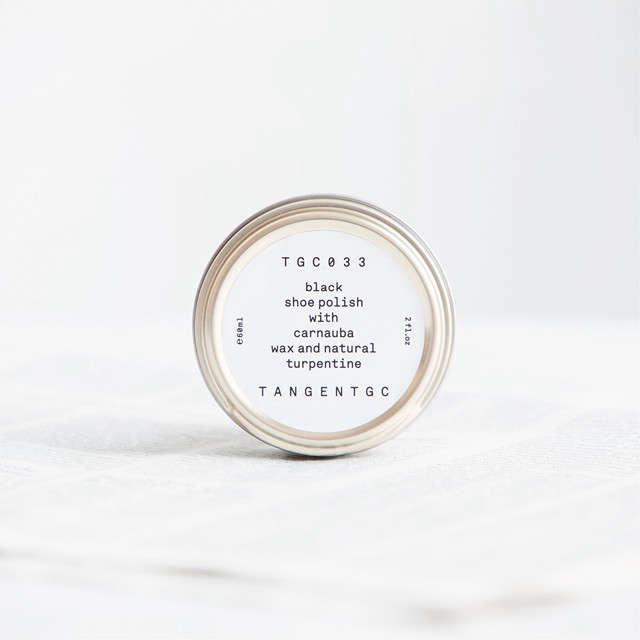
Black leather shoes have a special talent for looking either impressively sharp or mysteriously tired, with very little middle ground. One week they are giving “polished professional.” The next, they are giving “I walked through a parking lot argument with a shopping cart.” That is where Tangent Black Shoe Polish earns its place in the shoe-care cabinet. It is designed to refresh black leather, cover scuff marks, deepen color, and create a clean, lustrous finish without turning shoe care into a full-time hobby.
Tangent GC, often known for carefully made garment and shoe-care products, approaches polish with a simple idea: good leather should last longer, look better with age, and not need a chemistry degree to maintain. Tangent Black Shoe Polish is typically sold in a compact 60 ml tin and is made for black leather shoes, boots, and other smooth leather goods that need color restoration and shine. Its formula is commonly described around natural turpentine, beeswax, carnauba wax, and dye, which gives it the familiar structure of a traditional wax polish: solvent to help spread the product, waxes for shine and protection, and pigment to bring black leather back from the land of sad gray scuffs.
What Is Tangent Black Shoe Polish?
Tangent Black Shoe Polish is a colored leather polish made for smooth black leather footwear. It is not a deep cleaner, not a magic eraser, and not a substitute for repairing cracked leather. Think of it as the finishing stylist for your shoes. After the dirt is gone and the leather is dry, Tangent Black Shoe Polish helps restore visual depth, soften the appearance of scuffs, and add that refined shine that says, “Yes, I do own a brush, and yes, I am emotionally stable enough to use it.”
The black pigment is especially useful on dress shoes, loafers, ankle boots, Chelsea boots, and other black leather footwear that sees regular wear. Black leather tends to show dusty gray scratches, dry-looking creases, dull toe boxes, and faded edges more quickly than many people expect. A good black polish brings the surface back into harmony, making the shoe look intentionally sleek rather than accidentally neglected.
Why Black Shoe Polish Matters
Black shoes are often the backbone of a wardrobe. They go to offices, weddings, funerals, interviews, restaurants, and occasionally that one event where everyone pretends the dress code was obvious. Because black leather is associated with formality and polish, dullness stands out. A scratched brown boot may look rugged. A scratched black oxford usually looks like it lost a tiny battle with a curb.
Shoe polish helps in three major ways. First, it improves appearance by restoring color and shine. Second, it creates a light protective wax layer that helps the surface resist everyday grime. Third, it encourages regular care, which is the real secret behind long-lasting leather shoes. Leather is skin, after all. It dries, flexes, absorbs, creases, and reacts to moisture. A quick polish routine keeps your shoes from looking like they have been emotionally abandoned.
Key Features of Tangent Black Shoe Polish
It Helps Cover Scuff Marks
Scuffs are the tiny insults of daily life. A chair leg, stair edge, bicycle pedal, or office desk can leave pale marks on black leather. Tangent Black Shoe Polish is made to help cover those surface scuffs by adding pigment back into the affected area. It will not rebuild leather that has been deeply gouged, but for ordinary marks and faded spots, it can make a dramatic difference.
It Adds a Lustrous Finish
The presence of waxes such as beeswax and carnauba wax helps create shine. Beeswax is valued in leather care because it can contribute to a smooth, protective surface, while carnauba wax is known for producing a harder, glossier finish. Together, they help black leather catch the light in a clean, elegant way. The result is not necessarily a military mirror shine after one lazy swipe, but with proper application and buffing, the leather can look richly polished.
It Works Best on Smooth Leather
Tangent Black Shoe Polish is intended for smooth leather, not suede, nubuck, mesh, canvas, or synthetic sneaker fabric. Applying wax polish to suede is a classic way to create regret with texture. If your shoes have a soft nap, skip polish and use suede-specific tools instead. For smooth black leather, however, this polish can help restore color and create a handsome surface finish.
It Fits a Minimal Shoe-Care Routine
You do not need fifteen tools and a velvet-lined shoe altar. A practical routine can be built with a horsehair brush, a soft cotton cloth, leather cleaner when needed, conditioner or cream for occasional nourishment, Tangent Black Shoe Polish for color and shine, and a finishing cloth for buffing. That is enough to keep most black leather shoes looking respectable, even if your closet is not exactly a museum of personal discipline.
Tangent Black Shoe Polish Ingredients: Why They Matter
A traditional shoe polish usually combines waxes, solvent, and colorant. Tangent Black Shoe Polish follows that familiar logic. The natural turpentine helps soften and distribute the polish during application. Beeswax helps form a flexible coating and contributes to protection. Carnauba wax supports gloss and durability. Black dye restores color where leather has faded or been scuffed.
This combination makes Tangent Black Shoe Polish more of a wax polish than a cream conditioner. That distinction matters. Cream products are generally better for moisturizing and recoloring leather because they penetrate more easily. Wax polish sits more on the surface, building shine and offering light protection. For the best results, many shoe-care routines use both: conditioner or cream first when the leather feels dry, then wax polish for the final shine.
How to Use Tangent Black Shoe Polish
Step 1: Remove the Laces
Start by removing the laces if your shoes have them. This keeps polish from staining the laces and gives you better access to the tongue and eyelet areas. It also makes the whole process feel more serious, which is half the battle.
Step 2: Brush Away Dust and Dirt
Use a horsehair brush or soft cloth to remove dust, dried mud, and surface debris. Polish should be applied to clean, dry leather. If you rub polish over dirt, you are not caring for your shoes; you are making a tiny mud sandwich.
Step 3: Clean If Needed
If the shoes are genuinely dirty, wipe them with a slightly damp cloth or use a leather cleaner made for smooth leather. Avoid soaking the leather. Too much water can cause stains, stiffness, and shape issues. After cleaning, let the shoes dry naturally at room temperature. Never rush the process with a hair dryer, heater, or direct sun.
Step 4: Condition Dry Leather
If the leather feels dry, stiff, or thirsty-looking, apply a small amount of leather conditioner before polishing. Let it absorb, then buff lightly. This step is especially helpful for older shoes. Wax polish improves the surface, but conditioner supports flexibility. A shiny dry shoe is still a dry shoe, just with better lighting.
Step 5: Apply a Thin Layer of Polish
Wrap a soft cloth around two fingers, pick up a small amount of Tangent Black Shoe Polish, and apply it in small circular motions. Start with less than you think you need. Thin layers are better than thick ones. Too much polish can become sticky, cloudy, or uneven. Focus on the toe, heel, edges, and scuffed zones, then spread lightly across the rest of the shoe for an even finish.
Step 6: Let the Polish Set
Give the polish a few minutes to dry and bond to the surface. This is an excellent time to polish the second shoe, clean your brush, or admire the fact that you are doing something extremely adult and practical.
Step 7: Buff to a Shine
Use a clean horsehair brush to buff the shoe with brisk, even strokes. The shine appears as the wax smooths out and the surface warms slightly from friction. For a higher shine, finish with a clean soft cloth. If you want a more dramatic toe shine, apply additional very thin layers to the toe cap and heel, letting each layer set before buffing.
Common Mistakes to Avoid
Using Too Much Polish
The biggest mistake is applying polish like frosting on a cupcake. Shoe polish works best in thin coats. Heavy application can clog creases, attract dust, and create a dull, uneven finish. A small tin should last a long time because each session uses very little product.
Skipping the Cleaning Step
Polish is not a cleaner. It can disguise minor flaws, but it should not be used over mud, grit, or salt residue. Dirt trapped under wax can scratch the leather during buffing and make the final finish look muddy.
Using Black Polish on Non-Black Leather
This sounds obvious, but shoe-care disasters often begin with optimism. Black polish belongs on black leather. It can permanently darken brown, tan, burgundy, or light-colored shoes. If you are unsure, test the product on a hidden area first.
Applying It to Suede or Nubuck
Do not use Tangent Black Shoe Polish on suede or nubuck. Wax polish will flatten the nap and stain the texture. Suede needs a brush, eraser, and protective spray designed specifically for that material.
Tangent Black Shoe Polish vs. Neutral Polish
Black polish and neutral polish serve different purposes. Black shoe polish adds pigment, making it better for restoring faded black leather and covering visible scuffs. Neutral polish adds shine without adding color, making it useful for shoes where you want to preserve the original tone. On black shoes, neutral polish can maintain shine, but it will not hide gray scratches as effectively as black polish.
If your black leather shoes are in excellent condition, neutral polish may be enough for routine shine. If they have scuffs, faded toes, or tired edges, Tangent Black Shoe Polish is the better choice. For most black leather shoe owners, keeping both a black polish and a neutral polish is not excessive. It is preparedness. Very stylish preparedness.
Tangent Black Shoe Polish vs. Shoe Cream
Shoe cream is usually softer and more conditioning than wax polish. It helps restore color while nourishing the leather. Wax polish, including products like Tangent Black Shoe Polish, is more focused on shine, finish, and surface protection. The two are not enemies. They are coworkers with different job descriptions.
For a full shoe-care routine, use cream or conditioner first when the leather needs nourishment, then use black wax polish to build the final shine. If your shoes are only slightly dull, Tangent Black Shoe Polish alone may be enough. If they are dry, creased, and faded, give them conditioning support before expecting the polish to perform miracles.
Best Shoes to Use It On
Tangent Black Shoe Polish is a good match for black leather oxfords, derbies, loafers, brogues, monk straps, Chelsea boots, dress boots, and smooth leather ankle boots. It is especially helpful for shoes with polished toe caps or formal silhouettes where shine is part of the look.
It can also be used carefully on black leather bags, belts, or accessories, but test first. Some leather goods have special finishes that may react differently to wax or dye. For expensive handbags or delicate designer leather, a professional leather-care specialist may be the safer route.
How Often Should You Polish Black Leather Shoes?
How often you polish depends on wear. If you wear black dress shoes once or twice a week in clean indoor settings, polishing every few weeks may be enough. If you wear them daily, walk outdoors often, or deal with rain, dust, and city sidewalks, a light brushing after each wear and a polish session every one to two weeks can help maintain the finish.
Do not polish just because the calendar says so. Look at the leather. If it appears dull, scuffed, or faded, polish it. If it looks dry, condition it. If it is dusty, brush it. Shoe care is not complicated; it is mostly observation with a cloth.
Storage Tips After Polishing
After polishing, store shoes in a cool, dry area away from direct sunlight. Use shoe trees if possible, especially cedar shoe trees, because they help maintain shape and absorb moisture. Let shoes rest between wears. Leather benefits from recovery time, especially after a long day of walking. A shoe that gets a day off will usually look better and last longer than one forced into service like it owes rent.
Keep the polish tin tightly closed so it does not dry out. Store brushes and cloths separately, especially if you use different colors of polish. A brush loaded with black pigment can accidentally darken lighter shoes. Labeling cloths by color may sound fussy until you ruin tan leather with one enthusiastic black-polish buffing session.
Is Tangent Black Shoe Polish Worth It?
For people who own quality black leather shoes, Tangent Black Shoe Polish is a useful product because it supports the look and longevity of footwear that already deserves care. Cheap shoes can benefit from polish too, but the value becomes more obvious when maintaining well-made leather. A good pair of leather shoes can serve for years when cleaned, conditioned, polished, and stored properly.
The appeal of Tangent Black Shoe Polish is its focused purpose. It is not trying to be a cleaner, conditioner, waterproofing spray, and life coach in one tin. It is a black wax polish for restoring color, covering scuffs, and creating shine. Used correctly, it gives black leather a cleaner, deeper, more finished appearance.
Real-Life Experience With Tangent Black Shoe Polish
Using Tangent Black Shoe Polish feels less like a chore when you treat it as a small ritual rather than emergency damage control. The best experience starts before the polish is even opened. Place the shoes on newspaper or an old towel, remove the laces, and brush away dust. At this stage, the shoes often already look better, which is both encouraging and slightly embarrassing because it proves how much of the problem was just neglect.
The polish itself should be used sparingly. A tiny amount on a soft cloth goes farther than expected. When worked into black leather with circular motions, it begins to blur pale scuffs and revive areas that looked gray or tired. The toe box usually shows the most satisfying change because it catches light easily. On older shoes, the first application may not create a perfect shine immediately, but it can make the leather look noticeably richer and more even.
One practical lesson is to spend extra time on edges and heels. These areas often collect the worst scuffs because they bump into stairs, pedals, chair legs, and other enemies of civilized footwear. A careful touch of black polish along the welt and heel edge can make the entire shoe look cleaner. It is a small detail, but small details are exactly what make polished shoes look expensive.
Another useful experience is learning patience. If you apply polish and instantly start buffing, the finish may look underwhelming. Letting the polish sit for several minutes gives the waxes time to set. Then the brush does its work. A horsehair brush is ideal because it is firm enough to buff but soft enough not to punish the leather. Brisk strokes bring out the shine, and a final pass with a soft cloth gives the surface a smoother glow.
Tangent Black Shoe Polish is especially satisfying on shoes that are not destroyed but simply tired. The product is not meant to perform surgery. It will not close deep cuts, rebuild peeling leather, or reverse years of water damage. But on everyday wear marks, dullness, and faded black leather, it can make shoes look dramatically more presentable. This is why it works well before interviews, formal dinners, weddings, business meetings, and any moment when your shoes might be quietly judging you from below.
The experience also teaches restraint. Too much polish can collect in creases and make the leather look heavy. Thin layers are more elegant. If more shine is needed, build gradually. This is similar to seasoning food: you can always add more, but once you overdo it, everyone knows.
For routine care, Tangent Black Shoe Polish fits nicely into a monthly or biweekly maintenance habit, depending on how often the shoes are worn. Brush after wear, clean when necessary, condition occasionally, and polish when the color or shine fades. That simple rhythm can extend the life of black leather shoes and keep them looking sharp without requiring professional-level shoe-shine skills.
The most rewarding part is the before-and-after effect. A pair of black shoes can go from flat and dusty to deep, clean, and quietly confident in about fifteen minutes. It is one of those rare tasks where the results are immediate and visible. No subscription, no app, no motivational podcast required. Just polish, cloth, brush, and a little attention.
Conclusion
Tangent Black Shoe Polish is a smart choice for anyone who wants black leather shoes to look polished, cared for, and ready for public life. Its wax-based formula helps cover scuffs, restore dark color, and create a lustrous finish on smooth black leather. It works best when used as part of a simple routine: clean first, condition when needed, apply thin layers, let the polish set, and buff thoroughly.
Good shoe care is not about vanity; it is about respect for materials, money, and presentation. Black leather shoes are wardrobe workhorses, and Tangent Black Shoe Polish helps them keep doing the job with style. Whether you are reviving old dress shoes, maintaining boots, or preparing for an important event, this polish offers a practical way to make black leather look sharper and last longer.
Note: Always test shoe polish on a small hidden area before full application, especially on delicate, coated, vintage, or expensive leather.