Asking for a fade haircut sounds simple until you sit in the barber chair and suddenly forget every word you have ever known. Low fade? Mid fade? Skin fade? Taper fade? “Just clean it up” sounds safe, but it can send your barber on a creative journey you did not buy a ticket for.
A great fade is all about communication. The fade haircut is a gradual blend from shorter hair on the sides and back into longer hair above. Done well, it looks sharp, balanced, and effortless. Done without clear instructions, it can turn into a surprise haircut reveal worthy of dramatic music.
The good news: you do not need to speak fluent barber. You only need a few clear terms, a realistic idea of your hair type, and the confidence to explain what you want before the clippers start buzzing. This guide breaks down exactly how to ask for a fade haircut, including 11 practical tips, examples of what to say, and real-world experience to help you leave the barbershop looking like the version of yourself who drinks enough water and answers emails on time.
What Is a Fade Haircut?
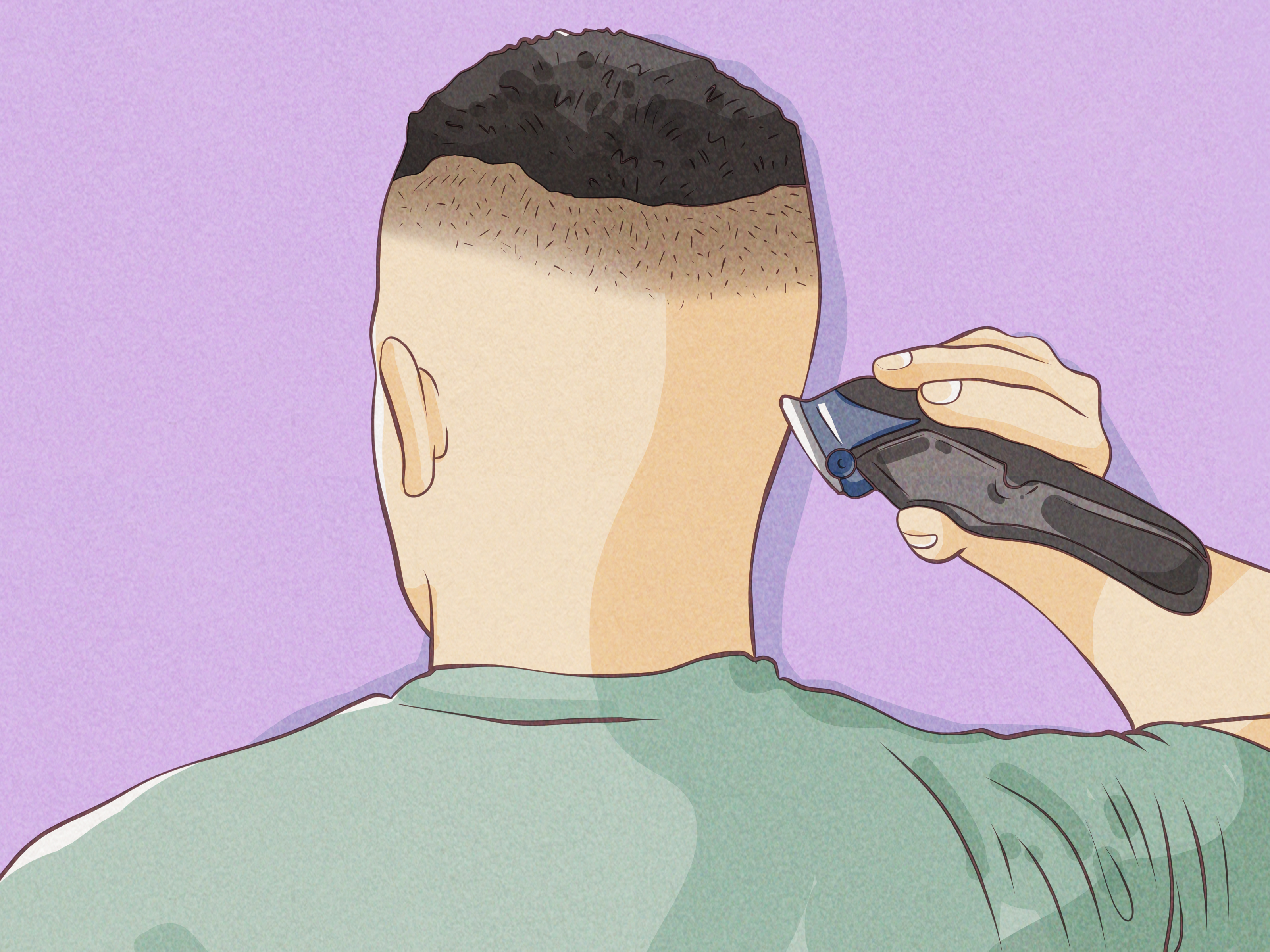
A fade haircut is a style where the hair gradually changes length, usually from very short near the neckline and ears to longer hair higher on the head. The transition should look smooth, not choppy. Think “polished gradient,” not “stairs on the side of your head.”
Fades are popular because they work with many hairstyles on top, including crop cuts, curls, waves, pompadours, crew cuts, comb overs, textured fringes, and buzz cuts. A fade can look classic, modern, bold, subtle, professional, or edgy depending on how high it starts and how short it goes.
Fade vs. Taper: Know the Difference Before You Ask
Many people use “fade” and “taper” like they mean the same thing, but they are not identical. A taper usually keeps the length change more subtle and focuses around the sideburns and neckline. A fade is often more dramatic and can remove much more hair around the sides and back.
For example, if you want a neat office-friendly haircut that grows out softly, ask for a taper or low taper fade. If you want the sides very tight and clean with a visible contrast, ask for a fade. If you want the shortest part shaved down to the skin, ask for a skin fade or bald fade.
How to Ask for a Fade Haircut: 11 Tips for a Perfect Style
1. Bring Reference Photos
The easiest way to explain your ideal fade is to show it. Bring two or three reference photos from different angles: front, side, and back if possible. A photo removes the guesswork and gives your barber a visual target.
Do not just pick a celebrity with great lighting and a jawline carved by Greek architecture. Look for someone with hair texture, density, head shape, and face shape similar to yours. If your hair is curly, show curly fade examples. If your hair is fine and straight, choose photos that match that reality.
Example phrase: “I like how this fade stays low around the ear, but I want the top a little shorter than this photo.”
2. Say Where You Want the Fade to Start
The height of the fade changes the entire look. This is one of the most important details to communicate.
A low fade starts just above the ears and neckline. It is subtle, clean, and easy to wear in professional settings. A mid fade starts around the middle of the sides, giving a balanced, modern look. A high fade starts near the temples and creates strong contrast between the top and sides.
Example phrase: “I want a low fade that starts just above the ear and keeps the sides from looking too bare.”
3. Explain How Short You Want the Fade
Fade height tells your barber where the fade begins. Fade length tells them how short the bottom should be. This is where clipper guard numbers matter.
Clipper guard numbers generally refer to how much hair is left behind. A lower number means a shorter cut. A number 1 is very short, while a number 3 leaves more coverage. A skin fade or bald fade goes down to the skin at the shortest point.
If you are unsure, avoid pretending you know guard numbers like you are taking a barber licensing exam. It is better to describe the result: “short but not skin,” “skin around the ears,” or “dark enough that my scalp does not show too much.”
Example phrase: “Can we start with a number 1 at the bottom and blend up to a 3, but not go all the way to skin?”
4. Be Clear About the Top
A fade is only half the haircut. The hair on top determines the personality of the style. You can have a low fade with a textured crop, a mid fade with curls, a high fade with a pompadour, or a skin fade with a buzz cut.
Tell your barber how much length you want to keep on top and how you style it day to day. Do you push it back? Wear it forward? Part it to the side? Let curls do their own unpaid internship? These details help your barber connect the fade to the top properly.
Example phrase: “Keep about two inches on top, add texture, and leave enough length so I can style it forward.”
5. Decide Between a Skin Fade and a Shadow Fade
A skin fade, also called a bald fade, blends down to bare skin. It looks crisp and dramatic, but it grows out quickly. A shadow fade stays slightly longer at the shortest point, leaving a soft shadow of hair instead of exposed skin.
If you want a sharp weekend-ready style, skin fade may be perfect. If you want something easier to maintain or less intense for work, a shadow fade can be a better choice.
Example phrase: “I want it tight, but not bald. A shadow fade would be better than a skin fade.”
6. Mention Your Hairline and Neckline Preferences
Do not forget the edges. Your hairline, sideburns, and neckline can change the whole finish of the haircut. Some people like a sharp lineup with crisp edges. Others prefer a more natural hairline that does not look overly carved.
For the neckline, you can ask for a natural taper, rounded neckline, squared neckline, or a clean fade into the neck. If your hair grows fast, a natural tapered neckline usually grows out better than a hard blocked line.
Example phrase: “Keep the hairline natural, clean up the sideburns, and taper the neckline so it grows out nicely.”
7. Tell Your Barber About Cowlicks, Scars, or Sensitive Spots
Your barber can work around tricky growth patterns, scars, bumps, thinning areas, and sensitive skin, but only if they know about them. If you have a cowlick that makes your hair stick up like it has strong opinions, mention it before the cut.
If you get irritation after close shaves or razor work, say so. A skin fade can look great, but it may not be worth days of redness or bumps. Your barber can adjust the technique, use clippers instead of a razor, or leave the fade slightly longer.
Example phrase: “My skin gets irritated if it is shaved too close, so please keep the bottom short with clippers instead of a razor.”
8. Ask for the Fade to Match Your Face Shape
The best fade haircut should balance your features. A high fade can make round faces look more structured because it removes width from the sides. A low fade can soften longer faces because it keeps more weight around the lower sides. A mid fade is a flexible option that works for many face shapes.
If you are not sure what suits you, ask your barber for guidance. A skilled barber looks at your head shape, hair growth, density, and daily routine before recommending a fade.
Example phrase: “I like mid fades, but I am open to your recommendation based on my face shape.”
9. Use the Right Styling Words
Words like “clean,” “textured,” “natural,” “sharp,” and “blended” are helpful. Vague words like “cool,” “nice,” or “not weird” are emotionally valid but technically useless.
If you want movement on top, ask for texture. If you want a neat business look, ask for a clean blend and controlled length. If you want bold contrast, ask for a high skin fade. If you want low maintenance, say that directly.
Example phrase: “I want a clean mid fade with texture on top, but nothing too spiky or hard to style.”
10. Ask About Maintenance Before the Cut Is Finished
Fades look freshest during the first one to two weeks, depending on how fast your hair grows. Skin fades usually need more frequent touch-ups because the contrast disappears quickly. Low fades and shadow fades often grow out more softly.
Ask your barber how often you should return and what product to use. Matte clay, styling cream, pomade, curl cream, or sea salt spray may all work depending on your hair type and desired finish.
Example phrase: “How often should I come back to keep this fade looking sharp, and what product would you use on top?”
11. Speak Up During the Haircut
You are allowed to communicate while the haircut is happening. This does not mean micromanaging every clipper pass like a nervous project manager. It simply means checking the length and shape before it is too late.
If your barber asks, “Is this short enough?” give a real answer. If the fade is climbing higher than you expected, politely say something. A good barber would rather adjust during the cut than discover at the end that you silently panicked for 25 minutes.
Example phrase: “That length looks good. Can we keep the fade around this height and not take it higher?”
Best Phrases to Use When Asking for a Fade
Here are a few simple scripts you can use at the barbershop:
For a Low Fade
“I would like a low fade that starts just above the ears. Keep it short on the sides but not bald, and blend it naturally into the top.”
For a Mid Skin Fade
“Can I get a mid skin fade blended into about two inches on top? I style the top forward, so please add some texture.”
For a Professional Fade
“I want a clean, professional fade that is not too dramatic. Maybe a low or mid fade, with enough length on top to comb to the side.”
For Curly Hair
“I want to keep my curls on top but clean up the sides with a low taper fade. Please do not cut too much curl length off the top.”
For a Bold Look
“I want a high skin fade with strong contrast, but keep the top long enough to style with volume.”
Common Fade Haircut Mistakes to Avoid
Asking for “Just a Fade”
This is the haircut version of ordering “food” at a restaurant. A fade has many variations. Always mention height, length, and the top style.
Using Guard Numbers Without Understanding Them
If you ask for a number 0 and did not realize how short that is, you may leave with more scalp exposure than expected. Descriptions and photos are safer than guessing.
Ignoring Your Hair Type
Thick hair, fine hair, curly hair, straight hair, coarse hair, and thinning hair all behave differently. A fade that looks amazing on one person may need adjustments to work for you.
Forgetting About Grow-Out
A skin fade looks incredibly sharp, but it can lose its crispness quickly. If you do not want frequent barber visits, choose a softer fade.
How to Maintain a Fade Haircut at Home
Once you have the perfect fade, maintenance matters. Wash your hair based on your scalp and hair type, not just a random schedule. Oily hair may need more frequent washing, while curly, dry, or textured hair may do better with less frequent shampooing and more conditioning.
Use a small amount of styling product. Too much product can make hair look greasy or stiff. Start with a pea-sized amount, warm it between your hands, and apply from the back forward. You can always add more, but removing too much pomade without showering is a tiny tragedy.
Brush or comb the top into your preferred shape while it is slightly damp. For curly hair, avoid aggressive brushing when dry because it can create frizz. For straight or fine hair, lightweight products usually work better than heavy waxes.
Real-Life Experience: What Actually Helps When Asking for a Fade
After sitting in enough barber chairs, one lesson becomes very clear: the best haircuts usually begin before the cape goes on. The consultation is not small talk. It is the blueprint. A barber may be talented, but they cannot read minds through your sideburns.
One common experience is thinking you asked for a simple low fade, only to realize that “low” can mean different things to different barbers. To one barber, low means barely above the ear. To another, it may creep toward a mid fade. That is why pointing to the exact area with your finger helps. Saying “keep the fade below this point” is much clearer than relying on a label alone.
Another lesson: photos are helpful, but they need explanation. A picture of a perfect fade may show the side, but not the back. It may also show someone with thicker hair, a different head shape, or professional styling. The best approach is to say what you like about the photo. Maybe you like the clean temple area, the soft blend, the textured top, or the way the neckline tapers. This tells your barber what matters most.
Guard numbers can also be tricky. Many people learn the hard way that a number 1 is shorter than expected. If you are trying a fade for the first time, it is smart to start slightly longer. You can always go shorter during the appointment, but you cannot ask the barber to put the hair back unless your barbershop also offers wizard services.
It also helps to be honest about your routine. If you never style your hair in the morning, do not ask for a haircut that requires a blow dryer, round brush, and seven minutes of wrist choreography. Ask for a low-maintenance fade with a top length that works naturally. A great haircut should fit your life, not create a new unpaid job in your bathroom.
For people with curly or wavy hair, the biggest tip is to protect the top length. Curls shrink as they dry, so cutting too much can change the entire shape. Ask your barber to trim curls carefully and preserve volume where you want it. A low taper fade often works beautifully with curls because it cleans the edges without removing the character of the hair.
For people with fine or thinning hair, softer fades usually look more natural than extreme skin fades. A very high skin fade can sometimes make thin areas on top look more obvious because of the contrast. A barber may recommend a low fade, textured crop, or slightly longer shadow fade to create balance.
The final experience-based tip is simple: build a relationship with a good barber. Once a barber understands your hair, preferences, lifestyle, and “please do not make me look like my school ID photo” concerns, every haircut becomes easier. Take note of what worked. If you loved the cut, ask what guards and fade height they used. Save that information in your phone. Future you will be grateful.
Conclusion
Learning how to ask for a fade haircut is really about learning how to describe the style you want with confidence. Bring reference photos, know whether you want a low, mid, or high fade, explain how short the sides should be, and talk about the length and styling on top. The more specific you are, the better your barber can deliver the look you have in mind.
A fade haircut can be clean, bold, subtle, professional, trendy, or low-maintenance. The perfect style depends on your hair type, face shape, lifestyle, and comfort level with upkeep. Start with clear communication, stay realistic, and do not be afraid to ask questions. Your barber is not just cutting hair; they are helping you avoid hat season.