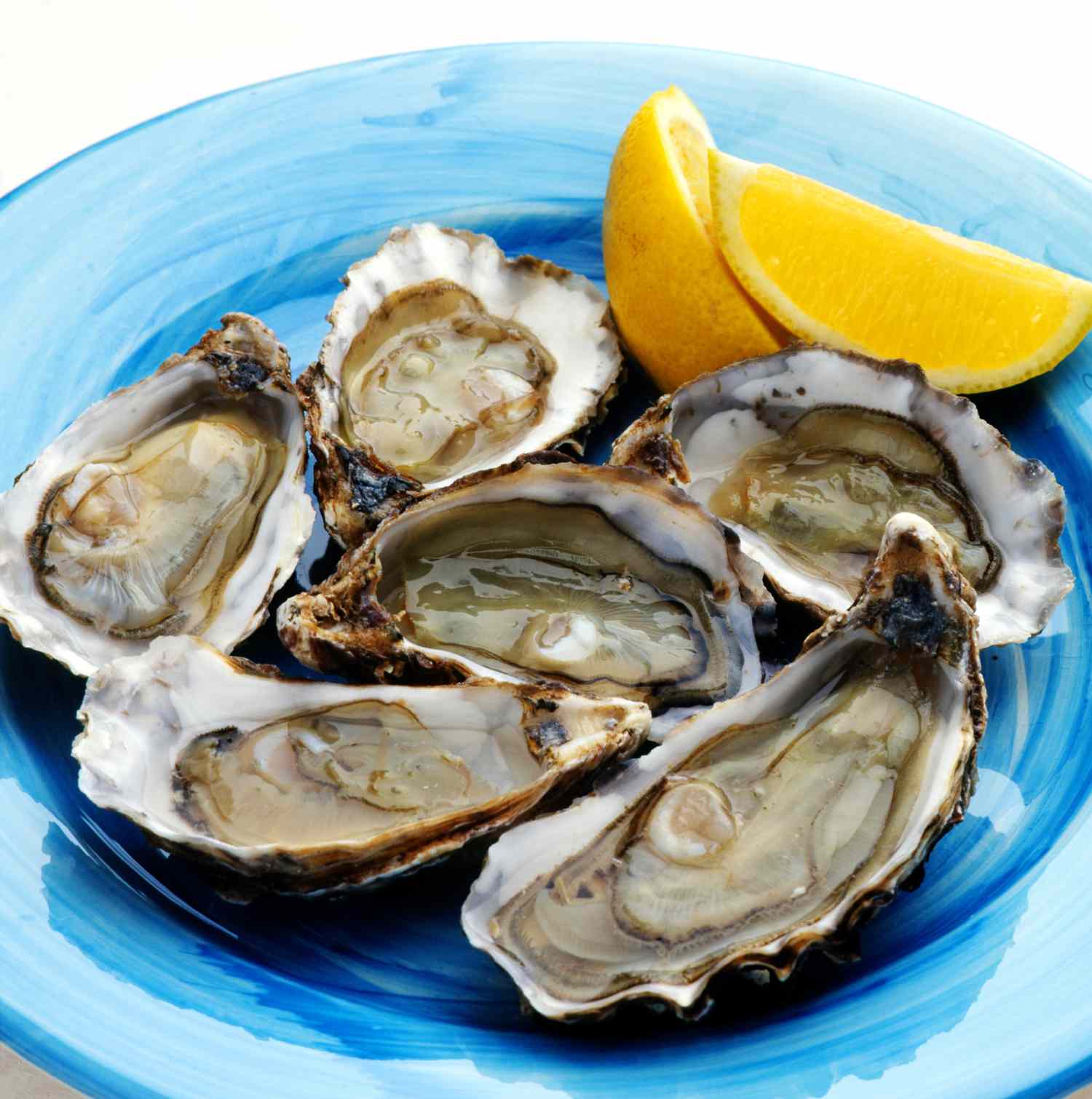
Oysters are tiny ocean treasures with a big personality. One tastes buttery and mild, another snaps with cucumber-like freshness, and another arrives so briny it practically salutes the coast guard. But before you plan a raw bar, grill a dozen for a backyard dinner, or impress guests with your “I totally know what I’m doing” oyster knife confidence, you need to know how to choose and store oysters safely.
Good oyster selection and storage are not just about flavor. Oysters are live shellfish, and that means freshness, temperature, handling, and source matter. Buy wisely, keep them cold, store them correctly, and your oysters can be the star of the table. Handle them carelessly, and they can become a seafood horror story with lemon wedges.
This guide covers how to select fresh oysters, read quality clues, store live oysters at home, handle shucked oysters, avoid common mistakes, and keep food safety front and center without making your kitchen feel like a science lab.
Why Oyster Selection Matters
Oysters are filter feeders, which means they draw water through their bodies and can concentrate flavors from their environment. That is why oysters from different regions taste so different. It is also why buying from a reliable source is essential. A fresh oyster should come from monitored waters, be handled under proper temperature controls, and arrive with clear traceability.
When you choose oysters, you are really choosing three things: quality, safety, and eating experience. The best oyster is not always the biggest one. It is the one that is alive, clean, cold, intact, and suited to how you plan to serve it.
How to Choose Fresh Oysters Like a Pro
Buy From a Reputable Seafood Market
The first rule of oyster selection is simple: buy from a seller who treats seafood like food, not decoration. A reputable fish market, grocery seafood counter, oyster farm, or restaurant supplier should keep oysters cold, organized, and properly tagged. The display should smell clean and ocean-like, not sour, funky, or like yesterday’s low tide got trapped in a gym bag.
Ask when the oysters arrived, where they were harvested, and whether they are intended for raw or cooked use. A knowledgeable seller should be able to answer without looking like you asked them to explain quantum physics.
Look for Shellfish Tags or Labels
Live oysters sold in sacks, boxes, or containers should have shellfish tags. These tags provide important information such as harvest location, harvest date, dealer information, and certification details. Shucked oysters should also have labels on containers.
For home cooks, this matters because shellfish tags help confirm that the oysters came through regulated channels. For restaurants and food service, keeping tags is part of traceability. For everyday shoppers, the big takeaway is this: if nobody can tell you where the oysters came from, choose another seafood counter.
Choose Oysters With Closed, Unbroken Shells
Fresh live oysters should have tightly closed shells. Some may gape slightly, but they should close when tapped. This is often called the “tap test.” If an oyster stays open after a firm tap, it may be dead and should be discarded.
Avoid oysters with cracked, broken, or damaged shells. Cracks can allow bacteria, dirt, or debris to enter. A broken shell also suggests rough handling, and oysters are already dramatic enough without adding trauma.
Check the Weight
A good oyster should feel heavy for its size. That weight often means the oyster still contains its natural liquor, the flavorful briny liquid inside the shell. If an oyster feels unusually light, it may have lost moisture or died.
When comparing oysters of the same variety, pick the ones that feel full and solid in the hand. Lightweight oysters are not always bad, but they deserve extra inspection.
Smell for Fresh Ocean Aroma
Fresh oysters should smell like clean seawater, fresh cucumber, minerals, or a crisp ocean breeze. They should not smell sour, rotten, sulfur-like, or aggressively fishy. The nose is not perfect for detecting every food safety risk, but it is excellent at spotting oysters that have clearly gone wrong.
If the smell makes you step backward, do not try to negotiate with it. Seafood should not require bravery before dinner.
Understanding Oyster Flavor Profiles
Oyster selection is more fun when you understand flavor. Oysters are influenced by salinity, water temperature, algae, minerals, tides, and growing method. This gives each oyster a “merroir,” a seafood version of terroir.
East Coast Oysters
East Coast oysters are often briny, crisp, and mineral-forward. Many have clean, salty finishes that pair beautifully with lemon, mignonette, or nothing at all. They are commonly associated with Atlantic varieties from places like Maine, Massachusetts, Rhode Island, Virginia, and the Chesapeake region.
West Coast Oysters
West Coast oysters can be sweet, creamy, melon-like, or cucumber-like. Some have fluted shells and delicate meats. They are popular for raw bars because their flavor can be bright and elegant, like the oyster wore a linen shirt to dinner.
Gulf Oysters
Gulf oysters are often larger, meatier, and milder. They are excellent for grilling, frying, baking, and stews. If you want a bold cooked oyster dish, Gulf oysters can bring the muscle.
Best Oysters for Raw, Grilled, Fried, and Baked Dishes
For Raw Oysters
Choose smaller to medium oysters with a clean briny flavor and firm texture. Ask for oysters that arrived recently and have been stored cold. Raw oysters should be eaten only by people who understand the risks, because raw or undercooked shellfish can carry harmful bacteria or viruses.
For Grilled Oysters
Medium to large oysters work well on the grill. They should have sturdy shells and enough meat to stand up to heat, butter, herbs, garlic, or spicy sauces. Grilling is also a friendly option for guests who are not ready to slurp oysters raw.
For Fried Oysters
Choose plump shucked oysters or larger live oysters that can be shucked and breaded. Fried oysters need enough body to stay juicy under a crisp coating.
For Oyster Stew or Stuffing
Shucked oysters packed in their own liquor are convenient for stews, casseroles, and holiday stuffing. Look for containers that are cold, sealed, clearly labeled, and within the use-by date.
How to Transport Oysters Home Safely
Oyster care starts before they reach your refrigerator. Keep oysters cold during transport, especially in warm weather. Bring an insulated bag or cooler with ice packs if your trip home will take more than a short drive.
Do not let live oysters sit in melted freshwater ice. Freshwater can kill them. Instead, keep oysters chilled above ice or beside ice packs, allowing drainage so they stay cold but not submerged.
Once home, refrigerate oysters promptly. Seafood should not linger on the counter while you unload groceries, answer texts, or reorganize the spice cabinet for reasons nobody understands.
How to Store Live Oysters at Home
Keep Them Cold
Live oysters should be stored in the refrigerator, ideally at 40°F or below. Use a refrigerator thermometer if you are not sure your fridge is cold enough. The door is usually the warmest area, so place oysters in the coldest stable section, often the lower back area of the refrigerator.
Store Cup Side Down
Place oysters with the deeper, cupped side down. This helps retain the oyster’s natural liquor and keeps the meat moist. The flatter side should face up. Think of the cup side as the oyster’s little bathtub. You want the good stuff to stay inside.
Use an Open Container
Store live oysters in a bowl, tray, colander, roasting pan, or original mesh bag placed inside a container. They need airflow, so do not seal them in an airtight plastic bag or container. Live oysters breathe, and suffocating them is a fast way to turn dinner into compost.
Cover With a Damp Towel
Cover oysters with a clean damp towel or damp paper towels to maintain humidity. The towel should be damp, not dripping wet. Check it daily and re-dampen if needed.
Never Store Oysters in Water
Do not store live oysters in fresh water, salt water, melted ice, or a bowl of water. Freshwater can kill them, and standing water can encourage spoilage or contamination. Oysters like moisture, not a swimming pool in your refrigerator.
How Long Do Fresh Oysters Last?
For best quality, eat live oysters as soon as possible, preferably within 24 to 48 hours of purchase. Some properly handled live oysters may last several days under refrigeration, but flavor and texture are usually best early.
Before serving, inspect each oyster. Discard oysters with broken shells, strong off odors, or shells that remain open after tapping. When in doubt, throw it out. That phrase may not sound glamorous, but it has saved many dinner parties from regret.
How to Store Shucked Oysters
Shucked oysters are oysters removed from the shell and packed in their own liquor. They are convenient, but they should be treated as highly perishable seafood.
Keep Them in Their Liquor
Store shucked oysters in their original container or in a clean sealed container with their oyster liquor. The liquid helps preserve flavor and texture. Do not rinse them before storage, because rinsing can wash away flavor and may affect quality.
Follow the Use-By Date
Always check the container date. Use shucked oysters by the date on the label and keep them refrigerated at 40°F or below. Once opened, use them quickly.
Do Not Freeze Live Oysters in the Shell for Raw Eating
Freezing changes oyster texture and kills live oysters. Frozen oysters can still be used for cooked dishes if handled properly, but they should not be treated like fresh raw-bar oysters after thawing.
Oyster Safety: Who Should Avoid Raw Oysters?
Raw oysters are delicious, but they are not risk-free. People with weakened immune systems, liver disease, diabetes, cancer, stomach disorders, or other serious health conditions should avoid raw or undercooked oysters. Pregnant people, older adults, and young children should also be cautious and choose fully cooked oysters.
Cooking oysters properly reduces the risk of harmful bacteria and viruses. If you are serving a group, offer cooked options so everyone can enjoy the meal safely. A bubbling tray of grilled oysters with garlic butter has never ruined a party.
How to Tell If an Oyster Has Gone Bad
Knowing when to reject an oyster is just as important as knowing how to choose one. Discard oysters that show any of these signs:
- Shell is cracked, broken, or badly damaged
- Shell remains open after tapping
- Oyster feels unusually light or dry
- Strong sour, rotten, or unpleasant odor
- Meat looks dry, shriveled, or discolored
- Oyster liquor appears cloudy in an unusual or suspicious way
A fresh oyster should look plump and moist once opened. The liquor should smell clean and briny. If you hesitate because something seems off, listen to that instinct. Your nose and common sense are useful kitchen tools.
Common Oyster Storage Mistakes
Sealing Live Oysters in Plastic
Airtight storage is one of the most common mistakes. Live oysters need airflow. Store them loosely covered, not sealed like leftovers.
Putting Oysters Directly on Ice
Ice can be helpful for transport or serving, but live oysters should not sit in melted freshwater. If using ice, keep oysters above the meltwater with drainage.
Waiting Too Long to Eat Them
Even well-stored oysters lose quality over time. Plan your oyster purchase close to the day you want to serve them.
Skipping the Final Inspection
Always check oysters before shucking, cooking, or serving. Storage does not replace inspection.
Serving Tips for Better Flavor
Serve raw oysters cold on crushed ice, with the cup side down to keep the liquor in place. Classic toppings include lemon wedges, cocktail sauce, horseradish, and mignonette. For a cleaner tasting experience, try the first oyster plain. This lets you notice its natural salinity, sweetness, texture, and finish.
If cooking oysters, keep the preparation simple at first. Butter, garlic, herbs, hot sauce, breadcrumbs, and Parmesan all work well, but oysters do not need to be buried under a cheese landslide to taste good.
Quick Oyster Selection Checklist
- Buy from a reputable seafood source.
- Look for shellfish tags or labels.
- Choose oysters with closed, intact shells.
- Use the tap test for slightly open oysters.
- Select oysters that feel heavy for their size.
- Look for a clean ocean smell.
- Keep oysters cold during transport.
- Store live oysters cup side down in an open container.
- Cover with a damp towel and refrigerate.
- Do not store live oysters in water or airtight containers.
Experiences and Practical Lessons From Handling Oysters
The first time many home cooks buy oysters, they focus on the dramatic part: shucking. The knife, the towel, the twist, the satisfying pop of the hingeit all feels like a seafood magic trick. But experienced oyster lovers know the real success starts earlier, at the seafood counter and in the refrigerator.
One practical lesson is to shop with a plan. If you want oysters for Saturday night, do not buy them on Tuesday just because they looked charming in the case. Oysters are best when purchased close to serving time. The flavor is brighter, the texture is firmer, and you spend less time worrying about whether they are still lively. Fresh oysters are not pantry items. They are guests with a short attention span.
Another useful habit is to ask questions before buying. A good seafood seller should know the harvest area, arrival date, flavor profile, and best use. If you say, “I want oysters for grilling,” they may steer you toward larger, meatier options. If you say, “I want a clean, briny raw oyster for beginners,” they may suggest a smaller, milder variety. This is much better than choosing by shell size alone, which is like buying shoes based only on box color.
At home, setup makes storage easier. Place a shallow tray or bowl in the refrigerator before the oysters arrive. Add the oysters cup side down, cover them with a damp towel, and make sure they are not sitting in water. If you store them in a mesh bag, place the bag in a bowl or tray to catch drips while still allowing air circulation. This small system prevents mess and keeps the oysters in better condition.
Before shucking, give the oysters a quick scrub under cold running water to remove grit from the shells. Do this close to serving time, not days earlier. A stiff brush is helpful, especially for muddy shells. Clean shells reduce the chance of pushing grit into the oyster when opening it. Nobody wants a beautiful oyster with the texture of driveway gravel.
When serving oysters to guests, offer variety but keep the first platter simple. Label the oysters by region if you can. Encourage people to taste them plain before adding sauces. Many beginners are surprised by how different oysters can be: one may taste salty and sharp, another creamy and sweet, another mineral-rich and clean. That discovery is half the fun.
For parties, keep food safety visible but relaxed. Put oysters out in small batches instead of leaving a mountain of shellfish on the table for hours. Keep the rest refrigerated until needed. Use clean utensils, provide a discard bowl for shells, and keep raw oyster juices away from other foods. It is not fussy; it is just smart hosting.
Finally, learn to be ruthless about discarding questionable oysters. It may feel wasteful to throw one away, especially when oysters are not exactly bargain-bin snacks. But one bad oyster is not worth the risk. A safe oyster night ends with happy guests, empty shells, and someone saying, “We should do this again.” That is the goal: delicious, confident, safe oyster enjoyment without turning your kitchen into a seafood gamble.
Conclusion
Choosing and storing oysters well is a mix of common sense, food safety, and appreciation for freshness. Buy from trusted sources, look for tags, select closed and heavy shells, keep oysters cold, store them cup side down under a damp towel, and never seal them in airtight containers or soak them in water. Whether you love raw oysters, grilled oysters, fried oysters, or a cozy oyster stew, better handling leads to better flavor and safer meals.
Note: This article is for general food-handling education. People at higher risk for foodborne illness should choose fully cooked oysters and follow guidance from qualified health professionals and local food safety authorities.