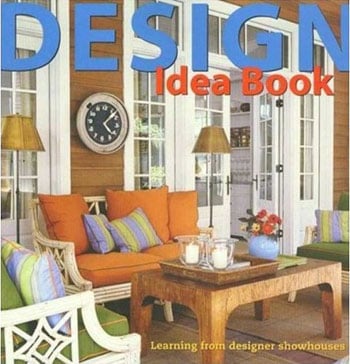
If the internet is a design espresso shot, decorating books are the slow Sunday breakfast. They give you room to think, compare, daydream, and occasionally mutter, “Oh, so that’s why my lamp looks like it’s being punished in that corner.” The best home decorating and design books do more than show pretty rooms. They teach proportion, color, mood, editing, and the slightly mysterious art of making a house feel collected instead of randomly assembled between midnight cart checkouts.
That is why favorite home decorating books still matter. Some are practical manuals that help you measure, arrange, and troubleshoot. Others are visual feasts that sharpen your eye. The smartest ones do both: they inspire you, then quietly save you from buying a sofa the size of a small yacht. Below is a curated shelf of standout titles that repeatedly earn praise from design editors, stylists, and serious home enthusiasts. Together, they form a well-rounded design library for anyone who wants a home with beauty, personality, and actual places to sit.
Why Decorating Books Still Earn Their Space on the Shelf
Design books work differently from social media. Online inspiration is fast, flashy, and often detached from reality. A decorating book usually has a point of view. It shows how rooms connect, how materials repeat, how color travels from one corner to another, and how a home can feel personal instead of staged for a five-second scroll. Books also slow you down enough to notice why one room feels peaceful and another feels like a furniture showroom with trust issues.
The strongest interior design books also tend to fall into three useful categories: classics that teach foundational principles, practical guides that help you decorate your own home, and image-rich books that expand your taste. A smart design library includes all three.
Favorite Home Decorating & Design Books Worth Owning
1. The Decoration of Houses by Edith Wharton and Ogden Codman Jr.
If you want to start at the roots, start here. This classic remains one of the most important decorating books because it focuses on proportion, architecture, order, and restraint rather than fads. Its central lesson is still refreshing: a room should be planned as a coherent space, not treated like a storage unit for decorative impulses. Even now, that idea feels radical. This is the book for readers who want to understand why good rooms feel calm and why cluttered rooms can feel exhausted before anyone even sits down.
2. Billy Baldwin Decorates by Billy Baldwin
Billy Baldwin had a gift for making elegance look comfortable. That may sound obvious, but design history is full of rooms that look expensive and somehow still seem hostile to human life. Baldwin’s work champions livability, tailored comfort, clean lines, and rooms that feel polished without becoming stiff. This is one of the best decorating books for people who love classic American style but do not want their home to feel trapped under glass.
3. Mark Hampton on Decorating by Mark Hampton
This book is beloved for good reason: it is intelligent, warm, opinionated, and deeply useful. Hampton writes like the smartest person at the table who is also willing to tell you where the table should go. He covers rooms, color, furniture, and decorative judgment with humor and clarity. If many modern decorating books are mood boards with captions, this one is a real conversation. It helps readers build taste, not just copy looks.
4. Home: The Foundations of Enduring Spaces by Ellen S. Fisher and Jen Renzi
This is the design-school energy pick, in the best way. It breaks down the foundations of interiors in a more structured, educational style, which makes it perfect for readers who want to move beyond “I like this room” and into “I understand why this room works.” It covers principles, process, and the logic behind successful spaces. If you are the type of person who enjoys learning the rules before bending them, this book belongs on your shelf.
5. Domino: The Book of Decorating
This title remains one of the most approachable decorating guides because it translates good taste into real-world action. It is friendly, room-by-room, and energetic without becoming shallow. The appeal is simple: it makes decorating feel possible. Instead of speaking only to designers or collectors, it speaks to people trying to build a home they actually enjoy living in. That practical optimism is a big reason it still feels relevant.
6. Apartment Therapy Complete + Happy Home by Maxwell Ryan and Janel Laban
If Domino is the stylish friend who helps you edit your living room, Apartment Therapy Complete + Happy Home is the generous friend who also reminds you to think about function, storage, maintenance, and everyday life. This is one of the best home decorating books for normal humans with laundry, budgets, and rooms that have to do more than one thing. It covers floor plans, paint, room setup, and livable style with a practical, attainable spirit.
7. The Interior Design Handbook by Frida Ramstedt
This is the book for anyone who has ever stood in a furniture store whispering, “But how big should the rug be?” Ramstedt’s strength is translating design principles into usable guidance. She explains spacing, scale, visual balance, lighting height, and layout decisions in a way that makes decorating feel less mysterious. It is not about copying one trend or one aesthetic. It is about understanding the invisible structure that makes a room feel right.
8. The New Design Rules by Emily Henderson
Emily Henderson brings a breezy, visual, real-home approach to decorating decisions that often paralyze people: paint, layout, window treatments, styling, and how to take risks without creating chaos. This book works especially well for readers who like clear process, lots of examples, and a voice that feels encouraging instead of intimidating. It is useful, modern, and particularly strong for people trying to bridge inspiration and execution.
9. Homebody by Joanna Gaines
Homebody is less about decorating commandments and more about helping readers identify what makes a home feel emotionally right. That is part of its charm. It encourages people to think about atmosphere, comfort, and the personal habits that shape a room. Rather than chasing trends, it nudges readers toward spaces that support the life they want to live. For many homeowners, that mindset is more valuable than any single shopping list.
10. Live Beautiful by Athena Calderone
This is one of the strongest books for readers drawn to layered, artful interiors that feel highly personal. Calderone’s eye is refined, but the deeper value of the book lies in how it explores the homes of creative people and the mix of old, new, sculptural, imperfect, and collected elements that make spaces memorable. It is aspirational, yes, but it also teaches a subtle lesson: interesting rooms are often built from tension, contrast, and restraint, not from buying everything in one style family.
11. How to Live with Objects by Monica Khemsurov and Jill Singer
This book is a wonderful antidote to formula decorating. Instead of telling readers to chase a polished “look,” it encourages them to build interiors around objects they genuinely love. That makes it one of the most refreshing modern design books on the shelf. It argues for individuality over sameness and curiosity over perfection. In a world of copy-and-paste rooms, that feels almost rebellious.
12. Think Like a Decorator by Leslie Banker
This is a smart choice for readers who want guidance that feels grounded, polished, and design-literate without becoming precious. The book focuses on creating original, comfortable rooms and offers practical advice through a professional lens. It fits nicely between old-school decorating wisdom and contemporary livability, which makes it especially appealing for readers ready to level up from inspiration collecting to intentional decorating.
How to Build a Design Library That Actually Helps You Decorate
The best decorating library is not just a stack of attractive hardcovers that make your coffee table look educated. It should help you solve different kinds of design problems.
If you need foundations, start with The Decoration of Houses, Mark Hampton on Decorating, and Home: The Foundations of Enduring Spaces. These sharpen your eye and teach you how rooms work.
If you need practical help for your own home, pick up Domino: The Book of Decorating, Apartment Therapy Complete + Happy Home, The Interior Design Handbook, and The New Design Rules. These books are especially useful when you are making real decisions about layout, lighting, scale, and storage.
If you need inspiration and a stronger personal voice, reach for Homebody, Live Beautiful, How to Live with Objects, and Think Like a Decorator. These help you move beyond rigid rules and toward a home with personality.
In other words, build your shelf like you build a room: structure first, function next, personality on top. Also, leave a little empty space. That rule works for bookshelves and for decorating in general.
What These Favorite Design Books Have in Common
Even though these books span very different styles, they share a few truths. First, the best rooms feel intentional. Second, comfort matters. Third, homes are better when they reveal something about the people who live there. And finally, great decorating is not about owning the most things. It is about choosing the right things, arranging them well, and giving them room to breathe.
That may be why the strongest home decorating books never really go out of date. Trends change. Sofa silhouettes get chunkier, then slimmer, then chunkier again like they are on a design-themed roller coaster. But proportion, mood, texture, light, and personality remain the heart of a successful interior.
Experiences That Make Design Books So Valuable
One of the most relatable experiences in decorating is the moment you move into a new place and realize your old instincts do not automatically become a plan. Suddenly, the living room feels too wide, the bedroom feels oddly narrow, and your favorite chair looks either heroic or hilariously tiny depending on where it lands. This is where decorating books shine. They help turn vague panic into useful decisions. A good design book can talk you out of pushing every piece of furniture against the wall and gently explain why the room still feels awkward.
Another common experience is falling in love with a style before understanding whether it fits your life. Maybe you adore minimal interiors online, but in reality you own books, blankets, records, hobby supplies, and a coffee mug collection that could qualify as a municipal archive. Or maybe you think you want a colorful maximalist home until you realize too many patterns make your brain feel like it is attending five parties at once. Decorating books help you discover the difference between what you admire and what you can happily live with every day.
There is also the experience of buying beautiful things that do not work together. Almost everyone who decorates seriously goes through this stage. You find a lamp you love, a side table you swear is perfect, a vintage rug that makes your pulse quicken, and then you bring them home and realize they are behaving like strangers stuck in an elevator. The best interior design books train your eye to see scale, rhythm, shape, finish, and mood before you spend the money. They are not just inspiring; they are protective. Think of them as stylish bodyguards for your budget.
Then there is the renter experience, which deserves its own design medal. Renting teaches creativity fast. You learn how much atmosphere can come from lighting, textiles, art, mirrors, movable storage, and furniture arrangement. Books that focus on livable, adaptable decorating can be especially empowering here because they remind readers that a home does not have to be permanent to feel personal. A room can still tell your story, even if the landlord chose the world’s saddest beige paint.
Another powerful experience is learning to edit. Most people begin decorating by adding. Add pillows, add baskets, add objects, add one more candle because surely this candle will fix everything. Over time, better taste usually comes from subtraction. Design books often teach this quietly. You begin to notice that the most memorable rooms are not packed to the ceiling with “moments.” They have contrast, breathing room, and a clear focal point. You stop trying to decorate every surface like it owes you rent.
Finally, there is the deep pleasure of returning to a favorite book years later and seeing something new. That may be the best argument for owning decorating books at all. Your home changes, your budget changes, your confidence changes, and your eye matures. A great book keeps meeting you where you are. At first, you may flip through it for color ideas. Later, you read it for layout advice. Later still, you notice how the most beautiful rooms are really about feeling: calm, joy, drama, ease, memory, warmth. That is when decorating stops being about stuff and starts becoming a way of shaping daily life.
Final Thoughts
The best home decorating books are not just pretty objects for a coffee table. They are tools for building taste, confidence, and a home that feels more like you. Some teach timeless principles. Some help with room-by-room decisions. Some simply expand your imagination and remind you that good interiors rarely come from copying a formula. If you want a design library that keeps paying you back, start with a few classics, add a few practical guides, and save room for books that challenge your habits a little. Your shelves will look better, and so will your rooms.