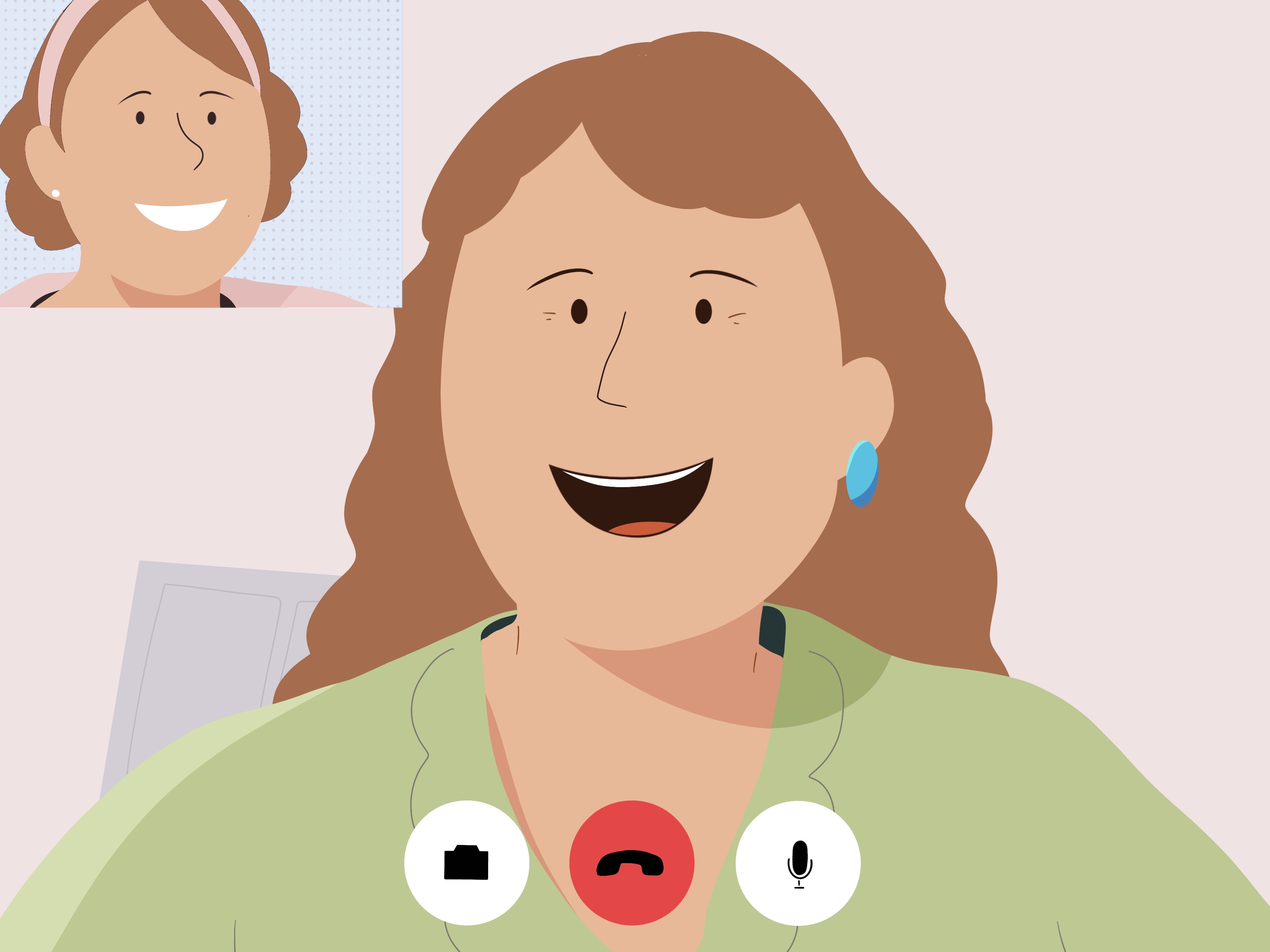
Managing marriage and bipolar disorder is not a simple “love conquers all” movie plot where one heartfelt speech fixes everything before the credits roll. Real marriage has bills, dishes, family drama, sleep schedules, and that mysterious pile of laundry that regenerates like a video game villain. Add bipolar disorder to the picture, and the relationship may need more structure, more compassion, and a much better operating manual.
The Inside Bipolar podcast episode “Managing Marriage and Bipolar Disorder” speaks directly to couples who are already married or in long-term relationships. Hosted by Gabe Howard, who lives with bipolar disorder, and Dr. Nicole Washington, a board-certified psychiatrist, the episode explores how a partner can become an important part of a support system without becoming a therapist, parent, detective, or emotional fire extinguisher. That distinction matters. A spouse can help, but a spouse should not have to become the entire treatment plan wearing pajamas and holding a coffee mug.
This article expands on the ideas raised in the podcast and turns them into a practical, SEO-friendly guide for couples, caregivers, and readers who want to understand how bipolar disorder affects marriage, communication, intimacy, trust, routines, conflict, and long-term recovery. It is informational, not medical advice. Couples should work with qualified mental health professionals for diagnosis, medication decisions, therapy, safety planning, and crisis support.
Why This Podcast Topic Matters
Bipolar disorder is a mood disorder marked by changes in mood, energy, sleep, activity level, and behavior. Episodes of mania, hypomania, depression, or mixed symptoms can affect work, finances, parenting, friendships, and romantic relationships. In marriage, those changes can be especially visible because spouses often see the private version of each other: the exhausted morning version, the irritable grocery-store version, the “I forgot to eat lunch and now I’m emotionally made of crackers” version.
The podcast is valuable because it avoids two unhelpful extremes. It does not romanticize bipolar disorder as a quirky personality trait, and it does not treat it as a relationship death sentence. Instead, it frames marriage and bipolar disorder as something that requires teamwork, education, boundaries, treatment, and honest conversation. In other words, love is important, but love works better when it has a calendar, a medication plan, and a shared understanding of warning signs.
Understanding Bipolar Disorder in Marriage
Bipolar Disorder Is Not Just “Moodiness”
One of the biggest misunderstandings about bipolar disorder is the idea that it simply means being happy one minute and sad the next. That is not accurate. Bipolar disorder involves episodes that represent a clear change from a person’s usual functioning. During mania or hypomania, a person may have increased energy, reduced need for sleep, racing thoughts, impulsive decisions, irritability, grand ideas, or risky behavior. During depression, the person may experience low energy, hopelessness, sleep changes, difficulty concentrating, guilt, withdrawal, or loss of interest in things they normally enjoy.
In a marriage, these symptoms can be confusing because they may look personal. A spouse may wonder, “Are they angry at me?” “Do they not care?” “Why are they suddenly spending money like the credit card is a magic wand?” The key is not to excuse harmful behavior, but to understand the pattern accurately. Understanding creates room for better choices. Misunderstanding creates blame, resentment, and late-night arguments where nobody remembers the original topic.
The Relationship Is Not the Diagnosis
One point often emphasized in healthy conversations about bipolar disorder and relationships is that not every marital conflict is caused by bipolar disorder. Sometimes the problem is depression. Sometimes it is mania. Sometimes it is poor sleep. And sometimes one person simply loaded the dishwasher like they were assembling a modern art exhibit.
Couples need a balanced approach. If every disagreement is blamed on bipolar disorder, the diagnosed partner may feel dismissed or pathologized. If bipolar disorder is never discussed, the couple may ignore real symptoms until small sparks become a five-alarm emotional barbecue. The goal is to ask better questions: “Is this a normal couple conflict, a symptom pattern, a stress response, or a combination?”
Key Takeaways From “Managing Marriage and Bipolar Disorder”
1. Your Partner Can Help You See Patterns
A spouse often notices changes before the person with bipolar disorder does. That might include sleeping less, talking faster, becoming more irritable, skipping meals, withdrawing from friends, starting big projects at midnight, or suddenly deciding that the family budget needs a dramatic adventure. A partner’s observations can be useful because bipolar symptoms often affect insight.
However, the way those observations are shared matters. “You’re acting manic again” may sound accusatory, even when the concern is real. A more helpful approach might be, “I’ve noticed you’ve slept only three hours for two nights, and you seem more energized than usual. Should we check the plan we made with your doctor?” This language is specific, compassionate, and action-oriented. It avoids turning the spouse into a judge with a clipboard.
2. Treatment Is a Team Support System, Not a Spousal Job Assignment
Effective bipolar disorder management often includes medication, psychotherapy, education, lifestyle routines, and support systems. A spouse can encourage treatment, help track patterns, attend therapy sessions when appropriate, and support healthy habits. But a spouse should not be expected to replace psychiatrists, therapists, support groups, or crisis services.
This distinction protects both people. The person with bipolar disorder keeps ownership of treatment. The spouse stays supportive without becoming emotionally overworked. Marriage is already a full-time human experience; it should not require one partner to secretly earn a medical degree between dinner and bedtime.
3. Conversations Work Best During Stable Periods
The best time to make a bipolar disorder marriage plan is not in the middle of an argument, a depressive crash, or a sleepless hypomanic week. Couples should talk during calmer periods when both people can think clearly. This is when they can discuss warning signs, medication routines, financial safeguards, sleep priorities, emergency contacts, therapy preferences, and boundaries.
Stable periods are also the right time to agree on language. Some couples use phrases such as “yellow light” to mean symptoms may be starting, or “pause and reset” to stop a conversation that is becoming heated. The words matter less than the agreement behind them. A shared phrase can prevent a tough moment from turning into a courtroom drama with two exhausted attorneys.
How Bipolar Disorder Can Affect Marriage
Communication Can Become Complicated
Bipolar disorder can change the rhythm of communication. During manic or hypomanic periods, communication may become fast, intense, impatient, or argumentative. During depression, communication may become minimal, delayed, or emotionally flat. A spouse may interpret silence as rejection or intensity as disrespect.
Couples can reduce damage by creating communication rules. For example, they might agree not to make major decisions after midnight, not to argue by text during work hours, and not to discuss finances when either person is sleep-deprived. These rules may sound simple, but simple is underrated. Seat belts are simple too, and nobody calls them boring after a sharp turn.
Trust May Need Repair After Episodes
Trust can be strained if mood episodes involve impulsive spending, risky behavior, harsh words, secrecy, substance use, or broken commitments. Rebuilding trust requires more than saying, “That was the bipolar disorder.” Symptoms can explain behavior, but they do not erase impact. Healthy repair includes accountability, treatment follow-through, changed systems, and time.
For example, if overspending occurred during mania, the couple might create spending limits, separate emergency savings, or require both partners to approve purchases over a certain amount. This is not punishment. It is a guardrail. Guardrails do not hate cars; they prevent them from flying into a ravine.
Intimacy May Shift
Bipolar disorder can affect intimacy in different ways. Mania or hypomania may increase sexual energy or impulsivity, while depression may reduce desire, confidence, and emotional closeness. Medications can also affect libido or physical functioning. These changes can be sensitive, and couples may avoid discussing them because the topic feels awkward enough to make a houseplant uncomfortable.
The healthier option is honest, respectful conversation. Partners can talk about what feels safe, what feels pressured, what has changed, and what support is needed. Couples therapy or sex therapy with a qualified professional may help when intimacy becomes a repeated source of hurt, confusion, or distance.
Practical Strategies for Couples Managing Marriage and Bipolar Disorder
Create a Mood Episode Plan
A written plan can reduce fear and confusion. It might include early warning signs, preferred coping strategies, medication instructions from the treating clinician, emergency contacts, sleep-protection steps, financial safeguards, and agreements about when to call a professional. The plan should be created collaboratively, not imposed like a household constitution written by one very stressed spouse.
A useful plan answers practical questions: What signs suggest depression is deepening? What signs suggest hypomania or mania may be starting? What should the spouse say? Who should be contacted? What decisions should be delayed? What helps the person feel supported rather than controlled?
Protect Sleep Like It Is a Family Pet
Sleep disruption is a major issue in bipolar disorder. Couples should treat sleep as a health priority, not a luxury prize given only to people who finish their to-do lists. Regular bedtimes, reduced late-night stimulation, limited alcohol, calming routines, and professional help for insomnia can support mood stability.
In marriage, sleep protection may require teamwork. That could mean setting a household quiet time, sharing parenting duties differently during vulnerable periods, or agreeing that serious conversations do not begin at 11:47 p.m. Nothing good happens in a marriage conversation that starts with, “Since we’re both awake…”
Use Boundaries Without Shame
Boundaries are not punishments. They are agreements about what is safe, respectful, and sustainable. A spouse might say, “I will talk about this when we are both calmer,” or “I cannot agree to a major purchase today,” or “I love you, and I need support for myself too.” Boundaries help prevent burnout and resentment.
The diagnosed partner also needs boundaries. They may need privacy in therapy, freedom from constant monitoring, or the right to be seen as a whole person rather than a walking symptom checklist. A healthy marriage makes room for care and dignity on both sides.
Consider Family-Focused Therapy or Couples Counseling
Research on family-focused therapy for bipolar disorder highlights the value of psychoeducation, communication training, and problem-solving skills. Couples counseling can also help partners separate symptoms from relationship patterns, improve repair after conflict, and create practical routines. The best fit depends on the couple’s needs, the severity of symptoms, and the availability of trained professionals.
Therapy is not only for couples “on the edge.” It can be preventive maintenance. Nobody waits until the roof collapses to learn what shingles are. Couples can seek help before resentment becomes the unofficial third person in the marriage.
What the Spouse Without Bipolar Disorder Should Remember
You Are a Partner, Not a Cure
It is common for spouses to feel responsible for keeping everything stable. They may monitor mood, manage appointments, hide their own stress, and quietly absorb emotional impact. While support is loving, overfunctioning can become unhealthy. You did not cause bipolar disorder, and you cannot cure it by becoming endlessly patient, endlessly available, or endlessly silent.
Supportive spouses need their own support. That may include therapy, trusted friends, peer groups, education, exercise, rest, hobbies, and honest conversations. Self-care is not betrayal. It is how people remain compassionate without disappearing into the role of caregiver.
Do Not Ignore Safety Concerns
If there are signs of self-harm, suicidal thinking, psychosis, dangerous impulsivity, violence, severe substance use, or inability to function, the couple should seek immediate professional help through emergency services, a clinician, or local crisis resources. Marriage vows are not a substitute for urgent care. Safety comes first, even when the conversation is painful.
What the Partner With Bipolar Disorder Should Remember
Your Diagnosis Is Real, but So Is Your Agency
Bipolar disorder can be difficult, disruptive, and exhausting. It can affect judgment, energy, sleep, and emotional regulation. Still, many people with bipolar disorder build strong marriages, fulfilling careers, loving families, and meaningful lives. Treatment and self-management do not remove personality; they help protect it.
Taking responsibility does not mean accepting shame. It means learning your patterns, following your treatment plan, communicating early, apologizing when needed, and building systems that help you succeed. The goal is not perfection. The goal is fewer preventable explosions, faster repair, and more days where love feels like a home instead of a weather report.
Common Mistakes Couples Make
Mistake 1: Waiting Until Things Are Bad
Couples often delay planning until a crisis arrives. By then, both people may be tired, scared, and less able to think clearly. A better strategy is to prepare during calm periods. Create plans when the water is smooth, not when everyone is already wearing emotional floaties.
Mistake 2: Treating Medication as the Only Tool
Medication is often central to bipolar disorder treatment, but it is not the only tool. Therapy, routines, support groups, education, sleep regulation, stress management, and relationship skills all matter. A strong care plan usually has several legs. A one-legged chair may be minimalist, but nobody wants to sit on it.
Mistake 3: Confusing Control With Support
A spouse may try to help by monitoring every mood, questioning every choice, or taking over decisions. This can create resentment and power struggles. Support should be collaborative. The person with bipolar disorder should participate in decisions about treatment, boundaries, and warning-sign responses whenever possible.
Experience-Based Reflections: What Marriage With Bipolar Disorder Can Feel Like
For many couples, the experience of managing marriage and bipolar disorder feels like learning a new language together. At first, both partners may only know the loudest words: depression, mania, medication, relapse, fear. Over time, they learn the quieter vocabulary: sleep debt, overstimulation, shame, early warning signs, repair, patience, grief, humor, and hope. This language is not learned from a single podcast episode or one therapy appointment. It is learned in ordinary kitchens, parked cars, doctor’s office waiting rooms, and conversations that begin with, “Can we talk about what happened yesterday?”
One common experience is the awkwardness of noticing symptoms without sounding critical. A spouse may see changes and hesitate to speak up because they do not want to start a fight. The partner with bipolar disorder may feel embarrassed, defensive, or afraid of being reduced to a diagnosis. This is why couples benefit from pre-agreed language. A phrase such as “I’m noticing a yellow light” can be gentler than “You’re getting bad again.” The first phrase invites teamwork. The second phrase may feel like an accusation wearing boots.
Another experience is the emotional whiplash after an episode. When stability returns, both partners may feel relief, but also sadness. The diagnosed partner may feel guilt about what happened. The spouse may feel hurt but unsure whether they are “allowed” to be hurt. Repair requires space for both truths. A person can be symptomatic and still need to make amends. A spouse can be compassionate and still need accountability. Healthy repair sounds like, “I understand symptoms were involved, and I also need us to talk about the impact.”
Finances are another real-world pressure point. During hypomania or mania, spending may become impulsive. Couples who have lived through this often learn that vague promises are not enough. They create practical systems: spending alerts, lower credit limits, delayed purchase rules, shared budgeting apps, or separate accounts for essential bills. These systems may feel unromantic, but so does discovering a surprise purchase large enough to need its own parking space.
Sleep routines also become part of the marriage culture. Some couples learn that late nights are not harmless. They protect bedtime, reduce conflict after a certain hour, and treat rest as part of treatment. This may require sacrifice. Social events may end earlier. Big conversations may wait until morning. The couple may become less spontaneous, but more stable. Stability may not sound exciting, yet many couples eventually discover that peace is extremely attractive.
There is also the experience of rebuilding identity. The partner with bipolar disorder may need reassurance that they are more than symptoms, appointments, and medication side effects. The spouse may need reassurance that their needs still matter. The marriage needs room for normal couple things: jokes, meals, shared shows, vacations, anniversaries, silly arguments about thermostat settings, and dreams that have nothing to do with diagnosis. Bipolar disorder may be part of the relationship, but it should not get the only chair at the table.
The strongest couples are not the ones who never struggle. They are the ones who learn how to struggle with less damage. They use professional help. They apologize faster. They make plans. They revise plans when the old ones fail. They understand that love is not proven by ignoring problems. Love is often proven by facing them with courage, humility, and a shared willingness to keep learning.
Conclusion: Marriage Can Be Stronger With the Right Support
The Inside Bipolar podcast episode “Managing Marriage and Bipolar Disorder” opens an important conversation: how do couples protect love while taking bipolar disorder seriously? The answer is not denial, blame, or magical thinking. The answer is education, treatment, communication, boundaries, sleep, planning, professional support, and a generous sense of humor when life behaves like an overcaffeinated raccoon.
Marriage and bipolar disorder can coexist. Many couples build stable, affectionate, deeply committed relationships while managing symptoms and setbacks. The work is real, but so is the possibility of connection. A diagnosis may explain part of the journey, but it does not write the whole love story. With the right tools, the couple can write the next chapter togetherpreferably after a good night’s sleep.