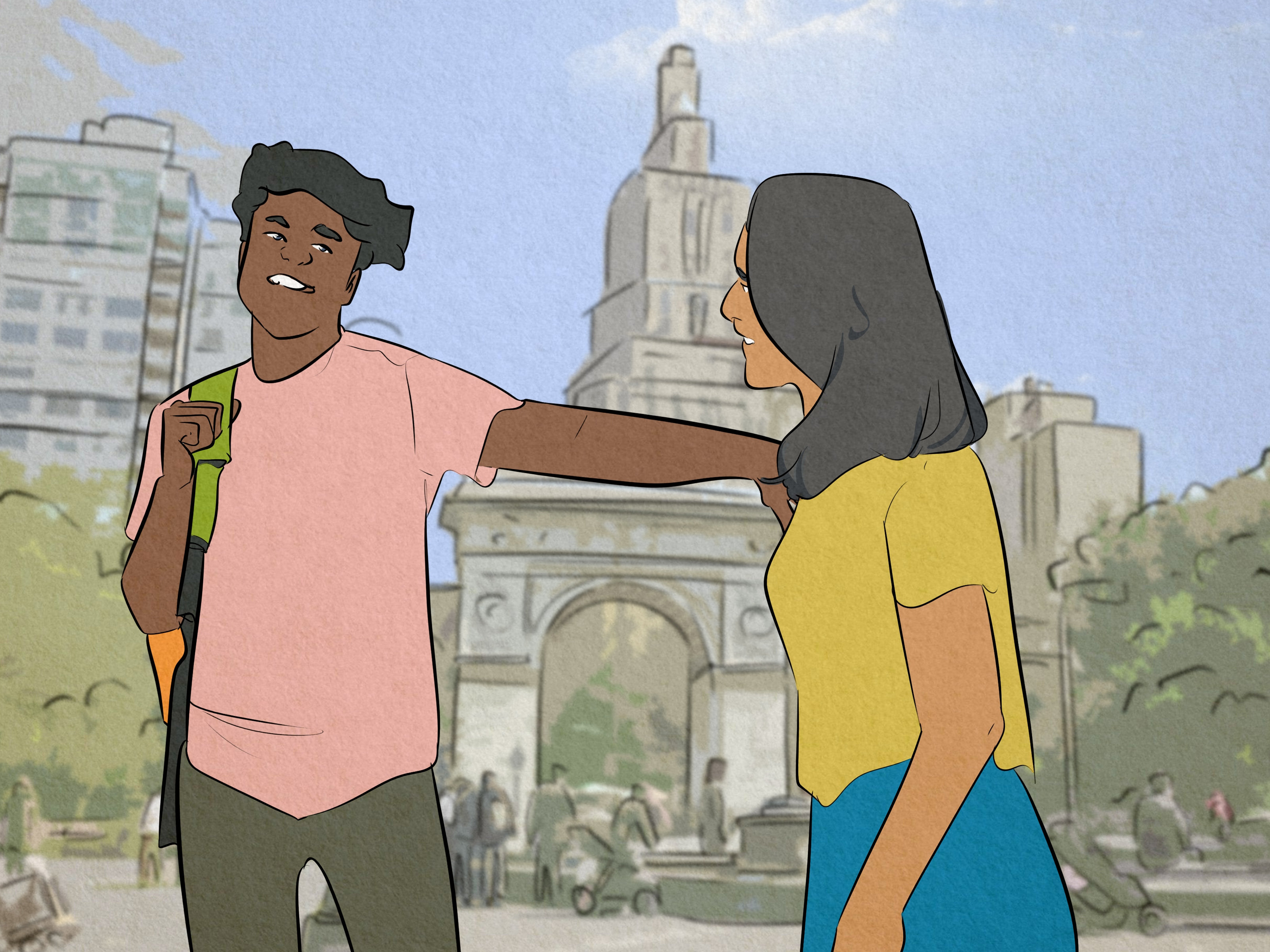
New York City does not politely ask for your attention. It grabs your sleeve, hands you a bagel, points toward a glowing skyline, and tells you to walk faster. One moment you are studying a masterpiece in a museum; the next, you are studying a subway map with the intensity of a bomb-disposal expert. Somehow, both experiences feel equally important.
Our current obsession with New York, New York is not limited to famous landmarks. It includes neighborhood bakeries, waterfront walks, old theater marquees, late-night slices, tiny bookstores, park benches, ferry rides, and the inexplicable confidence of someone carrying six coffees through a crowded crosswalk. This is a city made of major attractions and microscopic rituals, and the real magic lives in the collision between them.
Why New York City Keeps Pulling Us Back
Plenty of destinations are beautiful. Others are relaxing. New York City is something more dangerous: endlessly interesting. It changes block by block, sometimes building by building. A glass tower may stand beside a century-old brownstone. A designer boutique may share a street with a family-run restaurant that has been feeding the neighborhood for generations.
The city rewards curiosity. Turn down the quieter street. Enter the narrow shop. Walk one more avenue. Take the local train instead of racing toward another observation deck. New York City travel becomes memorable when the schedule loosens enough for discoveries to happen.
That unpredictability is the foundation of the obsession. You can plan a day around art, architecture, food, history, theater, fashion, sports, or music and still encounter something completely unrelated that becomes your favorite memory.
Obsession No. 1: Neighborhood Days Instead of Landmark Marathons
The classic first-time itinerary often resembles an endurance event: Times Square, Central Park, the Statue of Liberty, a museum, a Broadway show, and approximately 40,000 steps before dinner. Impressive? Certainly. Relaxing? Only if your usual hobby is competitive stair climbing.
A better way to explore is to dedicate several hours to one part of the city. New York’s neighborhoods reveal their personalities slowly, through architecture, storefronts, parks, and local routines.
Greenwich Village and the West Village
These downtown neighborhoods are made for wandering. The street grid becomes delightfully disobedient, tree-lined blocks replace Midtown canyons, and historic townhouses create the illusion that you have entered a particularly expensive movie set. Browse independent shops, stop for coffee, and let Washington Square Park provide the soundtrack.
The Lower East Side
The Lower East Side combines immigrant history, nightlife, contemporary galleries, vintage stores, casual food, and an energetic after-dark scene. It is one of the best NYC neighborhoods for travelers who want a full afternoon without following a rigid checklist. Begin with a museum or cultural site, continue with shopping, and finish with dinner somewhere you discovered ten minutes earlier.
Harlem
Harlem deserves time rather than a hurried photo stop. Its brownstone-lined streets, jazz history, cultural institutions, churches, restaurants, and performance spaces tell an essential part of New York’s story. A thoughtful visit may combine architecture, music, local food, and a walk through Marcus Garvey Park or along 125th Street.
Queens Beyond the Airport
Queens is one of the strongest answers to the question, “Where should we eat?” Its neighborhoods reflect cultures from around the world, producing an extraordinary concentration of regional restaurants, bakeries, markets, and street food. Jackson Heights, Astoria, Flushing, and Long Island City offer very different experiences, which is precisely the point.
Obsession No. 2: Eating Without Treating Every Meal Like a Reservation Emergency
New York food culture can inspire months of research, color-coded spreadsheets, and the sort of emotional commitment usually associated with choosing a wedding venue. Reservations are helpful for popular dining rooms, but some of the city’s greatest pleasures remain wonderfully informal.
A good New York City food day might begin with a bagel, continue with dumplings or a deli sandwich, pause for a bakery window that proved impossible to resist, and conclude with pizza after a show. Nutritionally balanced? That is between you and your conscience.
The New York Bagel Ritual
A proper bagel should have a shiny, chewy exterior and a dense but tender interior. Order confidently, keep the line moving, and choose a combination you actually enjoy. Smoked fish and cream cheese are classics, but egg sandwiches, butter, scallion cream cheese, and simpler toppings have loyal followings.
Pizza as an Ongoing Research Project
There is no single “best” New York pizza because the city contains several traditions and an unlimited number of opinions. Foldable street slices, coal-oven pies, wood-fired Neapolitan pizza, square slices, and crispy-edged Sicilian styles all deserve consideration. The scientific method requires repeated testing.
Following Neighborhood Strengths
Instead of demanding one restaurant recommendation for the entire city, look at the specialties of individual neighborhoods. Explore regional Chinese food in Flushing, Greek cooking in Astoria, Dominican flavors in Washington Heights, South Asian restaurants around Jackson Heights, or Caribbean cuisine across Brooklyn and Queens. New York’s dining scene is strongest when treated as a map of communities rather than a collection of celebrity names.
Obsession No. 3: Museums Without the Pressure to “Finish” Them
Attempting to see every gallery in a major New York museum is an excellent way to transform cultural enrichment into lower-back pain. The Metropolitan Museum of Art contains hundreds of thousands of works spanning approximately 5,000 years. You are not going to complete human civilization before lunch.
Choose a few departments or exhibitions and allow yourself to linger. At The Met, that might mean Egyptian art, European paintings, the American Wing, decorative arts, or the rooftop area when accessible. The building itself is part of the pleasure.
MoMA offers another essential perspective, bringing together modern and contemporary art, design, photography, film, and architecture. It rewards focused visits, especially when you pick several must-see works and leave room for surprises. MoMA PS1 in Queens provides a more experimental, artist-centered experience and can easily be paired with a Long Island City afternoon.
The museum obsession also extends beyond the most famous institutions. New York has museums dedicated to immigration, transportation, moving images, design, folk art, finance, history, and countless cultural communities. A smaller museum can often become the emotional center of a trip because it offers depth without requiring expedition supplies.
Obsession No. 4: Central Park as a Collection of Places
Central Park is not one attraction. It is an 843-acre landscape filled with meadows, woodland paths, ponds, bridges, gardens, performance areas, playgrounds, architectural details, and some of the city’s finest people-watching.
First-time visitors often stay near the southern entrances, where destinations such as Sheep Meadow, the Mall, Bethesda Terrace, and the lake are relatively close together. These places are popular for good reason, but the park becomes quieter and more spacious farther north.
Consider visiting the Conservatory Garden, the North Woods, Harlem Meer, or the restored spaces at the northern end. Downloading a map before entering is sensible because park paths occasionally treat straight lines as a personal insult.
The secret is to stop using Central Park as a shortcut between attractions. Bring breakfast, sit on a bench, watch dogs conduct complicated social negotiations, and allow the city to become background noise.
Obsession No. 5: New York From the Water
Skyline views become more dramatic when the buildings are allowed to breathe. Ferries and waterfront parks offer a wider perspective than street level, often for less money than a ticketed observation deck.
Brooklyn Bridge Park stretches along the East River with lawns, promenades, gardens, piers, recreation areas, and remarkable views of Lower Manhattan. Arriving by subway is easy, but approaching by ferry adds a cinematic opening sequence to the visit.
Walk through DUMBO, explore the park, and continue toward Brooklyn Heights. The Brooklyn Heights Promenade delivers another classic panorama, particularly around sunset. The combination of historic streets, bridge views, river traffic, and illuminated towers explains why phones mysteriously run out of storage here.
The Staten Island Ferry also provides expansive harbor views and a look toward the Statue of Liberty. It is transportation rather than a guided sightseeing cruise, so behave like a considerate passenger and avoid treating commuters as members of your production crew.
Obsession No. 6: Broadway Before and After the Curtain
Broadway is more than a list of famous musicals. New York has 41 operating Broadway theaters, along with a vast ecosystem of Off-Broadway and smaller productions. On any given evening, audiences can choose among musicals, dramas, comedies, revivals, experimental works, and limited engagements.
Part of the pleasure lies in the ritual. Eat before the show, arrive with enough time to locate the theater, admire the old architectural details, and watch hundreds of strangers collectively agree not to check their phones for a few hours. It is practically a civic miracle.
For better value, investigate official rush policies, ticket lotteries, weekday performances, and advance offers. Book directly through authorized sellers whenever possible, and verify the theater location because similarly named venues can be surprisingly far apart.
After the performance, resist the temptation to end the night immediately. Walk several blocks beyond Times Square, find dessert or a late meal, and let the conversations spill onto the sidewalk. New York after theater has a particular electricity: half applause, half taxi horn.
Obsession No. 7: The Subway as Part of the Story
The New York City subway is not merely transportation between interesting places. It is one of those interesting places, although perhaps not when you are carrying luggage during rush hour.
The system becomes manageable once you understand uptown versus downtown travel, local versus express service, and the fact that a station entrance may serve only one direction. Use the official MTA map and service information, especially on weekends when maintenance can alter routes.
Contactless payment makes individual rides straightforward, but always use the same card or device consistently. Before boarding, confirm the train letter or number, direction, and next several stops. Looking confused is not fatal; stepping onto an express train heading three boroughs away may feel more dramatic.
Most importantly, practice subway etiquette. Let passengers exit first, move away from the doors, remove bulky backpacks in crowded cars, and avoid forming a family committee directly at the top of the stairs.
Obsession No. 8: Tiny New York Moments
The most lasting memories are often too small for an itinerary. Morning light reflecting between buildings. A bodega cat sitting beside the register like middle management. Steam rising from the street in winter. A musician turning a subway platform into a concert venue. The smell of roasted nuts appearing exactly when you have sworn not to buy another snack.
New York is especially good at accidental theater. A dog wearing rain boots refuses to walk. Two strangers debate the fastest train route. Someone moves a sofa through a doorway that clearly has no interest in cooperating. A delivery cyclist, taxi, stroller, skateboarder, and pigeon negotiate the same intersection without submitting written proposals.
These details explain why slow walking matters. Famous attractions provide structure, but ordinary street life gives New York its personality.
How to Build a Better New York City Itinerary
The best plan balances ambition with geography. Group activities by neighborhood rather than crossing Manhattan repeatedly. Pair The Met with Central Park, Broadway with Midtown, DUMBO with Brooklyn Bridge Park, or the Lower East Side with Chinatown.
Plan One Anchor Activity
Choose one timed reservation or major destination for each half-day. Everything else can remain flexible. This reduces the panic that begins when lunch takes longer than expected and your itinerary collapses like an overfilled paper shopping bag.
Leave Space for Walking
A distance that appears short on a map can contain dozens of shops, architectural details, cafés, and distractions. Allow extra time instead of treating every walk as a transfer.
Check Official Information
Hours, exhibits, performances, transit service, ticket policies, and park programming change. Verify essential details through official websites shortly before visiting, particularly for limited events and timed-entry attractions.
Protect the Budget Strategically
Mix paid attractions with parks, neighborhood walks, ferry rides, public art, free programming, and cultural-discount opportunities. Spend more on the experiences you genuinely value rather than purchasing every available skyline view simply because it has an elevator.
Experience Notes: A New York Day That Explains the Obsession
A perfect New York day does not begin with an alarm that feels like a threat. It begins early enough to notice the city waking up. Delivery trucks occupy impossible parking spaces. Metal storefront gates rattle upward. Coffee cups appear in every hand. The sidewalks are busy, but they have not yet reached full theatrical volume.
Breakfast comes from a neighborhood bagel shop where the menu is technically visible but nobody has time for a dissertation. The order is simple, the coffee is hot, and the bagel arrives wrapped in paper that becomes increasingly translucent with every block. You eat on a bench while commuters move around you with astonishing purpose. Everyone seems to have an appointment with destiny or at least a meeting at 9:00.
The morning continues on foot. Rather than charging toward a landmark, you follow quieter streets through Greenwich Village. The scale shifts. Buildings become shorter, trees appear, and small gardens soften the edges of the sidewalks. A bookstore window creates an unscheduled stop. So does a bakery. This is already becoming a four-breakfast situation.
Near Washington Square Park, the city gathers itself into one scene. Musicians perform under the trees. Students cross the plaza. Chess players wait for challengers. Tourists photograph the arch while residents navigate around them using the practiced movements of river water around stones. Nothing is coordinated, yet everything feels choreographed.
A subway ride carries the day uptown. There is a moment of hesitation at the entrancewrong direction? right train? possible accidental journey to the Bronx?but the signs eventually make sense. The train arrives with a roar, the doors open, and the car contains an instant cross-section of New York: office workers, families, students, shoppers, construction crews, and one person transporting a houseplant large enough to require its own fare.
At Central Park, the sound changes first. Traffic remains audible, but it loses authority. The route curves past rocks, trees, lawns, runners, cyclists, and determined toddlers. Bethesda Terrace provides the grand architecture, but the quieter pleasure comes afterward: finding a bench with a view of the water and doing absolutely nothing for fifteen minutes.
Lunch is intentionally unremarkable in price and completely remarkable in satisfaction. Perhaps it is a slice of pizza eaten while standing at a narrow counter. Perhaps it is dumplings, tacos, noodles, or a deli sandwich that appears to have been engineered for someone with a larger mouth. The important part is refusing to confuse expense with authenticity.
The afternoon belongs to art. Inside a museum, the outside city disappears room by room. One gallery contains objects thousands of years old; another holds work that looks as though it arrived from next Thursday. You choose a handful of sections instead of attempting to inspect the entire history of creativity. Museum fatigue is avoided, dignity remains intact, and the gift shop is approached with only moderate financial recklessness.
By early evening, the waterfront is calling. A train or ferry leads toward Brooklyn Bridge Park, where the skyline expands across the river. The buildings that felt overwhelming at street level now look almost orderly. People picnic on the grass, runners pass along the promenade, and cameras emerge as sunset changes the windows from silver to gold.
Dinner follows in Brooklyn, preferably somewhere lively enough to feel local but calm enough to hear a conversation. Plates arrive for sharing. The table debates whether another stop is necessary. New York answers by placing an ice cream shop, wine bar, bakery, and illuminated bridge within walking distance.
The day ends with the skyline glowing behind the East River. It has included famous scenery, ordinary transportation, excellent food, unexpected detours, and several moments that could never have been scheduled. That is the source of the obsession. New York does not merely provide things to do; it makes the space between those things feel significant.
You return to the hotel tired, overfed, and convinced that tomorrow will be more organized. It will not be. There will be another train, another neighborhood, another museum wing, another ridiculous dessert, and another street that seems more interesting than the one in the plan. New York wins again.