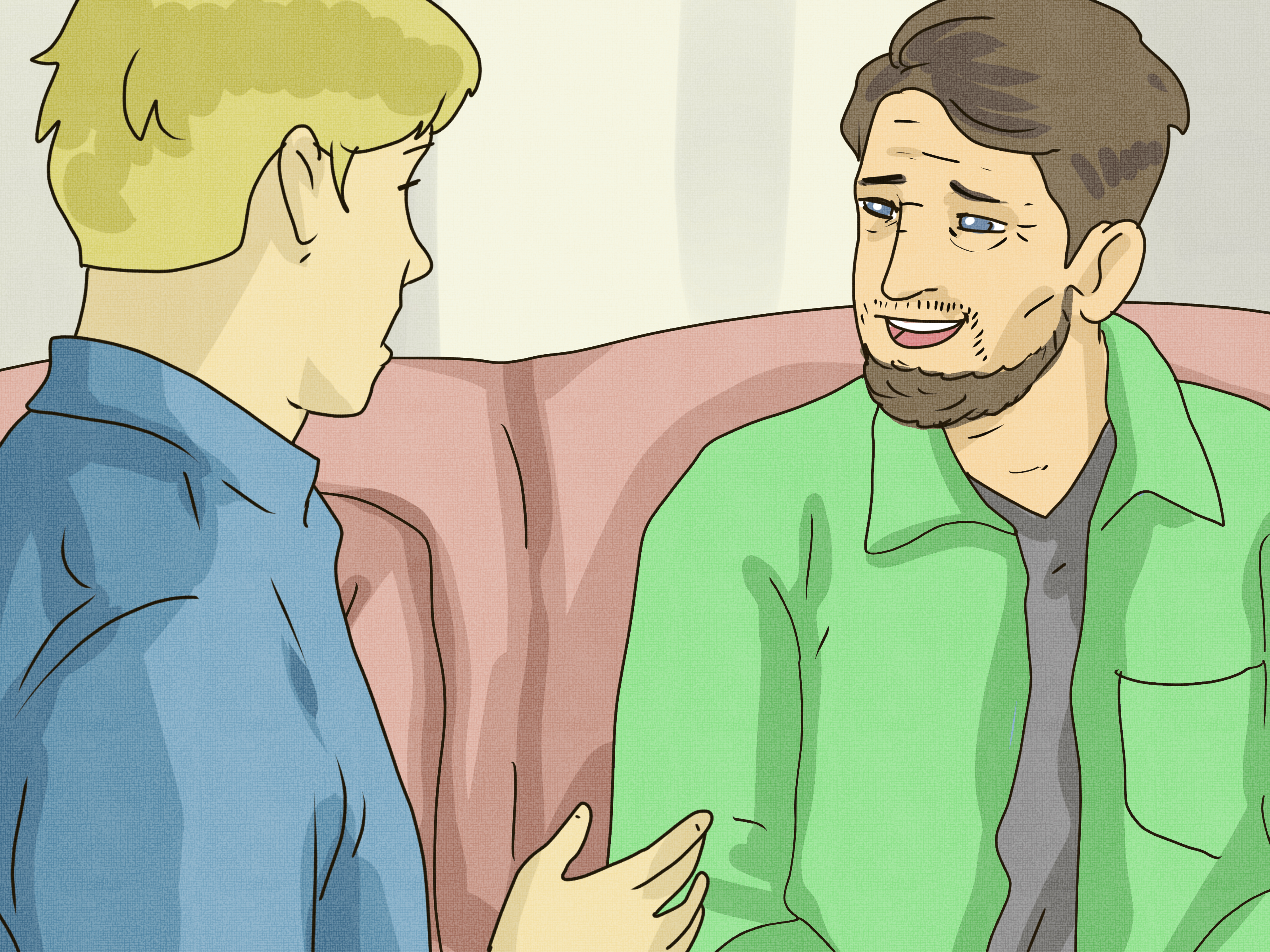
Age-gap relationships have a special talent for making everyone suddenly become a part-time philosopher. Friends raise eyebrows. Relatives start speaking in dramatic pauses. Strangers online act like they were personally appointed by the Department of Romantic Audits. But when you strip away the gossip, one question remains: does age matter in a relationship?
The honest answer is yes, but probably not in the way people think. Age matters less as a magical number and more as a signal. It can point to different life stages, different financial realities, different communication styles, different health needs, and different expectations about the future. In other words, the birthday candles are not the problem by themselves. The real issue is whether the couple can handle what the age difference brings with it.
That is why some age-gap relationships feel stable, loving, and deeply compatible, while others feel like two people are living in different time zones without a map. The secret is not pretending the gap does not exist. The secret is understanding it, talking about it, and building a relationship strong enough to carry it.
Why age matters less than people assume and more than people admit
People often take extreme positions on age differences. One camp says age is just a number, full stop. The other acts like every age-gap couple is one awkward family barbecue away from disaster. Real life is more nuanced.
Age matters because it can affect maturity, priorities, energy, social circles, money, and long-term planning. But age does not automatically predict whether a relationship will be healthy. A five-year gap between two emotionally mature adults may be a nonissue. Meanwhile, a smaller gap can still cause chaos if one partner is controlling, dismissive, or unwilling to communicate like a grown-up.
Think of age as one factor in the relationship equation, not the whole math test. Compatibility, kindness, respect, trust, emotional safety, and shared values still do the heaviest lifting.
When an age gap becomes a real challenge
1. You are in very different life stages
This is usually the biggest issue. A person finishing school, starting a first job, or learning how to keep a plant alive may want a very different life from someone thinking about retirement savings, a second career, or raising children from a previous relationship. The problem is not that either stage is wrong. The problem is that the relationship may be forced to run on two totally different timelines.
One partner may want spontaneity. The other may want stability. One may still be figuring out identity, while the other feels very settled. That mismatch can create tension even when the attraction is real.
2. One person has much more power
Not every age-gap relationship has a power imbalance, but many people confuse experience with wisdom and control with security. If one partner has more money, more relationship experience, more social influence, or more authority, the younger or less established person may start bending their needs just to “keep up.”
Healthy relationships feel collaborative. Unhealthy ones feel like one person is the manager and the other forgot they never applied for the job. If decisions about money, housing, friend groups, time, or future plans always tilt one way, the issue is no longer age alone. It is inequality.
3. The future looks different to each of you
Plenty of couples can laugh off different music tastes. Fewer can laugh off opposite views about marriage, kids, caregiving, health, retirement, or where to live in ten years. A relationship can feel wonderful in the present and still hit serious turbulence when the future enters the chat.
Age-gap couples often need to discuss long-term planning earlier than same-age couples. That may sound unromantic, but so is finding out at the worst possible moment that one of you wants toddlers while the other wants a quiet house and orthopedic shoes.
4. Outside judgment gets exhausting
Even strong couples can get worn down by social pressure. Friends may assume the relationship is shallow. Family may worry about motives. Coworkers may make comments that are technically jokes but spiritually annoying. Over time, external judgment can create defensiveness, secrecy, or isolation.
That stress is real. A relationship does better when both partners can discuss how public reactions affect them instead of pretending they are made of steel and sarcasm.
When age matters less than people think
Shared values beat shared graduation years
Couples with an age difference often do well when they align on the big issues: honesty, commitment, boundaries, money habits, lifestyle, family expectations, and emotional responsibility. Shared values create stability when surface differences show up.
You can survive a gap in pop culture references. You will struggle much more with a gap in character.
Communication can close a lot of distance
Good communication does not mean talking all the time. It means being direct, respectful, and emotionally honest. Age-gap couples often succeed when they can say things like, “This makes me uncomfortable,” “I need more say in that decision,” or “We need to talk about what this looks like in five years.”
It is not glamorous, but it works. Mature communication is less fireworks and more electricity: you may not always see it, but nothing functions well without it.
Respect and consent are nonnegotiable
A healthy relationship has room for boundaries, individual choices, and changing your mind. If one person feels pressured, rushed, monitored, or emotionally cornered, the relationship is not healthy, no matter how “special” the connection seems.
This point matters even more in age-gap dynamics. The older or more experienced partner should never use life experience, money, status, or emotional pressure to override the other person’s comfort level. Mutual respect is not optional. It is the floor, not the ceiling.
Repair matters more than perfection
Every couple argues. Every couple misunderstands each other. Every couple eventually has at least one conversation that begins with “That is not what I meant” and ends with someone standing in the kitchen reconsidering every life choice that led to this moment. What matters is whether the couple knows how to repair after conflict.
Age-gap couples who last are often very good at apologizing, listening, adjusting, and returning to the same team after tension. The relationship does not need to be flawless. It needs to be repairable.
How to make an age gap work
Be brutally honest about why you are together
Attraction is fine. Chemistry is great. But neither should be the only foundation. Ask the uncomfortable questions. Are you drawn to this person because of who they are, or because of what they represent? Safety? Status? Youth? Validation? Escape? A relationship becomes stronger when both people are honest about the emotional story underneath the attraction.
Talk about power before power becomes a problem
Discuss money, housing, schedules, decision-making, and social expectations early. Who pays for what? Who makes the final call when you disagree? Does one person always set the pace? These conversations are not unromantic. They are preventive maintenance. Think of them as relationship seat belts.
Do not play teacher and student
A loving partnership is not a mentorship program in disguise. One person should not constantly “educate,” correct, shape, or upgrade the other. Advice can be generous, but constant instruction can become control wearing a sensible outfit.
Both people need room to have opinions, make mistakes, grow, and influence the relationship equally.
Protect each person’s independence
Healthy couples have a shared life, but they also keep some individual identity. Friendships, interests, routines, and personal goals should not disappear because the relationship is intense. If one partner slowly becomes the center of all decisions, that is not devotion. That is drift.
Plan for the practical stuff
Big age differences can make practical issues show up sooner. Health, caregiving, energy levels, family obligations, and retirement planning may arrive earlier than expected. Couples who handle this well do not panic. They plan. They talk about what support would look like, what sacrifices would be fair, and what kind of life they actually want to build.
Make room for cultural differences without mocking them
Yes, one of you may remember life before smartphones and the other may think fax machines belong in museums next to dinosaur bones. That is fine. Generational differences can be funny and even charming. The key is curiosity, not contempt. Teasing can be light. Belittling is not.
Red flags you should never explain away with “it’s just the age gap”
- One person controls money, transportation, social plans, or communication.
- One person pressures the other to move faster than they want.
- Boundaries are mocked, ignored, or treated like a personal insult.
- Friends and family are pushed away so the couple becomes isolated.
- One partner acts like they always know better because they are older or more experienced.
- The relationship depends on secrecy, fear, guilt, or constant emotional rescue.
And one point deserves absolute clarity: if one person is a minor and the other is an adult, this is not a quirky love story with a dramatic soundtrack. It raises serious safety, consent, and legal concerns. In those cases, the issue is not whether the age gap can “work.” The issue is whether the younger person is being protected and respected.
What family and friends usually get wrong
People often assume that age-gap couples are either doomed or dazzling. Usually they are neither. They are just couples with a more visible difference to navigate. Outsiders tend to focus on optics, while the real questions are more useful: Do both people have equal say? Do they handle conflict well? Do they respect boundaries? Are they building a life that makes sense for both of them?
That means criticism should not begin and end with “You are how many years apart?” Sometimes a relationship with a noticeable age difference is healthier than a same-age relationship full of manipulation, disrespect, and emotional chaos. A matching birth year does not guarantee matching maturity.
So, does age matter in a relationship?
Yes, age matters, but it is not the final verdict. It matters because it can shape timing, expectations, influence, and long-term compatibility. It matters because different ages often come with different realities. But it does not matter more than respect, communication, trust, consent, shared values, and emotional safety.
The strongest age-gap relationships do not survive because the couple ignores the difference. They survive because the couple understands it, talks about it honestly, and refuses to let the gap turn into a hierarchy. They build something equal on purpose.
So no, love is not a math problem. But it is also not a magic trick. If an age-gap relationship is going to work, it needs more than chemistry and confidence. It needs maturity, self-awareness, boundaries, and two people willing to do the unglamorous work of building something steady. Romance may start the engine, but respect keeps the car on the road.
Experiences related to age-gap relationships in real life
One of the most common experiences people describe in age-gap relationships is discovering that the age difference feels biggest in ordinary moments, not dramatic ones. On vacation, at dinner, or during the thrilling early stage when both people are still on their best behavior, the gap may seem tiny. Then regular life shows up. One person wants to go out every weekend, while the other wants quiet evenings and a sensible bedtime. One sees moving across the country as an adventure; the other sees it as a logistical operation involving taxes, medication refills, and a favorite frying pan. That is when couples realize the issue was never just attraction. It was daily rhythm.
Another frequent experience is dealing with assumptions from other people. Some couples say they get tired of hearing that the younger person must be chasing money or that the older person must be chasing youth. Those assumptions can feel insulting because they reduce a complex relationship to a cartoon. Over time, strong couples usually learn to judge the relationship from the inside out rather than the outside in. They stop asking, “Do we look normal to everyone else?” and start asking, “Are we actually good to each other?” That shift can be a turning point.
Many age-gap couples also describe a learning curve around communication. The younger partner may feel dismissed when the older partner says, “You’ll understand when you’re older,” which is basically a master class in sounding wise while ending a conversation badly. The older partner may feel frustrated if they believe their practical concerns are being treated as negativity. Couples who get through this phase usually replace assumption with translation. Instead of debating who is more mature, they explain what they mean, what they fear, and what they need.
There are also positive experiences that come up again and again. Some couples say the age difference encourages them to be more intentional than they might have been otherwise. Because they know people may question the relationship, they talk earlier about money, children, health, caregiving, and long-term goals. In a strange way, the visible difference forces better conversations. It pushes the relationship out of autopilot.
Humor also appears often in successful couples’ stories. The jokes may be predictable. One partner does not know a song, movie, or slang term that the other considers basic cultural literacy. The other partner remembers historical events a little too vividly. If the teasing is kind and mutual, these moments become part of the couple’s shared language instead of a source of shame. Playfulness helps. So does humility.
Perhaps the most revealing experience is this: couples who make an age gap work tend to say the same thing in different ways. They do not claim the gap never matters. They say it matters less when both people feel heard, respected, safe, and equally important. That may not sound flashy, but it is real. And in relationships, real beats flashy every single time.