Some foods arrive wearing the wrong outfit. A blue raspberry slushie strolls in looking like it was mixed by a cartoon scientist. Green ketchup once tried to convince an entire generation of children that French fries deserved a glow-up. Purple cauliflower sits in the produce aisle like broccoli’s eccentric cousin who went to art school. And somehow, against all reasonable expectations, these “wrong colored foods” are wonderful.
The phrase wrong colored foods, made charming by the 1000 Awesome Things style of celebrating tiny everyday joys, captures a very specific kind of delight: the moment your eyes say, “Absolutely not,” while your curiosity says, “Hand me a fork.” Food color is one of the first signals we use to judge flavor, freshness, ripeness, and safety. So when a familiar food appears in an unfamiliar color, our brains immediately throw a tiny kitchen meeting.
Is that ketchup supposed to be green? Why is the tortilla chip blue? Should cotton candy look like a weather alert? And why does a rainbow bagel feel like breakfast and a birthday party got trapped in the same toaster?
This article explores why wrong colored foods are so funny, memorable, and oddly lovable. We will look at the science of food color perception, real examples from grocery shelves and snack history, and the emotional magic that turns a weird-looking bite into one of life’s small, awesome surprises.
Why Food Color Messes With Our Brain
Before we taste anything, we judge it visually. Color helps us guess whether a banana is ripe, whether meat looks fresh, whether lettuce has given up on life, or whether a drink might taste like cherry, orange, grape, lemon-lime, or “mystery flavor from a vending machine in 1998.”
Researchers have long studied the relationship between color and flavor perception. In many experiments, changing the color of a drink or food changes how people identify its flavor, how intense they think it tastes, and sometimes whether they like it at all. A cherry-flavored drink that looks orange may suddenly taste “orange-ish” to some people, not because the tongue changed, but because the eyes filed a very persuasive report.
That is why wrong colored foods are so entertaining. They interrupt a system that usually runs on autopilot. Red means strawberry, cherry, tomato, or cinnamon candy. Yellow suggests lemon, banana, butter, corn, or cheese. Green whispers lime, mint, apple, spinach, or something that may have been abandoned in the back of the fridge. Blue, meanwhile, is the wild card. Nature does not give us many naturally bright blue foods, so blue candy, blue drinks, and blue desserts often feel artificial, playful, or suspiciously fun.
The Joy of Eating Something That Looks “Incorrect”
Wrong colored foods are not just food. They are tiny edible jokes. The humor comes from contrast. Your brain expects ketchup to be red, so green ketchup feels like a prank. You expect cauliflower to be white, so purple cauliflower feels like it has a secret nightlife. You expect pancakes to be golden, so bright rainbow pancakes make breakfast feel like a confetti cannon with syrup.
This surprise is exactly what makes them awesome. Most meals are predictable. Toast is brown. Milk is white. Pickles are green. Chocolate is brown unless white chocolate is trying to start an argument. But then a wrong colored food appears and turns an ordinary snack into a tiny event.
A wrong colored food asks you to pay attention. It slows down the bite. You look at it, laugh at it, photograph it, question it, and then finally taste it. That small pause can make the experience more memorable than eating the same food in its usual color.
Famous Wrong Colored Foods That Deserve Applause
Blue Raspberry: The King of Fake-But-Fantastic Color
Blue raspberry is one of the greatest food-color plot twists in American snack culture. Real raspberries are not electric blue. They are red, dark red, blackish, or sometimes golden. Yet blue raspberry became a beloved flavor in snow cones, slushies, candies, freezer pops, and sports drinks. The color helped separate raspberry from the crowded red-flavor family of cherry, strawberry, watermelon, and fruit punch.
Blue raspberry works because it is instantly recognizable, even though it is wonderfully unnatural. It tells you, “This will not taste like fruit from a farmer’s market. This will taste like summer vacation, sticky fingers, and a tongue that looks like you licked a marker.” That is not a flaw. That is branding with a sugar rush.
Green and Purple Ketchup: Childhood Chaos in a Bottle
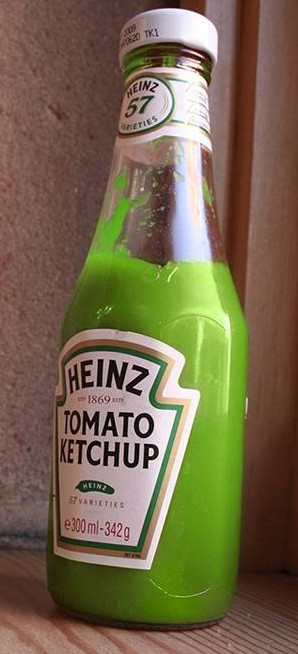
In the early 2000s, colorful ketchup became a real grocery-store phenomenon. Kids squeezed green, purple, pink, orange, teal, and blue-ish ketchup onto fries, burgers, and probably a few things that did not deserve the experience. It was still ketchup, but the color made it feel like a science experiment you were allowed to eat.
Adults often reacted with horror. Children reacted with joy. That difference explains a lot about wrong colored foods. Adults tend to protect food expectations. Kids love breaking them. A child does not ask, “Is this visually consistent with tomato-based condiment tradition?” A child asks, “Can I draw a purple ketchup dinosaur on my plate?” Advantage: child.
Rainbow Bagels and Unicorn Desserts
Rainbow bagels, unicorn cakes, galaxy donuts, and technicolor milkshakes prove that wrong colored foods have become part of internet culture. Bright colors turn food into a visual experience before the first bite. People share them because they are photogenic, funny, and dramatic enough to make a plain sandwich look like it needs a nap.
These foods are not always about refined flavor. Sometimes they are about joy, novelty, nostalgia, and the happy absurdity of eating something that looks like it escaped from a sticker book. In a world of beige desk lunches, that has value.
Purple Potatoes, Orange Cauliflower, and Real Natural Weirdness
Not every wrong colored food is artificial. Some are naturally colorful because of plant pigments. Purple potatoes, purple carrots, orange cauliflower, red corn, black rice, yellow watermelon, and pink lemons can all look “wrong” if you grew up with the standard supermarket version. But these colors often come from natural compounds in plants, including anthocyanins, carotenoids, chlorophylls, and other pigments.
This kind of wrong colored food feels like nature pulling a prank. It reminds us that our idea of “normal” food color is often shaped by marketing, agriculture, grocery-store selection, and habit. Carrots, for example, are famous for being orange, but carrots can also be purple, yellow, red, and white. The grocery aisle is not the entire color wheel of reality. It is just the edited version.
Why “Wrong” Colors Can Change What We Taste
The color of food does not always change taste directly, but it can strongly influence expectations. If a soda is bright purple, many people expect grape. If a candy is green, they may expect lime or apple. If a frosting is pale pink, strawberry or vanilla-berry may come to mind. When the actual flavor does not match the expected flavor, the brain briefly stumbles over its own shoelaces.
This mismatch can create confusion, but it can also create fun. A white jelly bean that tastes like popcorn. A clear soda that tastes like cola. A purple chip made from blue corn. A black ice cream flavored with coconut or sesame. These foods create a guessing game between vision and flavor.
Food companies understand this. Color is used to signal flavor, improve visual appeal, correct natural variation, and make otherwise plain foods feel exciting. In other words, food color is not decoration only. It is communication. When that communication becomes surprising, the product becomes memorable.
The Difference Between Fun Color and Food Safety
It is important to separate playful wrong colored foods from unsafe foods. A blue raspberry candy is not the same thing as moldy bread. A purple potato is not the same thing as meat that has turned an alarming shade. Food color can be fun, but color can also warn us when something is spoiled, burned, undercooked, or contaminated.
The practical rule is simple: if the color is intentional, labeled, fresh, and from a trusted food source, it may simply be novelty. If the color appears unexpectedly because food is old, stored badly, or smells strange, do not treat it as adorable. The garbage can exists for a reason, and sometimes that reason is “this leftover has developed a personality.”
In the United States, food color additives are regulated before they can be used in foods. Some colors are certified synthetic additives, while others come from sources such as plants, minerals, algae, or other natural materials. Natural does not automatically mean better, and synthetic does not automatically mean evil. What matters is safety, approved use, dosage, labeling, and the overall quality of the food.
Why Kids Love Wrong Colored Foods So Much
Children are often more open to playful food colors because they are still building food expectations. A green pancake may seem outrageous to an adult, but to a child it may simply be breakfast with better marketing. Bright colors feel exciting, especially in sweets, snacks, cereals, and party foods.
This is one reason colorful foods appear at birthdays, fairs, amusement parks, holidays, and school events. Color creates mood. Pink cotton candy feels different from plain sugar. Blue snow cones feel colder, louder, and more summery. A rainbow cake tells guests that this is not a meeting; this is a celebration and somebody found the sprinkles.
Adults enjoy these foods too, but often with nostalgia attached. Wrong colored foods remind many people of childhood, field trips, movie theaters, carnival booths, freezer pops, and the deep thrill of choosing the most unnatural-looking option available.
Wrong Colored Foods and Social Media
In the age of social media, wrong colored foods have found their natural habitat. A beige muffin must work hard for attention. A galaxy cupcake covered in blue, purple, silver, and edible glitter walks into the room and instantly becomes the main character.
Visual novelty helps foods travel online. People post colorful lattes, black burger buns, pink pasta, blue smoothie bowls, green croissants, and rainbow grilled cheese because they trigger instant reaction. You do not need to taste a neon dessert to have an opinion about it. The image alone starts the conversation.
This does not mean every colorful food is delicious. Some are better at being photographed than eaten. A rainbow dessert can look magical and taste like regular vanilla plus a mild commitment to food dye. But that still does not erase the fun. Sometimes the point is not culinary perfection. Sometimes the point is that your lunch looks like it was designed by a very ambitious unicorn.
Natural Wrong Colors: When the Weirdness Is Actually Real
The best surprise may be discovering that some “wrong” colored foods are not wrong at all. Blue corn has been grown for generations. Purple sweet potatoes are common in many cuisines. Black garlic gets its dark color from aging. Golden beets, red bananas, pink pineapples, purple asparagus, and yellow tomatoes all challenge supermarket expectations.
These foods show that color diversity is part of real agriculture, not just candy-aisle theater. Plant pigments help attract animals, protect plants, and sometimes provide nutritional compounds. Eating a variety of colorful fruits and vegetables can also encourage a broader diet, which is one reason “eat the rainbow” remains such a practical phrase.
Wrong colored foods can therefore be silly and educational at the same time. They remind us that food culture narrows our imagination. We assume bananas should be yellow, carrots should be orange, potatoes should be brown, and rice should be white. Then a purple carrot shows up and politely says, “Actually, I was here first.”
How to Enjoy Wrong Colored Foods Without Overthinking It
The best way to enjoy wrong colored foods is to let them be fun. Try the purple chip. Taste the blue drink. Give the black sesame ice cream a chance. Buy the yellow watermelon. Put rainbow pancakes on a birthday table and watch people suddenly become food photographers.
At the same time, keep your common sense. Check labels if you have food sensitivities. Notice whether a product is fresh. Remember that bright color does not automatically make a food healthy, and dull color does not automatically make it boring. A neon cupcake is still a cupcake, not a vitamin wearing frosting. A brown lentil stew may look humble and still be magnificent.
The magic is balance. Wrong colored foods are not here to replace everyday eating. They are here to add surprise, humor, and a little visual chaos to the plate.
Personal Experiences With Wrong Colored Foods
Everyone seems to have a wrong colored food memory. Mine begins with a blue drink that looked like windshield washer fluid but tasted like summer. It was probably blue raspberry, because nearly every electric-blue childhood drink claimed to be raspberry despite showing no loyalty to actual raspberries. The first sip was confusing, then delightful. My tongue turned blue, my lips turned blue, and for the next hour I looked like I had lost a fight with a marker. That was part of the experience. Honestly, the tongue stain was half the value.
Another classic wrong colored food moment is the first time you see purple potatoes. At first, they seem fake, like regular potatoes hired a costume designer. Slice one open and the color feels almost too dramatic for dinner. Roast them with olive oil and salt, though, and suddenly the weirdness becomes elegant. They taste earthy and comforting, yet they look like something served at a wizard’s farmers market. That contrast is exactly the charm.
Green ketchup is a different kind of memory. It was not elegant. It was chaos. The bottle made every plate look like a cartoon crime scene. Fries became art supplies. Burgers became suspicious. Parents tried to stay calm while children discovered that condiments could be used for drawing. Did the ketchup taste different? Maybe not. Did it feel different? Absolutely. The color changed the whole meal from “eat your lunch” to “please stop decorating your nuggets.”
Wrong colored foods also make great party moments. Put yellow watermelon on a table and watch people pause. Someone will ask whether it tastes like regular watermelon. Someone else will insist it is sweeter. A third person will pretend to be a fruit expert despite having learned about yellow watermelon twelve seconds ago. The food becomes a conversation starter, which is more than most fruit plates can claim.
Then there are the desserts that look outrageous on purpose: galaxy donuts, rainbow cupcakes, black cocoa cookies, neon frosting, and cereal milkshakes stacked so high they appear to violate local building codes. Are they always the best-tasting desserts? Not necessarily. But they create a sense of occasion. Nobody whispers, “Oh, another beige cookie.” People gather around. They point. They laugh. They take photos. A wrong colored dessert can make a Tuesday feel like a tiny festival.
The most interesting experience, though, is how quickly the wrong color becomes normal once you accept it. The first bite of purple cauliflower feels strange. By the third bite, it is just cauliflower with better branding. Blue corn chips stop looking odd after a few minutes and start looking more interesting than the yellow ones. Black sesame ice cream goes from “Why is it gray?” to “Why is this so good?” That shift is part of the fun. Wrong colored foods stretch our expectations, then quietly move the boundary of what we consider normal.
In the end, wrong colored foods are awesome because they make eating playful again. They invite curiosity without requiring a serious culinary lecture. They remind us that food is not only fuel, tradition, or nutrition. It is also surprise. It is memory. It is comedy. It is the small joy of looking at a plate and thinking, “That cannot be right,” then taking a bite anyway.
Conclusion: The Delicious Weirdness of Wrong Colored Foods
Wrong colored foods are awesome because they turn ordinary eating into a moment of surprise. They mess with our expectations, invite laughter, and prove that food does not always need to look “correct” to be enjoyable. Sometimes a blue slushie, purple potato, green ketchup bottle, or rainbow bagel is exactly the tiny burst of nonsense the day needs.
Food color affects how we imagine flavor before we taste it, which makes unexpected colors especially powerful. They can confuse us, delight us, or make us suspicious for three dramatic seconds. But when they are safe, intentional, and fresh, wrong colored foods offer something valuable: a chance to be curious. In a world full of predictable meals, that little shock of color is worth celebrating.